Wing Foiling Take-Off Technique — How to Get Up on the Foil
Wing foil take-off isn't about heroics—it's about letting the foil and wing work together. Get your stance right, trust the lift, and you'll be airborne faster than you'd think.
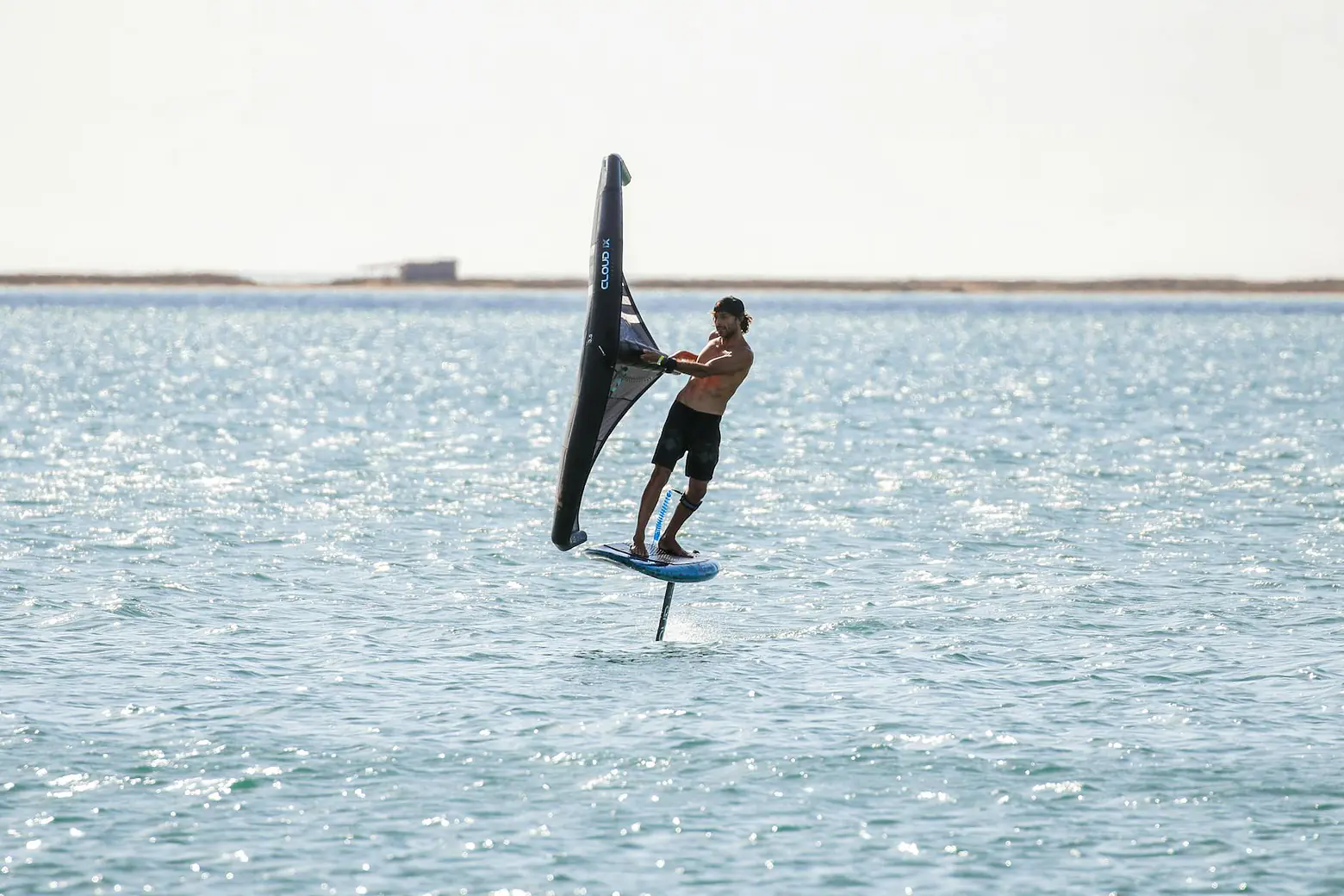
Stand shoulder-width apart just forward of the mast, angle your wing to generate lift, and as the foil rises, shift weight back gradually. The foil lifts when you have enough apparent wind and board speed—no jumping, no forcing. We've watched hundreds of riders nail this over 20+ years.
01 — PositioningFoot Placement — The Stance That Gets You Up
Your feet are everything on take-off. Plant them shoulder-width apart, just forward of the mast—not at the nose, not at the tail. This central position keeps the board flat and balanced, so the foil can work cleanly through the water without chattering or hunting.
Once you're up and riding, you'll shift weight aft naturally. But at the moment of lift-off, stay centred. If you lean back too early, the nose lifts and the foil loses pressure. If you're too far forward, the board digs and you won't generate enough speed to break free from the water.
02 — TechniqueWing Angle and Apparent Wind — Reading the Pressure
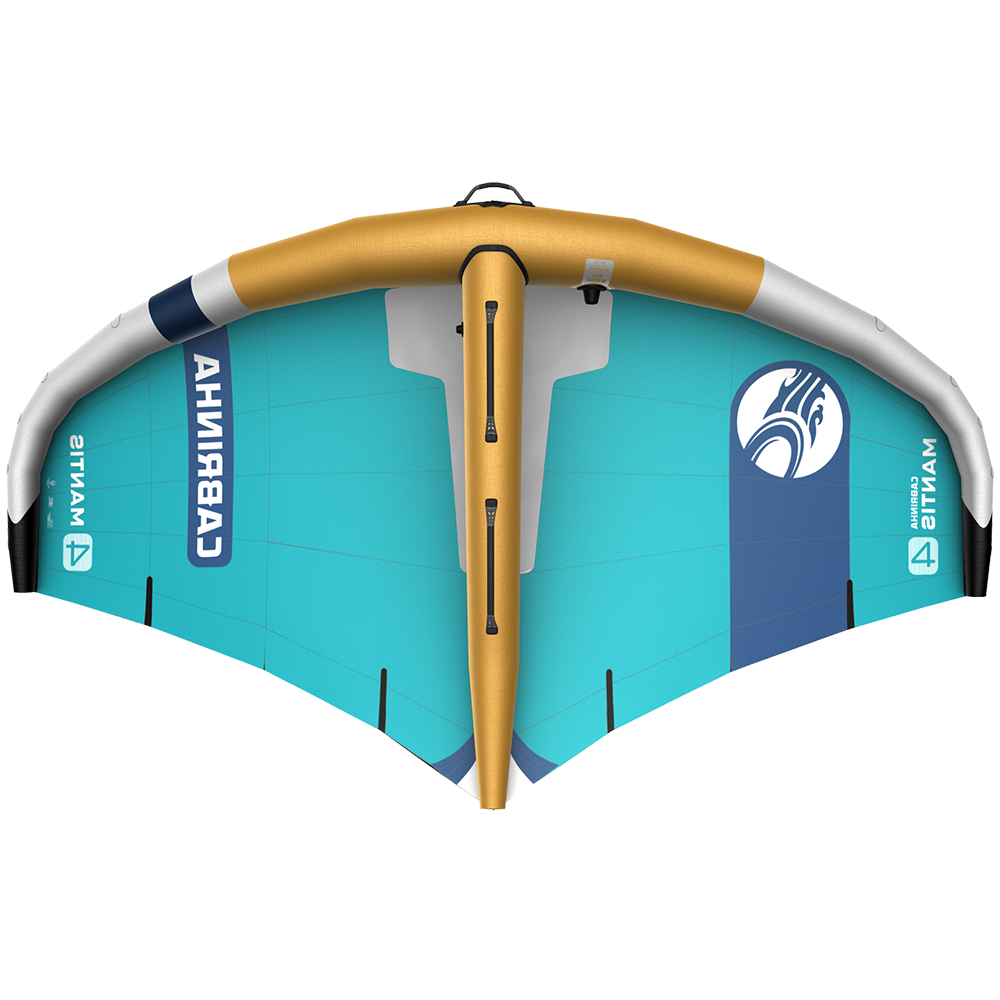
Your wing isn't a passive sail. Angle it forward (leading edge down) to build apparent wind, then sheet it in as pressure builds. You're hunting for the moment the board accelerates and the foil generates lift—usually around 12–15 knots of true wind on a beginner wing like the Cabrinha Mantis or Duotone Unit SLS.
Watch riders who struggle: they hold the wing too upright or don't commit to the angle. The foil won't lift if you're tentative. Be confident with your edge and wing angle, and the board will do the work for you.
03 — Our picksOur 4 In-Stock Picks
We've stocked these four wings since 2026 because they reward clean technique on take-off. Each one is forgiving enough for learners but responsive enough to feel progress fast.


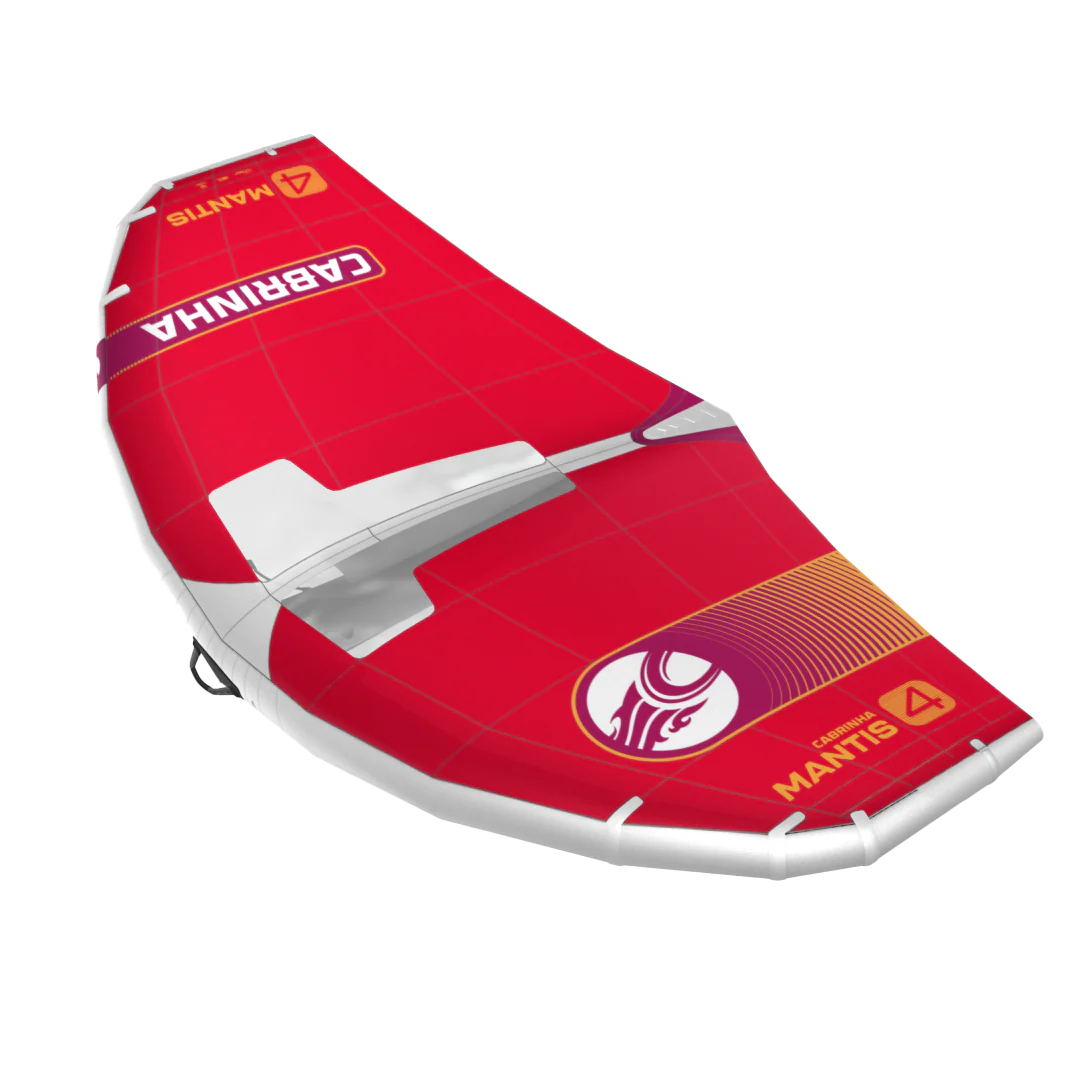
Prices and 2026 specs are pulled live from each product page. Confirm on the product page before checkout.
04 — MistakesThree mistakes we see every week
Ready to dial in your take-off?
Check our full range of wings and foil boards to find your perfect match.
Frequently asked
Most riders take off in 12–15 knots of true wind on a 4.5–5.5 m² beginner wing. Light wind? You'll need stronger technique and a bigger wing. Heavier riders might want a 6–7 m² to make lighter breezes work.
A 4.5–5.5 m² wing suits most 60–80 kg riders learning the take-off. Lighter? Start at 5.5 m². Heavier or learning in light wind? Go 6–7 m². We stock Cabrinha and Duotone wings across that range.
With solid technique and decent wind, most riders pop up within a session or two. Some nail it in 30 minutes. Don't rush—focus on stance and wing angle, not speed.
Yes. A wing foil board is smaller and narrower than a windsurf or SUP board—usually 5'6"–6'0" and under 130 L. A dedicated wing foil board makes take-off easier and riding smoother than improvising with other gear.