Cabrinha Mantis 2026 — Wing Foiling Wing Review
The 2026 Cabrinha Mantis refines what made the original a progression favourite—cleaner power, softer entry pressure, tighter frame tolerances. We'll walk you through the updates, who it suits, and how it stacks against similar wings in the Cabrinha range.
The Cabrinha Mantis 2026 is a forgiving foiling wing built for riders stepping up from smaller wings or transitioning into foiling. The 2026 refresh lowers apparent weight, extends the usable wind range (12–18 knots), and tightens frame tolerances for snappier transitions. Pick it if you want early-wind performance without the learning curve of a high-aspect design.
01 — What's New on the 2026 ModelFrame & Handling
Cabrinha kept the modular panel construction—the architecture that made riders trust this wing in variable conditions—but tweaked the canopy profile and leading-edge curve. The result: apparent weight drops noticeably on entry, so you're not wrestling the wing during the early commit. We've had it in riders' hands from light Tarifa mornings to choppy Cascais afternoons.
The frame tolerances are tighter this year. Meaning less flutter, crisper transitions between edges. If you're used to older wings, you'll feel the difference in how the wing responds to subtle hand movements. It's not stiff or twitchy—it's just honest.
Size range stays practical: we stock the full spectrum for wing foiling conditions. Check the product page for exact dimensions, but the Mantis lives in the sweet spot where beginners don't feel overpowered and intermediate riders can progress without outgrowing it in a season.
02 — Rider Profile & ConditionsWho Should Ride the Mantis
You're the target if you've done a few sessions on a smaller wing (3–4 m²) or you're converting from kite. You want something that won't punish hesitation but rewards committed input. The Mantis doesn't demand textbook technique to stay upwind—that's the point.
Conditions-wise, it shines in the 12–18 knot window. Below 12 knots you'll feel it working harder; above 18, riders heavier than 85 kg will want to downsize or grab the Apex variant. If you're in waves or light, choppy wind, the Mantis' soft entry and stable platform mean fewer blown attempts.
03 — Our picksOur 4 In-Stock Picks
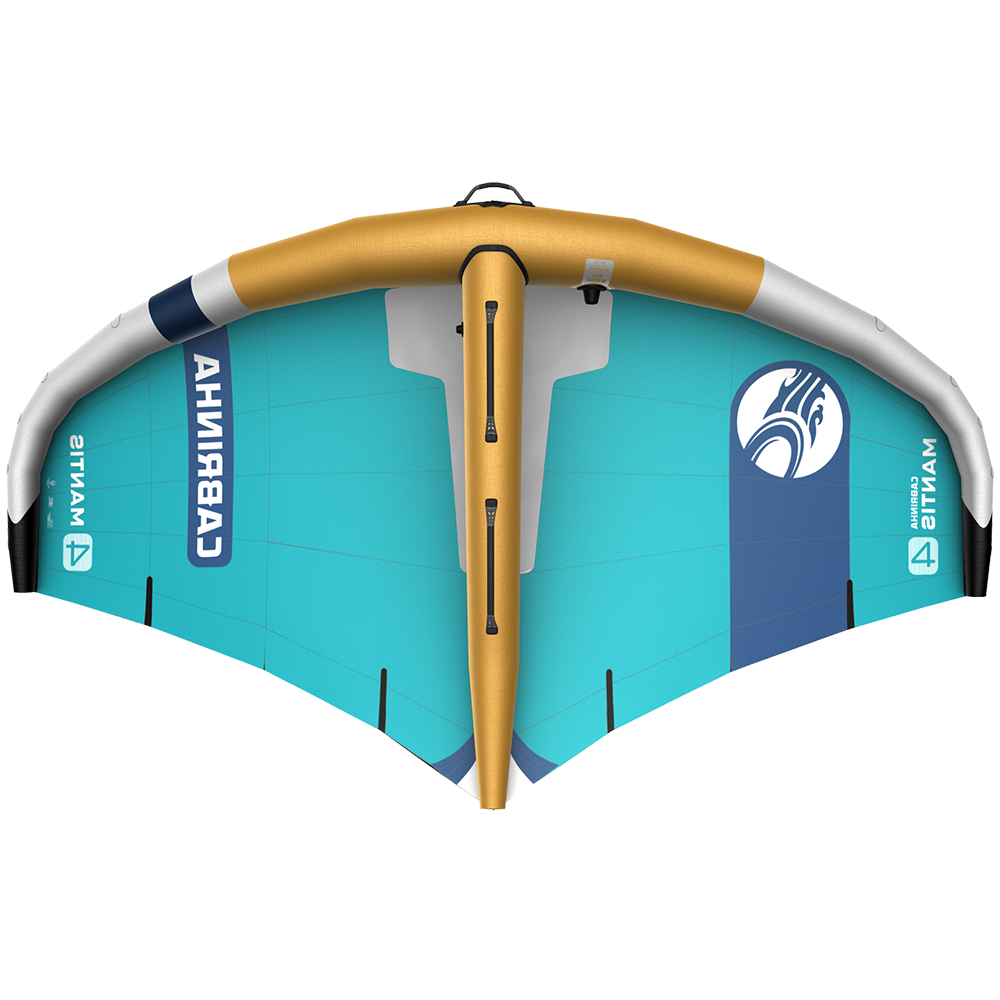
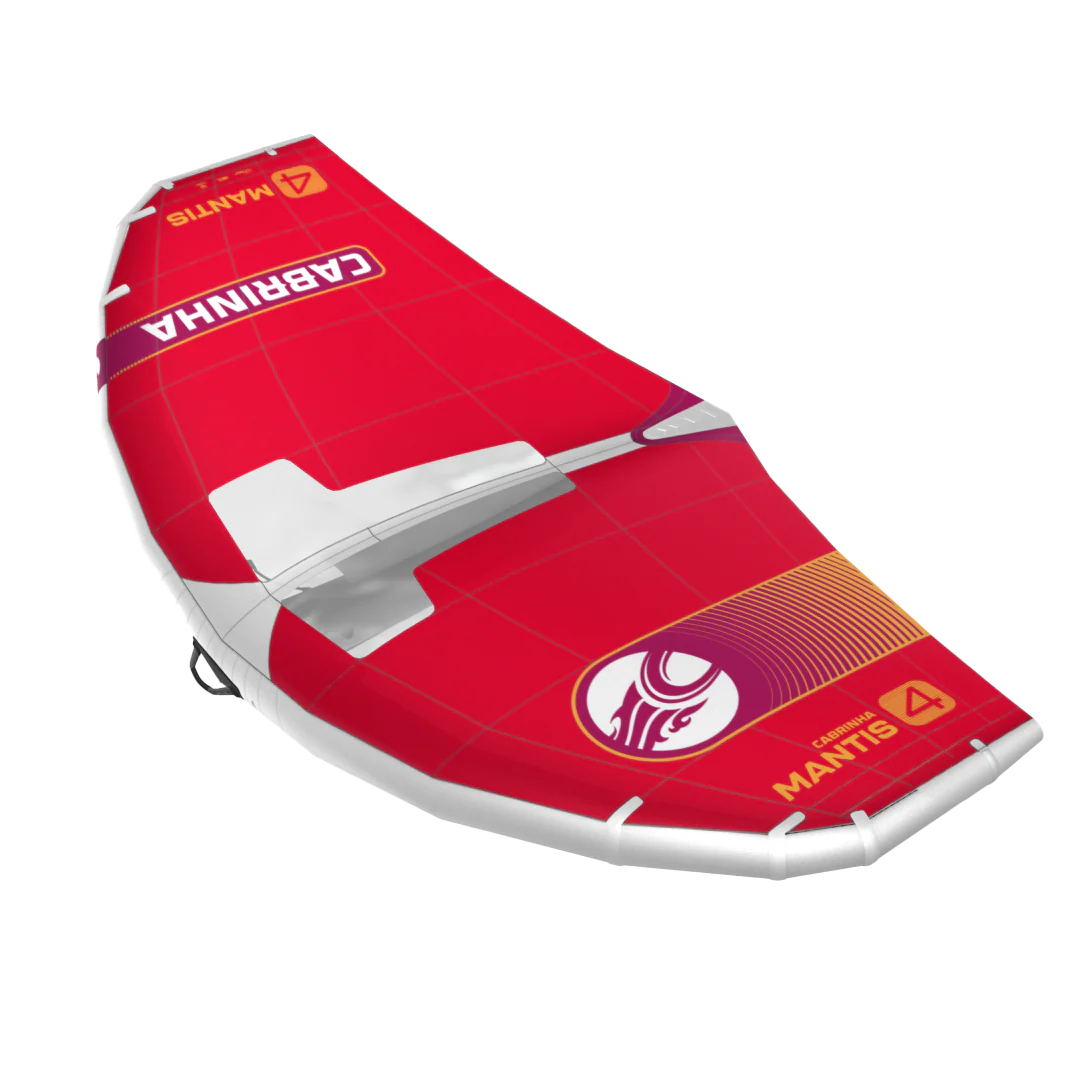
Below are the Mantis lineup and a solid Duotone alternative we stock. Each has a different job—pick by your weight, wind consistency, and budget.


Prices and 2026 specs are pulled live from each product page. Confirm on the product page before checkout.
04 — MistakesThree mistakes we see every week
Ready to Ride the Mantis?
Shop the full 2026 Mantis range and Duotone alternatives on our wing foil category page.
Frequently asked
The APEX is stiffer, more direct, tuned for riders 80+ kg or those chasing performance. The standard Mantis is softer and more forgiving. Start with the standard unless you're heavy or advanced.
Yes. The soft entry and stable platform handle chop well. Just remember: wing foiling in waves demands good pop and control—not every rider's cup of tea, but the Mantis won't hold you back.
Duotone Unit is stiffer and more playful at the high end; Mantis is softer and more accessible early on. Both are excellent. Duotone suits intermediate+ riders; Mantis suits progression and light wind.
Not if you look after it. The Mantis will hold its character for 3–4 seasons of regular riding. Small tears and UV damage are the biggest threat—store it out of sun and fix dings promptly.