What Is Wing Foiling? — Beginner's Guide to the Sport
Wing foiling is you on a board with a handheld wing, lifting off the water on a hydrofoil. It's simpler to learn than kitesurfing or windsurfing, and way more forgiving. Here's what you need to know to get started.
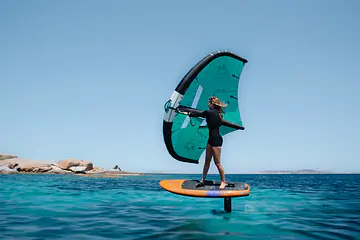
Wing foiling uses wind power, a handheld wing, and a hydrofoil board to lift you above the water. You stand on the board, hold the wing like a sail you can release instantly, and control speed and direction with your arms. It's the most accessible foiling sport because you're not tethered to anything—you can bail, reposition, and go again in seconds. Start with entry-level wings like the Duotone Unit SLS or Cabrinha Mantis.
01 — The setupHow Wing Foiling Actually Works
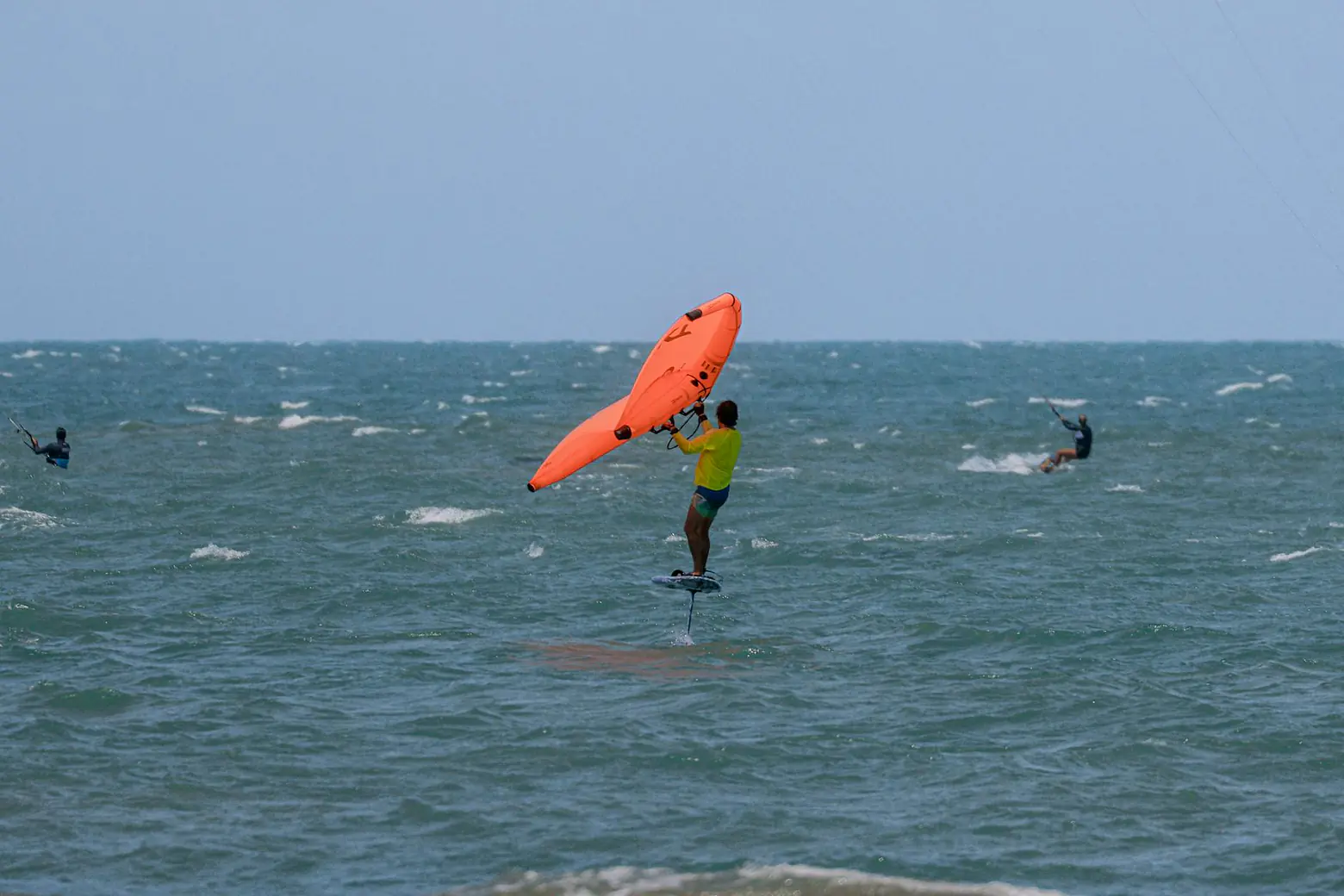
You're standing on a board with a hydrofoil bolted underneath—think of it as an airplane wing mounted vertically. As wind pushes your handheld wing forward, the board accelerates. Water flows over the foil, generates lift, and you rise above the surface. No rope. No bar. Just you, the wing in your hands, and the ability to let go whenever you want.
The wing itself is inflatable and compact—nothing like a kite. Sizes range from 2.5 m² to 7 m² depending on your weight and wind strength. Most beginners start with a 5 m² wing in 12–20 knots. The foil mast sits between 60 and 75 cm for beginners, keeping you stable as you learn.
Your board floats initially. Once you're foiling, your weight is supported entirely by the hydrofoil, so the board barely touches the water. It's eerie and brilliant at the same time.
02 — AccessibilityWhy Beginners Love Wing Foiling
Kitesurfing requires years to master. Windsurfing demands balance and upper-body strength most people don't have yet. Wing foiling? You can catch your first lift in 2–3 sessions if conditions are right.
The biggest reason: instant release. Lose control, just drop the wing. There's no tether, no bar spinning your wrist, no kite diving. You're in charge of the energy in your hands. That means fewer injuries, faster learning, and way more confidence.
We've shipped wings to Tarifa, Cape Town, and Denmark's Baltic spots. Riders tell us the same thing: wing foiling feels natural faster than any other board sport. You're standing upright, holding something intuitive, and the foil does most of the work once it's flying.
03 — Our picksOur 4 In-Stock Wing Picks
We've picked these four wings because they're proven with beginners and available right now. Each one handles light wind well and forgives mistakes while you find your balance.


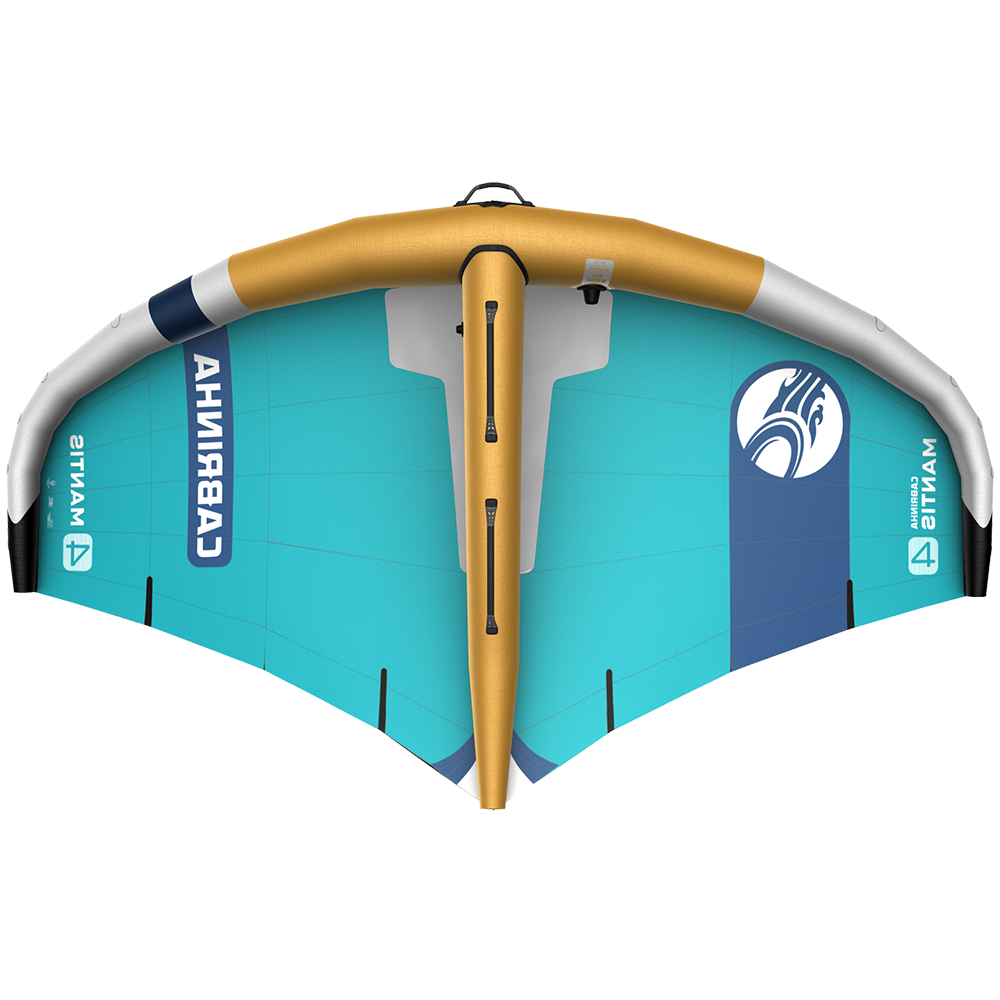
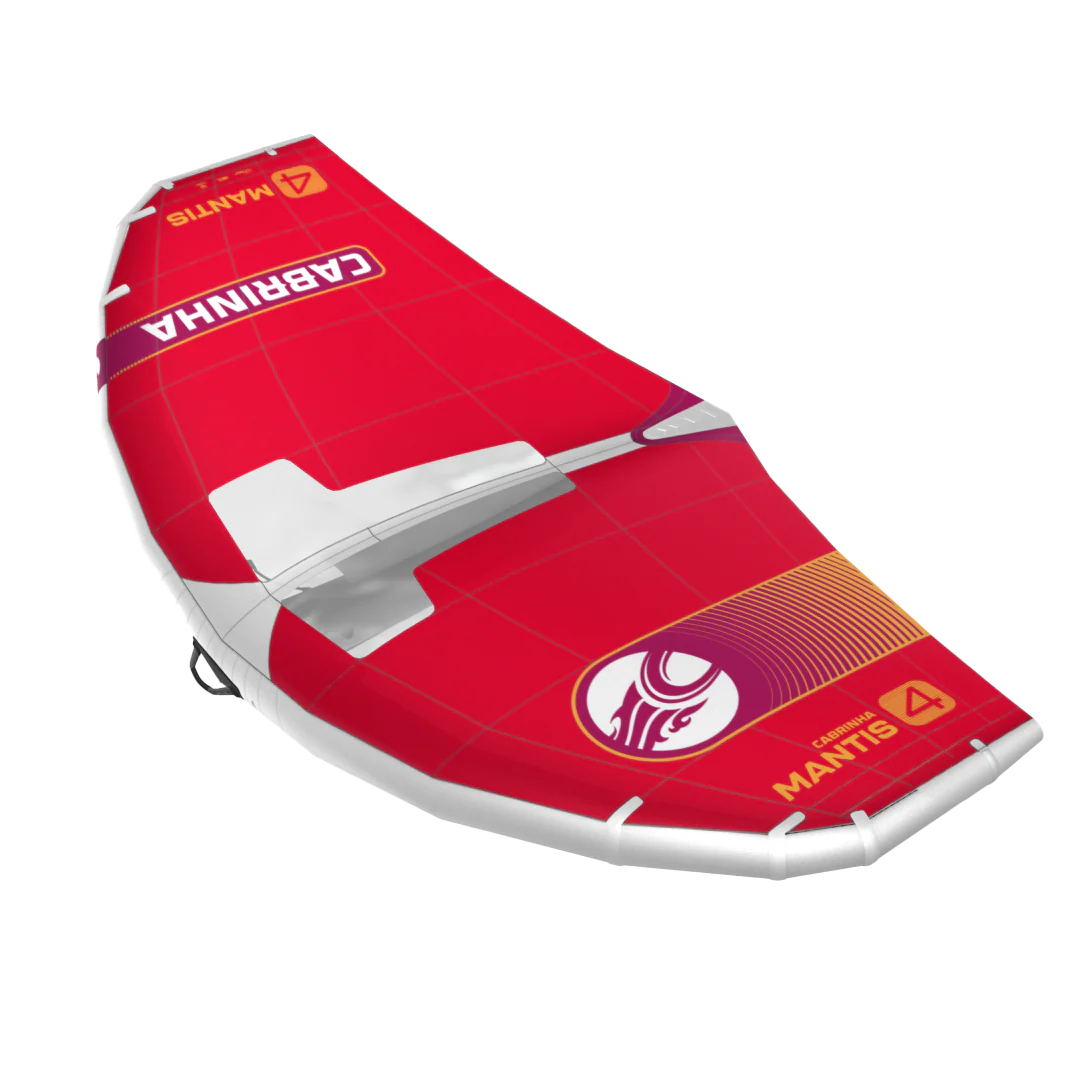
Prices and 2026 specs are pulled live from each product page. Confirm on the product page before checkout.
04 — MistakesThree mistakes we see every week
Ready to learn wing foiling?
Browse our full wing, board, and foil range on the wing foil category page.
Frequently asked
Beginner speeds are 8–15 knots. Once you're comfortable, you'll cruise at 15–25 knots depending on wing size and wind. It's slower than kitesurfing but feels way faster because you're above the water.
Not reliably. Wing foiling needs 12+ knots to generate lift. Below that, you'll paddle more than ride. Kitesurfing, kiting windsurf can work lighter—wings can't.
A 7 m² pulls harder and works in lighter wind. A 5 m² is easier to handle and better for learning technique in moderate wind. Pick 5 m² if you're under 75 kg and learning in 14–20 knots.
Yes. Wing foil boards are built with a central foil box and extra flotation—usually 90–120 L for beginners. Your old freeride board won't work safely because it's not designed for foil mounts.