Wing Foiling Gybes & Tacks — Turning Technique Guide
Gybes and tacks are the moves that separate wing foilers from drifters. Master these two turns, and you'll navigate anything from crowded lagoons to light-wind flats without sinking.
A gybe is a downwind turn—you keep wing pressure, pivot the board, then swap the wing to your other side. A tack is upwind—head into the wind, cross neutral, flip the wing. Both depend on foil momentum and weight placement. The Duotone Unit SLS or Cabrinha Mantis give you the control you need to feel these moves clearly.
01 — Keeping wing loadThe Gybe: Downwind Turns
A gybe feels more natural than a tack because you're turning away from the wind. The secret is keeping the wing loaded while you pivot. Load the wing on your current side, then shift your weight toward your back foot and rotate your hips to swing the board downwind.
Don't dump the wing mid-turn—that's where most riders lose it. Keep tension on the handle, let the foil carry you through the arc, then pass the wing overhead as your board completes the pivot. Your front hand guides the flip; your back foot pressures the tail. It's one fluid motion, not three separate steps.
Practice gybes in 16–20 knots first. Lighter wind forgives sloppy weight shifts; stronger wind punishes them instantly.
02 — Crossing neutralThe Tack: Upwind Turns
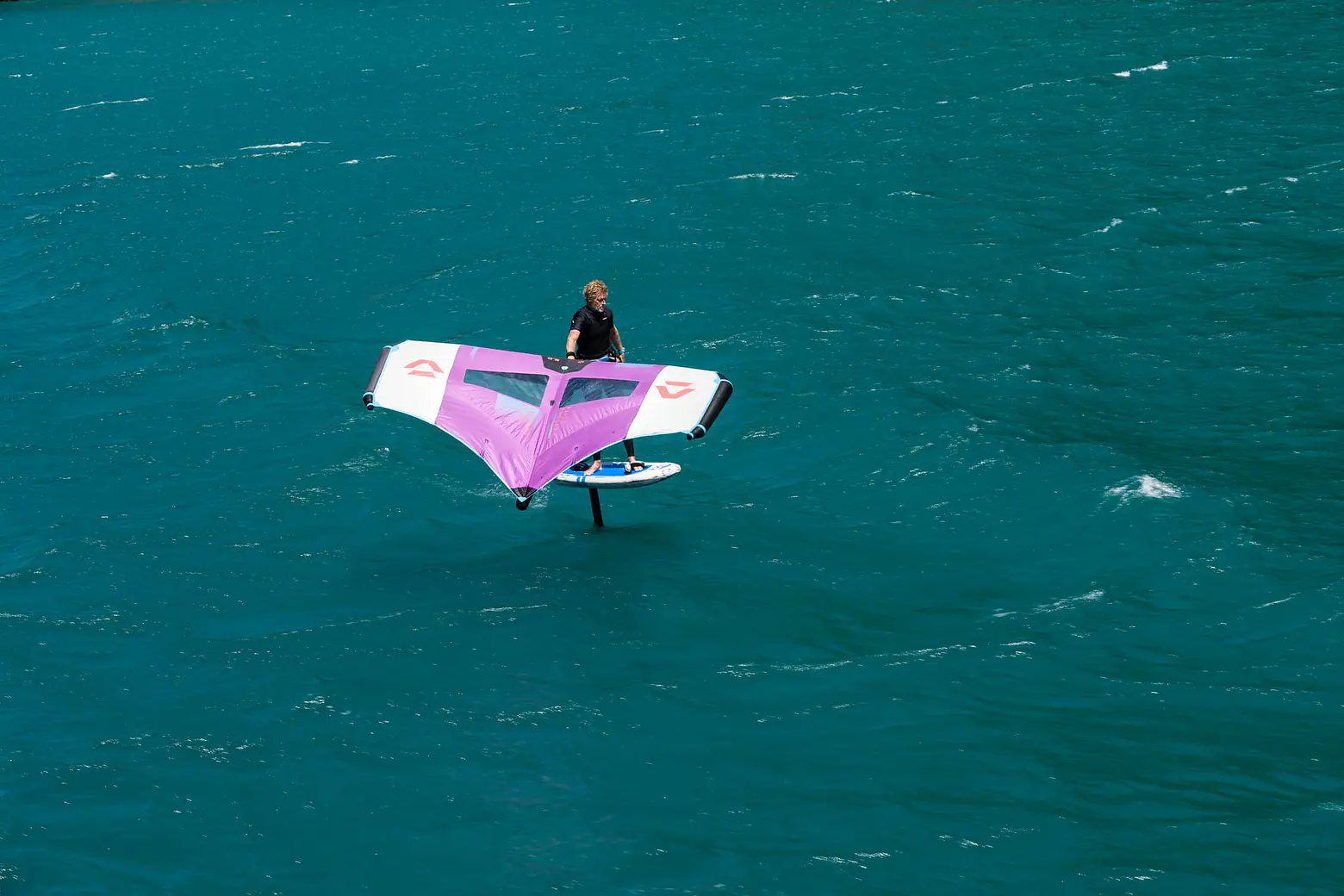
A tack is harder because you're fighting into the wind. Head toward the wind at a shallow angle, keep the wing level, then cross neutral—that split second when the wing sits perpendicular to your body and neither side is driving you forward. This is where beginners panic and dump the wing.
Stay committed. Shift your weight across the board as you cross neutral, then flip the wing to your new side before the foil loses momentum. Your back foot plants first; your front foot follows. The tack works best in 14 knots or above—below that, the foil sinks faster than you can recover.
Use a smaller wing (3.5–4.5 m²) to practice tacks. Less volume overhead means easier overhead flips and sharper weight transitions.
03 — Our picksOur 4 In-Stock Picks
We stock Duotone and Cabrinha wings because they both reward clean technique—no dead weight overhead, instant feedback through the handle. Pick one below based on your wind window and riding style.


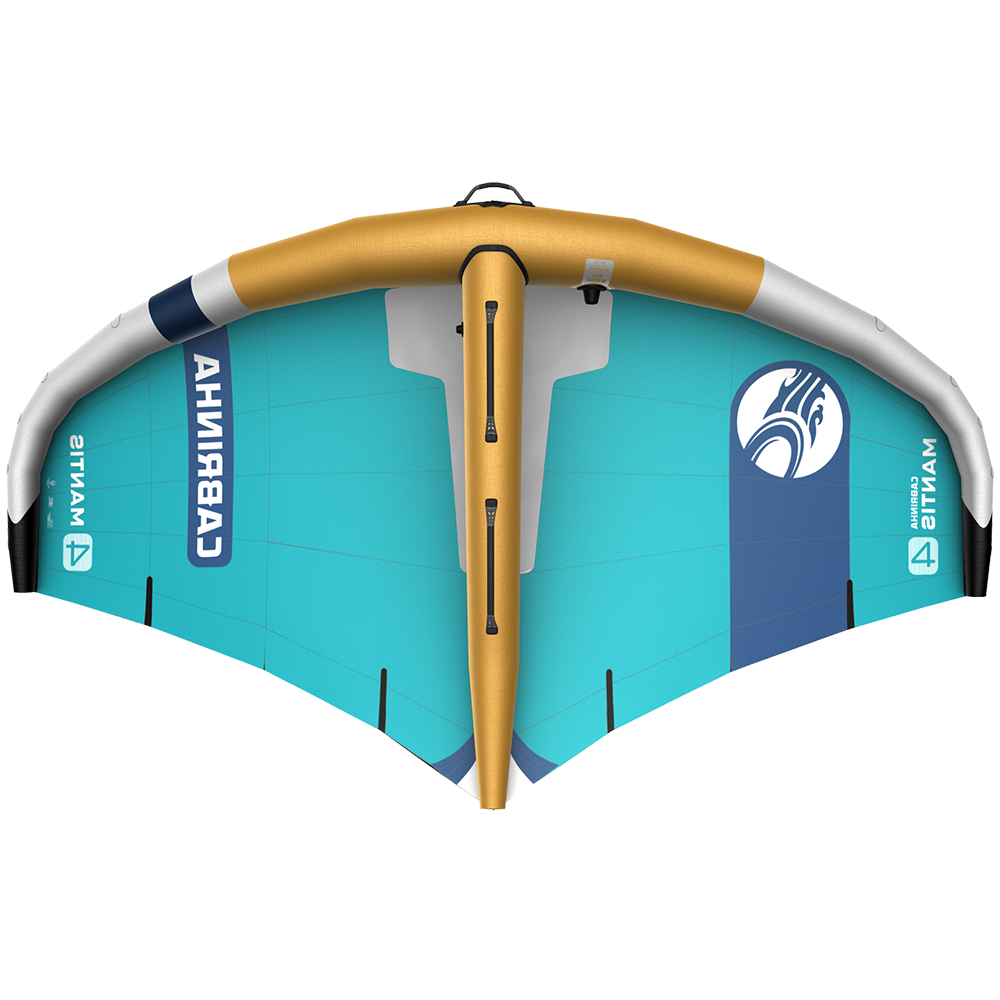
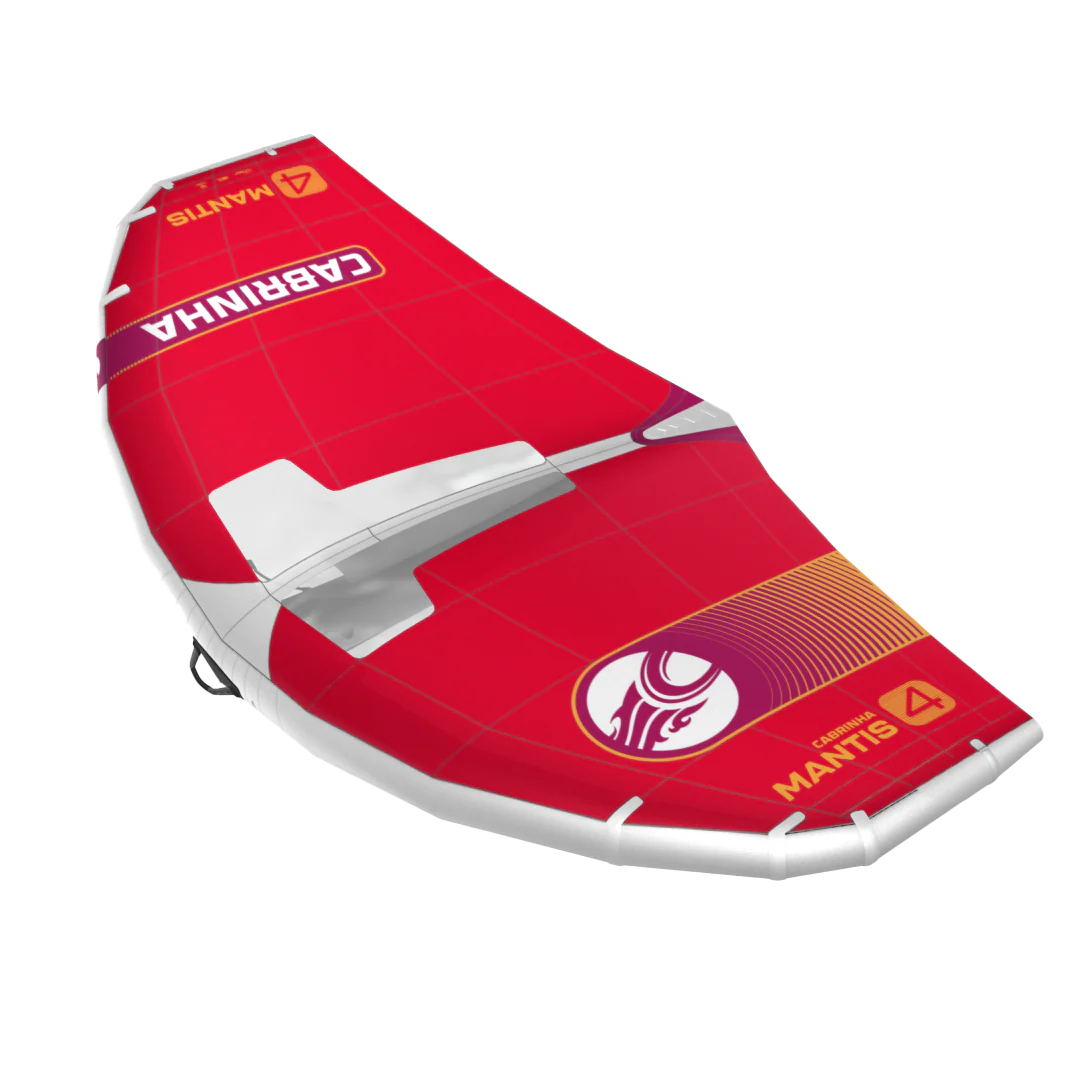
Prices and 2026 specs are pulled live from each product page. Confirm on the product page before checkout.
04 — MistakesThree mistakes we see every week
Ready to dial in your gybes?
Browse our wing foil wings and complete setups—all tested by riders from the North Sea to Morocco.
Frequently asked
Start with a 4.5–5 m² wing in steady 14–18 knot wind. Once you're consistent, drop to 3.5–4 m² for tacks (easier overhead flips) and stay at 5–5.5 m² for gybes (more forgiveness).
Your foil is losing speed because you're releasing tension too early or pausing mid-turn. Keep the wing loaded until your board is 60% through the pivot, then flip. No dead zones.
Not reliably. Wing foiling needs at least 12 knots for the foil to maintain lift through a turn. Below that, you're fighting gravity, not wind pressure.
Both work. The Mantis is slightly more forgiving on sloppy flips; the Unit SLS offers sharper feedback on weight placement. Pick whichever brand's handle feel suits your hands best.