Wing Foil Size Guide — Choosing Your Wing by Wind Speed
Wing size isn't a guess—it's locked to wind speed and your weight. Pick the wrong size and you'll either sink or get thrown downwind. We'll walk you through the exact combinations that work.
Match wind speed to wing area and mast length: light wind (12–14 knots) needs a bigger wing (5–6 m²) and longer mast (80–90 cm); strong wind (20+ knots) calls for a smaller wing (3–4 m²) and shorter mast (65–75 cm). Your weight shifts these ranges—heavier riders go bigger in the same conditions. The Duotone Unit SLS 2026 and Cabrinha Mantis 2026 cover most intermediate conditions.
01 — Lift and ControlWhy Mast Length and Wing Size Matter Together
A longer mast (80–90 cm) keeps your foil deeper in the water where pressure builds faster—you'll generate lift earlier in the gust. A shorter mast (65–75 cm) keeps you higher, which means faster response but you need more wind to stay up.
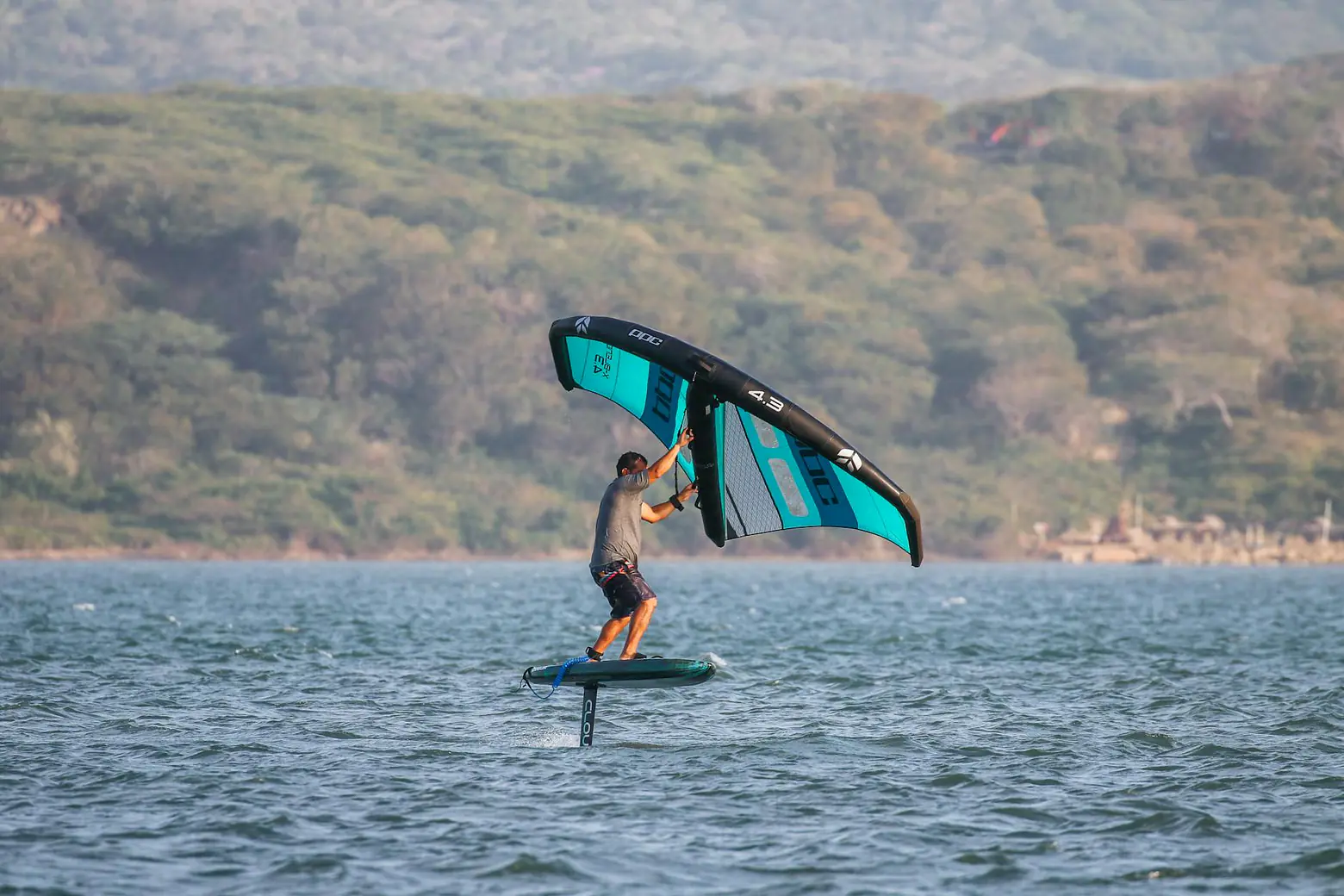
Wing size works the same way. A 5.5 m² wing in 13 knots feels light and responsive. That same wing in 25 knots will overpower you. Switch to a 3.5 m² and suddenly you've got control back. This isn't about what feels comfortable in your hands—it's about what your foil can do underwater.
02 — Matching ConditionsWind Speed Zones and Your Gear Choices
Light wind (12–15 knots): You need 5–6.5 m² wings and masts in the 80–90 cm range. Heavier riders (75+ kg) won't get off the water below 6 m². This is where the Duotone Unit SLS 2026 shines—built for early lift and smooth power delivery.
Moderate wind (15–20 knots): Move to 4–5 m² wings with 70–80 cm masts. Most riders live here. The Cabrinha Mantis 2026 is our go-to for this sweet spot—durable, responsive, won't break the bank.
Strong wind (20+ knots): Go small: 3–4 m² wings, 65–75 cm masts. Even lighter, more angular wing profiles help here. You're not fighting the wing; you're directing it.
03 — Our picksOur 4 In-Stock Picks for Every Wind Range
We've picked four wings that cover light, moderate, and strong conditions without overlap. Each one's built for a specific job—pick by your local wind average, not by price.


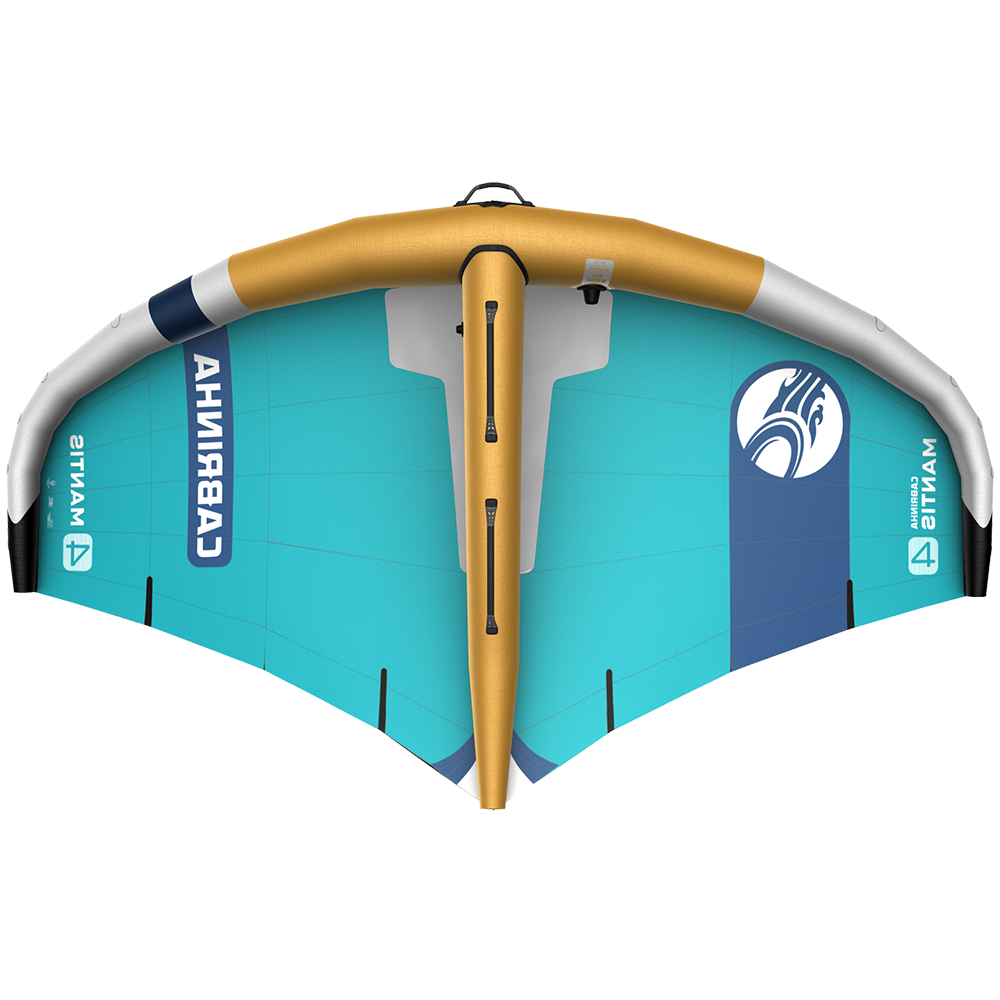
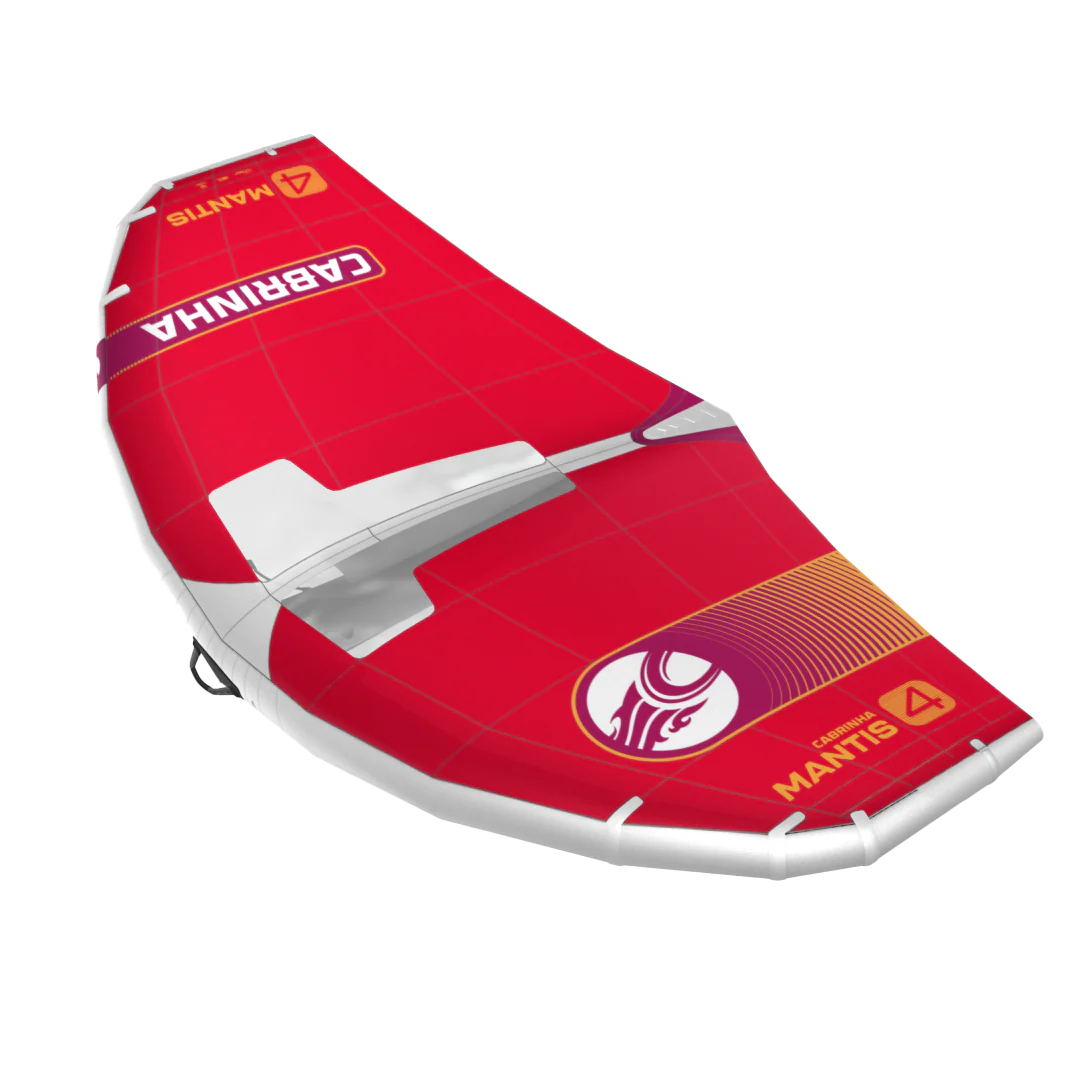
Prices and 2026 specs are pulled live from each product page. Confirm on the product page before checkout.
04 — MistakesThree mistakes we see every week
Ready to pick your wing?
Browse our full wing foil range and find the size that matches your wind and weight.
Frequently asked
About 10% more power. In light wind, it's the difference between foiling and swimming. In moderate wind, it's barely noticeable. Start with what your conditions demand, not what feels trendy.
Not if you want consistent feel. A longer mast softens small gusts; a shorter one keeps you responsive. Most riders buy two masts: one 75–80 cm and one 80–90 cm. Check your wing's recommended mast range on the product page.
Eventually, yes. Beginners usually stay on bigger, more forgiving wings (5–6 m²). Once you're comfortable, smaller wings (4–5 m²) let you feel the foil better. Don't rush it.
Buy for your average, not your extremes. If you see 15–25 knots most days, get a 4.5 m² and a 5.5 m². You'll ride 90% of your sessions on one of those two.