What Wind Speed Do You Need for Wing Foiling? — Knot Guide
Wing foiling needs way less wind than kitesurfing or windsurfing, but there's a real floor. We'll show you the exact knot range where you'll actually get airborne, progress, and have fun.
You need 12–18 knots to learn and progress safely. 8–12 knots is possible if you're light and on a bigger wing (5–6 m²), but it's sketchy. Above 25 knots the foil gets twitchy. Your body weight and wing size shift everything—lighter riders on a Duotone Unit or Cabrinha Mantis go lower.
01 — Wind thresholdGetting Airborne: The Real Minimum
Eight to twelve knots is your launch window. Wing foiling extracts power directly overhead—no edge pressure needed like windsurfing or kitesurfing. That's why it works in lighter air than either.
But honest talk: 8–12 knots only works if you're under 70 kg and riding a 5–6 m² wing. Most riders we see progressing sit at 12–15 knots with a 4–5 m² wing. It's the sweet spot where the foil wakes cleanly and you're not fighting every gust.
02 — Progression zoneWhere Wing Foiling Really Shines
Twelve to eighteen knots is your progression band. Foil response is clean, wing control is intuitive, and you're not fighting conditions. Most of our riders from Tarifa to Cabarete spend their best sessions here.
Twenty knots and up? The foil gets sharp—mistakes cost you. Twenty-five knots, you're managing, not learning. Above that, even solid wing riders switch to smaller wings (3–4 m²) or sit out. It's not a hard wall, but it's where the sport flips from accessible to athletic.
03 — Our picksFour Wings Built for Learning & Progression
We've shipped these four since 2026 and they tick every box: responsive in light air, predictable in stronger gusts, and durable enough for the rocks and the reef. Pick your wing by wind habit and body weight.


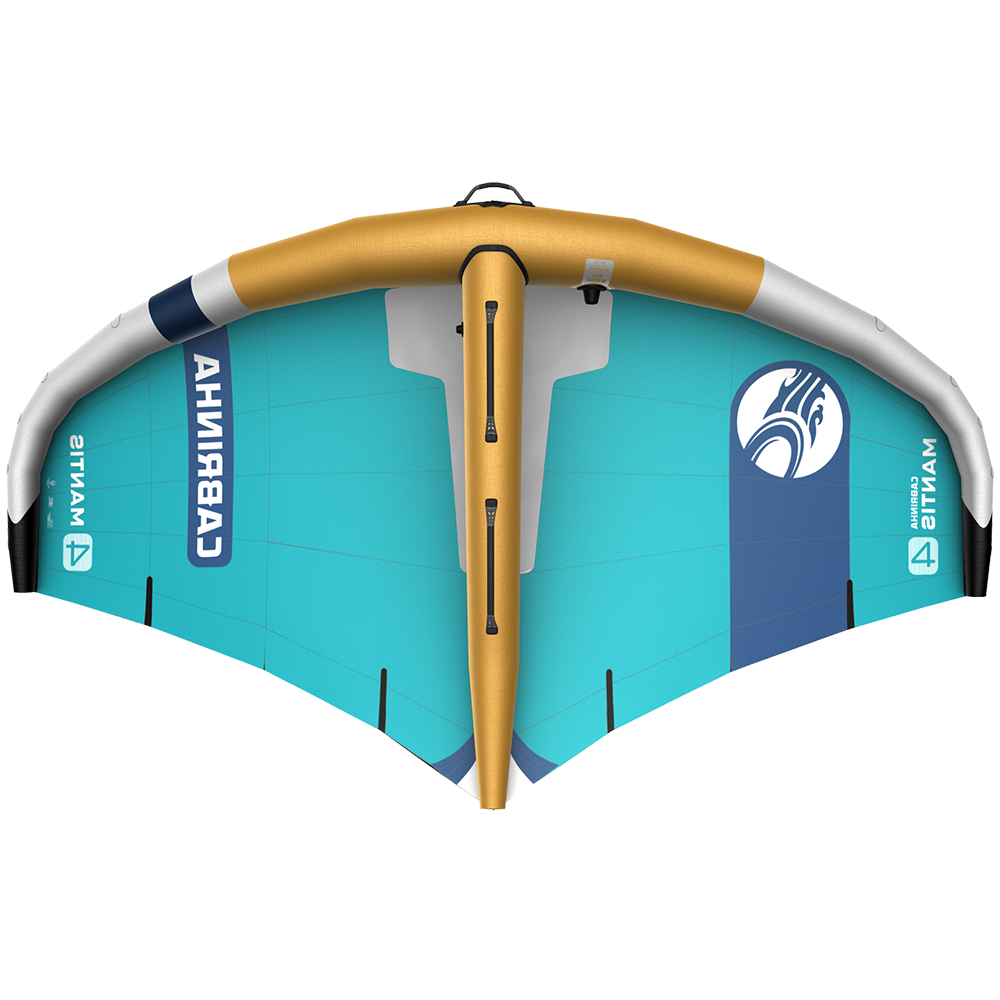
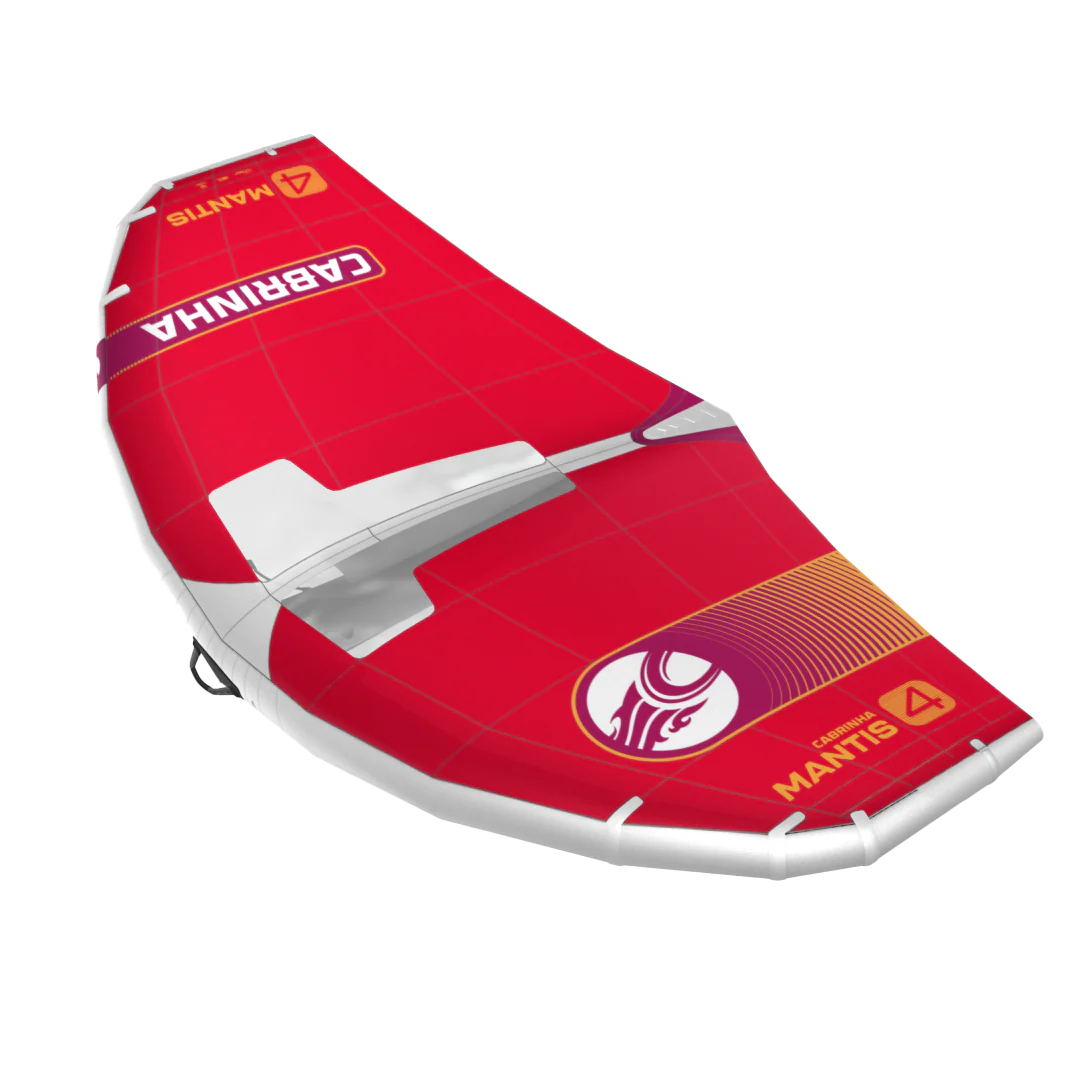
Prices and 2026 specs are pulled live from each product page. Confirm on the product page before checkout.
04 — MistakesThree mistakes we see every week
Ready to pick your wing?
Our wing foil shop stocks Duotone, Cabrinha, and NeilPryde across all sizes. Filter by wind range and weight to find your match.
Frequently asked
Yes, if you're light (under 65 kg) and on a 6 m² wing. It's possible but not ideal for learning—you're chasing power instead of practicing technique.
Above 20 knots, the foil gets twitchy and the wing demands respect. Stick to 12–18 knots while you're learning to put your feet right and carve.
Yes, absolutely. A 6 m² wing works in 10–12 knots; a 4 m² needs 14–16 knots. But bigger wings also catch every gust—don't go oversized just to chase low wind.
The Cabrinha Mantis or Duotone Unit both excel from 12 knots up. For consistent light wind, a 5 m² Unit SLS is more forgiving than a smaller wing.