
How to Choose a Foil for Wing Foiling — Aspect Ratio Guide
Aspect ratio is the hidden boss of wing foiling. Get it right, and you'll unlock early lift, smooth glide, and confidence in marginal wind. Get it wrong, and you'll be fighting your foil instead of riding it.
Pick your foil based on mast length (65–75 cm for riders under 75 kg, 75–85 cm for heavier), aspect ratio (high 85+ for light wind and glide; mid 65–80 for control), and front wing size (1600–2200 cm² for beginners). The Duotone Unit SLS 2026 and Cabrinha Mantis 2026 are solid entry points that don't lock you into one style.
01 — FoundationWhat Aspect Ratio Actually Does
Aspect ratio is the relationship between your foil's length and width. High-aspect foils (85+) are long and narrow—they want speed and efficiency. Mid-aspect foils (65–80) are shorter and wider—they want forgiveness and early lift.
In light wind (12–16 knots), a high-aspect foil glides longer between pumps and holds speed better. But it demands technique: you need to stay on top of it, and pop earlier to generate lift. Mid-aspect foils forgive sloppy technique and get you airborne quicker in marginal conditions.
We've shipped thousands of boards since 2003, and here's what riders tell us: beginners want mid-aspect (70–75 range). Intermediate riders moving into lighter wind start testing high-aspect. Experts swap between both depending on the day.
02 — SizingMast Length: The Real Game-Changer
Mast length matters more than most riders realize. A 65 cm mast gives you earlier pop-up and tighter turns. A 75 cm mast increases glide and stability but demands more space to maneuver. An 85 cm mast is for light-wind specialists and heavier riders who need the extra volume.
If you weigh under 75 kg and you're starting out, stick with 65–70 cm. Heavier riders or those hunting light-wind sessions go 75–85 cm. The foil's front wing size (measured in cm², not m²) should match: beginners need 1600–2200 cm². That size range gives you early lift without overcomplicating things.
03 — Our picksOur 4 In-Stock Picks
We stock wings and boards from the brands we trust, and we've picked these foils because they hit the sweet spot between beginner-friendly and growth potential. Here's what we'd reach for:


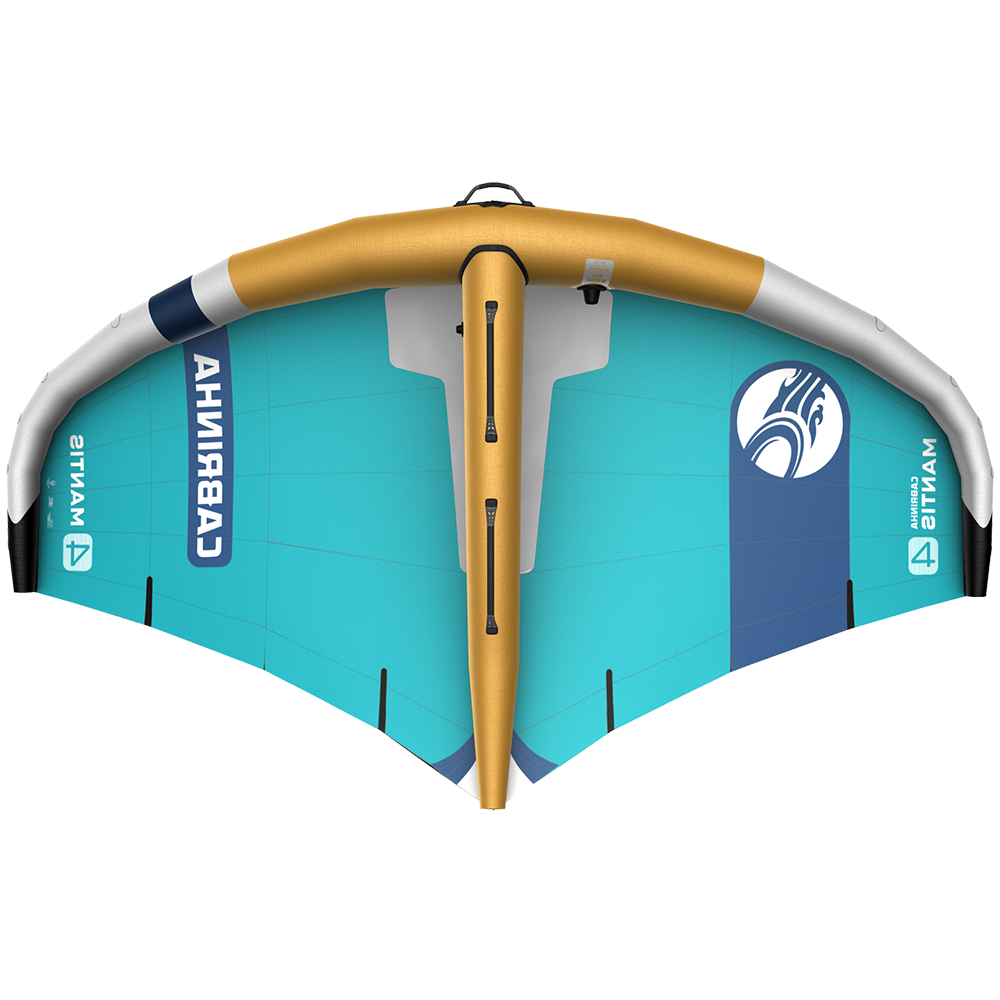
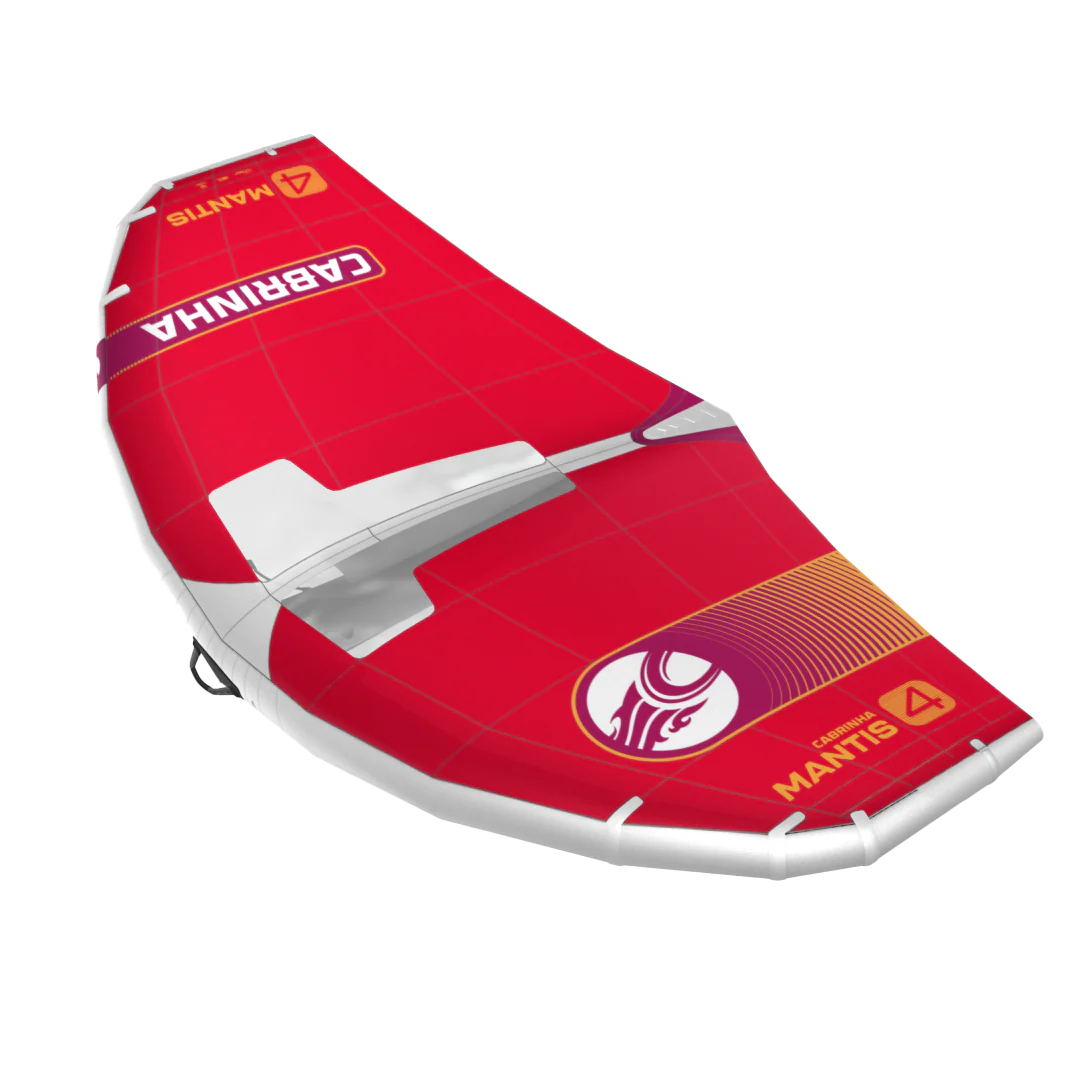
Prices and 2026 specs are pulled live from each product page. Confirm on the product page before checkout.
04 — MistakesThree mistakes we see every week
Ready to dial in your foil?
Browse our wing foil range and find the mast and front wing combo that fits your weight and local wind.
Frequently asked
Aspect ratio describes the shape of your entire foil (the mast, fuselage, and wings together). Front wing size (in cm²) is just the lifting surface. You need both numbers to make a good choice.
Yes, but you'll pump more and work harder to stay up. High-aspect shines in 18+ knots. Below 16 knots, mid-aspect is friendlier.
No. A solid mid-aspect foil with a 70 cm mast will serve you for years. Upgrade once you know your style—light-wind specialist, tricks rider, or cruiser.
Mid-aspect, every time. You'll get airborne sooner and won't feel like you're fighting the foil. Save high-aspect for month six.