Wing Foil Beginners Guide — Everything You Need to Know
Wing foiling looks magic until you understand it's just physics—and once you do, you'll be flying within sessions. We've coached dozens through their first flights at spots from Tarifa to the North Sea, and they all say the same thing: it's easier than expected.
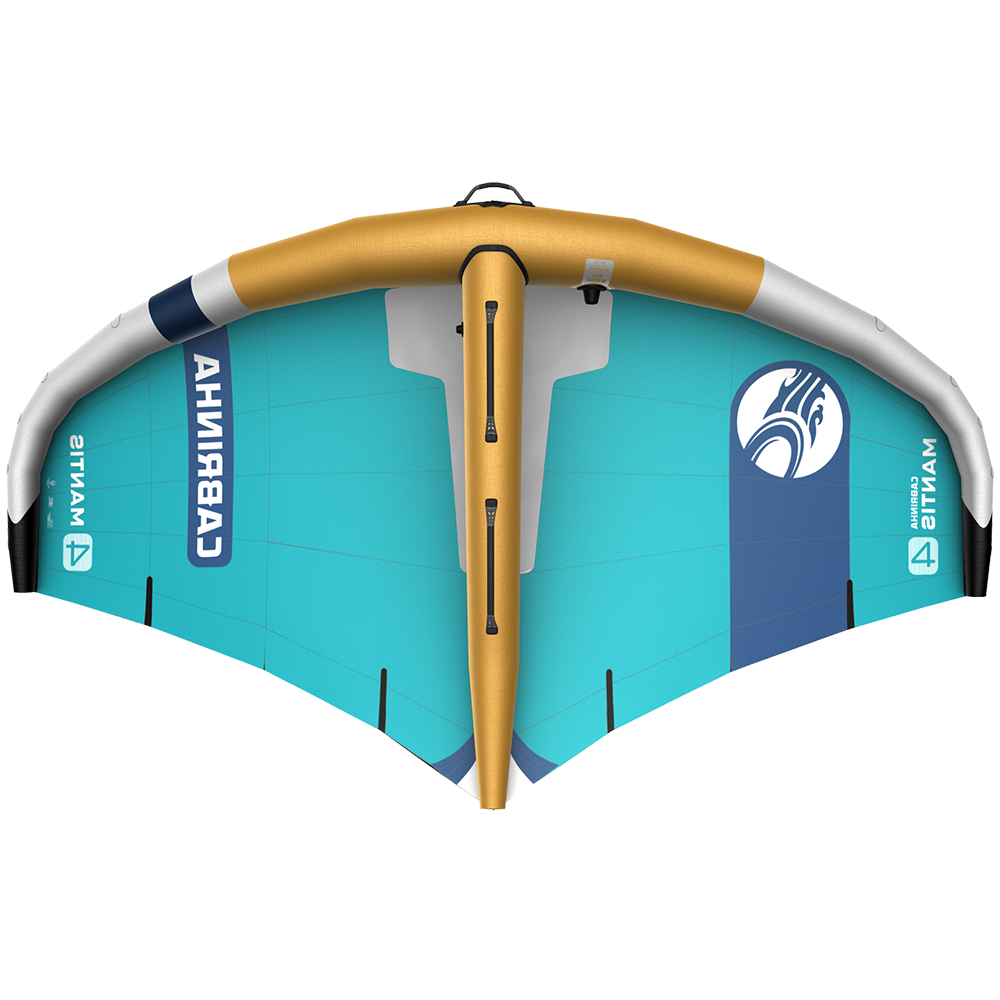
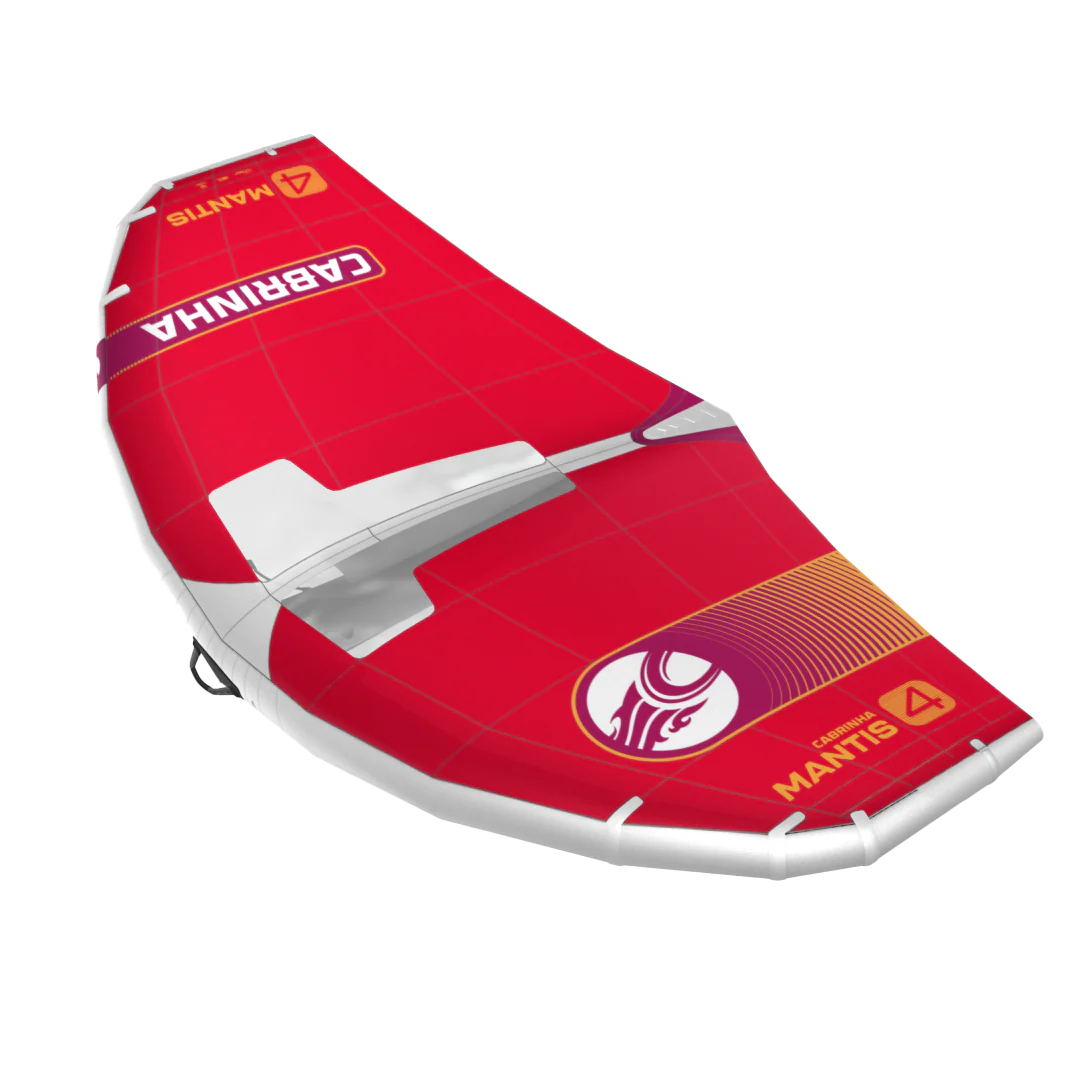
Wing foiling works because you're holding an inflatable wing that catches wind, your hydrofoil lifts you above water as you accelerate, and you stay in total control with your hands. Start with a larger wing (5–6 m²), a wide stable board, and light wind (12–16 knots). We recommend the Duotone Unit SLS or Cabrinha Mantis as your first wing.
01 — MechanicsThe Physics: How Wing Foiling Actually Works
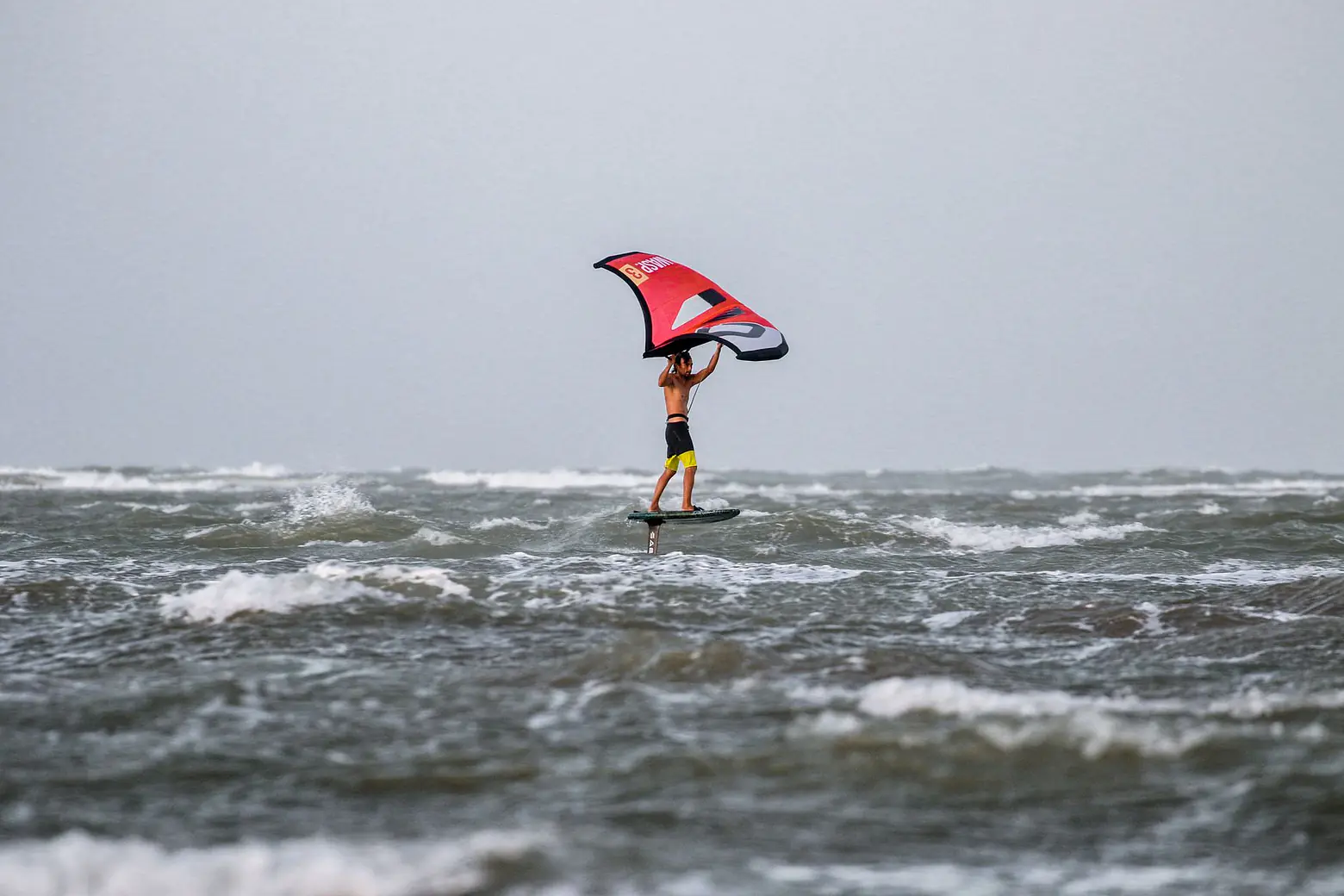
The wing is your engine. You're holding it like a large, oversized surfboard—not a kite. The difference matters: wings don't require bars, lines, or sand to keep you anchored. You hold the inflatable wing with both hands, angled into the wind, and it pulls you forward.
As you move, water flows under your board's foil (the underwater fin assembly). Once you hit about 8–10 knots of board speed, the foil generates lift and your board rises above the water. That's the magic moment. You're now on a hydrofoil—only your mast and foil touch the water. Control is pure: tilt the wing, move your weight, adjust the foil angle with your feet. No kite dramatics, no relaunch anxiety.
02 — Gear essentialsYour First Setup: Board, Wing, and Foil
Wing size for beginners: 5–6 m². This range gives you enough power to get going in 12–16 knots without overpowering you. Bigger wings are more forgiving in light wind. Once you're comfortable, 4 m² is your light-wind wing; 7 m² is your storm option. Stay between 2.5–7 m²—that's the range wings come in, and bigger doesn't exist.
Board: Pick 90–120 L, 70–80 cm wide. Wide boards keep you stable while you learn. Most foil boards work, but broader is better for beginners. Foil: Start with 1600–2200 cm² front wing. Bigger wings give you earlier lift and forgive sloppy technique. A 60–75 cm mast is standard for learning—low enough to keep the board stable, tall enough to avoid wipeouts.
03 — Our picksOur 4 In-Stock Picks for Your First Wing
These four wings are stocked now at our warehouse in Europe. All four will get you flying. Pick based on your budget and whether you want a brand-loyal quiver later.


Prices and 2026 specs are pulled live from each product page. Confirm on the product page before checkout.
04 — MistakesThree mistakes we see every week
Ready to get airborne?
Browse our full wing foil range—boards, wings, foils, and wetsuits—all shipped within 48 hours across Europe.
Frequently asked
12–16 knots is ideal for beginners with a 5–6 m² wing. You can start as low as 10 knots in very light stuff, but 12+ is where it clicks. Above 20 knots, you'll want to downsize your wing.
Most riders get their first flight within the first hour. First proper session—up and riding for 20+ minutes—usually takes 3–4 sessions. It's quicker than kitesurfing or windsurfing.
Nope. Any foil board works, but start wide (70–80 cm) and buoyant (90–120 L). Narrow wave boards are harder to balance on at first. Most of our riders use dedicated foil boards.
Easier. You're not fighting the kite, managing lines, or worrying about relaunch. Your hands hold everything. The learning curve is shorter and the vibe is more relaxed—especially at spots like Tarifa where side-shore light wind is the norm.