Is Wing Foiling Dangerous? — Risk Assessment for Beginners
Wing foiling looks intense, but it's actually one of the safer board sports for beginners. The key difference: you hold the wing in both hands, so you dump power instantly if things go sideways.
Wing foiling is lower-risk than kitesurfing or windsurfing because you control power directly with your hands—no surprise gusts or shock loads. The real hazards are foil impact, shallow-water wipeouts, and overconfidence. Mitigate them with a PFD, an instructor, and honest progression. Riders from Tarifa to Cape Town report injury rates drop sharply when you respect shallow water and your skill level.
01 — Direct ControlWhy Wing Foiling Is Safer Than You'd Think
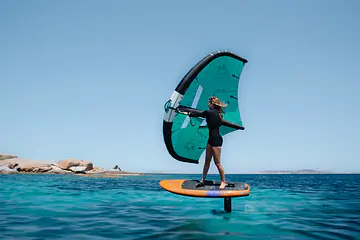
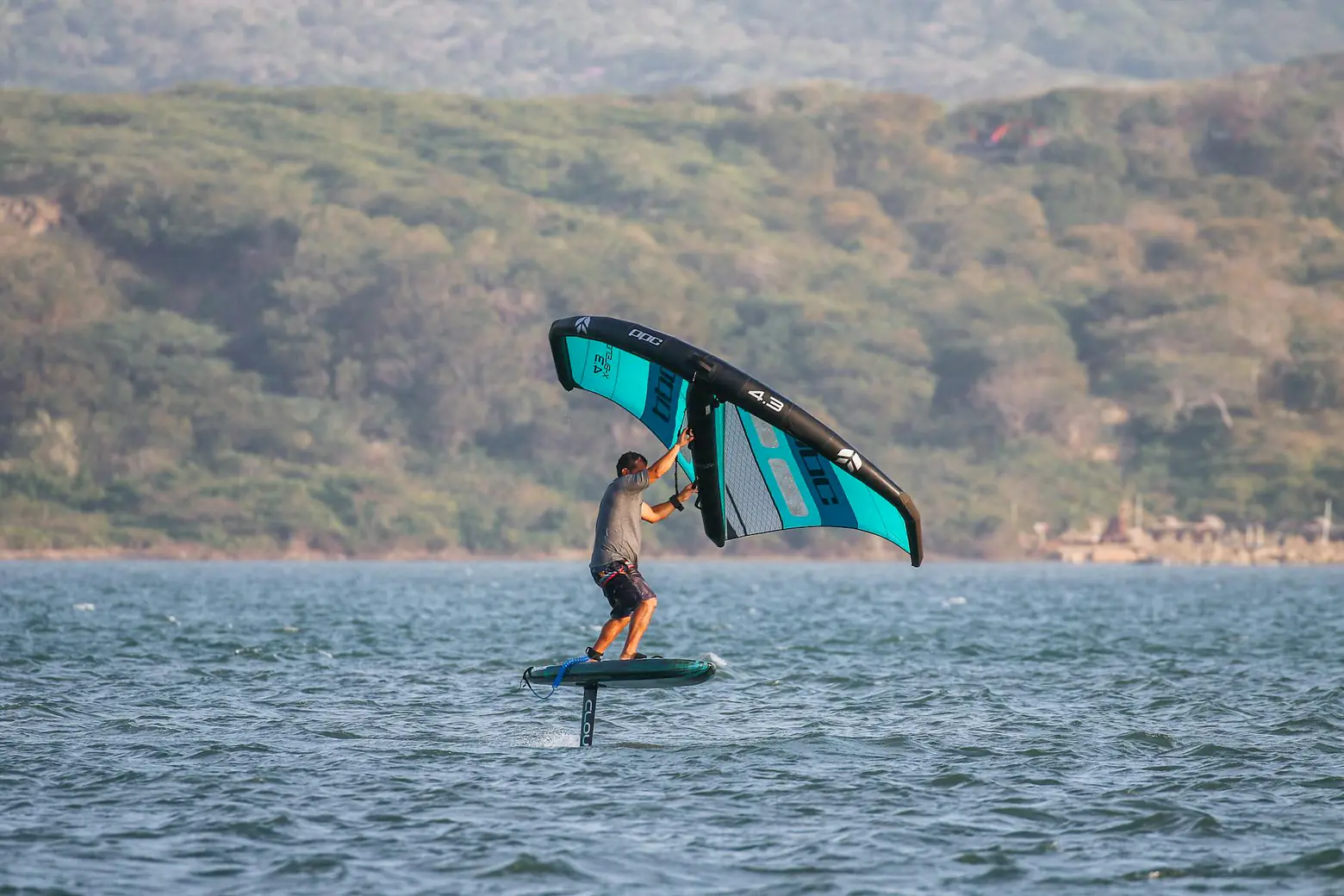
Here's the safety difference that matters: you're holding the wing in both hands. The instant wind picks up or you lose balance, you tilt the wing, dump angle, and kill power. No harness, no lines, no waiting for a de-power stroke. It's you and the wing—direct feedback.
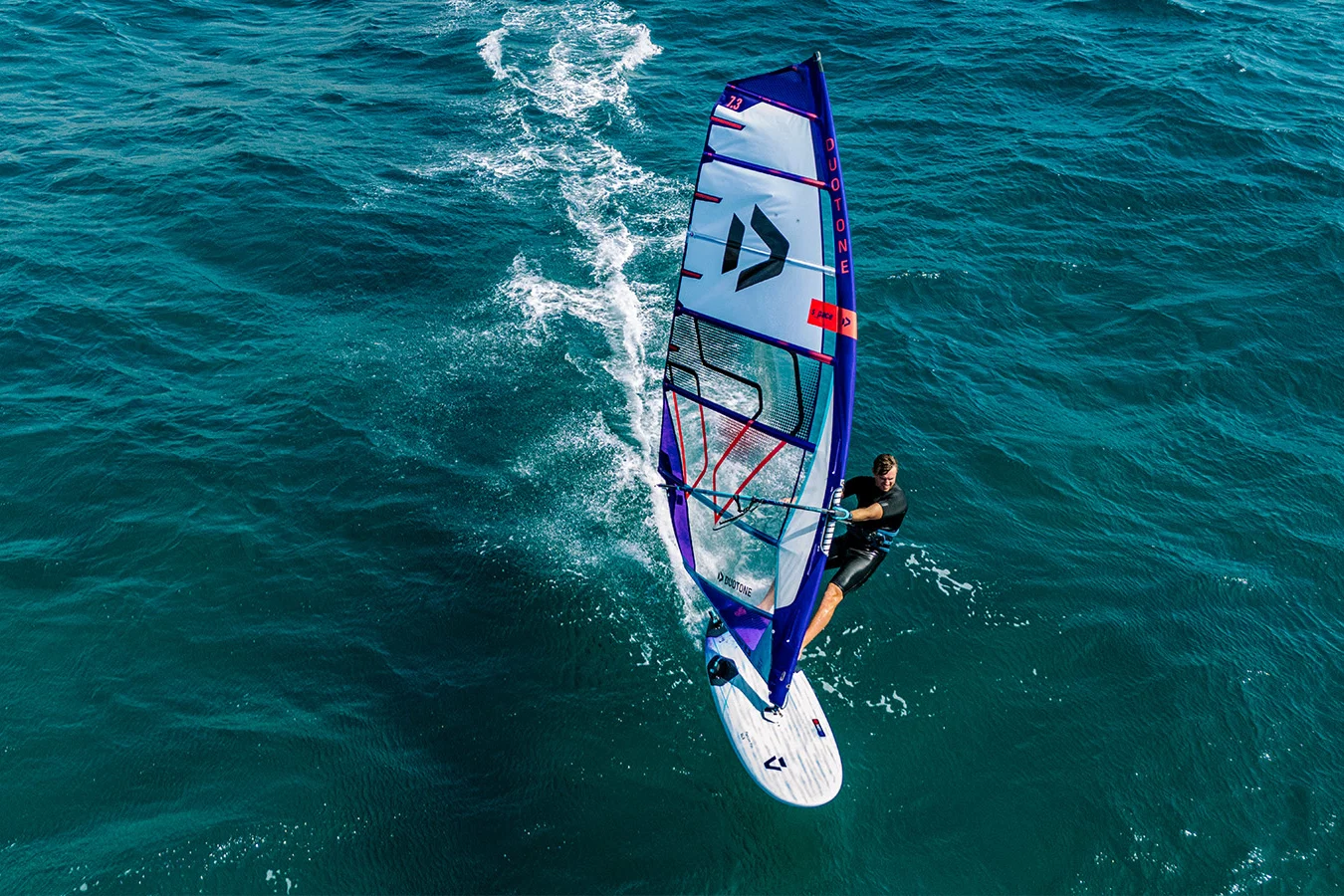
Kitesurfers can't do that. A kite gust hits, the harness loads, and you're along for the ride until the line tension drops. Windsurfers are locked to their boom. Wing foilers? You just let go or angle the wing flat. That's why riders starting at 12 knots in manageable swell report fewer shocking crashes than their kite-learning mates.
02 — What Actually HurtsThe Real Risks—and How to Sidestep Them
Foil strikes are the main hazard. When you wipe out and the board swings, the hydrofoil or mast can catch your legs, ribs, or arms. It's sharp, it moves fast, and shallow water makes it worse. Wear a PFD (impact vest rated for board sports), and keep distance between yourself and the board after a fall.
Shallow-water ego kills more beginners than wind does. You're stood in waist-deep, you feel invincible, you push into chop you're not ready for. Wipeout velocity in 4 feet of water is high. Respect where you start. Always learn with an instructor in a controlled zone. Progression—not kit—stops injury.
03 — Our picksOur 4 In-Stock Wing Picks
We've stocked wing foils since early adoption. These four have proven tough for learning and safe because they're predictable. Pick by wind window and your weight—not by price alone.


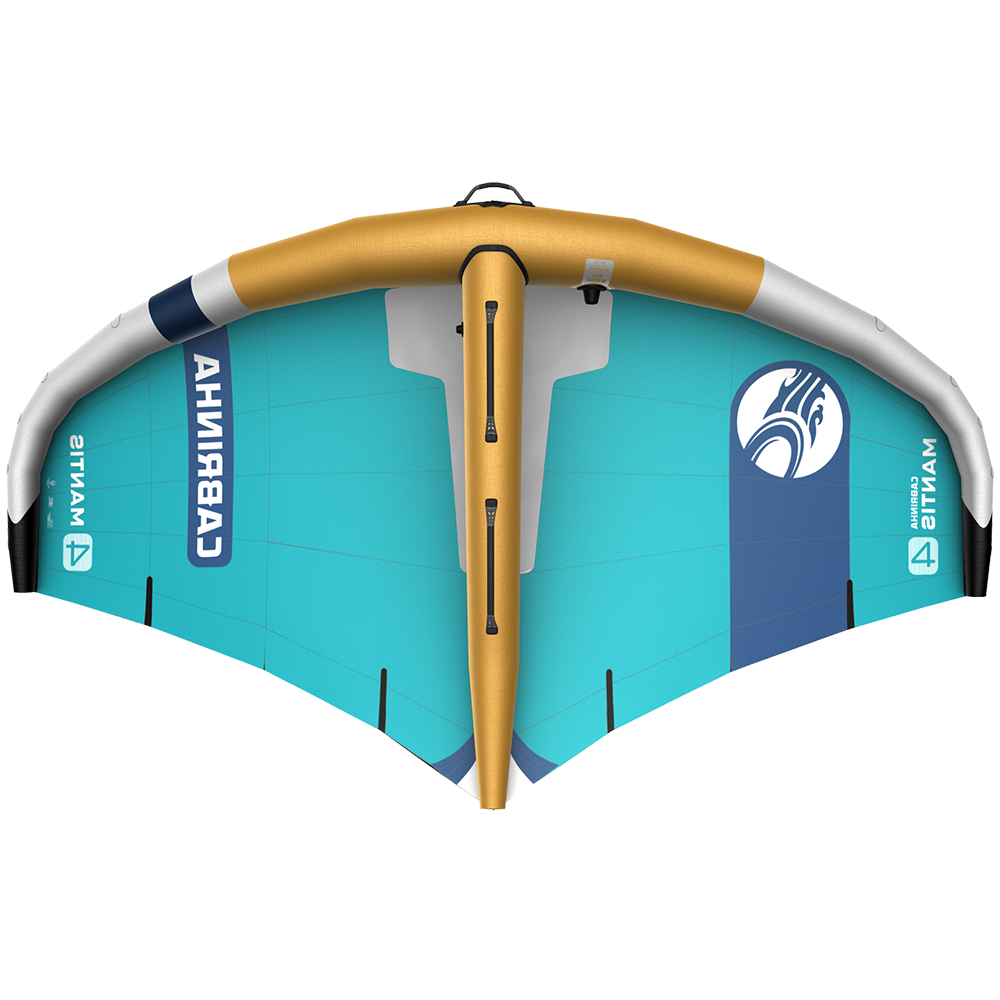
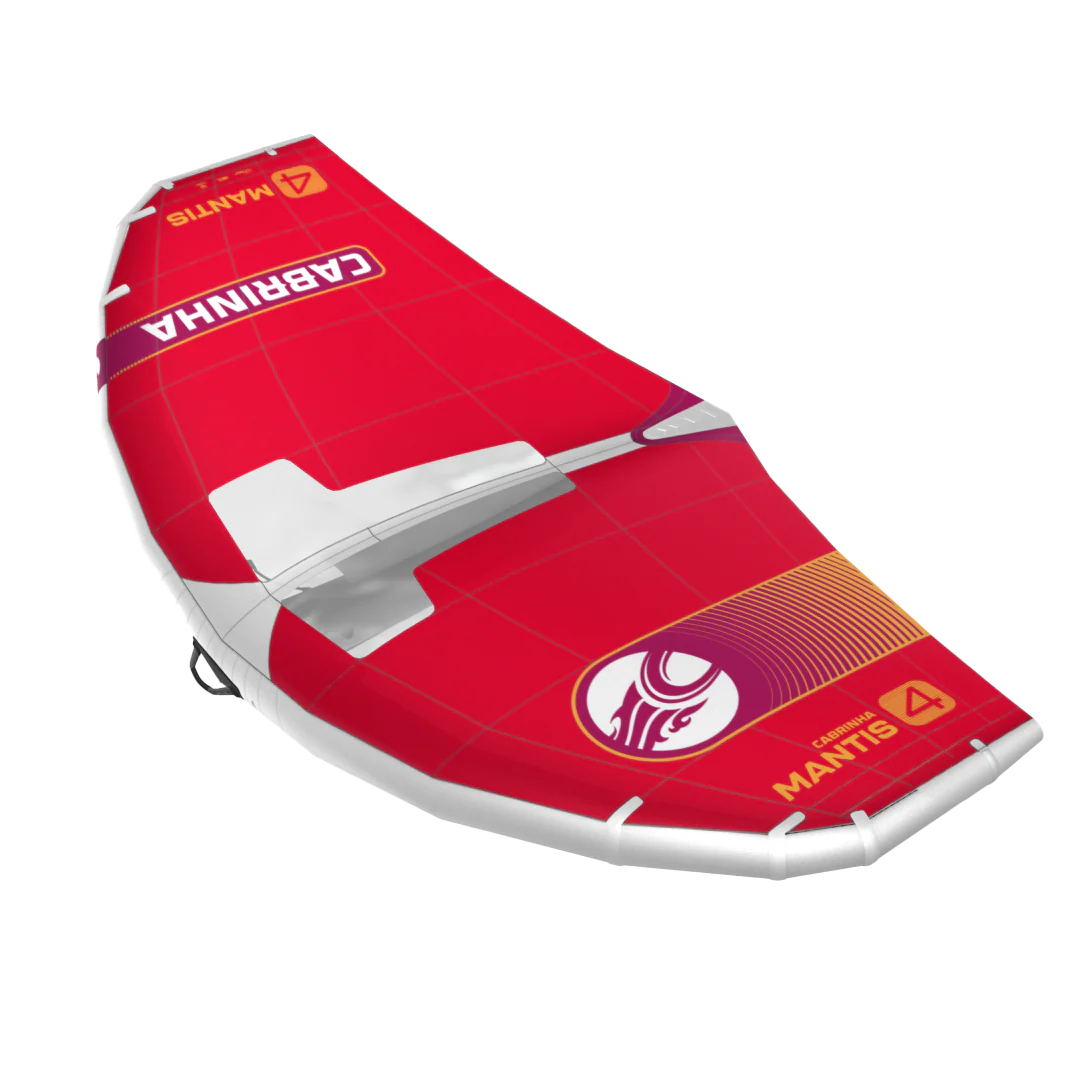
Prices and 2026 specs are pulled live from each product page. Confirm on the product page before checkout.
04 — MistakesThree mistakes we see every week
Ready to Start Safe?
Browse our wing foils, boards, and foils on the Wing Foil category page—all tested by our team.
Frequently asked
Not for your first session. Take a lesson. After that, yes—but tell someone where you're going and check wind forecasts. Don't push into wind or swell you're unsure of.
A 5 m² wing is the safest starting point for riders 60–85 kg in 12–18 knots. It's large enough to generate lift, small enough to control and depower fast. Check our product pages for wing specs and weight ranges.
A helmet doesn't stop foil strikes—an impact vest does. But if you're learning in shorebreak or crowded beach, wear a watersports helmet. Head impact is rare in flat water, but it happens.
Yes, for beginners. Direct hand control means instant power dump. But both are water sports—respect wind, shallow water, and progression. Injury rates drop when you do.