Windsurfing in Strong Wind (25–30 Knots) — Expert Tips
25–30 knots isn't just stronger wind — it's a different game. Your board choice, sail size, and technique all shift. We'll show you exactly what works when the water gets lumpy and gusts don't forgive mistakes.
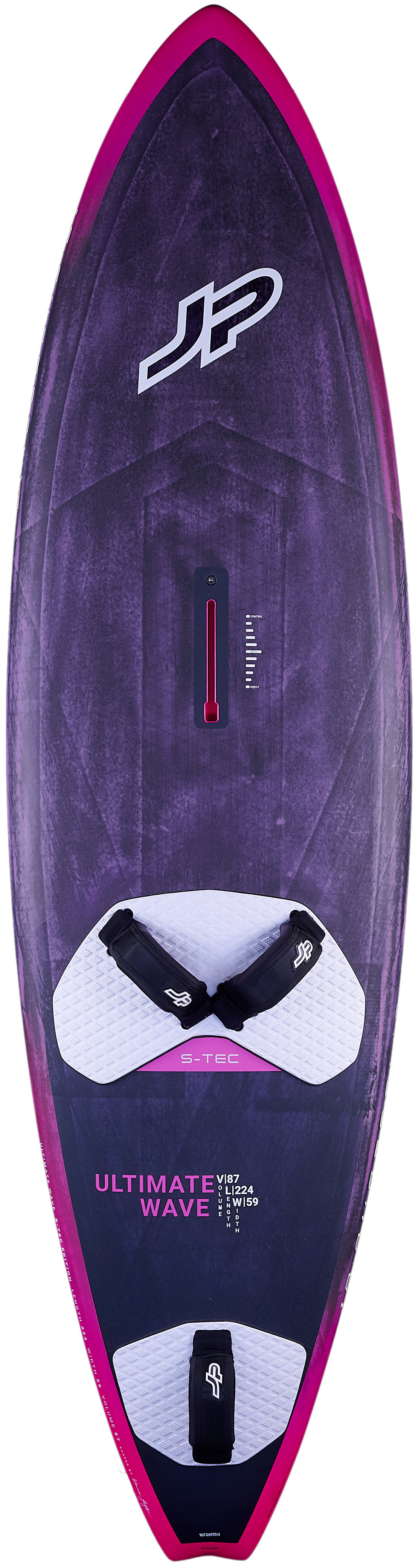
You need smaller sails (3.5–4.5 m²), stiff wave or freeride boards (70–85 L), and locked-in waterstarts and gybes. The real skill is de-powering through your legs and reading chop before it punishes you. Boards like the JP Ultimate Wave S-TEC are built for this exact wind range.
01 — The ChallengeWhat Makes 25–30 Knots Fundamentally Different
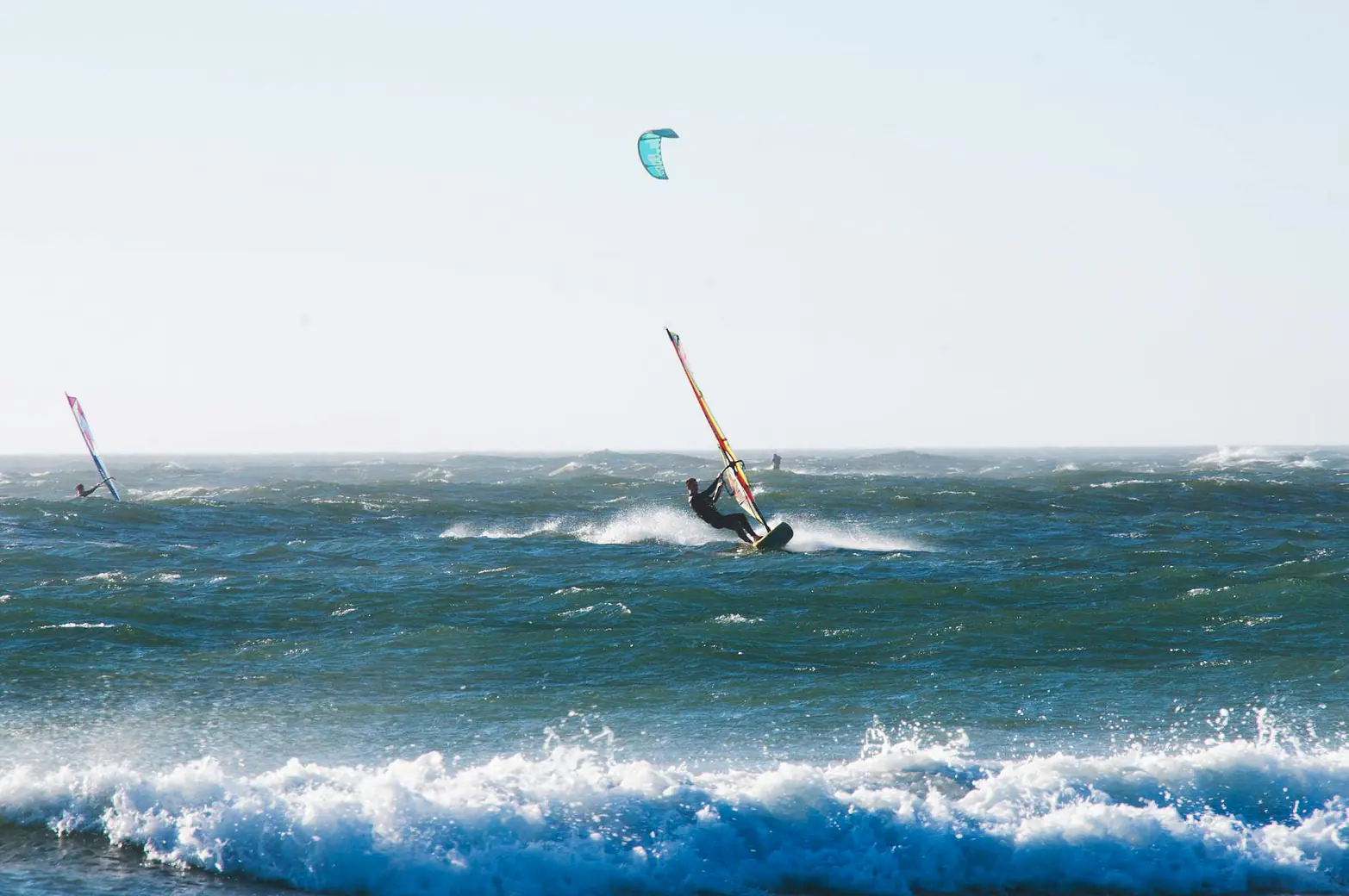
This wind range isn't just stronger than 18–22 knots — it's a different discipline. The water gets lumpy fast, gusts arrive without warning, and one sloppy gybe costs you twenty metres of swim. Your arms fatigue quicker. Your board wants to submarine under the chop.
Recovery time between mistakes shrinks to almost nothing. If you fall, you're swimming in heavy chop, fighting to get the sail up in a gust. That's why board choice and technique aren't suggestions — they're survival. You'll spend most of your session edge-to-edge, not cruising.
02 — Gear StrategySail and Board Setup for Maximum Control
Drop your sail size to 3.5–4.5 m². A 5.0 m² will have you over-powered and fighting depower all day — your legs will quit before your hands do. Smaller sails let you stay in the pocket longer and recover faster from mistakes. Pair that with a wave board or small freeride board in the 70–85 L range. These keep your board responsive, not sluggish, when chop builds.
Stiffness matters more than volume here. A floppy board will fold under your feet when you carve. JP's S-TEC construction and Tabou's boards are built for this — they hold their shape when the water gets aggressive. Thinner rails help too: you'll lock in your edge better in rough chop.
03 — Our picksOur 4 In-Stock Picks for Strong Wind
These are the boards we see working best in 25–30 knots. All are stiff, responsive, and designed for control over volume. Pick based on your usual riding style: wave, freestyle, or all-around.
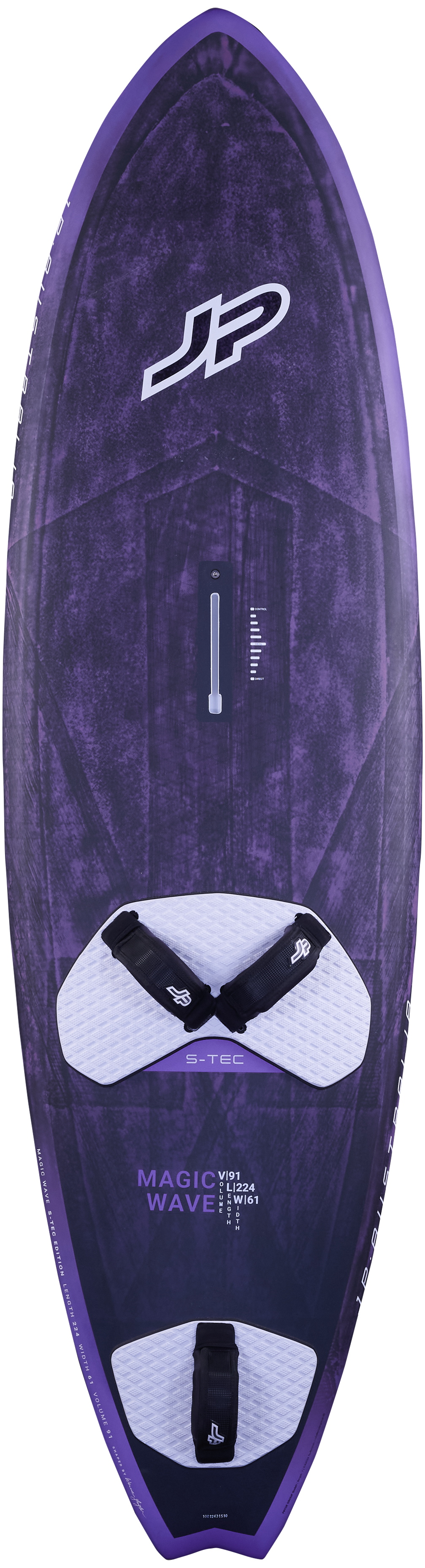
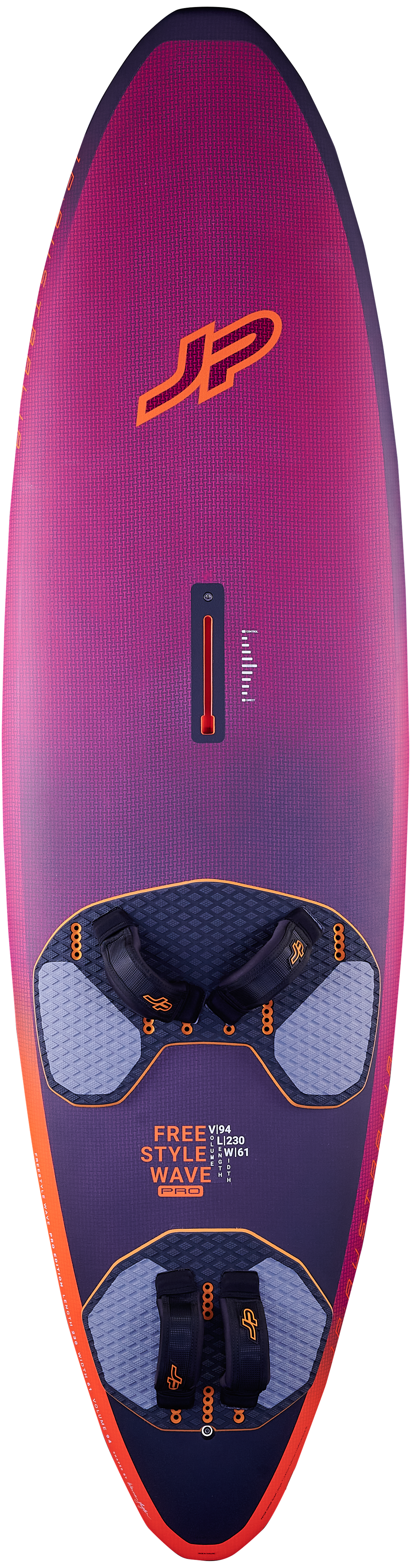
Prices and 2026 specs are pulled live from each product page. Confirm on the product page before checkout.
04 — MistakesThree mistakes we see every week
Ready to dial in your strong-wind setup?
Check our windsurf board range — sorted by volume, construction, and intended conditions.
Frequently asked
Start with 3.5–4.5 m². If you're under 70 kg, try 3.5 m² first. Over 80 kg, 4.5 m² is more comfortable. You'll always have one in your quiver at this wind speed.
Wave boards are narrower, stiffer, and more responsive — ideal if you're riding chop and waves together. Freeride boards offer a bit more float and are friendlier for flat-water blasting. Both work; pick based on your spot.
No. Beginner boards are soft and floaty — they bounce in chop and fold under carving pressure. Drop to 70–85 L with a stiff construction instead.
Master your waterstart and gybe first — flat water, lighter wind. Read chop with your eyes before you hit it. De-power through your legs, not your arms. Practice edge control and timing. That's 90% of strong-wind survival.