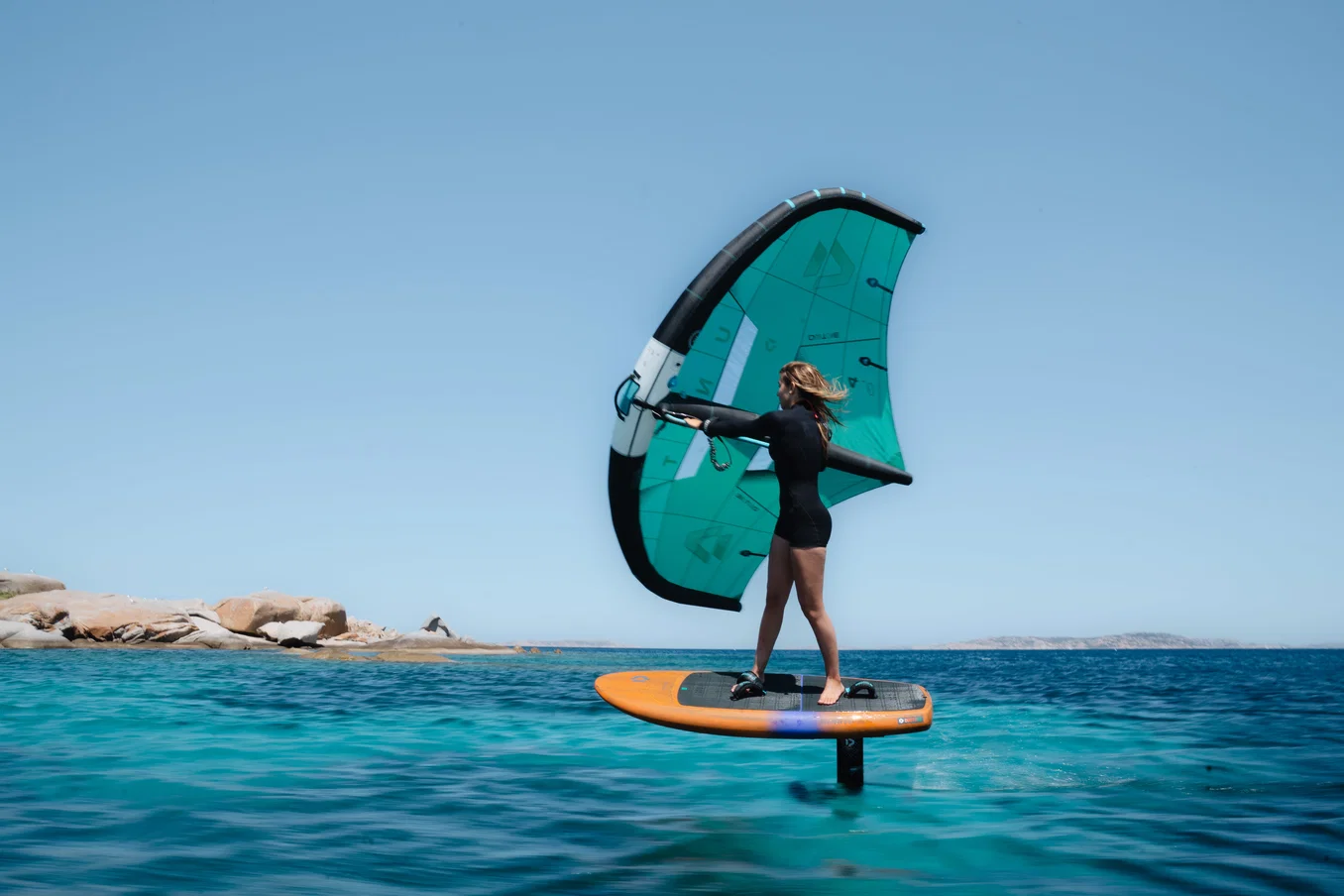
Windsurfing Kos — Marmari Spot Guide 2026
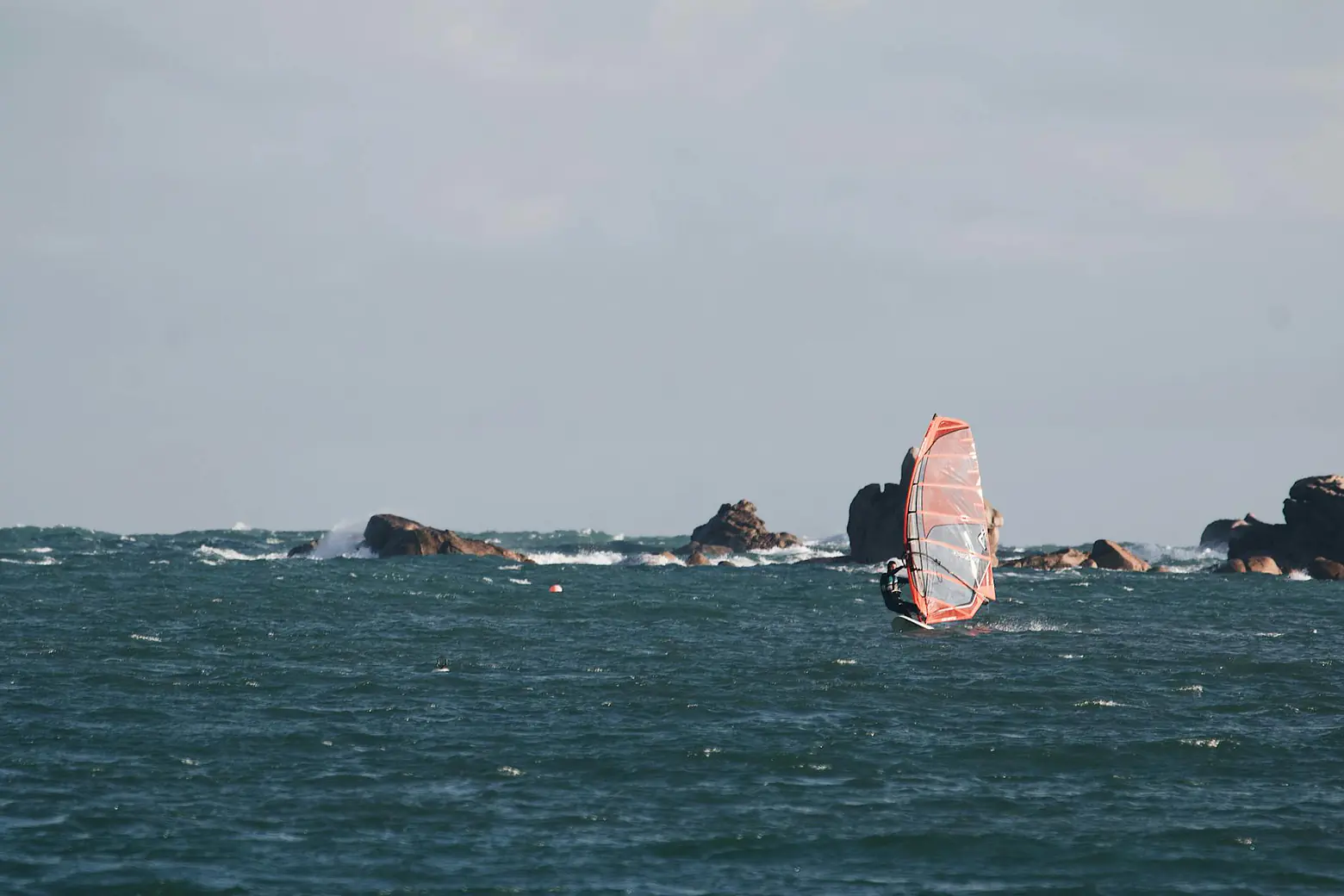
Marmari Bay on Kos delivers thermal wind like clockwork—12–22 knots daily, May through October, with flat water and zero swell. We've sent dozens of riders there and they all come back asking the same question: why don't more people know about this spot? Here's what you need to bring and how to make the most of it.
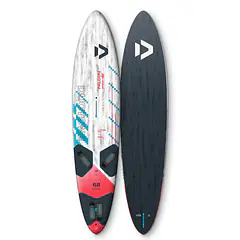
Thermal wind builds predictably 11 a.m. to 3 p.m., peaking 12–22 knots in season. Pack a mid-sized freeride board (120–160 L) and sails in the 4.5–6.5 m² range. The bay stays flat and shallow—perfect for foiling, freestyle, and wave boards like the JP Ultimate Wave S-TEC 2026 when you want to mix it up.
01 — Wind PatternThermal Consistency: Why Marmari Works Year-Round
Thermal wind is Marmari's backbone. As the Kos landmass heats through the morning, it pulls cool air in from the Aegean, building steadily until mid-afternoon. You'll see the pattern every single day May through October—no surprise squalls, no dead gaps. The bay itself is your biggest ally: shallow enough to stay glassy, deep enough to move freely.
We've shipped gear to riders in Tarifa, Cape Town, and Maui, and they all tell us the same thing—consistent, predictable wind is rarer than you think. Marmari delivers it. No need to chase swell forecasts or wait for a frontal system. Show up at 11 a.m., you'll have wind by noon.
02 — Gear SelectionBoard and Sail Strategy for Marmari
Flat water and thermal consistency mean you can focus on your technique instead of fighting chop. A 120–160 L freeride board is your workhorse—stable enough for learning, responsive enough for progression. Pair it with sails in the 4.5–6.5 m² range. Light wind mornings call for a 5.5 or 6.5 m²; by 2 p.m., drop to 4.5 m² or smaller if gusts spike.
If you want to add wave riding to the mix without buying another quiver, the JP Ultimate Wave S-TEC 2026 or JP Magic Wave S-TEC 2026 give you that playful, shorter board feel without sacrificing stability in light chop. Both float well enough for foiling days and carve tight enough for freestyle attempts.
03 — Our picksOur 4 In-Stock Picks for Marmari
We've picked four boards that work the Marmari thermal window—whether you're building your first quiver or adding a wave option to your freeride setup. All four keep you progressing without overthinking.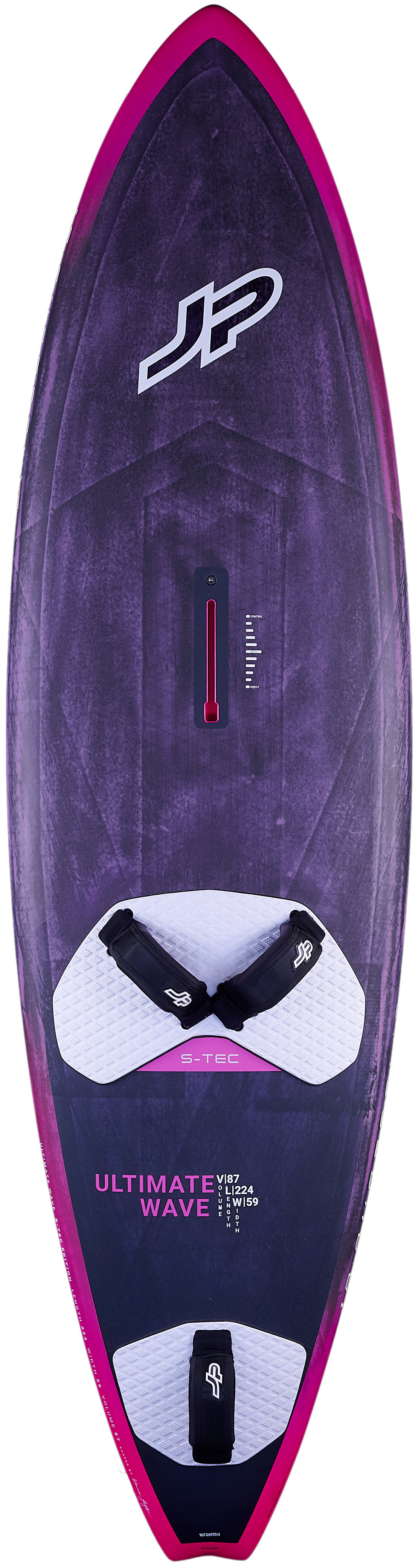
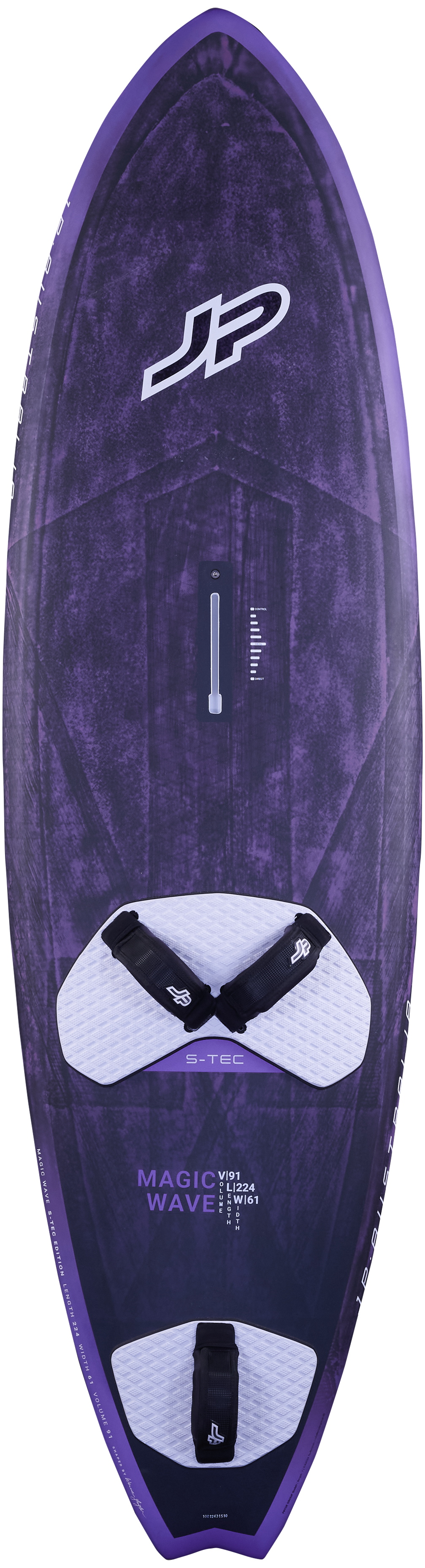
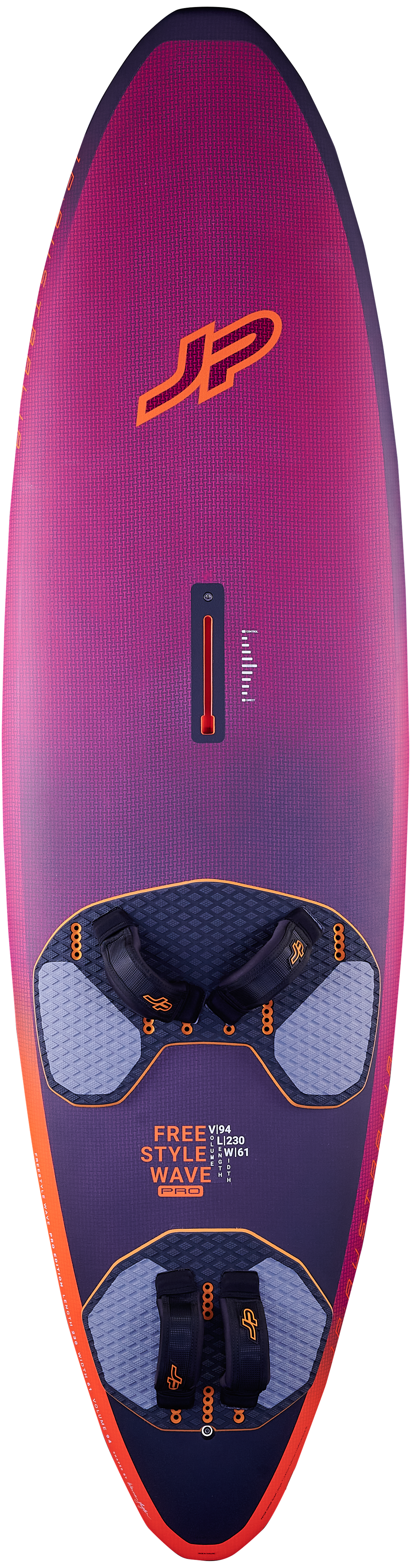
Prices and 2026 specs are pulled live from each product page. Confirm on the product page before checkout.
04 — MistakesThree mistakes we see every week
Ready to dial in your Marmari quiver?
Browse our full range of JP Australia and Tabou boards and sails—all in stock and ready to ship across Europe.
Frequently asked
May through October. Thermal wind is most reliable then, peaking 12–22 knots daily. Winter is hit-or-miss.
Absolutely. The flat, shallow bay and steady 12–22 knot wind make it perfect for foiling progression. A 120–140 L board with a 5.5 m² sail is ideal.
Yes, if you're intermediate. Thermal wind is predictable and the bay is shallow, but 12–22 knots is still active for learning. Come with solid water time and good balance.
Pack a 5.5 m² and a 4.5 m². Light mornings suit 5.5 m²; afternoon gusts are best with 4.5 m². A 6.5 m² can work if wind is weak, but you'll rarely need it.