Windsurfing in Choppy Water — Tips for Rough Conditions
Choppy water demands respect—but with the right technique and gear, you'll master it. We'll walk you through stance, board choice, and how to stay planted when every chop tries to knock you sideways.
Master bent knees, low centre of gravity, and active footwork to absorb constant impacts. Pick a 75–100 litre freewave board that balances manoeuvrability with float, and size your sail down so you can stay in control. We've watched riders from the Baltic to the North Sea nail this—it's not magic, just technique and the right kit.
01 — Body PositionMaster Your Stance in Rough Water
Flat water lets you get lazy. Choppy water won't. Your knees must stay bent at all times—think 15–20 degrees, not stiff legs. This flex acts as a shock absorber when the board pitches over a crest or drops into a trough.
Keep your weight centred over the board's sweet spot. Shift your weight forward when you nose-dive risk, back when the tail starts to slip. Move your feet constantly—don't plant them. Active footwork absorbs the constant micro-adjustments choppy conditions demand. Your upper body stays quiet while your legs do the work.
02 — Equipment FitPick the Right Board and Sail Size
Board volume matters more in rough conditions than flat days. A 75–100 litre freewave board keeps you afloat without feeling sluggish, and the smaller footprint gives you the manoeuvrability to carve between chops. Don't overbuy volume—you'll feel sluggish and heavy when the water gets angry.
Downsize your sail by 0.5 m² to 1 m² from what you'd use in smooth conditions. A 4.5 m² instead of your usual 5.5 m² gives you control without forcing you to oversheet. Less power means you stay centred and can react faster to the shifting water. Overpowered sailors get tossed; undersized sailors stay in the game.
03 — Our picksOur 4 In-Stock Picks
These JP Australia boards are built for exactly this fight. Each one handles chop differently—wave-specific or freestyle-leaning—so pick based on your style and local conditions.
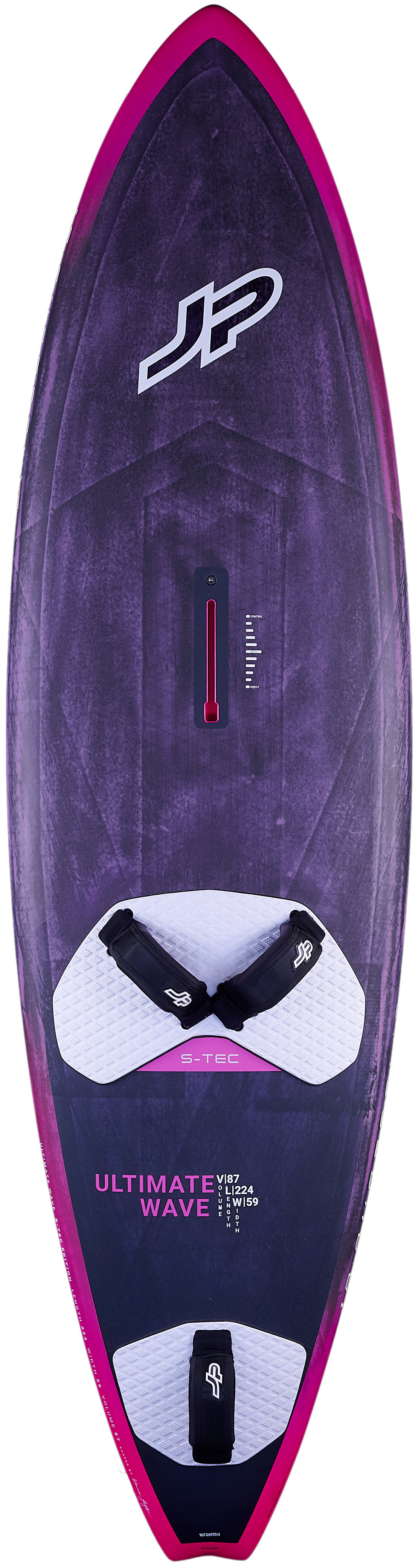
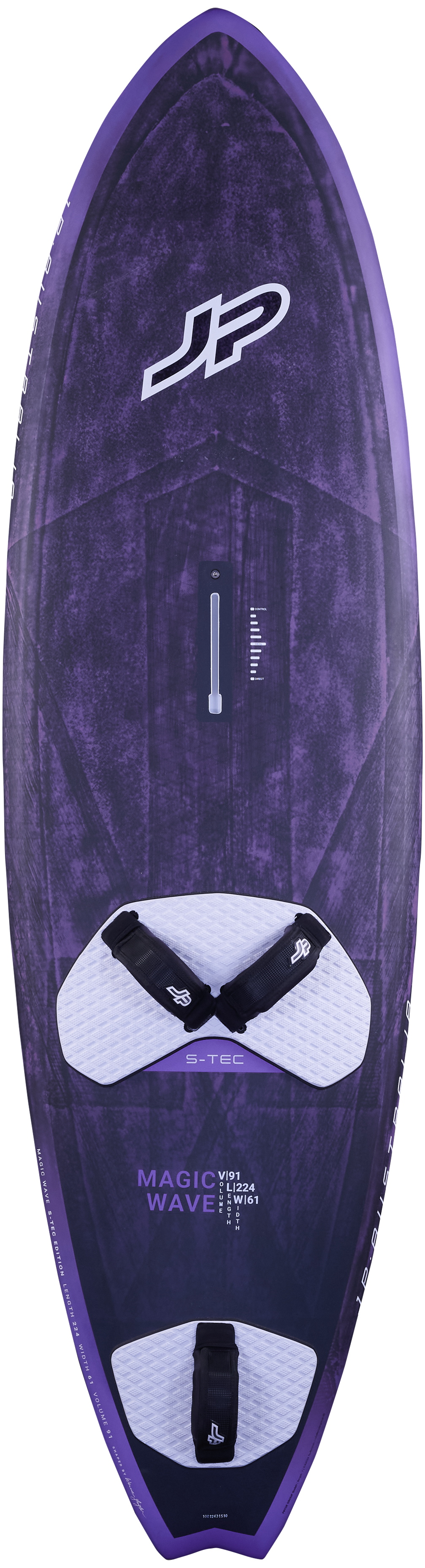
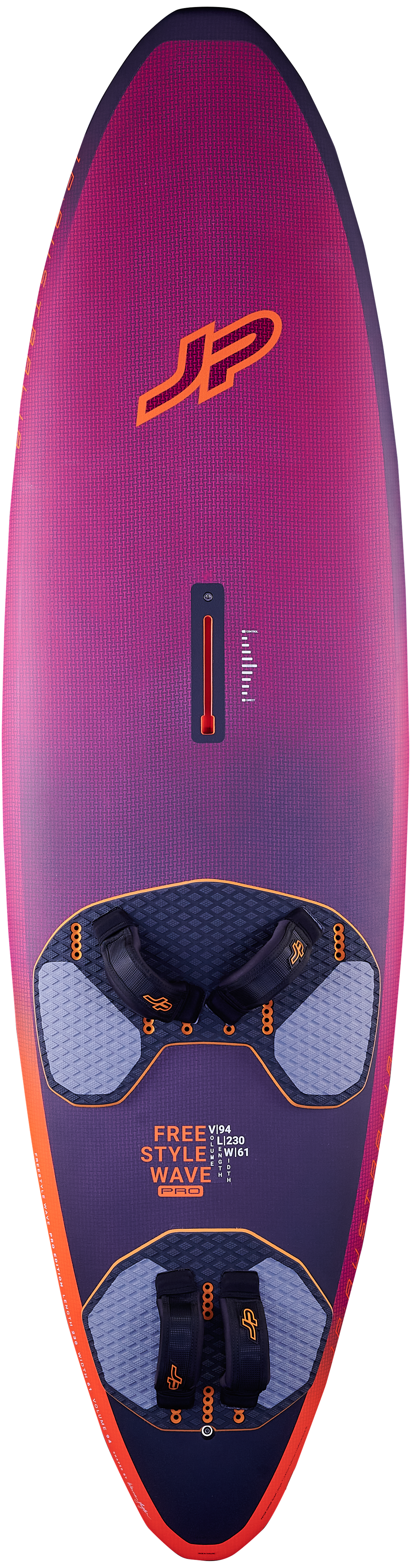
Prices and 2026 specs are pulled live from each product page. Confirm on the product page before checkout.
04 — MistakesThree mistakes we see every week
Ready to tame the chop?
Browse our full windsurf board range—JP Australia, Tabou, Fanatic—all in stock and ready to ship.
Frequently asked
75–100 litres balances manoeuvrability and float. Anything bigger gets sluggish; anything smaller risks you swimming.
Yes. Drop 0.5–1 m² from your usual size. Control beats power when chop's throwing the board around.
Bent knees, active footwork, and weight management. Move constantly—don't plant your feet or lock your legs.
Freeride boards are too big and soft for chop. Wave boards (75–90 L) respond faster and feel more planted.