Windsurf Sail Size Guide — Weight & Wind Chart
Sail size isn't mystery—it's math. Your weight, the wind speed, and your skill level are all you need. Get it right, and you'll plane early and stay in control.
Sail size hinges on three things: body weight, wind speed, and skill level. Heavier riders need larger sails; stronger winds call for smaller ones. A typical 75 kg rider uses a 5.0–5.5 m² sail in 12–14 knots. Beginners usually go one size up for easier planing. We stock everything from the entry-level Neilpryde Atlas HD through to the race-focused Neilpryde Racing Evo XVI.
01 — FoundationThe Three Rules: Weight, Wind, Skill
Every sail size decision rests on three pillars. First: your weight. A 60 kg rider will plane earlier on a 4.5 m² sail than an 85 kg rider on the same sail—that's physics. Second: wind speed. Light wind (8–12 knots) demands bigger sails; strong wind (25–35 knots) means you'll shrink down to 4.5 m² or smaller. Third: skill. Beginners need extra volume to get going; experienced riders dial in precision with smaller, more responsive sails.
Most riders build a quiver of three sails: a light-wind sail (5.5–6.5 m²), an all-around middle sail (4.5–5.5 m²), and a heavy-air weapon (3.5–4.5 m²). You won't use all three every session, but you'll be ready when the wind shifts.
02 — Quick referenceWeight and Wind Chart — Find Your Size
Use this as your starting point. If you weigh 50–65 kg in 12–14 knots, a 4.5–5.0 m² sail is your baseline. Weighing 75–90 kg? Go 5.5–6.5 m². Heavier (100+ kg, though rare in our shop) might start at 6.5–7.5 m². These are averages—your height, fitness, and stance all tweak the math slightly, but this gets you 90% there.
Light wind (8–11 knots) means add 1–2 m² to your baseline. Heavy air (25+ knots) means drop 1–2 m². So if your go-to is 5.5 m² at 14 knots, you're looking at a 7.0 m² for 9 knots, or a 4.0 m² for 28 knots. This is why quivers exist—one sail won't cover everything.
03 — Our picksOur Four In-Stock Picks
We've chosen four sails that cover most riders and conditions. Pick by your skill level and budget—not by brand loyalty or what looked good last month.
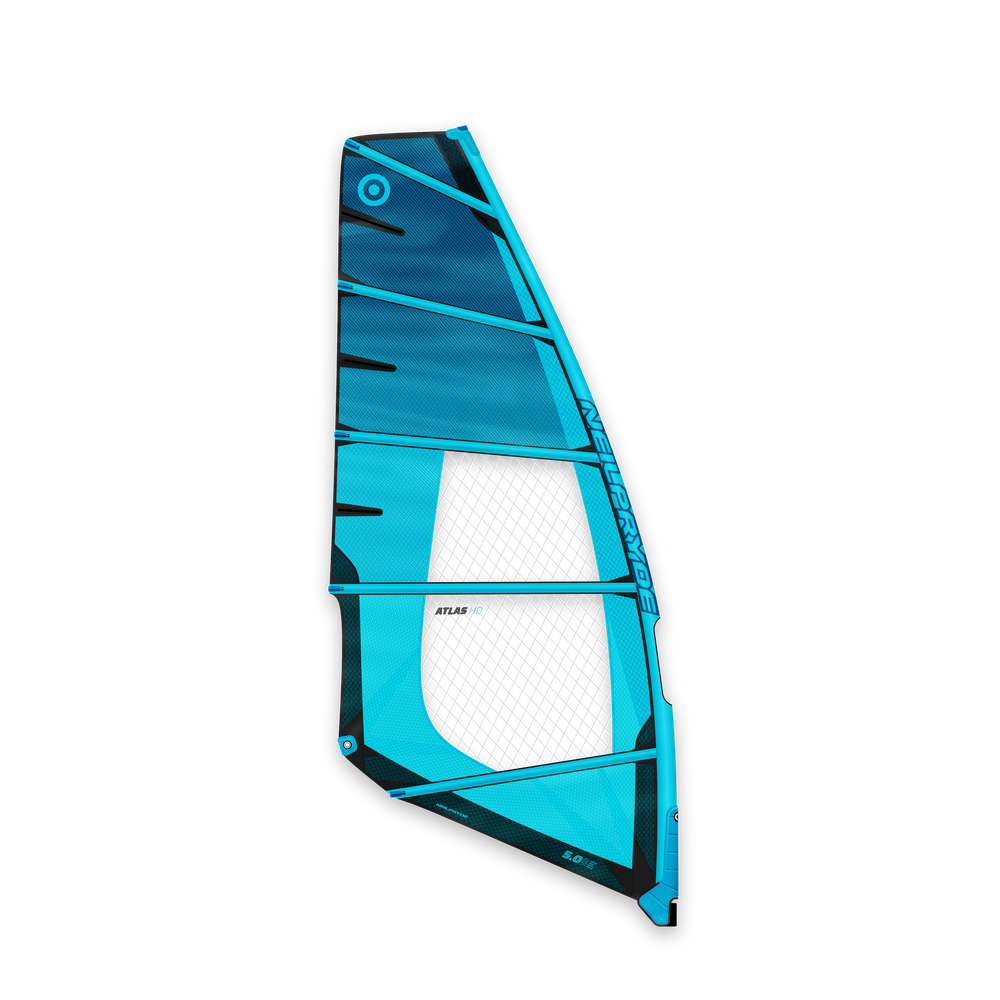
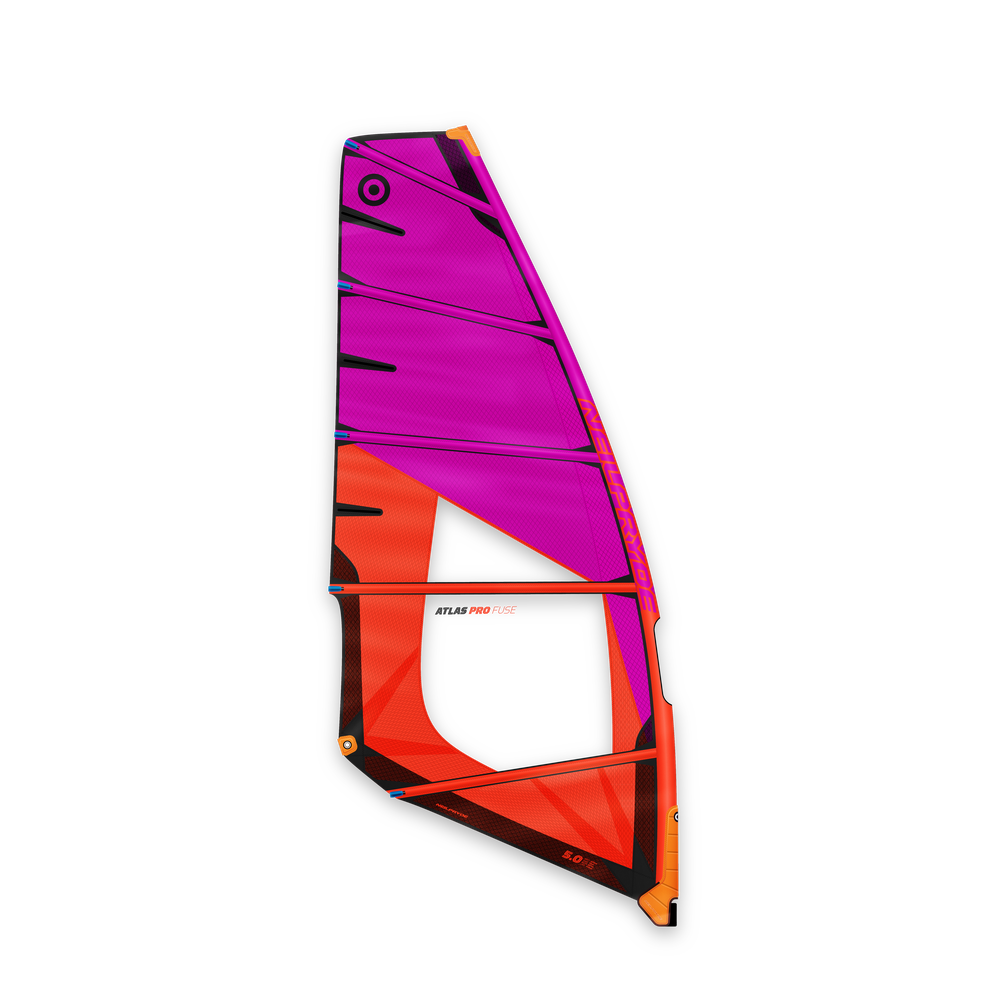
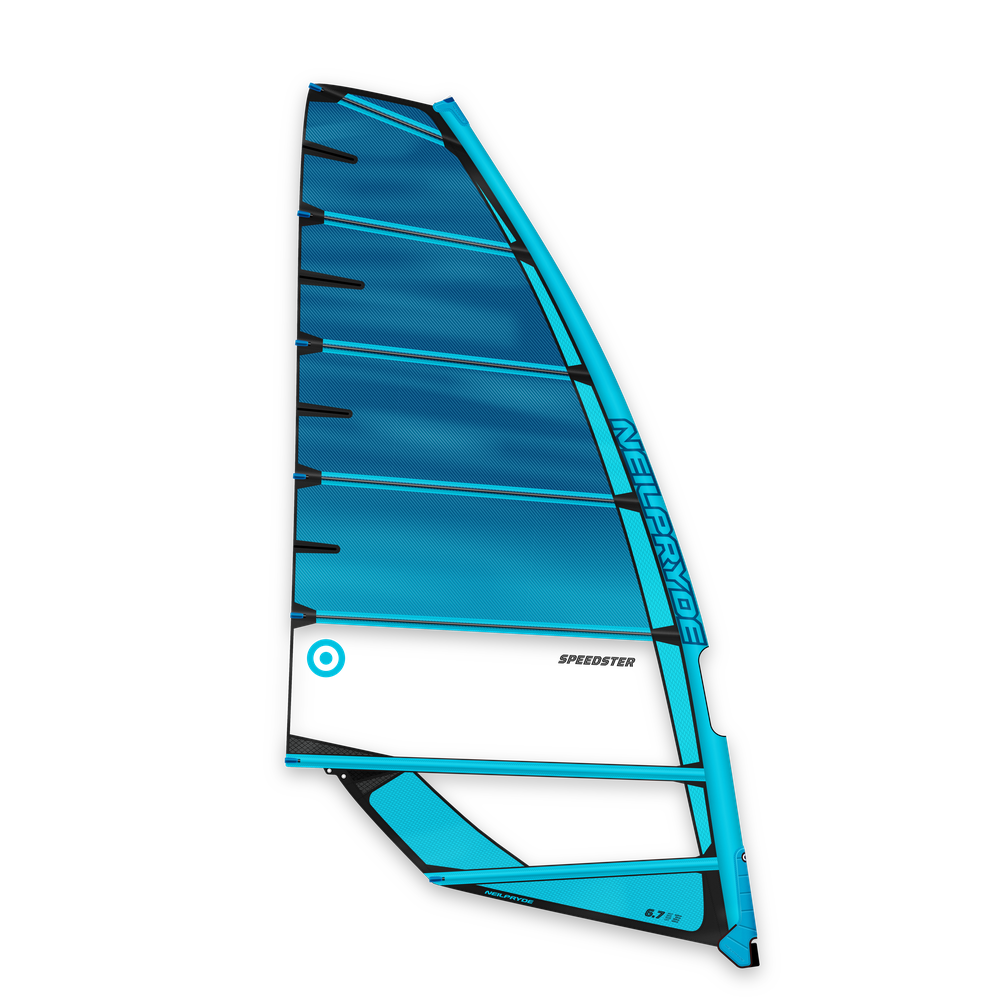
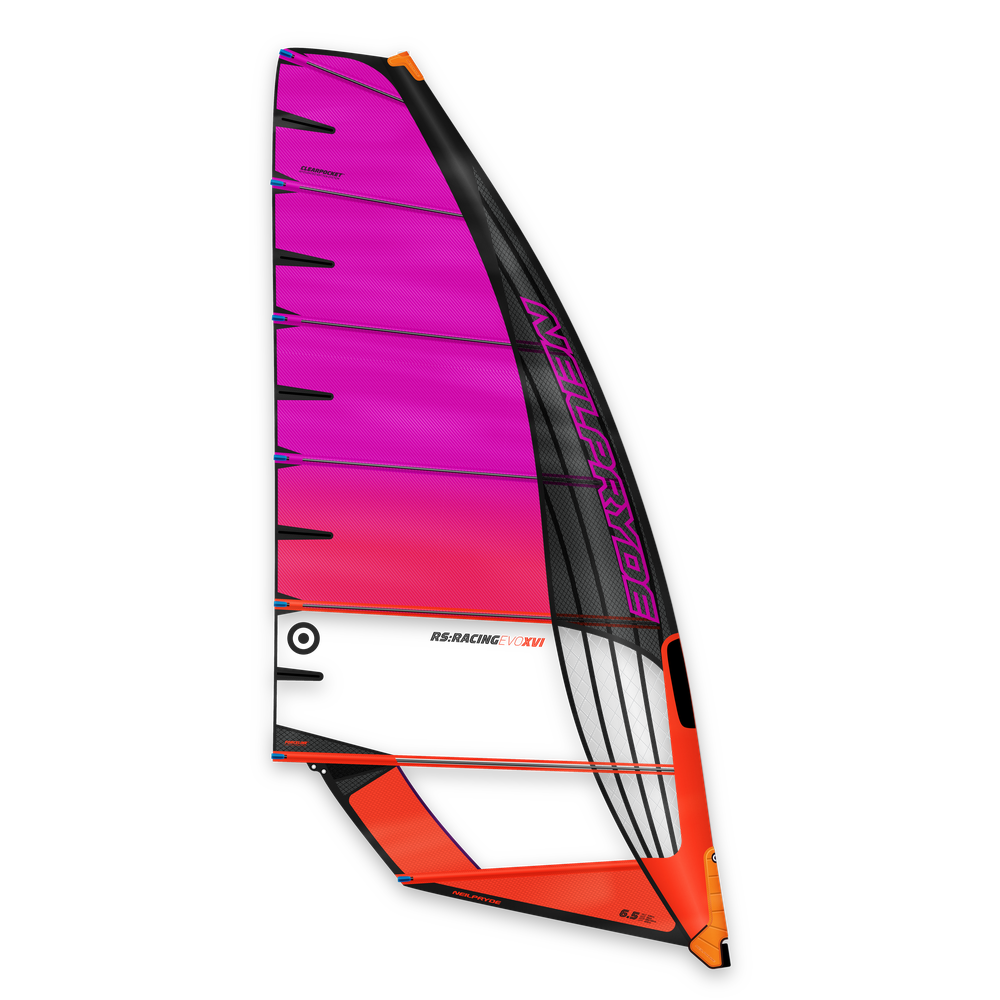
Prices and 2026 specs are pulled live from each product page. Confirm on the product page before checkout.
04 — MistakesThree mistakes we see every week
Ready to find your sail?
Browse our full windsurf sail range and let our buyers help you pick the right size for your weight and local conditions.
Frequently asked
Beginners typically go one size up from the wind-chart baseline—so if the chart says 5.0 m², start with 5.5 or 6.0 m² for easier planing and forgiveness.
Not comfortably. In 10 knots you'll struggle to plane; in 20 knots you'll overshoot and fight the sail. A 2–3 m² quiver gap covers most days.
Hugely. A larger board floats you easier and lets you use a bigger sail in light wind. Smaller, lighter boards work better with slightly smaller sails. Match both.
Tech improves each year, but a solid 2024 or 2025 sail from Neilpryde or Gaastra will serve you well. We stock 2025 models—focus on sail size and fit first, year second.