What's the Best Beginner Windsurf Board? — 2026 Guide
You don't need a race board or a pure wave stick to learn windsurfing. The best beginner board is one with enough float to keep you going in light wind, a stable wide outline, and forgiving flex—so you can actually feel progress instead of sinking boards and getting frustrated.
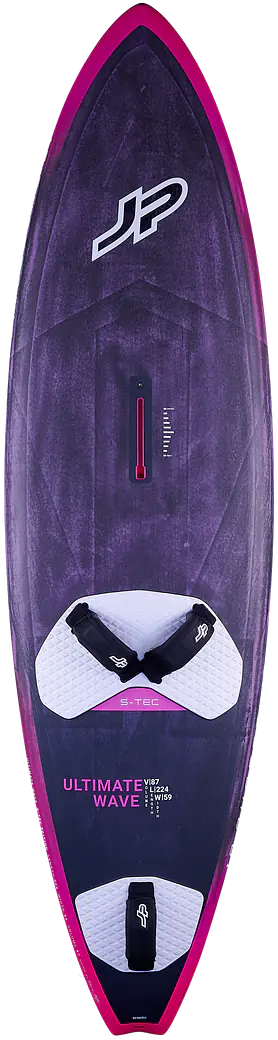
Pick a freewave or entry-level wave board with 120–150 litres of volume, a wide rounded outline, and soft flex. We stock JP Australia's beginner-friendly range, and riders starting out consistently tell us the JP Magic Wave S-TEC feels like the board that finally clicks.
01 — BuoyancyVolume Is the Foundation
Start with 120–150 litres. If you're heavier or taller, aim for 140–150; lighter riders, 110–130. That float keeps you upright in light wind so you can actually practise without needing storm conditions just to stay on.
Too little volume and you'll sink the board every time the wind drops. Too much and it becomes hard to sink and control—especially when you're learning rail pressure and edge work. We've shipped beginner boards since 2003, and the sweet spot for most adults learning is right in that 130–145 L range.
02 — Stability & HandlingOutline Shape & Rail Behavior Matter More Than You'd Think
A wide, rounded outline (not pointy) gives you a bigger platform to balance on and forgives sloppy foot placement. Beginners don't need speed; they need stability. Avoid narrow wave boards until you can waterstart consistently.
Soft flex in the rails and tail absorbs chop and bad landings. Stiff boards punish every mistake. JP Australia's beginner range—the Magic Wave and Ultimate Wave series—are designed exactly for this: forgiving, wide, and playful enough that you'll actually want to sail them as you improve.
03 — Our picksOur 4 In-Stock Picks
Here's what we recommend for learning. Each one we've tested in real wind and across riders of different sizes and experience levels.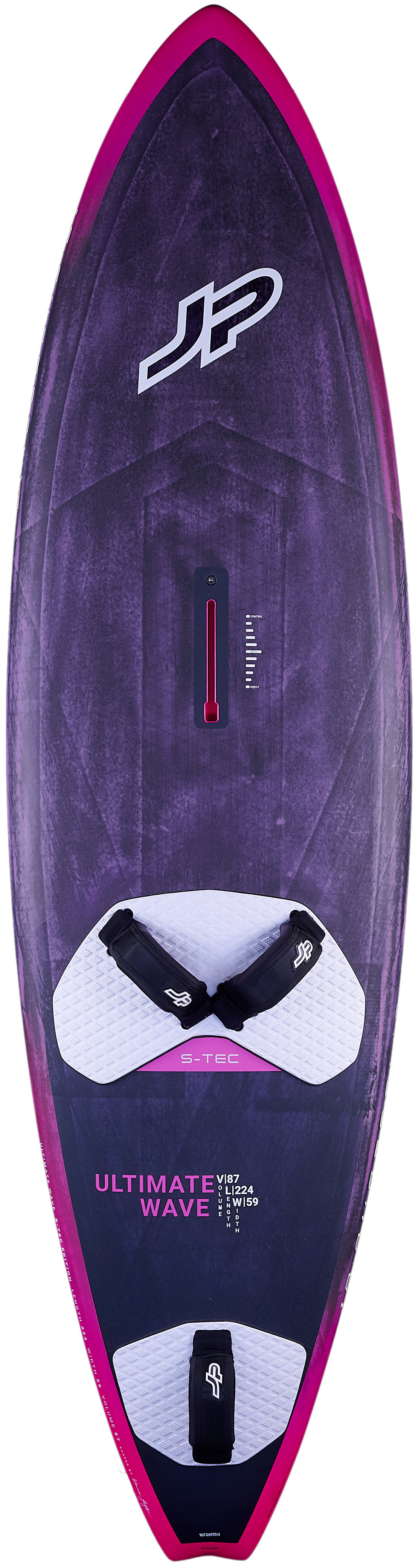
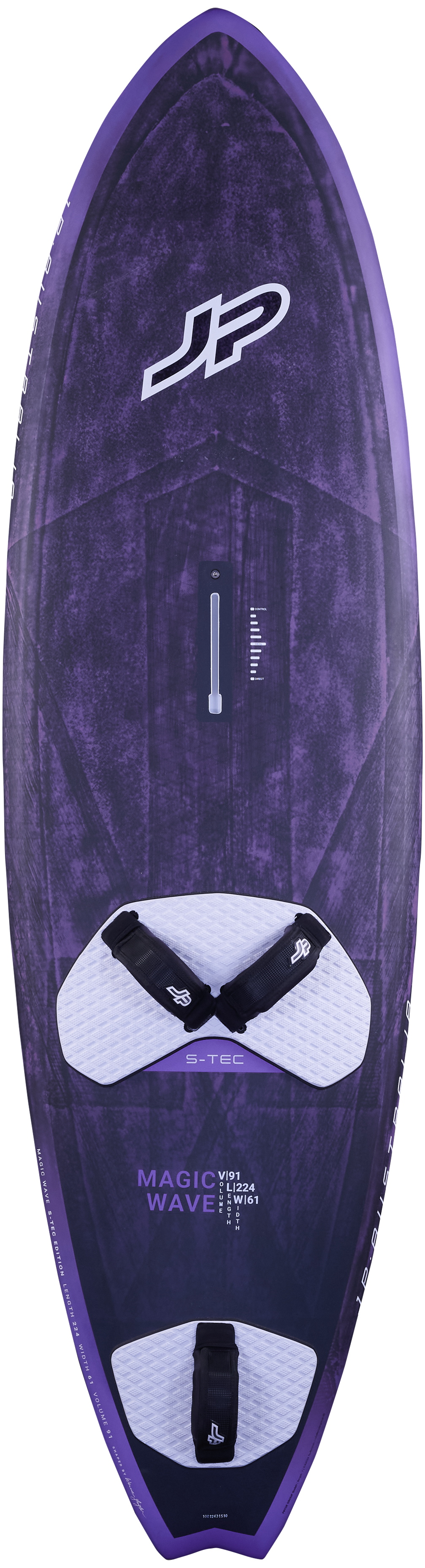
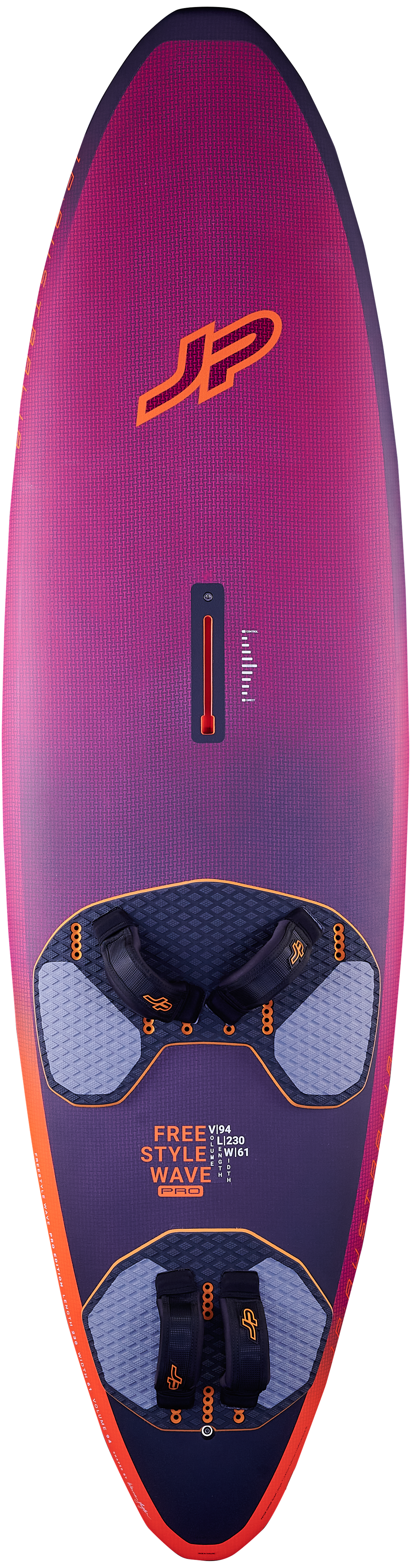
Prices and 2026 specs are pulled live from each product page. Confirm on the product page before checkout.
04 — MistakesThree mistakes we see every week
Ready to find your first board?
Browse our full windsurf board range and find the right volume and shape for your weight and local wind conditions.
Frequently asked
Aim for 140–150 L. That's enough float to keep you upright in 12-knot wind and light enough to control as your skills build.
No. Kite boards are much smaller and designed for a boom. A windsurf board gives you the stability and volume you need to learn sail control and footwork.
If the board hasn't been repaired and the rails are clean, yes—buy used. But check for soft spots and delamination first. A damaged board won't float right.
Start with a 4.5 or 5.0 m² sail. Pair it with 140–150 L and you'll sail in 12–20 knots comfortably while you nail the basics.