How to Waterstart Kitesurfing — Step-by-Step for Beginners
A waterstart is how you launch yourself from deep water using your kite's power—no more body-dragging back to shore. Master this one skill and the ocean opens up.
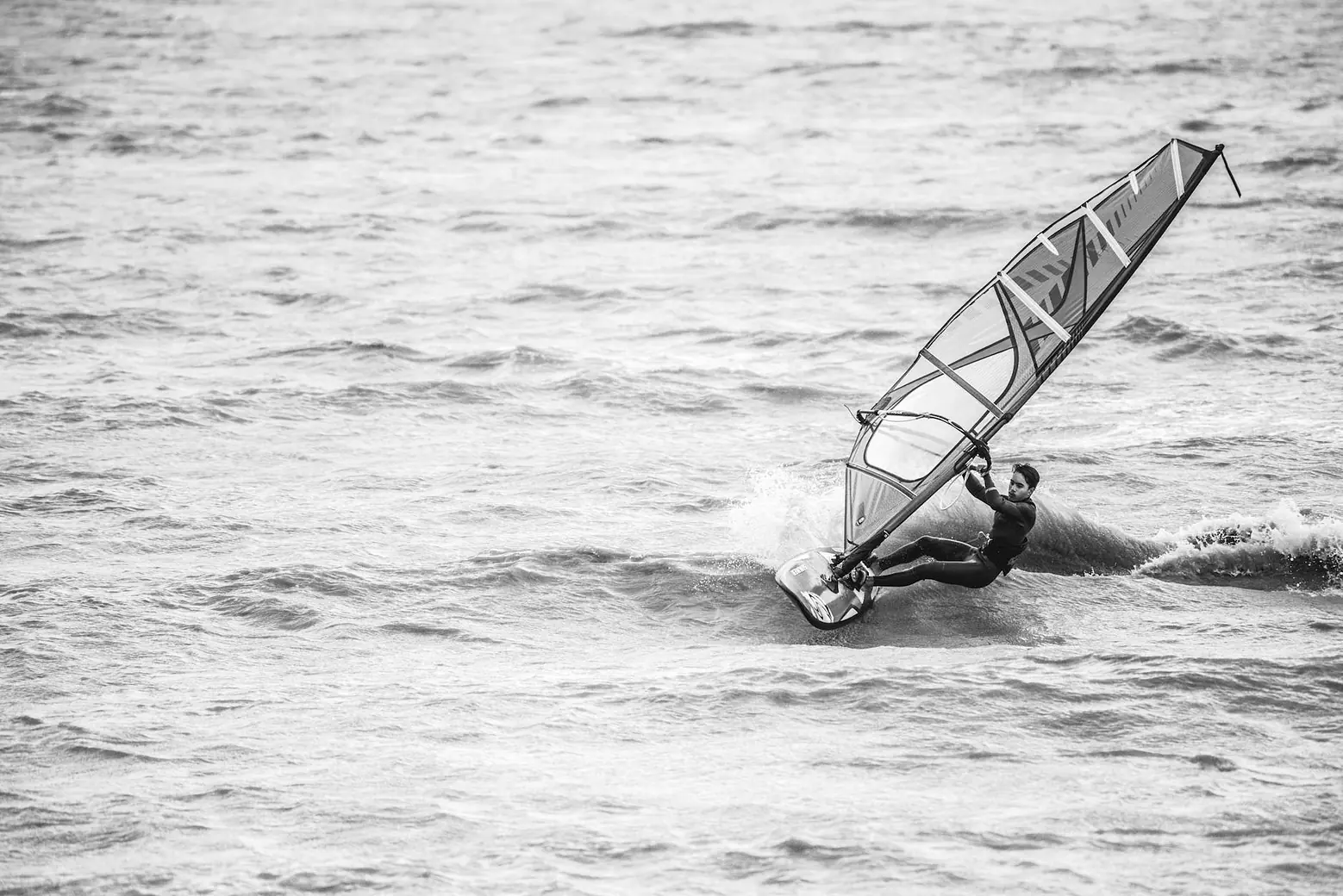
A waterstart happens in three phases: the pop (kite edge to window), the ride-up (board planes), and the stand (weight back, arms bent). Timing your kite movement with board position and body weight is everything. Too early or late, you sink. The kite does the work; you don't muscle it.
01 — Pop, Ride, StandThe Three Phases of a Waterstart
You start in deep water, sitting on your board with the kite parked at 12 o'clock (neutral). Feet locked in the footstraps, bar held close. When you're ready, steer the kite hard towards the edge—10 o'clock or 2 o'clock—to load power. Then dive it back across the wind window fast. That explosive movement, combined with your knees tucked and hips thrust forward, lifts you clean out of the water.
The board planes underneath as you pop. Your body position is critical: lean back slightly, keep your arms bent, shoulders relaxed. Let the kite pull you up, not your legs. Once you're riding, shift your weight aft and lock into the straps. Stand tall, edge the board away from the kite, and you're up.
02 — Timing & BodyCommon Waterstart Mistakes—And How to Fix Them
Most beginners either steer the kite too slowly (no power buildup) or pull the bar too hard instead of letting the kite edge work. You're not muscle-driving yourself up. The kite powers the motion; your job is positioning and timing. If you're sinking back, your kite dive is too slow or your hips aren't forward enough. Board choice matters too—a wave board with flotation in the 75–100 L range will pop faster than a bigger freeride shape. But for learning, you want stability.
03 — Our picksGear That Makes Waterstarts Easier
A board with solid volume and responsive rocker will lift you cleaner and faster. JP Australia's wave range offers the responsive feel you need once you've nailed the technique.
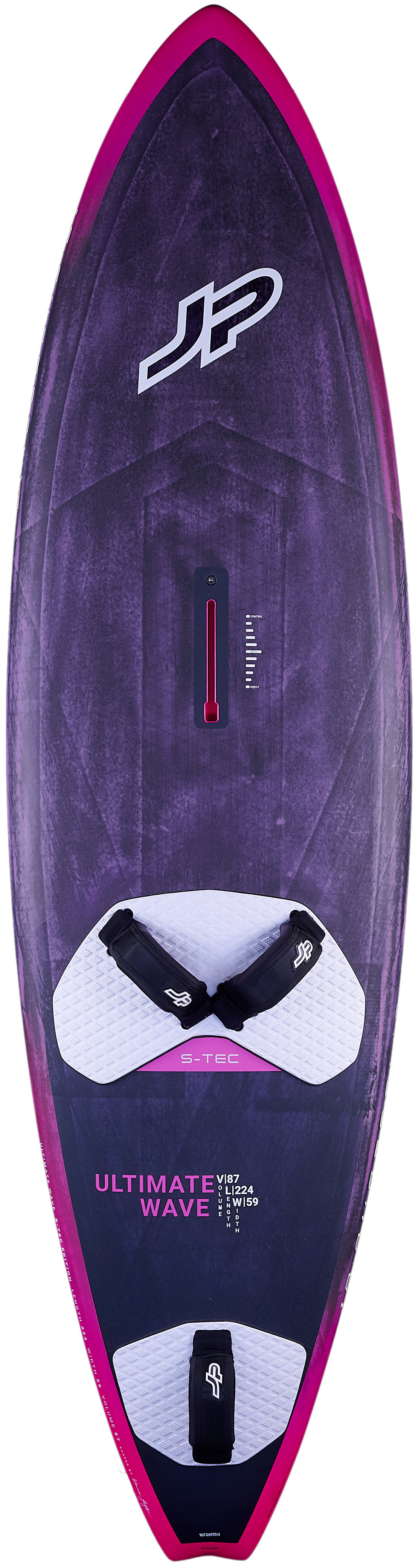
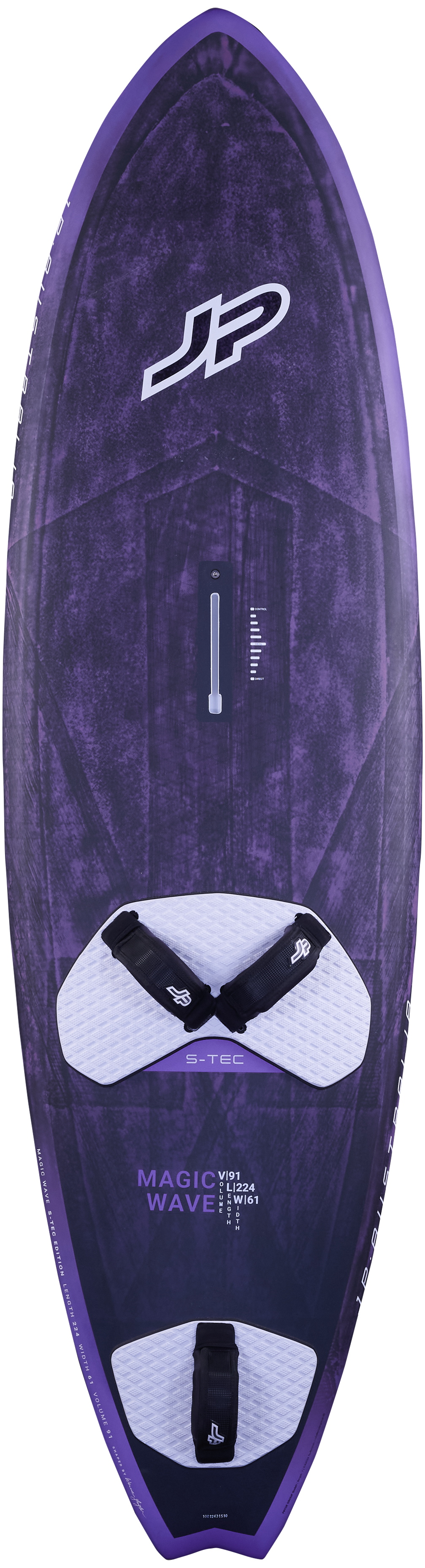
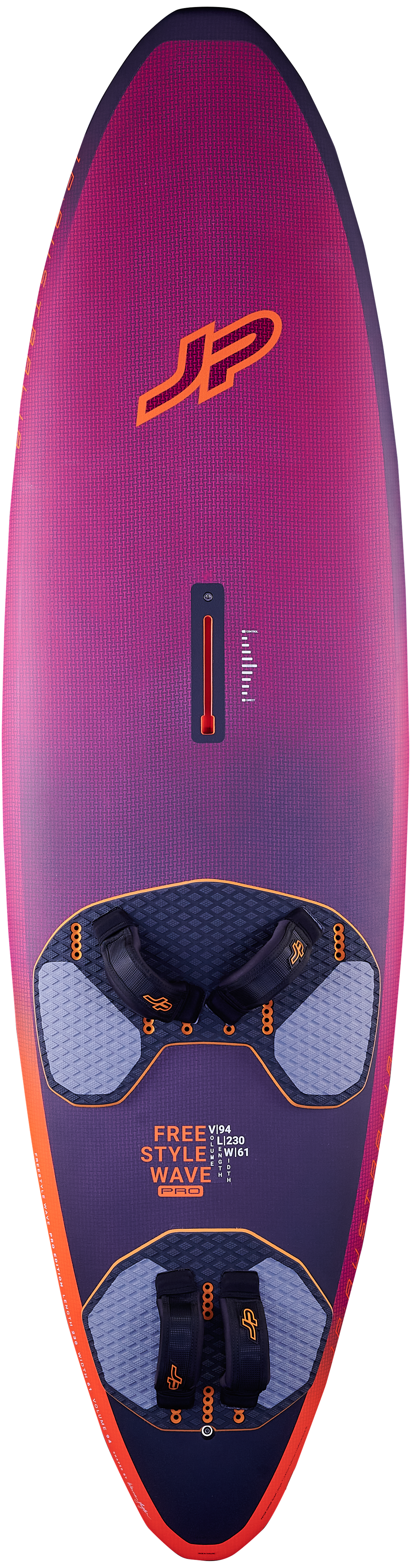
Prices and 2026 specs are pulled live from each product page. Confirm on the product page before checkout.
04 — MistakesThree mistakes we see every week
Ready to master waterstarts?
Browse our wave board range and find the perfect volume and rocker for your level.
Frequently asked
Most riders can waterstart in 12–14 knots. Below that, the pop is slow; above 18 knots, timing gets tighter but the power is more forgiving for beginners.
Yes. A wrist or ankle leash keeps your board close if you fall. Don't lose it in deep water—that's a long swim.
Most riders land consistent waterstarts after 10–15 sessions of focused practice. Timing is a feel thing; don't rush it.
Not necessarily. A 75–100 L wave board will pop faster than a bigger freeride shape. Volume helps, but responsive rocker and good footstrap placement matter more.