What Is Body Dragging in Kitesurfing? — Technique Explained
Body dragging is kitesurfing without the board—your kite pulls you through the water while you swim. It's the foundation skill that separates riders who stay upwind from those who wash out, and you can't progress without it.
Body dragging means letting kite power pull you through the water in a swimming position. You'll master directional control, power management, and staying upwind—all non-negotiable before you step on a twin-tip. Start with a 9 or 12 m² kite in 12–18 knots, and you'll nail it in a session or two.
01 — The core moveWhat Body Dragging Actually Is
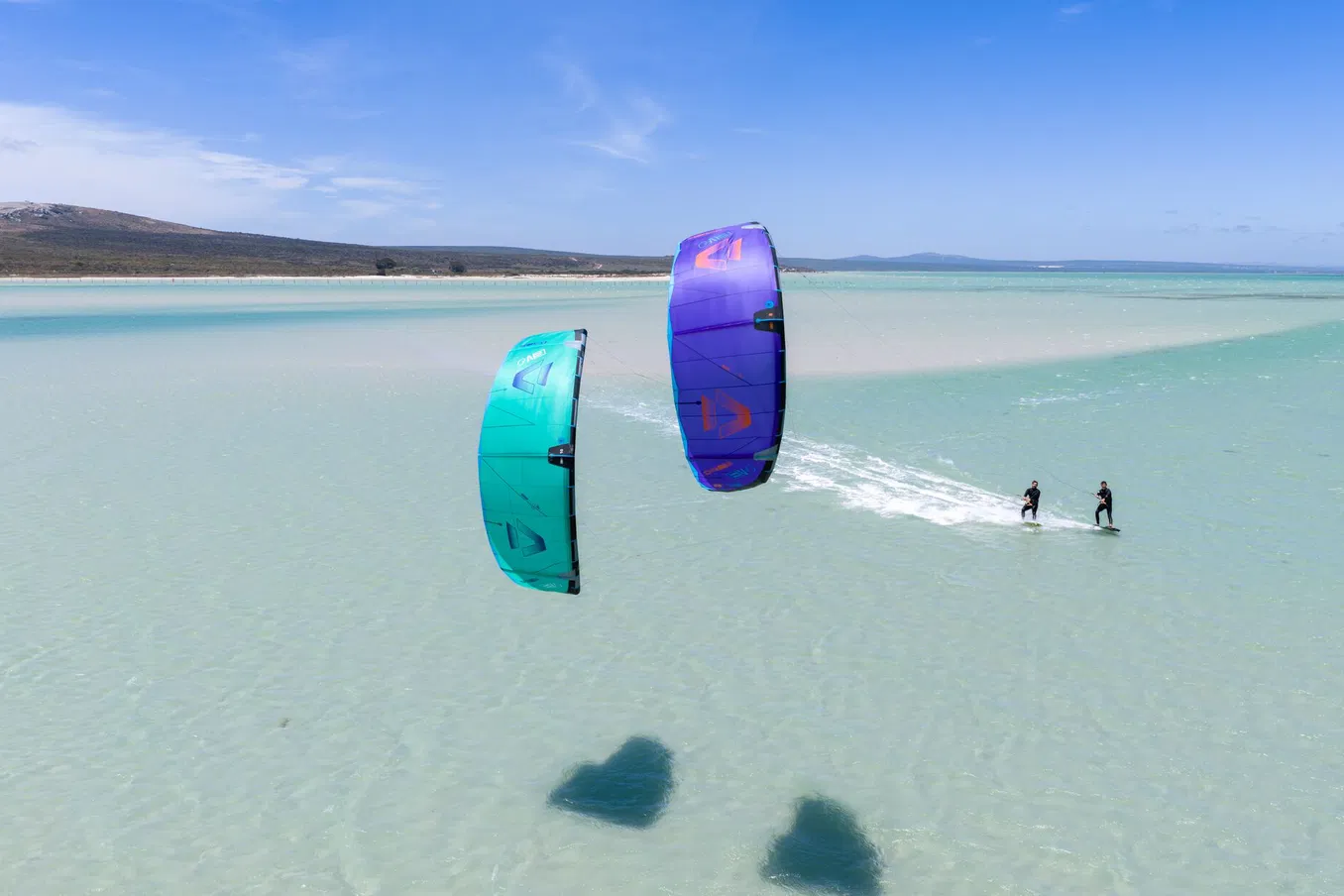
Body dragging is you, the kite, and the water. No board. You're floating or swimming face-up or face-down depending on the drill, and your kite's power drags you across the water—upwind, downwind, side to side. The kite does all the work; you're learning to read the window, steer with your body weight, and manage line tension.
Most riders start face-up, arms extended, letting the kite pull them. Once you're comfortable, you'll flip face-down to build the muscle memory you'll need when you're on a board. Your legs trail behind; your core stays relaxed. The kite never leaves your hands—that's the whole point.
02 — Foundation skillWhy Body Dragging Matters Before You Board
Body dragging teaches you to read your kite's power window in real time. You'll learn where the kite generates lift, how small hand movements steer it, and what happens when you lose focus. Riders who skip body dragging usually end up fighting their board instead of working with it.
It's also your safety net. If you get in trouble on the water, you can body drag back to shore. If your board snaps, you body drag out. If the wind picks up unexpectedly, you manage it with your body, not your feet.
03 — Our picksWhich Kite Size to Start With
A 9 or 12 m² kite in 12–18 knots is your sweet spot. The Duotone Evo SLS 2026 and Duotone Neo SLS 2026 are both forgiving enough for body dragging practice while still responsive to steering input. Below, we've picked four kites that handle body dragging well—pick the one that suits your local wind.
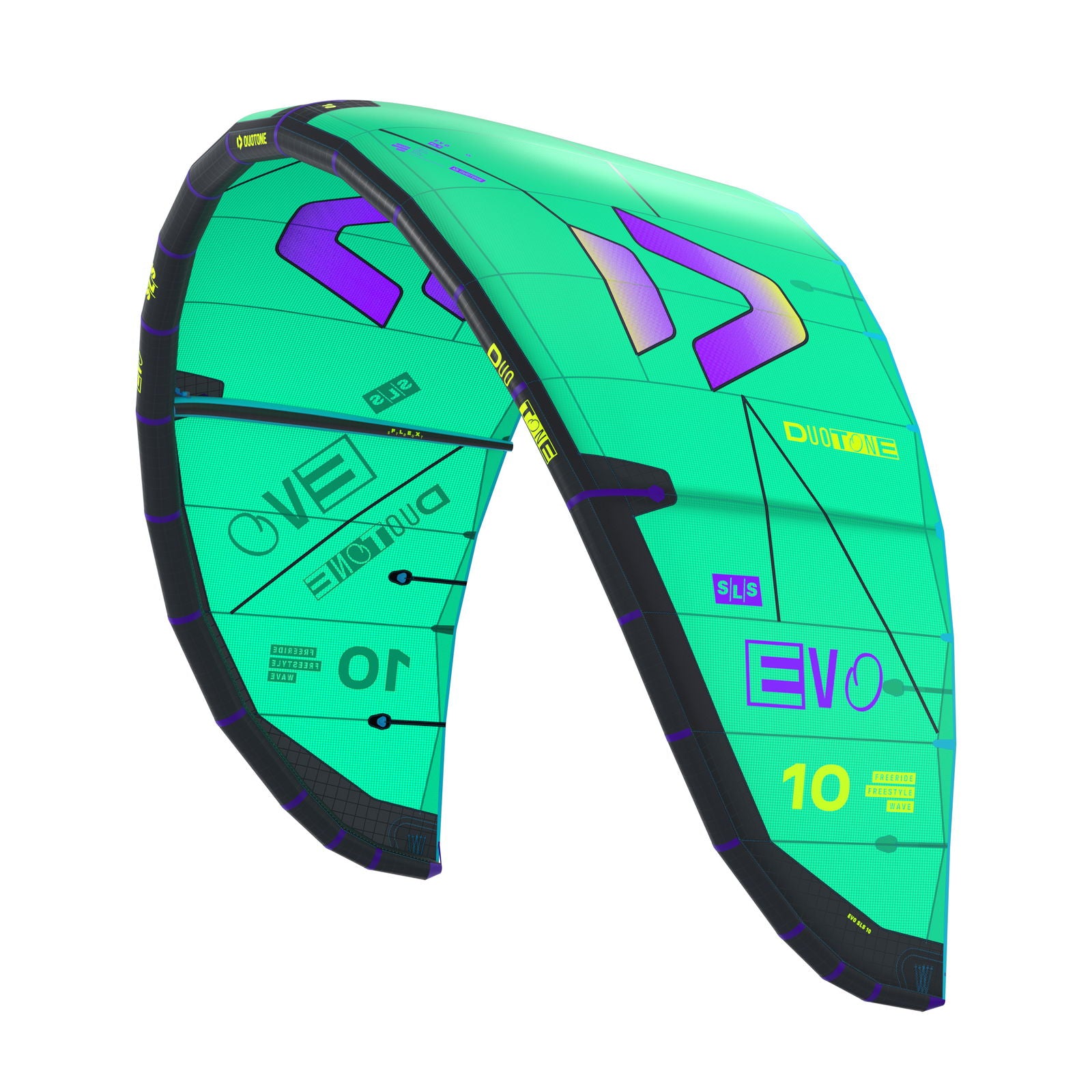
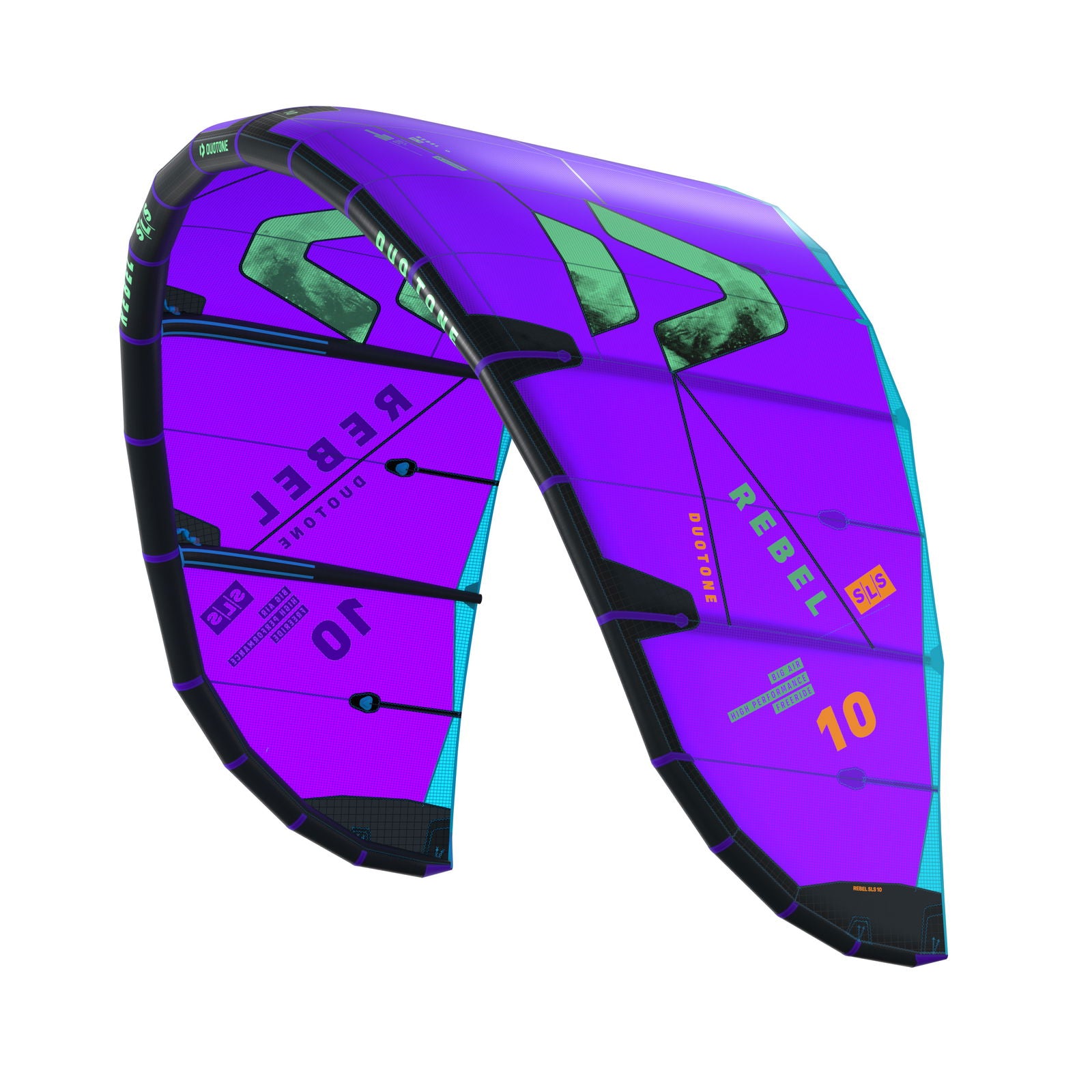
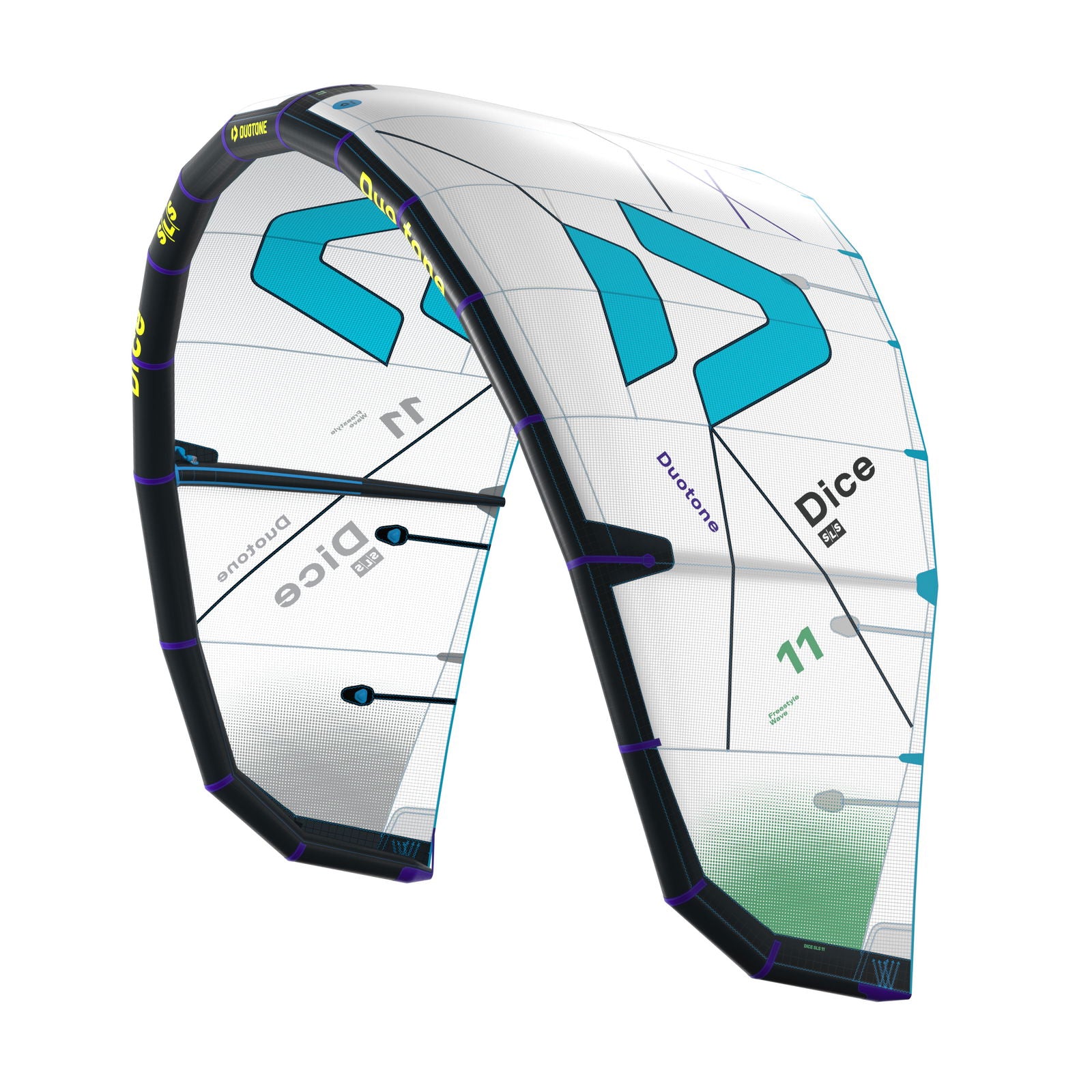
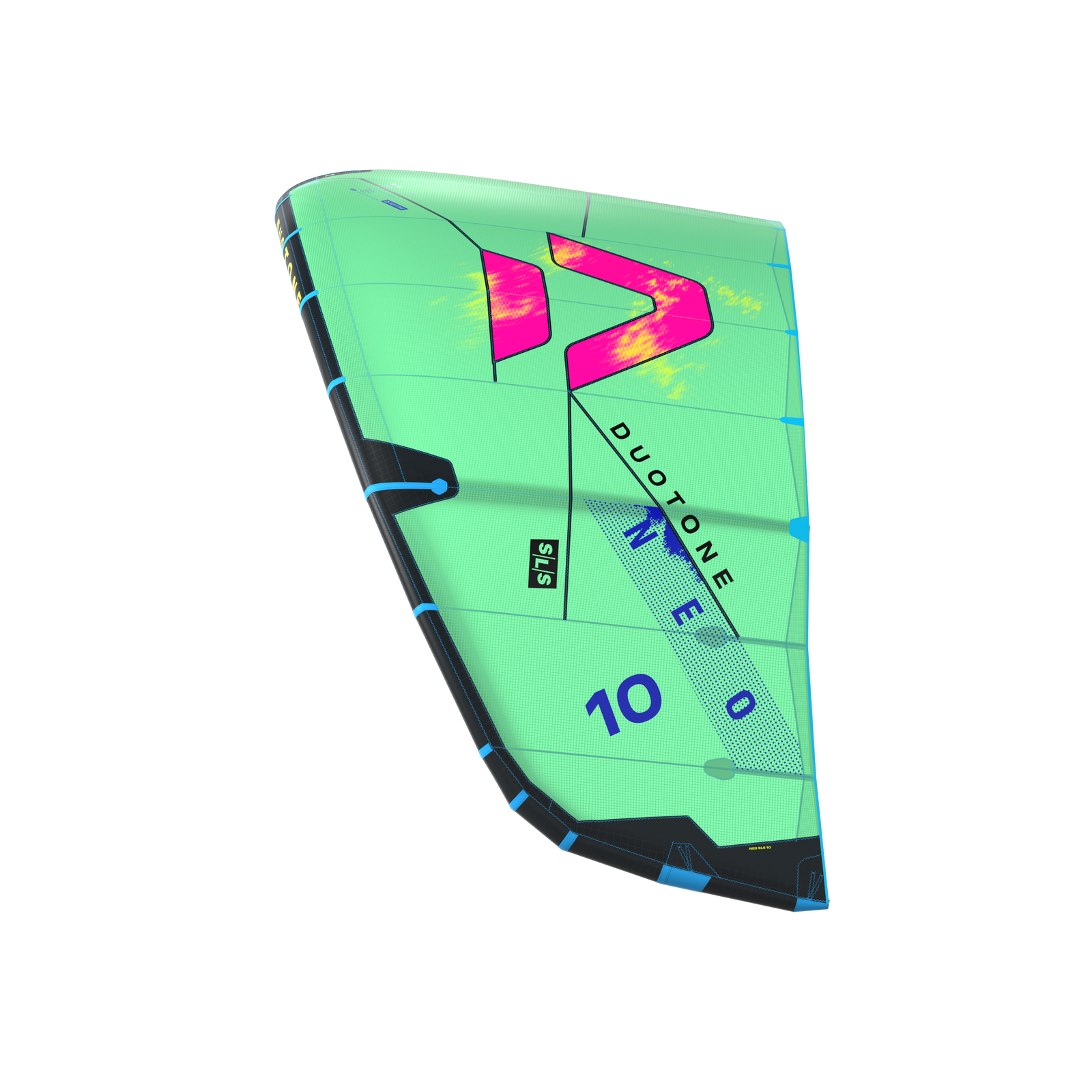
Prices and 2026 specs are pulled live from each product page. Confirm on the product page before checkout.
04 — MistakesThree mistakes we see every week
Ready to learn body dragging?
Browse our full range of kitesurfing kites and find the right size for your wind.
Frequently asked
Below 12 knots, most kites struggle to generate enough power to drag you consistently. Wait for 12–15 knots minimum, especially if you're under 80 kg.
No—that's the whole point. Body dragging is boardless. Once you're confident, you'll add the board, but the kite control comes first.
Most riders get the basics in one or two sessions. Real comfort—staying upwind, smooth turns, power management—takes a week or two of regular practice.
The Neo and Evo are most forgiving for beginners. The Dice offers more feedback as you improve. The Rebel is for riders ready to progress to the board. Start with the Neo or Evo.