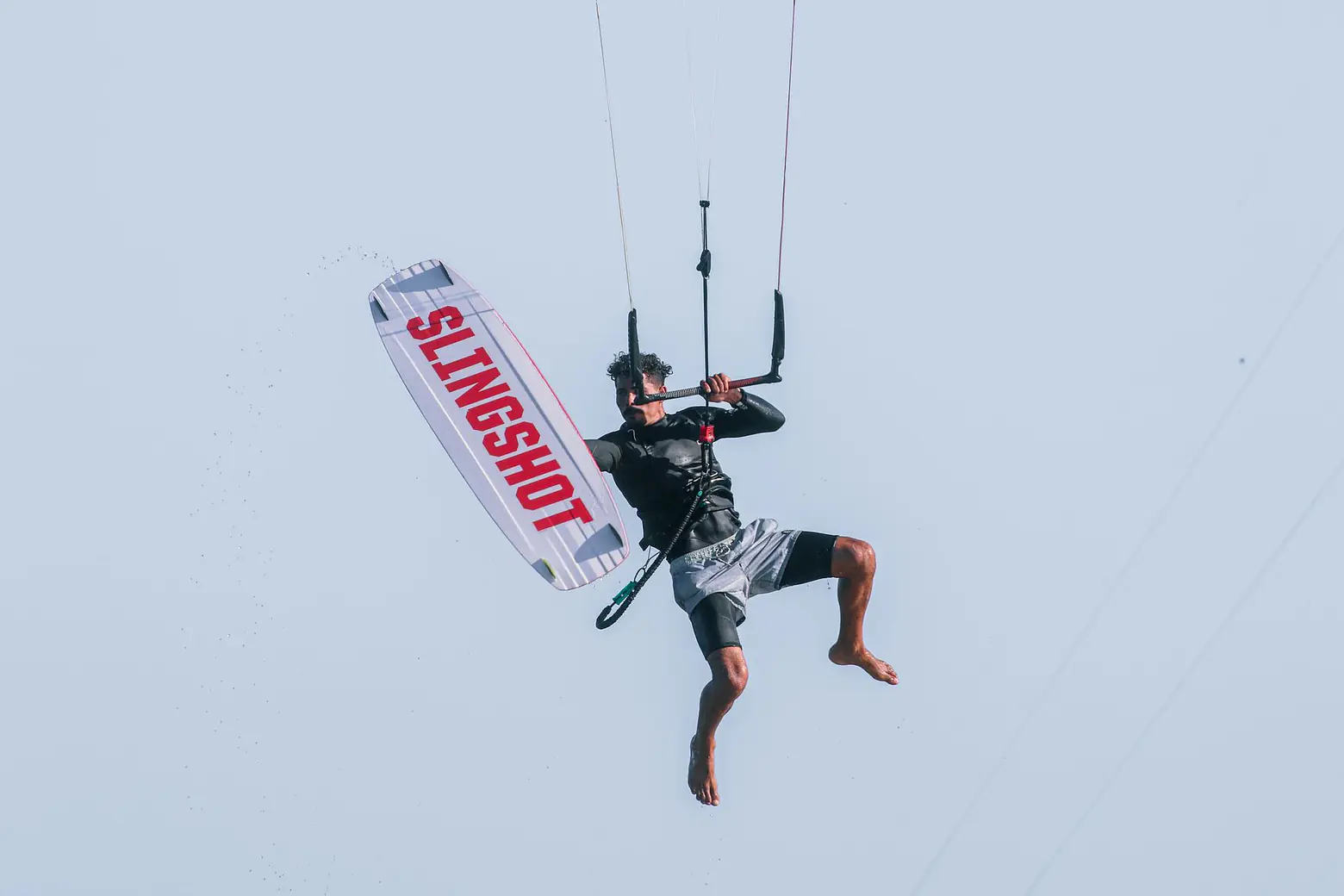
Can You Teach Yourself Kitesurfing? — Honest Safety Advice
You can teach yourself kitesurfing—but honestly, most self-taught riders either quit or pick up habits that slow them down for months. We'll walk you through why lessons matter, what conditions to start in, and how to maximize your chances if you're set on going solo.
Self-teaching kitesurfing is possible but risky. You'll need perfect conditions (light wind, empty beach, flat water), obsessive safety study, and a 9 m² kite to start. Even then, professional instruction cuts your learning curve in half and prevents injury. Most self-taught riders either quit or develop bad habits.
01 — Safety foundationWhy Professional Lessons Exist (And Why They Matter)
Kitesurfing isn't like surfing or skateboarding where you can bail safely on foam. One mistake with kite control—a hard edge catch, a misread gust, a panicked grab of the bar—can translate into a broken arm, a twisted ankle, or being dragged across the beach. We've watched riders come through our shop for 20+ years, and the self-taught ones either wash out within three weeks or carry bad habits for months.
A qualified instructor teaches you how to read wind, how your kite behaves in gusts, body positioning, and—most critically—how to self-rescue and bail safely. They catch your mistakes before they become injuries. They know which conditions are actually safe for beginners (spoiler: most of what looks rideable isn't). You get that knowledge compressed into 5–10 hours instead of learning it through painful trial and error.
02 — Your realistic stepsThe Honest Self-Teaching Path (If You're Committed)
Self-teaching works only if you're disciplined and patient. First: study kite physics obsessively before you touch the bar. Watch videos on the power zone, edge control, and emergency procedures. Learn to read wind windows, spot gusts, and recognize when conditions have crossed from beginner-safe to dangerous. This alone takes 20+ hours of study.
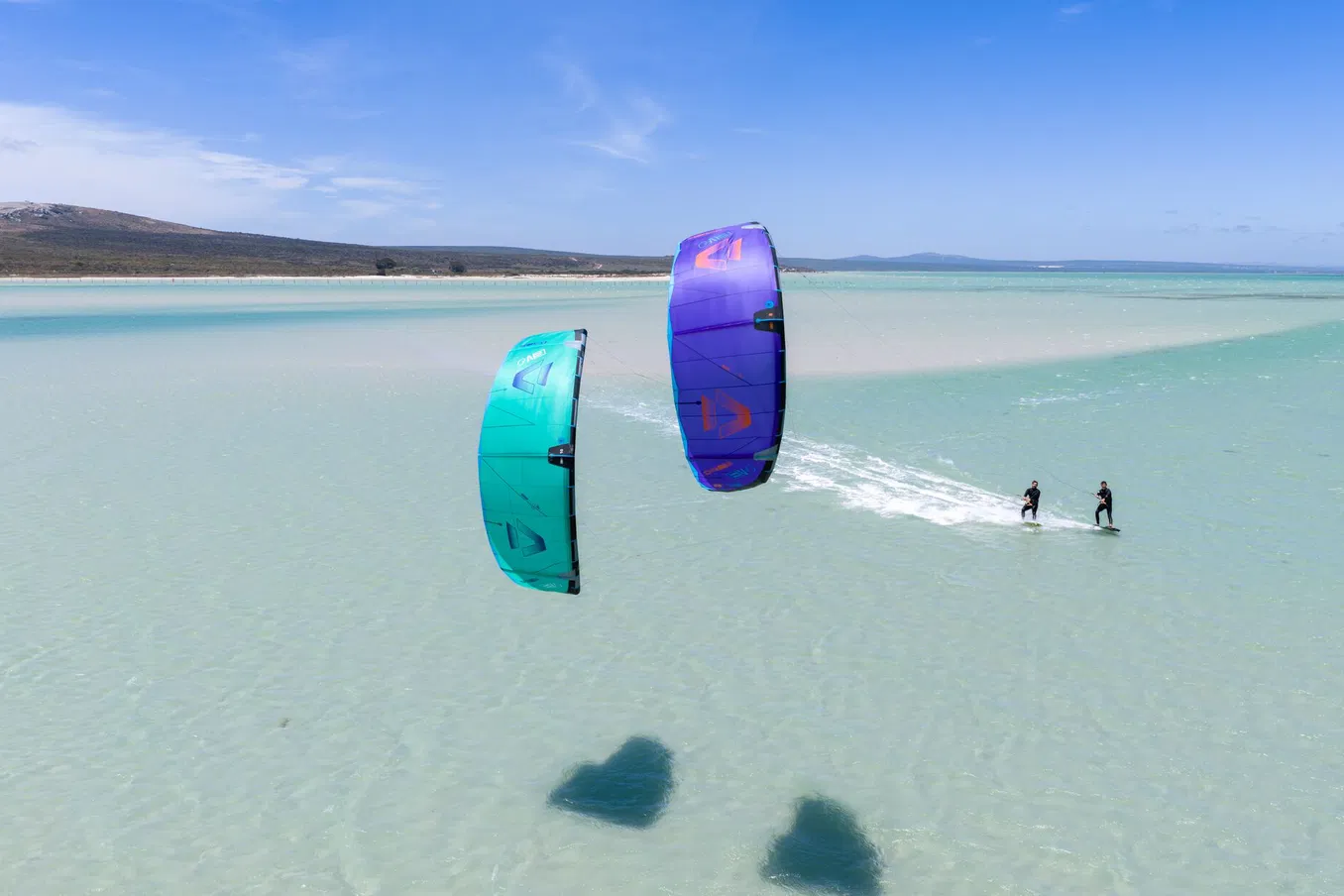
Then: start with a forgiving kite. The Duotone Neo SLS or Duotone Evo SLS are stable platforms—they don't punish small mistakes as harshly as freestyle or wave kites. Begin in 12–16 knots with your 9 m² on a completely empty, flat beach at low tide. Practice kite control for hours before you even think about a board. The first week is pure kite work: launches, transitions, landing, edge control. No board. Get that locked down first.
Expect a 6–8 week learning curve solo, versus 2–3 weeks with instruction. You'll also spend more on crashed gear and replacement bar sets.
03 — Our picksYour Kite Choice Matters More Than You Think
A beginner kite needs to be forgiving, stable, and predictable in light wind. Your quiver should start with a single 9 m² before you even think about adding a 12 m². Here are four solid picks we stock: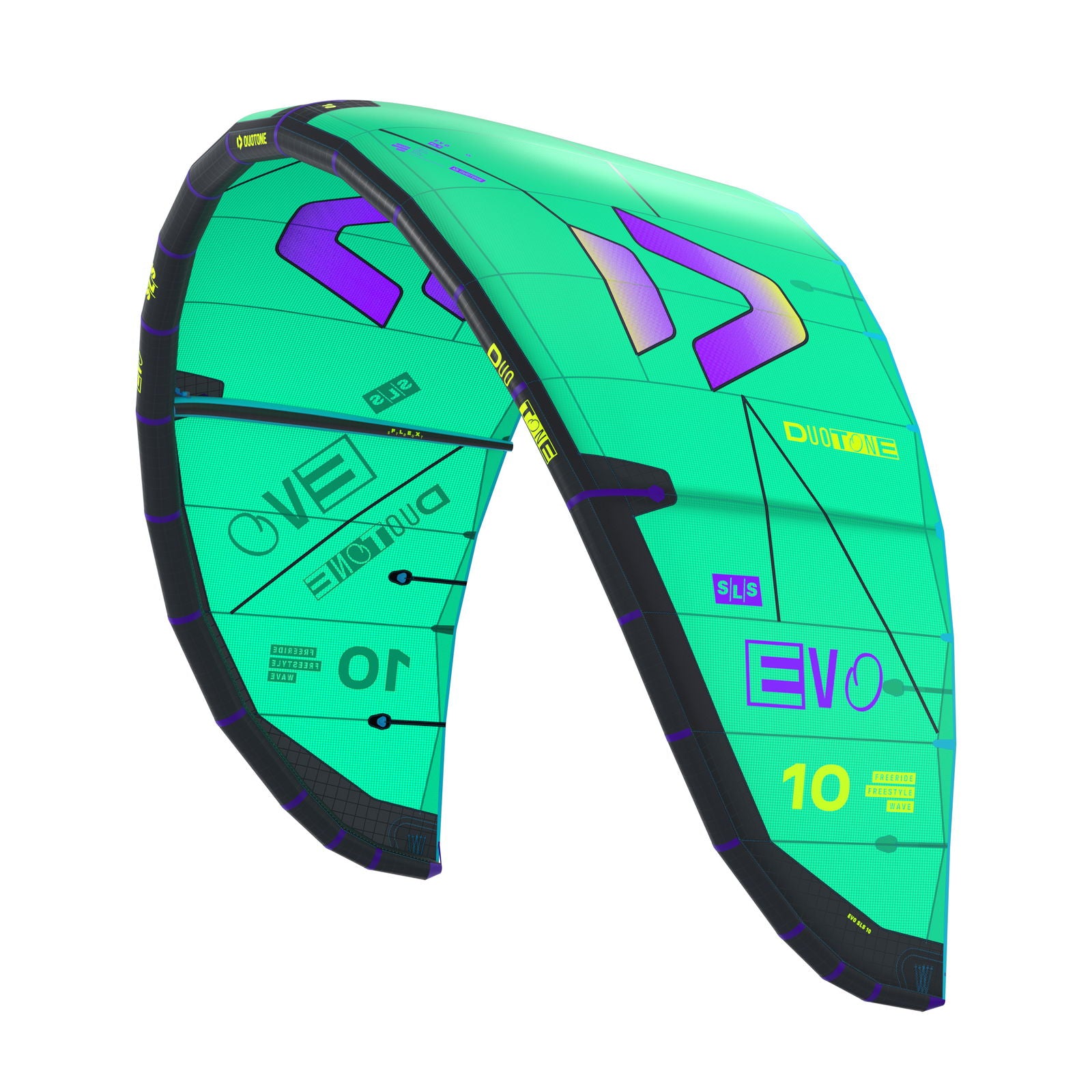
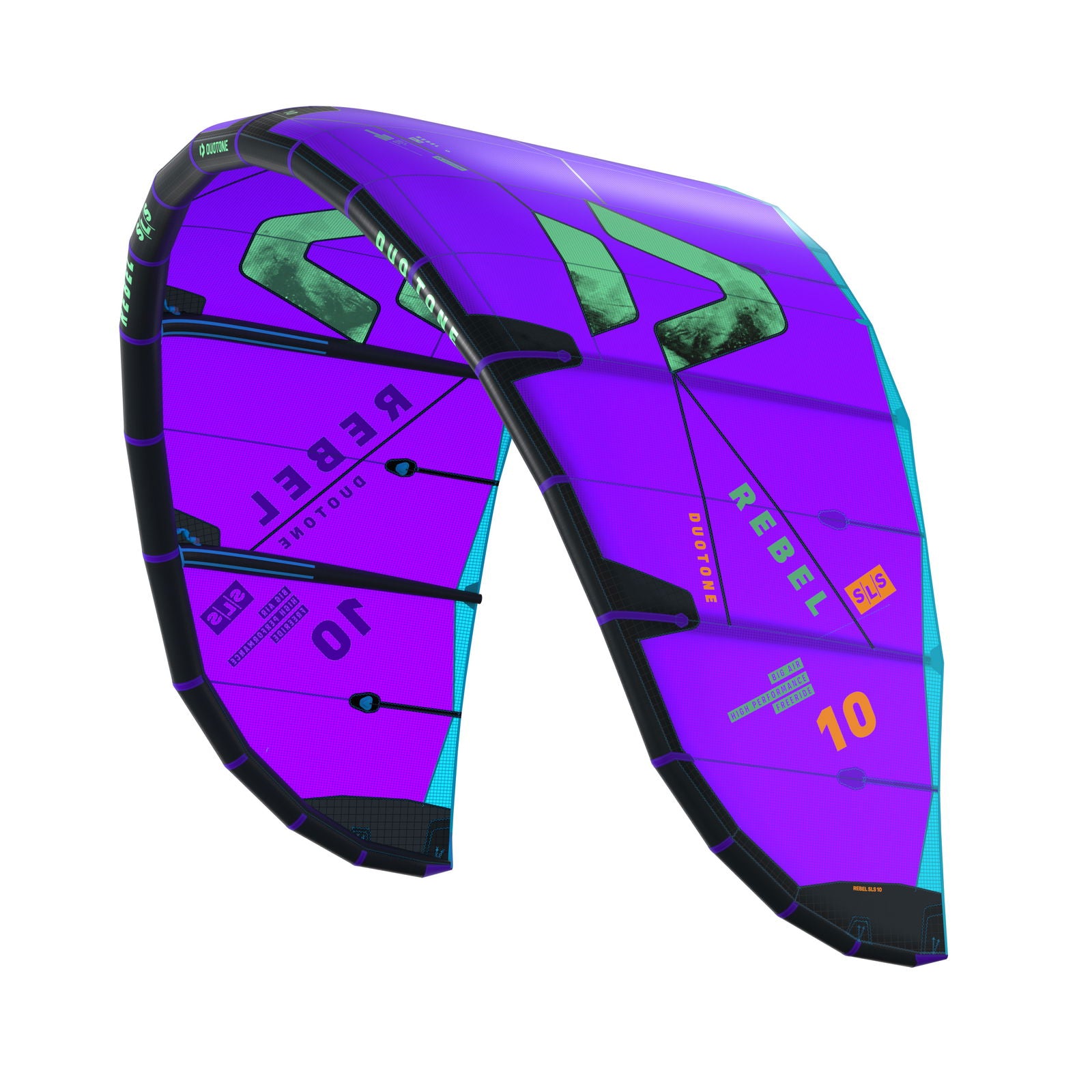
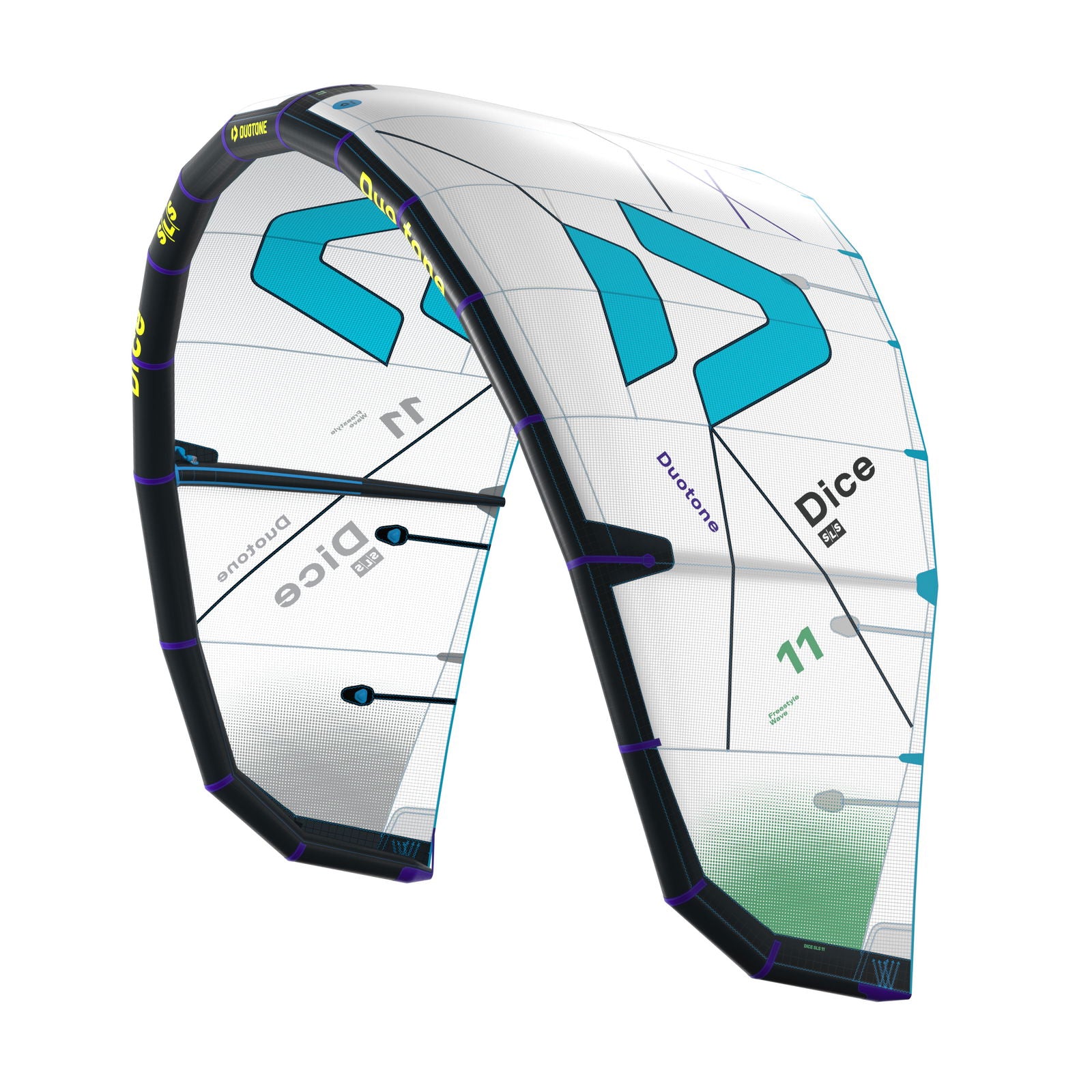
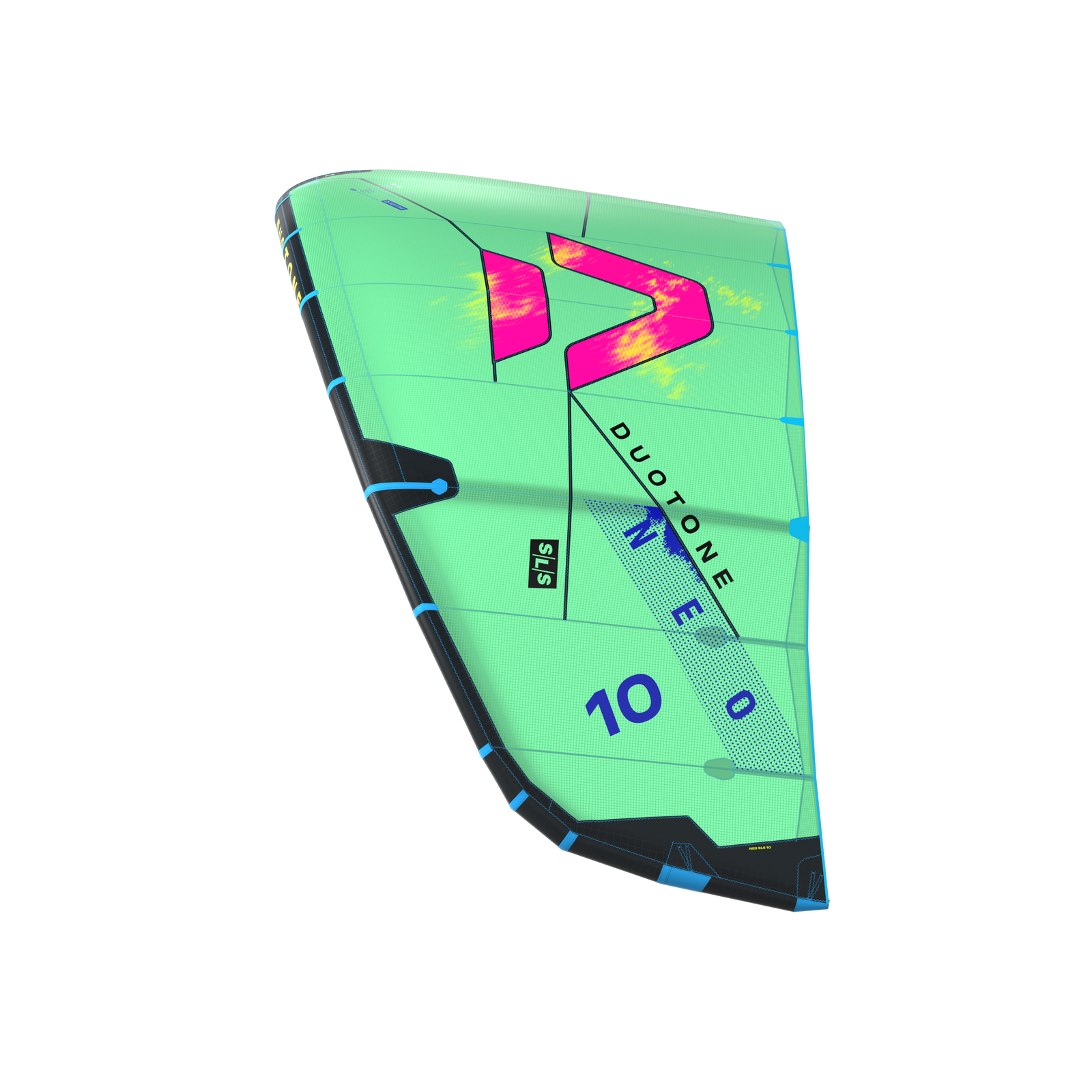
Prices and 2026 specs are pulled live from each product page. Confirm on the product page before checkout.
04 — MistakesThree mistakes we see every week
Ready to make a smart start?
Browse our kitesurfing kites and boards—and seriously, consider a few hours with a coach before you go it alone.
Frequently asked
Yes, but you'll need perfect conditions, obsessive study, and patience. Most solo learners take 6–8 weeks versus 2–3 weeks with instruction. The injury risk is higher too.
Start with a 9 m² in 12–16 knots. A 12 m² is too powerful for beginners in light wind and builds bad habits. Your weight doesn't change this—technique does.
Spend at least 20–30 hours practicing launches, transitions, and edge control with just the kite on the beach. Self-taught riders who skip this often panic in the water.
Starting on crowded beaches or in conditions that are too strong. An empty, flat-water beach in 12–15 knots is non-negotiable. Most self-taught injuries happen because someone ignored this.