Kiteboard Size for Light Wind — Large Board Guide 2026
Light wind below 15 knots kills small boards fast. You'll spend more time paddling than riding. Jump to a large-volume twin-tip and you'll stay afloat, hold upwind, and actually have fun when the breeze is marginal.
Pick a large-volume twin-tip (41–55 L) for light wind. Volume keeps you floating when gusts fade. Heavier riders (85–100 kg) lean 50–55 L; lighter riders (65–75 kg) work with 41–45 L. The Duotone Soleil SLS 2026 and Cabrinha Cab Spectrum 2026 are both solid choices—pick based on your weight and how playful you want to be.
01 — Volume and flotationWhy Large Boards Save Light-Wind Sessions
A 35–42 L freeride board sinks the moment wind drops below 12 knots. You're paddling more than riding. Bump up to 41–55 L and everything changes: your board floats higher, catches smaller gusts, and keeps you upwind without constant effort.
Light wind doesn't forgive small boards. We've watched countless riders in Tarifa and the North Sea struggle on undervolume gear in marginal conditions. Switch to a large twin-tip and you'll feel the difference in the first 10 minutes—better flotation, easier pop, longer sessions. Your kite stays in the air longer too, because you're not constantly sinking and fighting for position.
02 — Sizing for youChoosing Your Exact Size: Weight and Riding Style
Light-wind boards split into two tiers: 41–45 L for riders under 75 kg, and 50–55 L for riders 85–100 kg. Mid-weight riders (75–85 kg) can comfortably ride either—lighter setups feel more responsive, heavier setups float you through the doldrums.
Your riding style matters too. If you're focused on tricks and style, a Duotone Select SLS 2026 or Duotone Jaime SLS 2026 at the lower end of your range will keep things snappy. If you just want to stay afloat and cruise on light days, push toward the upper limit. The Cabrinha Cab Spectrum 2026 is a no-fuss choice for pure flotation—it won't judge your style, it'll just keep you riding.
03 — Our picksOur 4 In-Stock Picks for Light Wind
We've stocked large-volume twins since 2003, and these four are the ones that actually work when the wind is weak and the forecast is borderline.
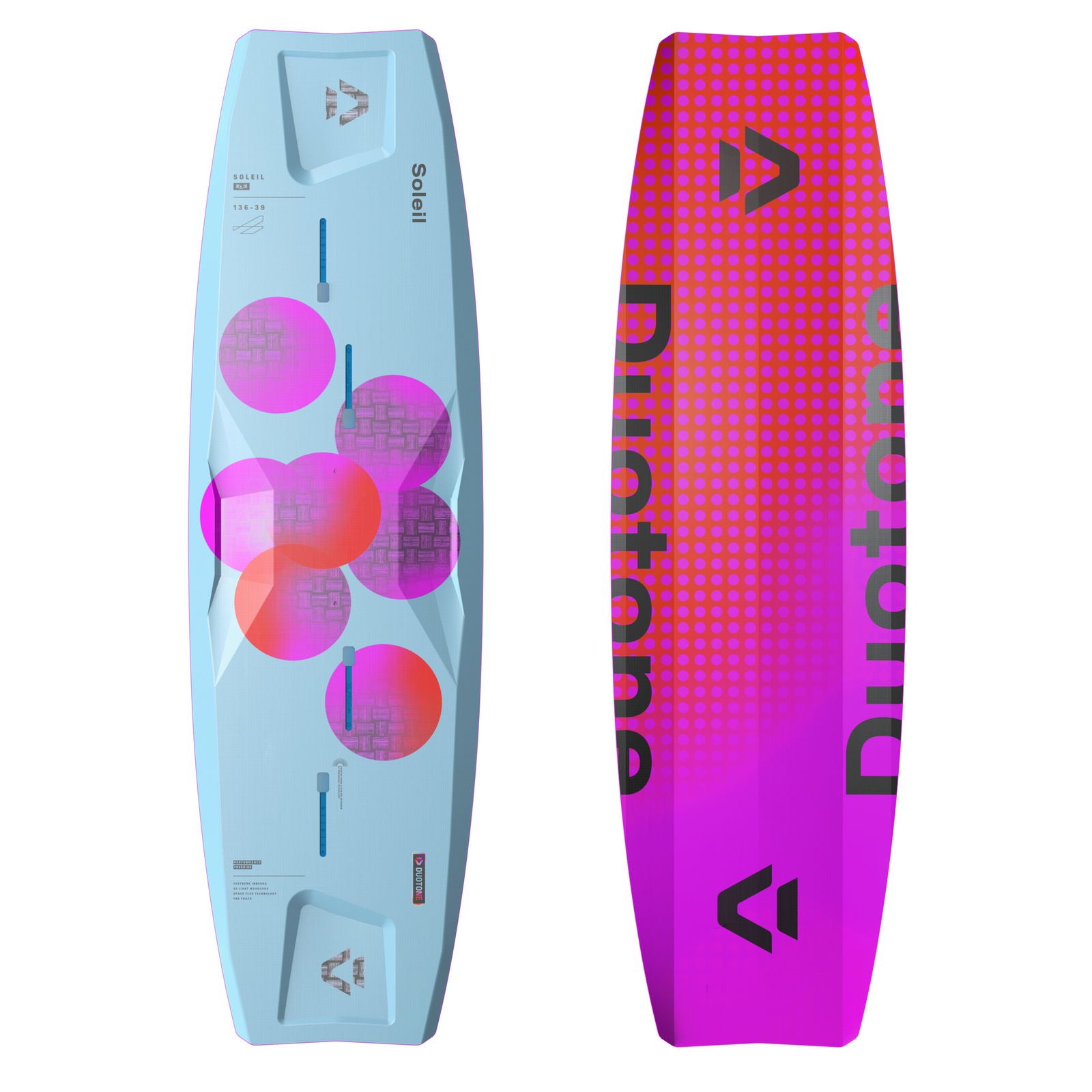
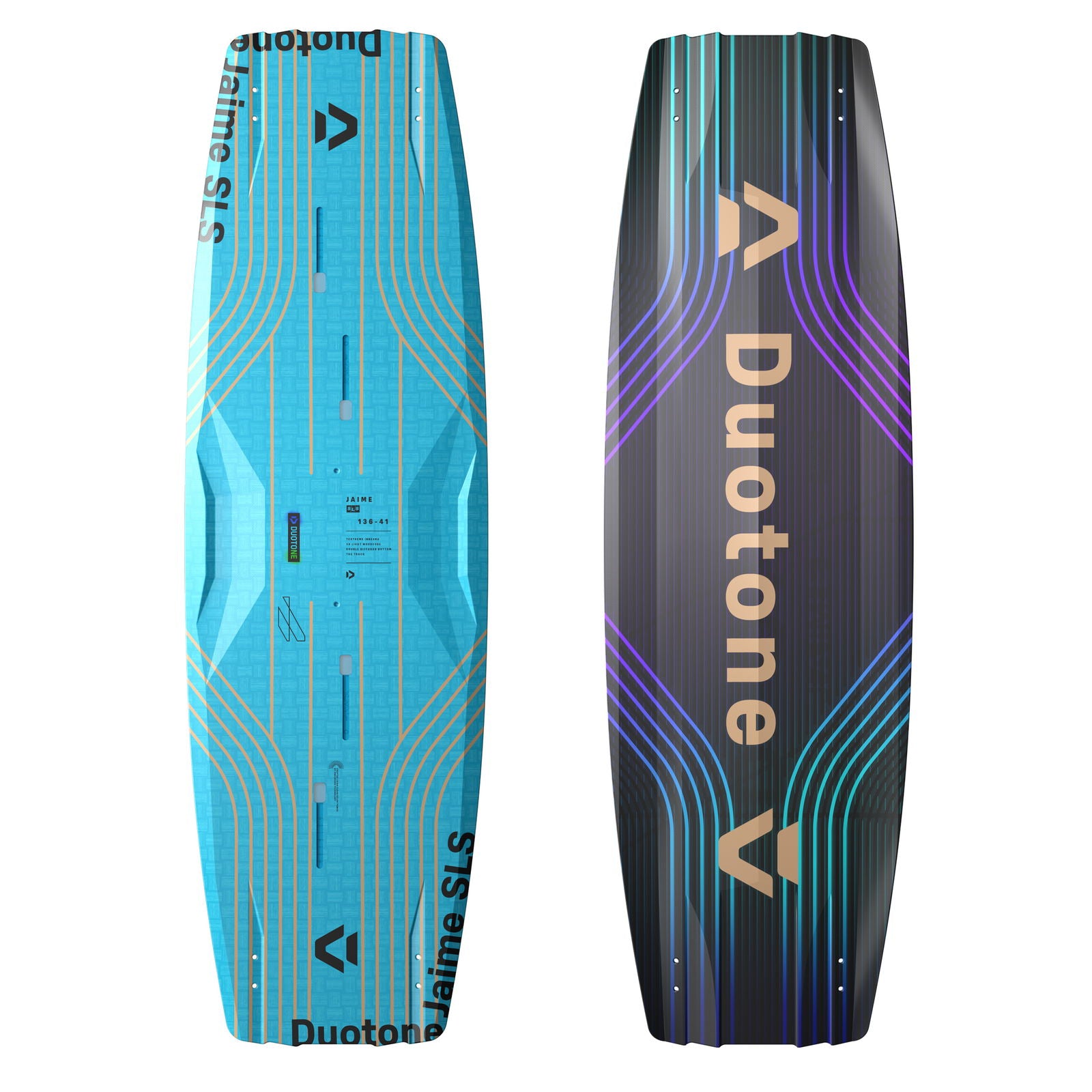
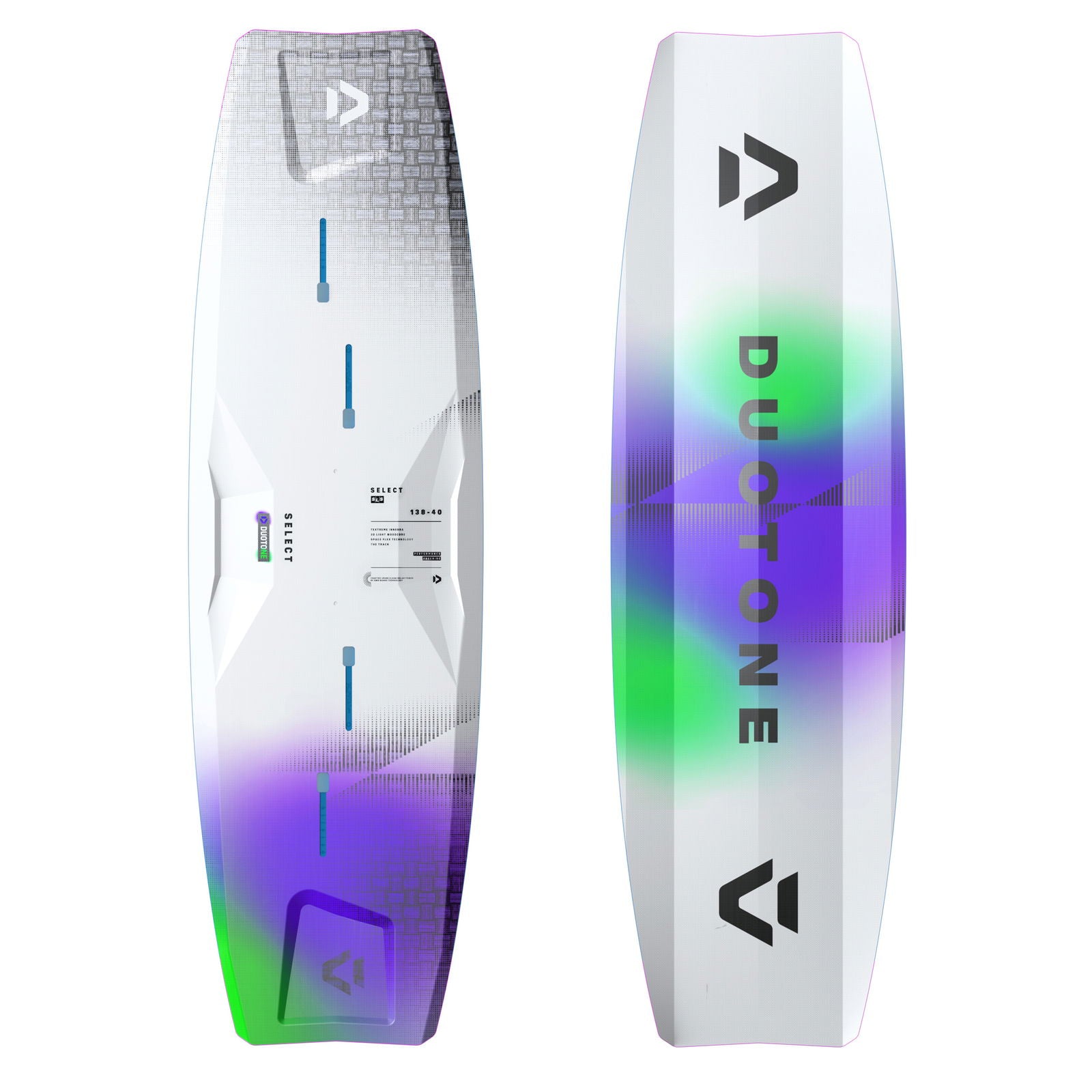
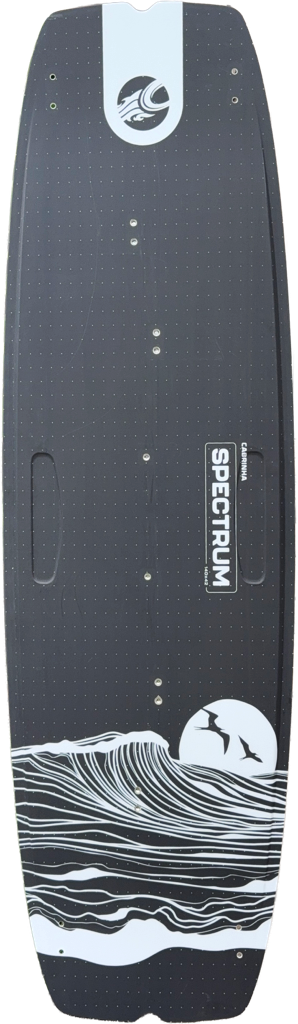
Prices and 2026 specs are pulled live from each product page. Confirm on the product page before checkout.
04 — MistakesThree mistakes we see every week
Ready to stay afloat in light wind?
Browse our full range of large-volume twin-tips and find the size that matches your weight and conditions.
Frequently asked
Realistically, 8–20 knots. Below 8 knots you'll struggle even with high volume. Above 20 knots, a large twin gets tiring to control. They're light-wind specialists, not one-board quivers.
Technically yes, but you'll feel heavy and sluggish. For 20+ knots, drop to 38–42 L. Large boards shine in weak conditions, not as an all-rounder.
Both matter. Longer boards (146–150 cm) float easier and hold upwind better. Shorter boards (130–138 cm) feel more responsive. Pick length based on feel, volume based on your weight and wind conditions.
Different design philosophy and price positioning. Both are solid light-wind boards. The Spectrum is straightforward and durable; Duotone models add refinement. Pick the one that fits your budget and riding vibe.