First Time Kitesurfing in Open Water — What to Expect
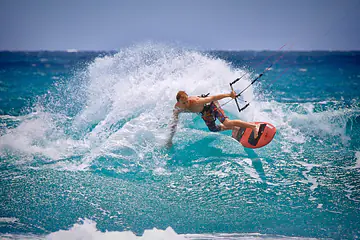
Open water kitesurfing feels different the moment you launch. Wind shifts, currents pull, waves move underneath you—and your body suddenly realizes flat water was practice.
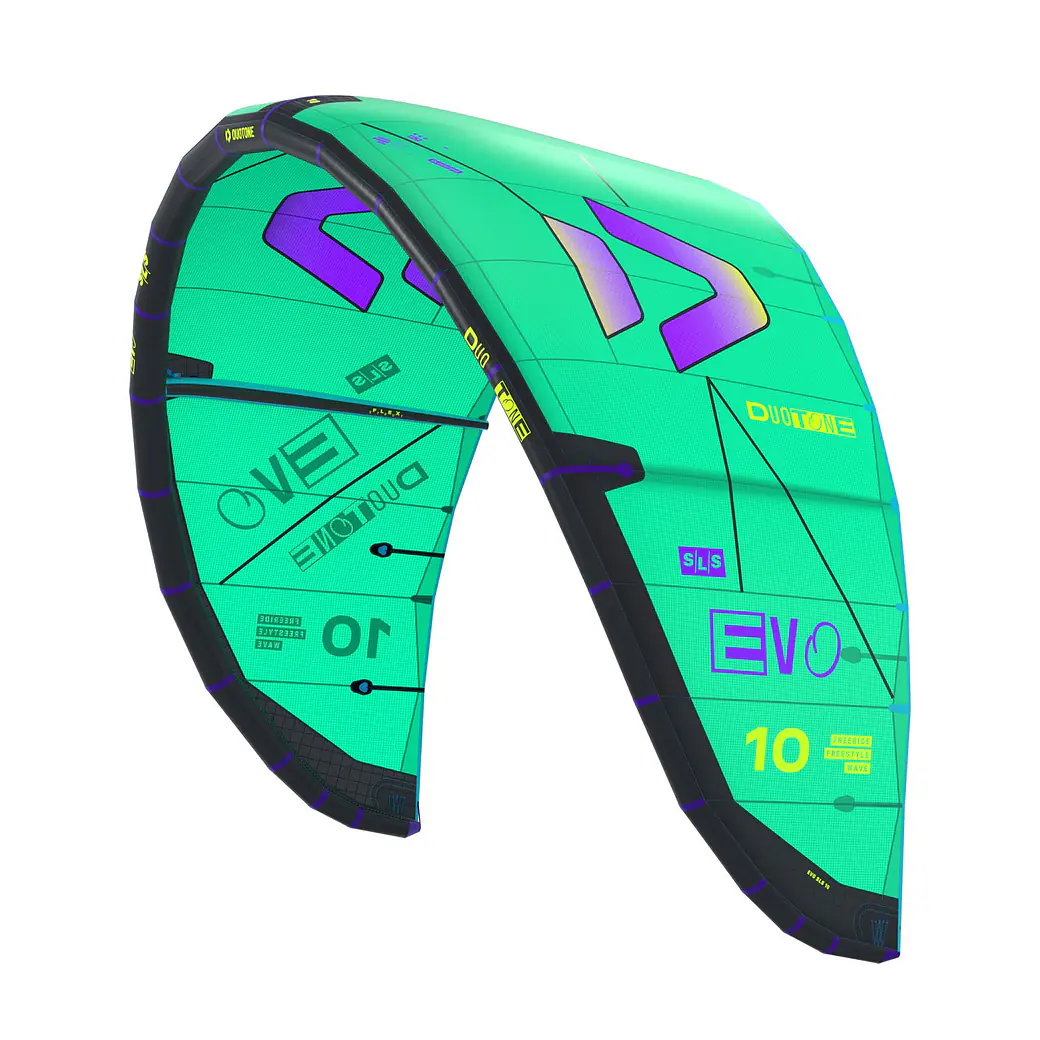
First time in open water? Expect stronger and choppier wind, tidal drift that pulls you sideways, and waves that change how you balance. Your technique works—your situational awareness is what matters now. Pick a stable kite like the Duotone Evo SLS 2026 that forgives small mistakes, scout your launch zone in person, and never launch without checking the wind forecast and knowing your safety systems cold.
01 — Reading conditionsWind in Open Water Isn't What You Think
Sheltered bays lie. The wind you felt last Tuesday in the lagoon isn't the wind you'll get at the beach. Over open water, wind accelerates because there's nothing to slow it down. Coastal headlands and cliffs create wind shadow and shear. Thermals—warm air rising from land—twist the wind direction as the day heats up. You'll launch thinking it's 13 knots and find yourself overpowered at 16 by mid-morning.
Check your forecast at home before you drive. Don't just glance at the sky. Use a proper wind model—your phone app is enough—and look at the trend: is it building, dropping, or steady? When you arrive, spend 10 minutes watching the water and the trees. Watch where the chop is roughest; that's where gusts hit first.
02 — NavigationCurrents and Drift Will Surprise You
Tidal currents don't care that you're new. A 0.5-knot drift sideways sounds gentle until you realize you're 200 metres downwind of the beach after 20 minutes and the shore is upwind. You can't ride upwind forever. This is why you pick your launch zone carefully—a bay with a sandy beach on both sides, not a rocky point or pier.
Before you launch, ask yourself: if I lose power or the kite goes over the bar, where do I wash up? Is it safe? Can I wade back? If the answer is 'rocks' or 'pier', pick a different beach. Most first-timers who panic aren't scared of the kite—they're scared of where they're drifting.
03 — Our picksYour Safety System is Your Lifeline
You've practiced releasing the bar in flat water. In open water, you need to know it by muscle memory—no thinking, just do. Test your leash, your helmet fit, and your bar release on land before you touch the water. A kite like the Duotone Neo SLS 2026 or Duotone Dice SLS 2026 gives you forgiveness if you mess up; a responsive kite punishes hesitation. Below are four solid kites for open water—pick the one that matches your weight and wind range.
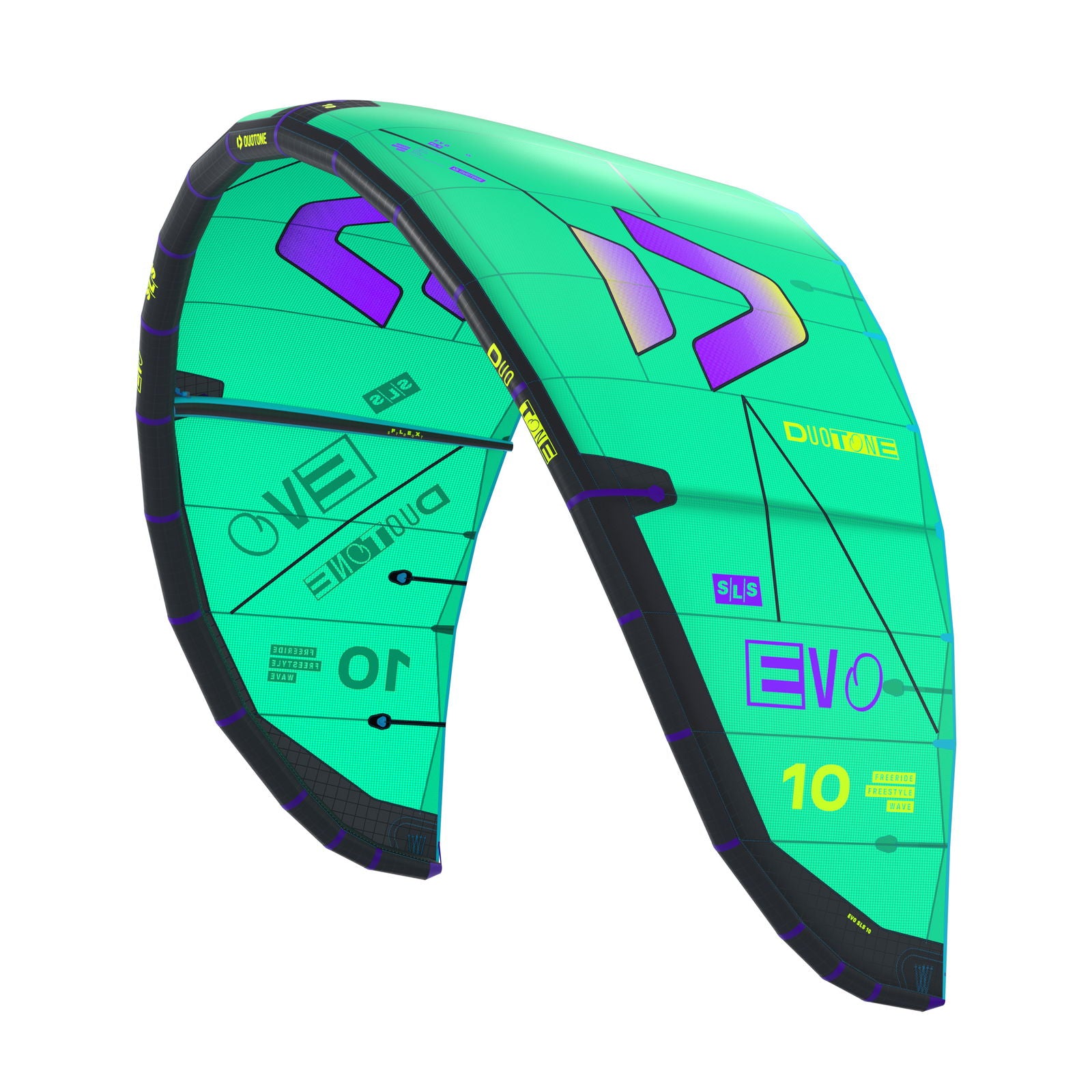
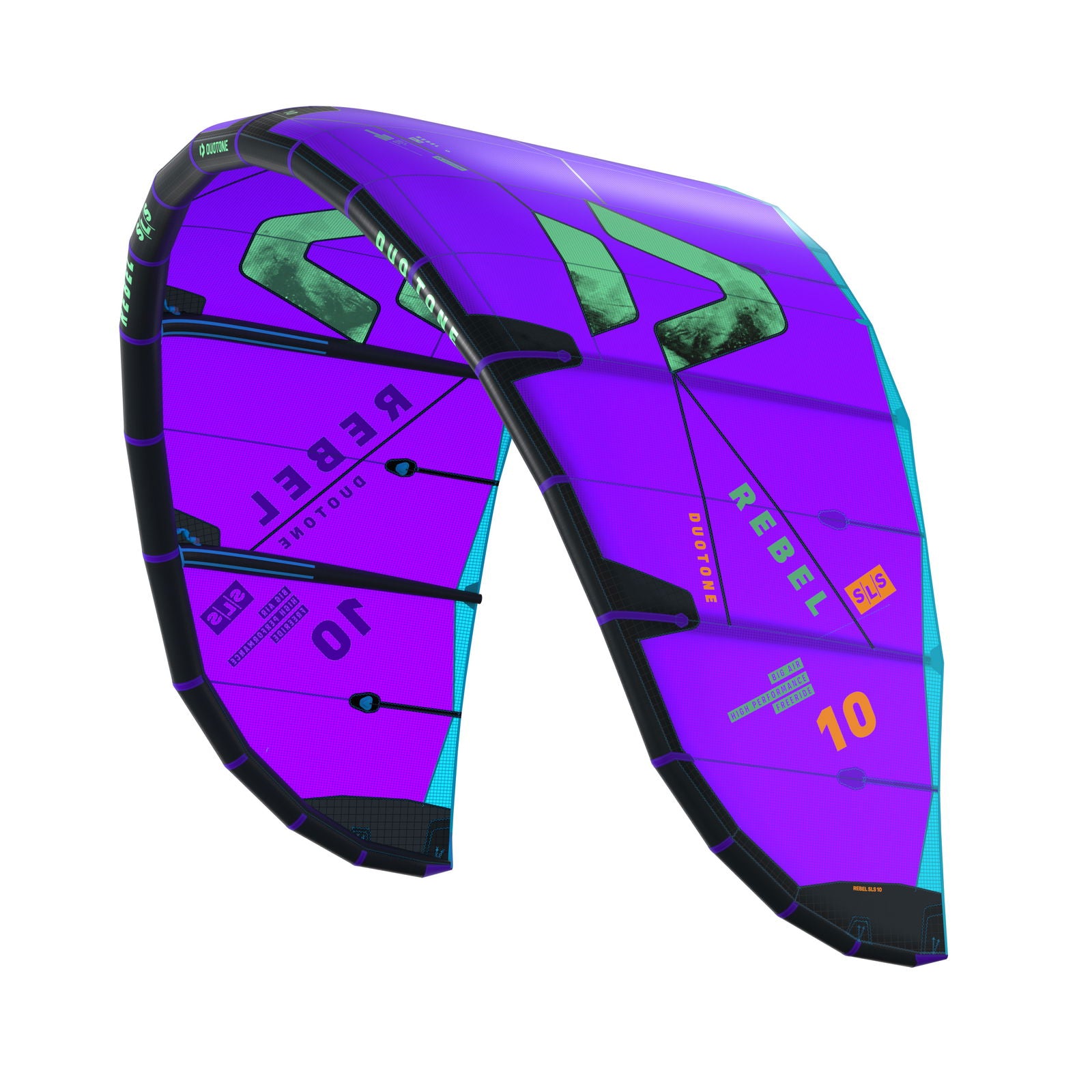
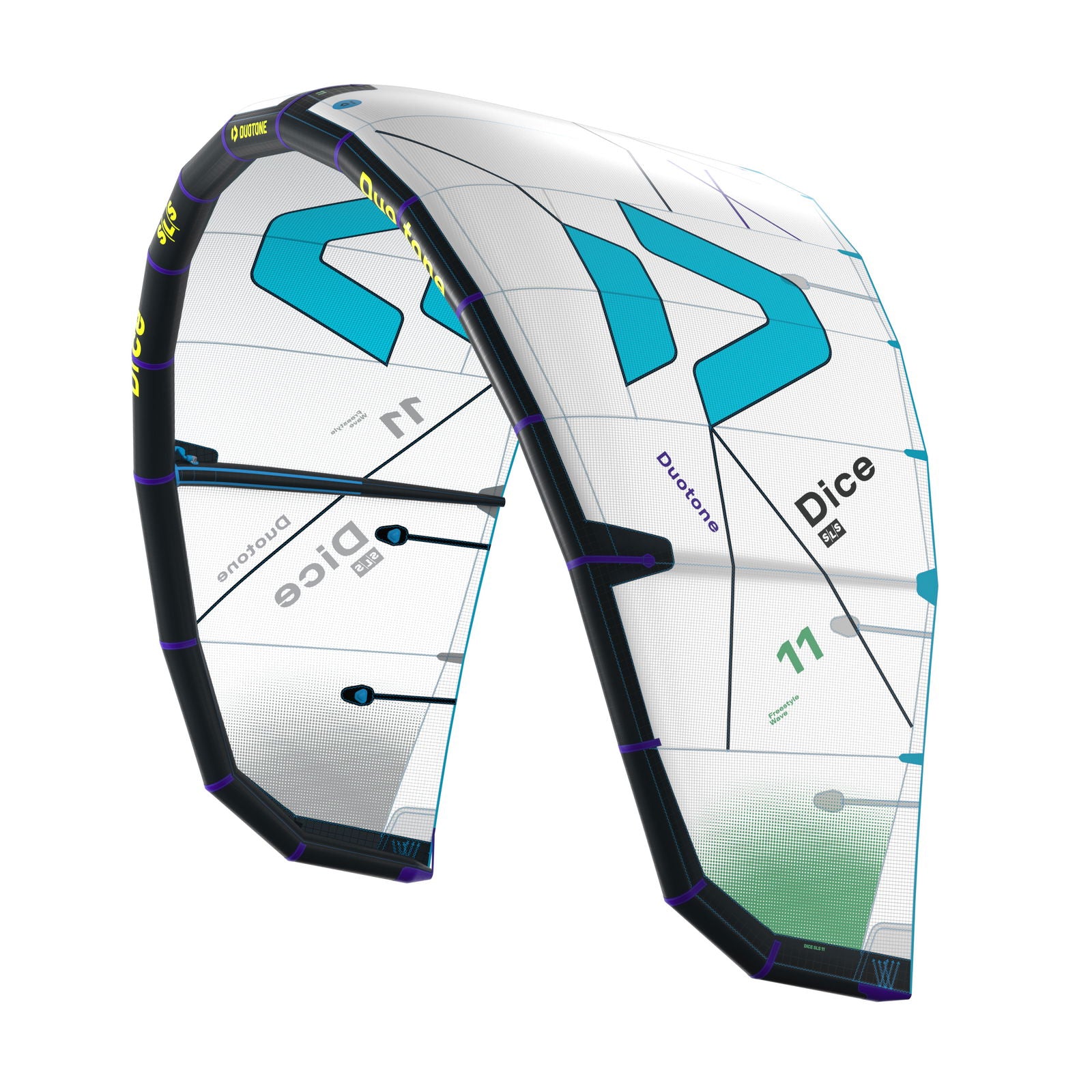
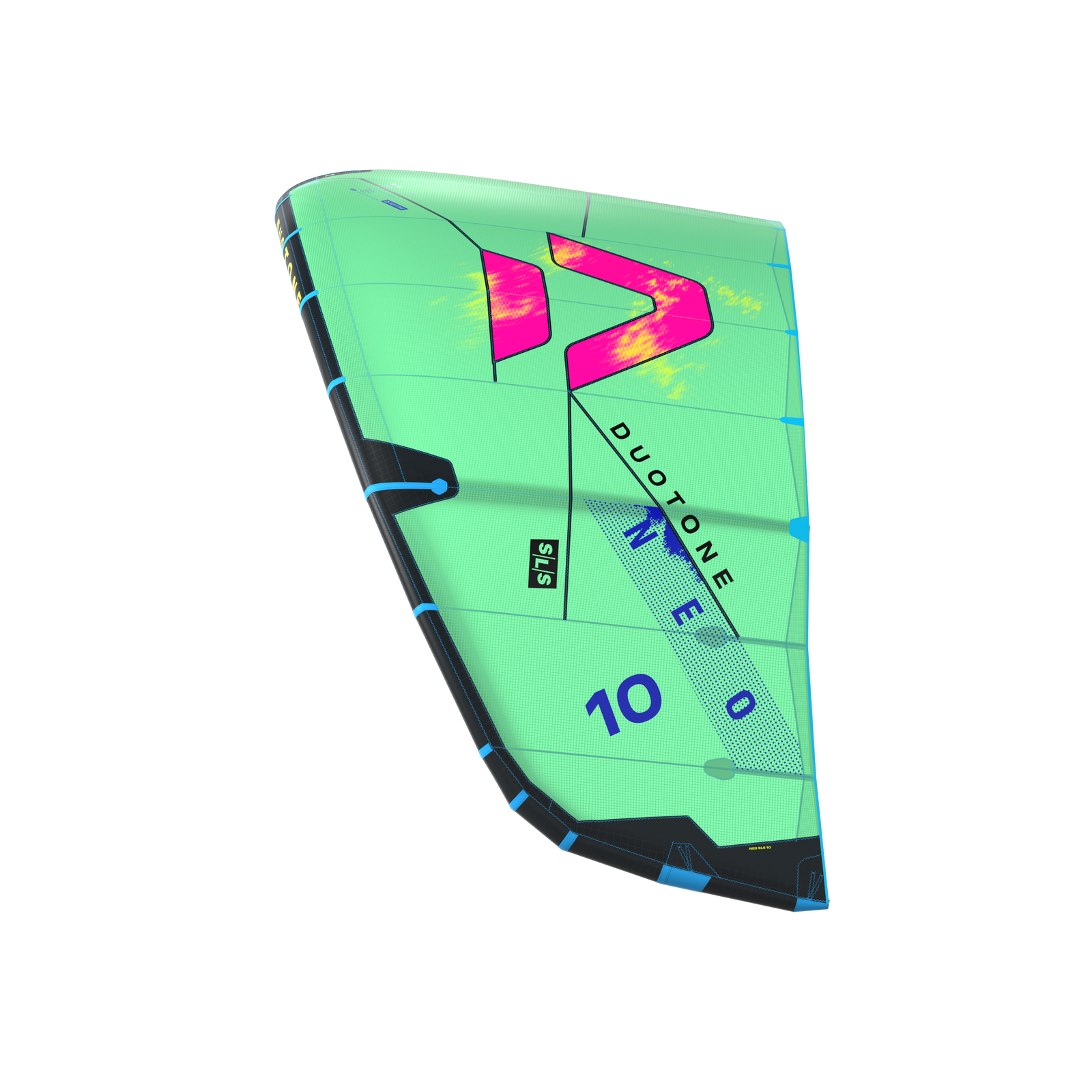
Prices and 2026 specs are pulled live from each product page. Confirm on the product page before checkout.
04 — MistakesThree mistakes we see every week
Ready to launch into open water?
Browse our complete range of kites and bars—we'll help you pick something stable for your first time.
Frequently asked
Stay in the bottom half of your kite's wind range. If your 14 m is rated 10–17 knots, aim for 10–12. You'll be underhooked, which is safer than overpowered in unfamiliar conditions.
This is why you pick your beach carefully. Never launch in a spot where downwind is rocks, piers, or deep water. If you drift, swim to shore and call it a session—you're learning, not proving anything.
Smaller is more stable in gusty open water. A Duotone Evo SLS 2026 or Duotone Dice SLS 2026 forgives windshifts better than a larger kite. Save size upgrades for when you're comfortable reading chop.
No—a good bar works anywhere. What matters is knowing your release cold and keeping your leash taut. Practice on flat water first, then trust your setup in the ocean.