Twin Tip vs Directional Kiteboard 2026 — Compared
Twin tips and directional boards solve different problems on the water. We'll walk you through the core differences so you pick the right one for how you actually ride.
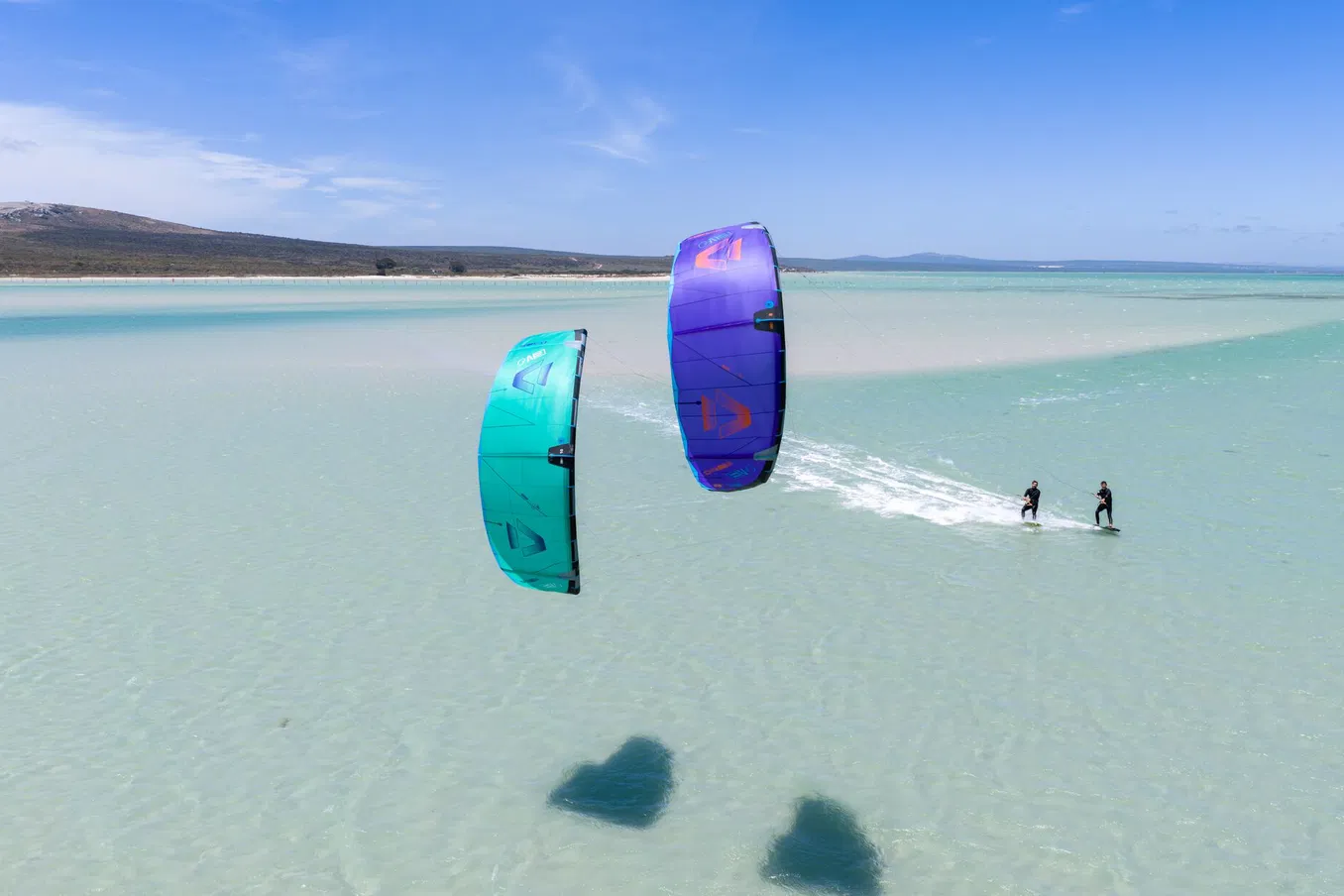
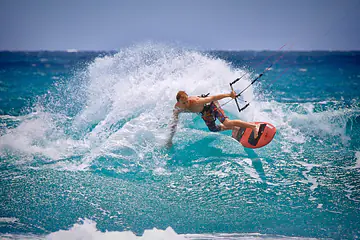
Pick a twin tip if you want freestyle tricks, switch riding, and one board that handles everything from flatwater to chop. Choose directional if you're chasing wave performance, downwind speed, or refined edge hold. Twin tips dominate park sessions; directionals own the waves. Our stock favours twin tips—boards like the Duotone Soleil SLS 2026 are built for riders who want versatility.
01 — Twin Tip SymmetryFreestyle & Park
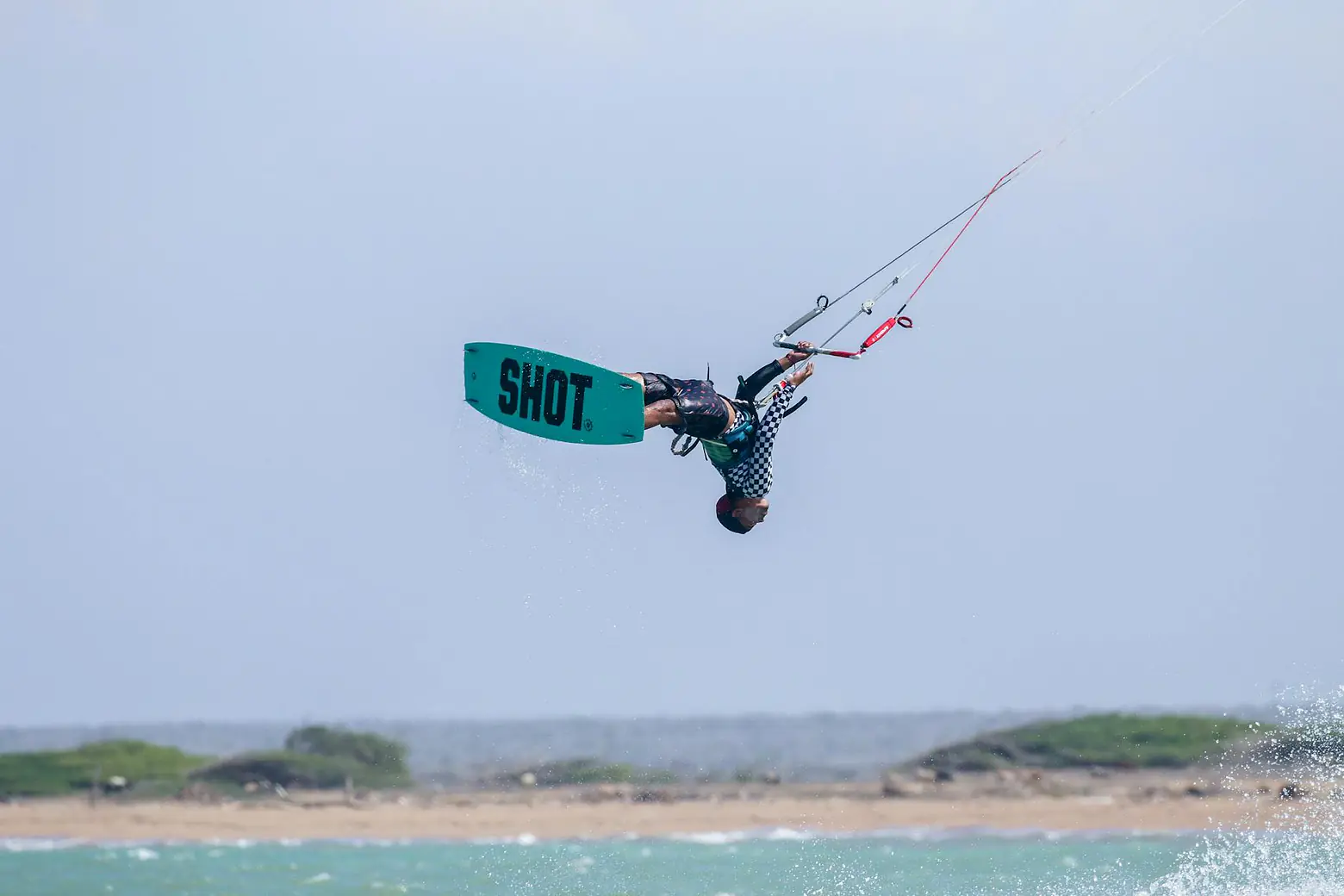
A twin tip has identical nose and tail, which means you can ride switch—forward or backward—without the board fighting you. That symmetry is why freestyle riders and park sessions love them. You land a trick, spin 180°, and ride out clean the other direction. No learning curve. No asymmetric bias.
They're also more forgiving in choppy water. The twin tip's balanced rocker and flex pattern absorb lumpy conditions without forcing you into a specific stance. Park riders, flat-water enthusiasts, and anyone learning tricks should start here. The Duotone Jaime SLS 2026 is our go-to for riders who want that all-rounder feel with responsive pop.
02 — Directional DriveWave Riding & Downwind
A directional board has a narrower tail, wider nose, and asymmetric rocker—all designed to point downwind and carve through waves. You get edge hold, drive, and speed a twin tip can't match. If you're riding coastal spots or chasing swell, directionals come alive. They don't flip or spin; they drive forward with intent.
The trade-off is lock-in. You commit to one direction, which means less versatility for tricks or switch riding. Directionals also demand more wind and swell to shine—they're less forgiving in light, choppy conditions. Wave riders, racers, and downwind enthusiasts should pick directional. The Cabrinha Cab Spectrum 2026 offers solid wave performance at an accessible price point.
03 — Our picksOur 4 In-Stock Picks
We stock twin tips for a reason—they're the board most riders need most of the time. Here are the four boards we have in right now, and why each one fits a different rider.
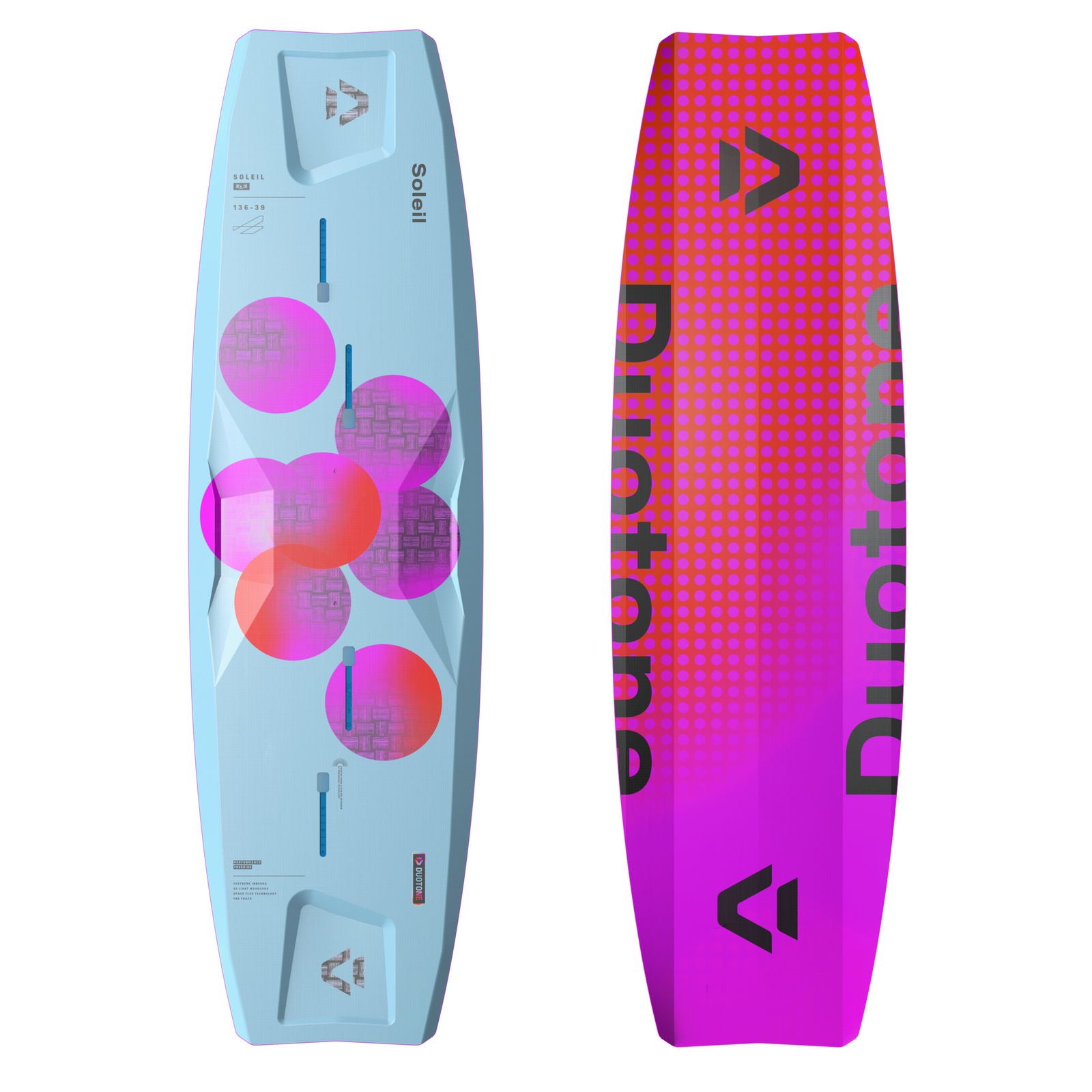
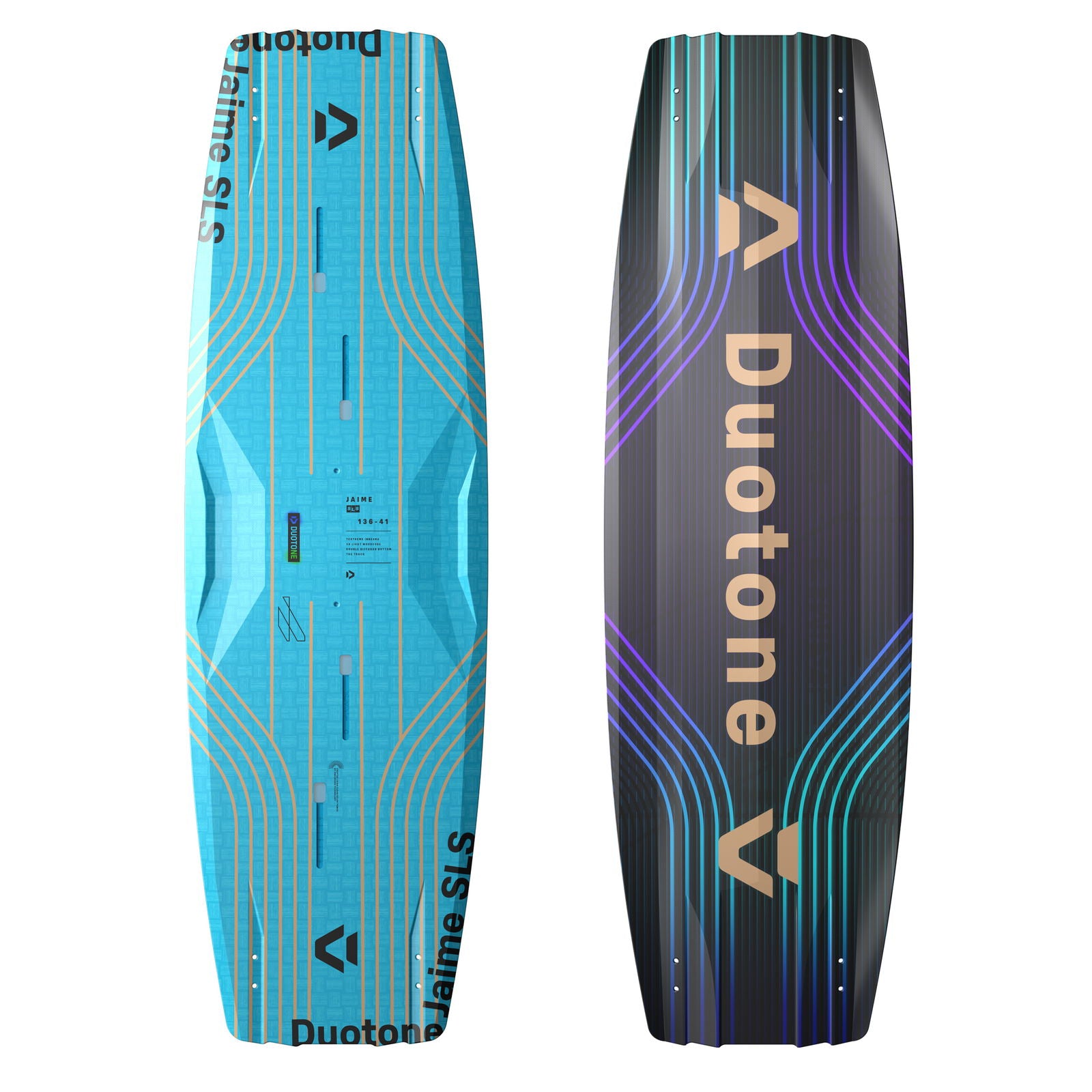
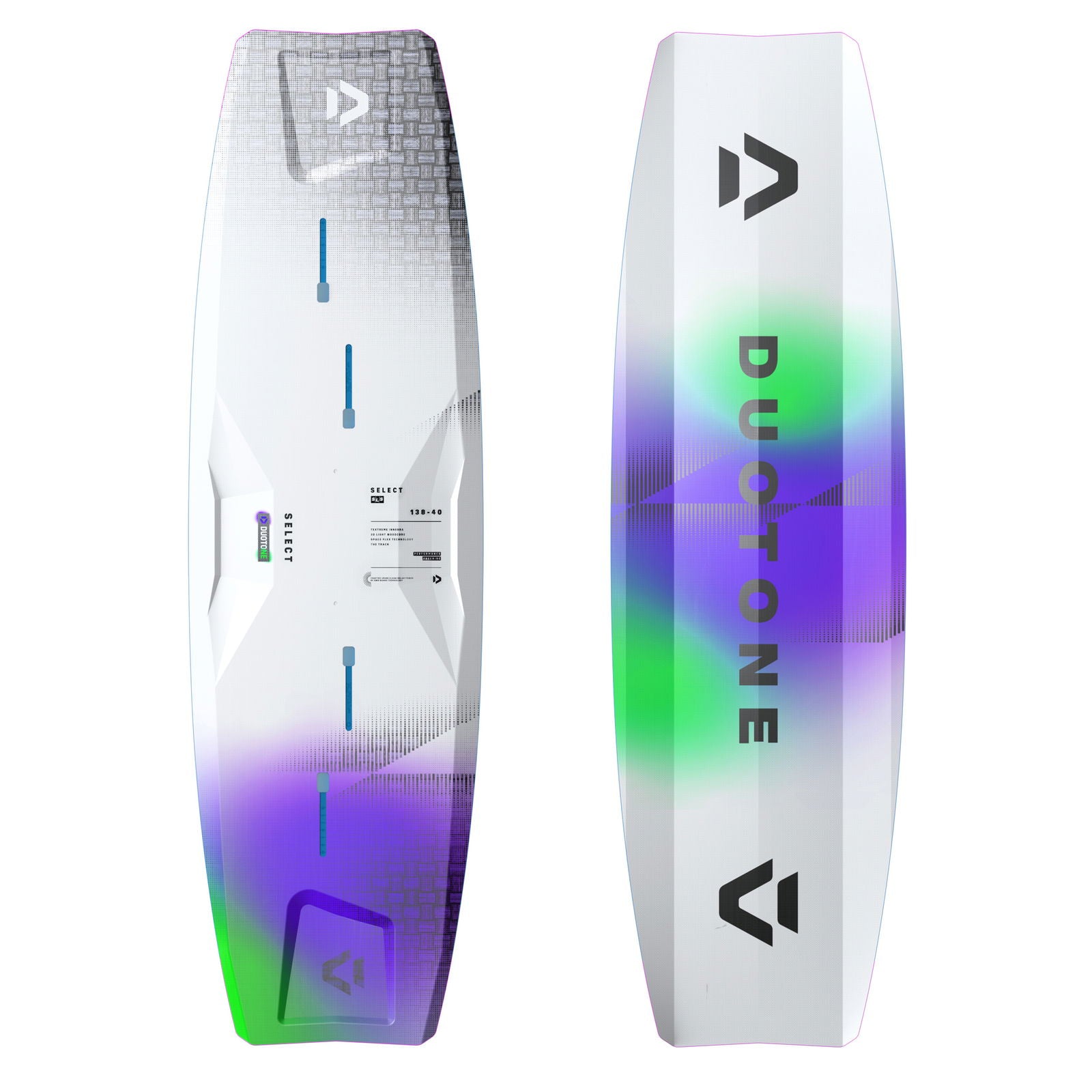
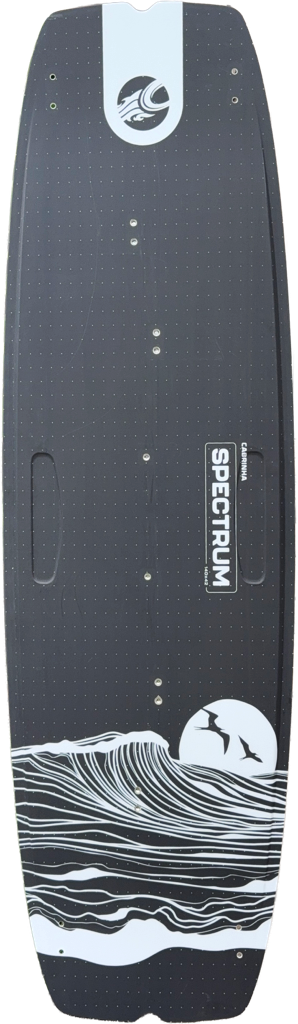
Prices and 2026 specs are pulled live from each product page. Confirm on the product page before checkout.
04 — MistakesThree mistakes we see every week
Ready to pick your board?
Browse our full range of twin tips and directionals, plus expert sizing advice on every product page.
Frequently asked
Technically yes, but it's much harder. Directionals are built to go forward, not spin or flip. Start on a twin tip, master the basics, then move to directional if you want wave-specific skills.
Most riders 55–100 kg ride 135–145 cm twin tips. Check the product page for specific volume and weight recommendations—every board is different.
Only if you're already comfortable on a twin tip and you're chasing waves or downwind speed. For general progression, a twin tip is the better investment.
Because most riders who walk into our shop are park, freestyle, or all-around enthusiasts. We stock what works. If you're a dedicated wave or downwind rider, we'll point you to directional options.