Can You Kitesurf in Rain? — Safety & Gear Advice
Rain won't kill your session—unstable wind will. Here's how to read conditions, stay warm, and know when to paddle in.
Kitesurfing in rain is safe if wind is steady, visibility is decent, and you're wearing a proper thermal wetsuit. The real risk isn't rain itself—it's unstable wind patterns and losing sight of other riders. Check conditions before you go, and let someone know your plan.
01 — Wind stabilityWhy Rain Sessions Aren't the Problem—Wind Is
Your kite doesn't care if it's raining. Wind pressure and lift work exactly the same way whether the sky is blue or grey. What kills a rain session is unstable wind—sudden gusts, dead lulls, or shifts that come with storm fronts. Rain itself just masks visibility and makes you colder.
Before you head out, check a reliable wind forecast. Look for steady 14–22 knots rather than swings between 10 and 28. If the forecast shows thunderstorms or pressure drops, stay ashore. Rain alone? Fine. Electrical activity or chaotic gusts? Paddle in.
02 — Thermal protectionWetsuit Choice: The Real Game Changer
Rain cools you fast. A 3/2 mm wetsuit works for summer showers in warm water, but autumn rain sessions demand a 4/3 mm or 5/4 mm suit. We've shipped thousands since 2003, and thermal protection is the one upgrade that separates a fun session from shivering misery.
Pair your suit with gloves if the air temperature drops below 12°C. Check water temp where you're riding—North Sea rain sessions need serious insulation. Tarifa and Cape Town riders tell us they prefer thicker suits during the rainy season, even when air feels mild.
03 — Our picksOur 4 In-Stock Picks for Rain-Ready Riding
Rain sessions often bring shifty wind, so you want a kite that forgives gusts and stays locked in lulls. Our buyers ride all four of these—pick based on your weight, usual wind range, and whether you prefer freestyle response or wave-riding stability.
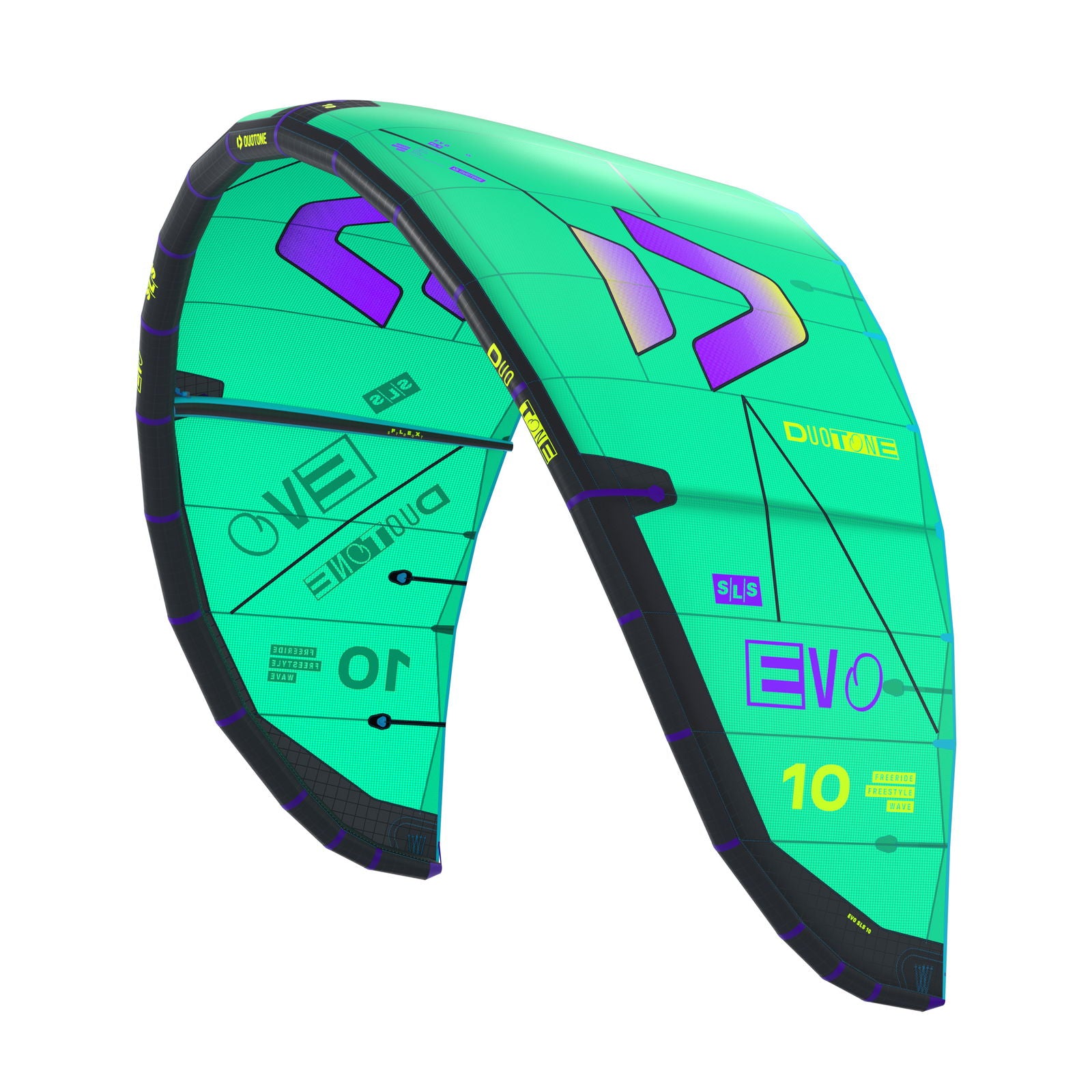
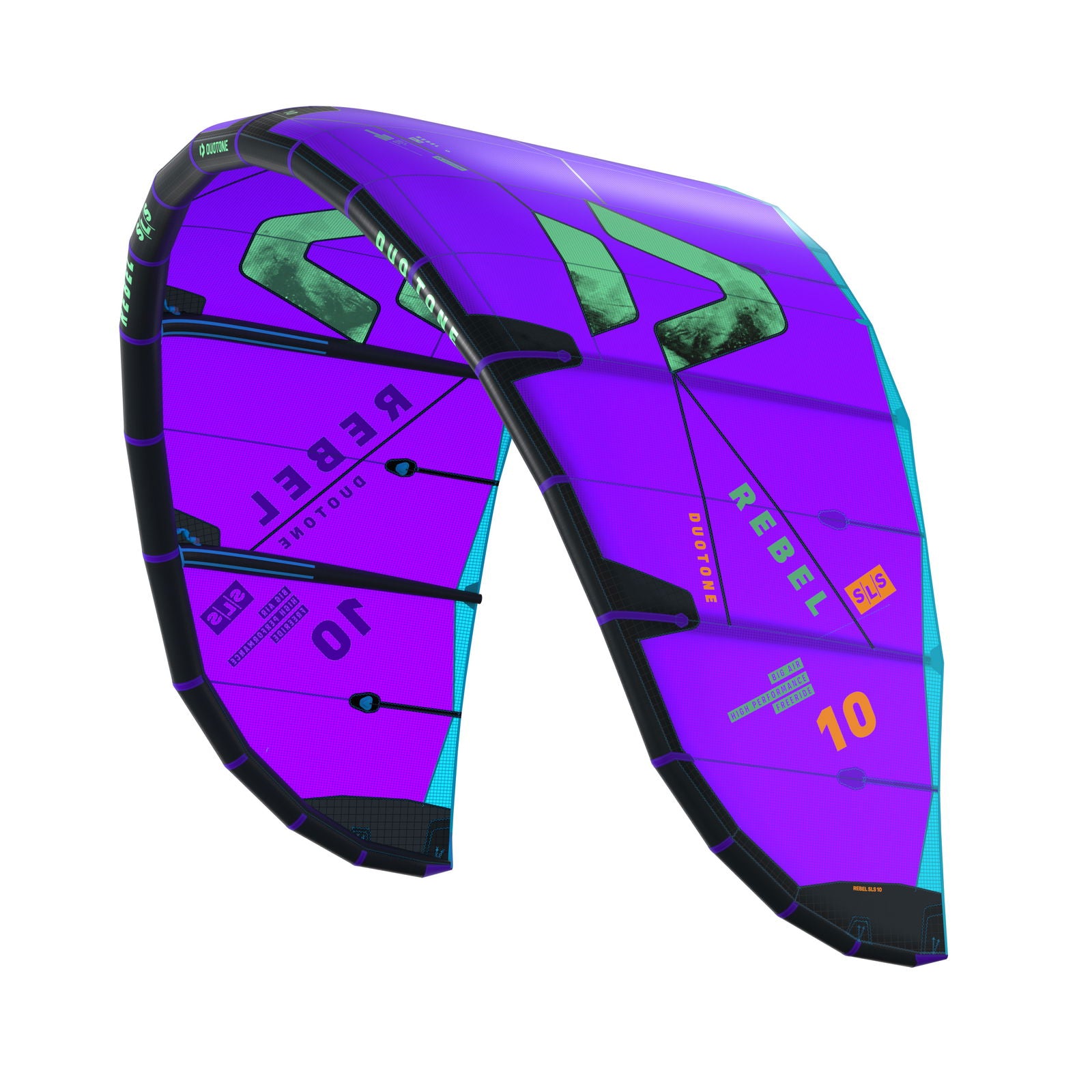
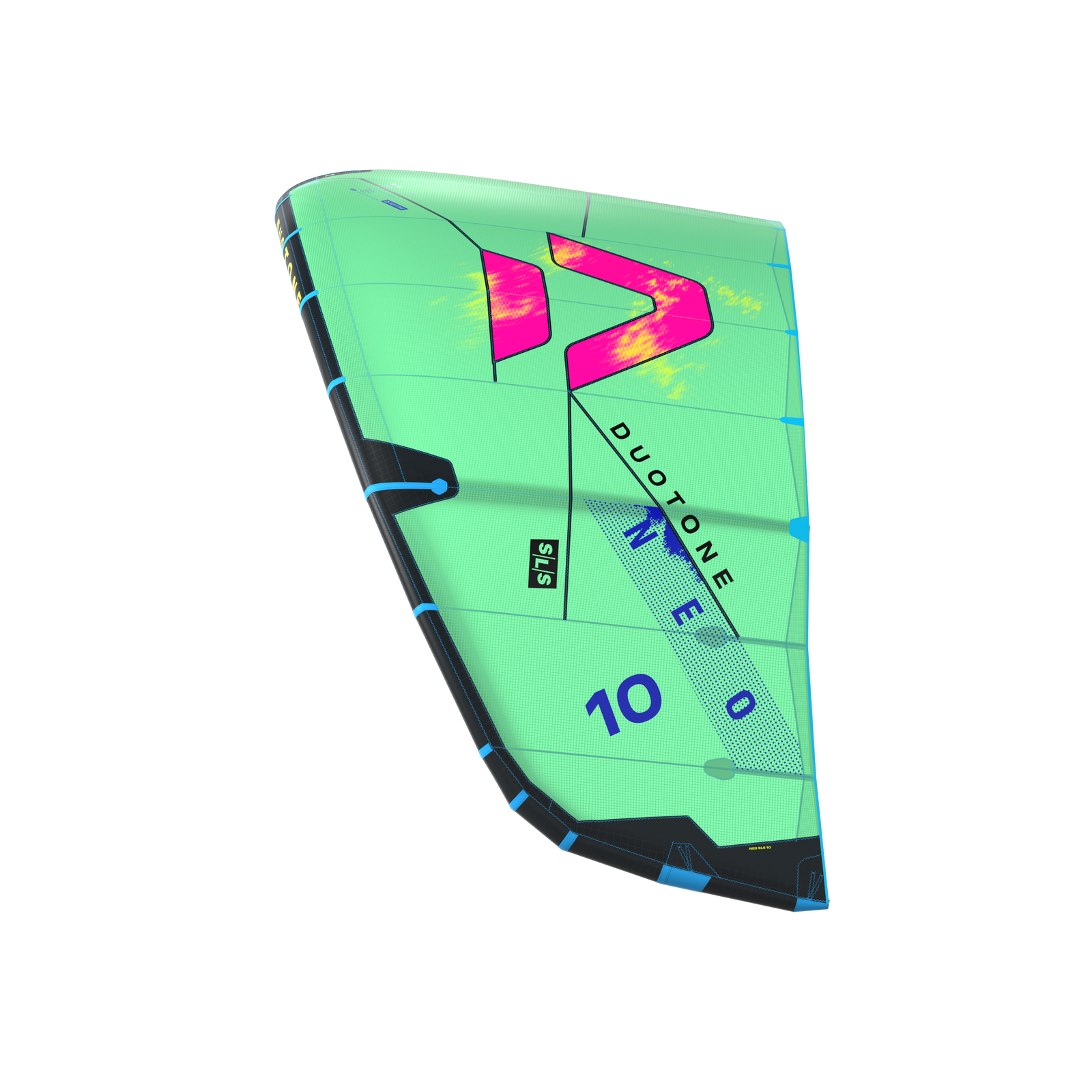
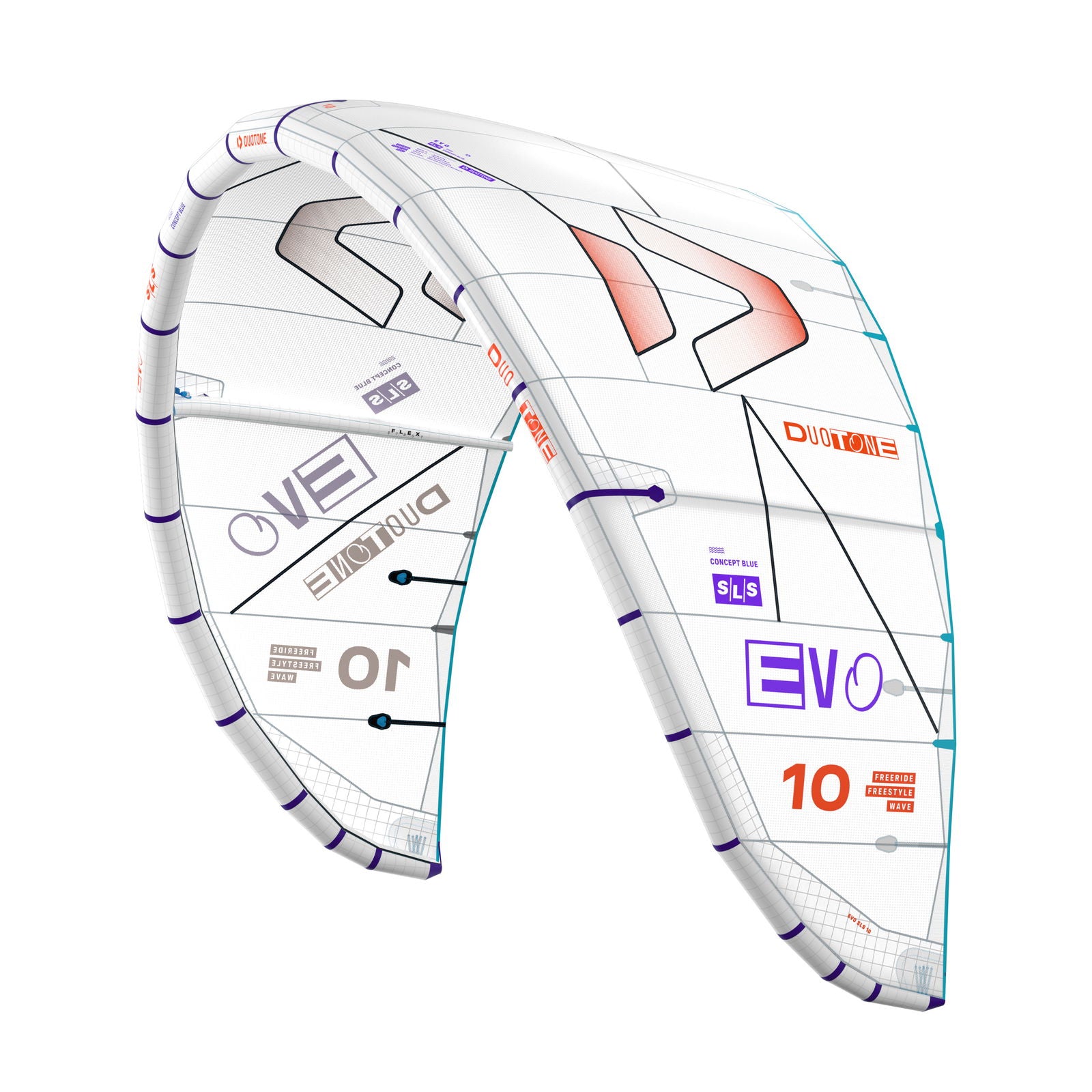
Prices and 2026 specs are pulled live from each product page. Confirm on the product page before checkout.
04 — MistakesThree mistakes we see every week
Ready to dial in your rain-session kit?
Browse our full range of Duotone and Cabrinha kites, boards, and thermal wetsuits.
Frequently asked
Yes. If you hear thunder or see lightning within 10 km, stay off the water. Your kite is a tall conductor. No session is worth it.
No. Rain doesn't reduce wind strength. Stick to your normal quiver size. If wind is lighter than usual, drop down as you always would.
Fresh water alone won't hurt. Salt spray in rain does—rinse your kit in fresh water within an hour of landing. Dry it fully before storing.
A hood helps with warmth and visibility. A hardshell helmet isn't needed unless you're in heavy chop or riding waves. Check your spot's conditions and past crashes.