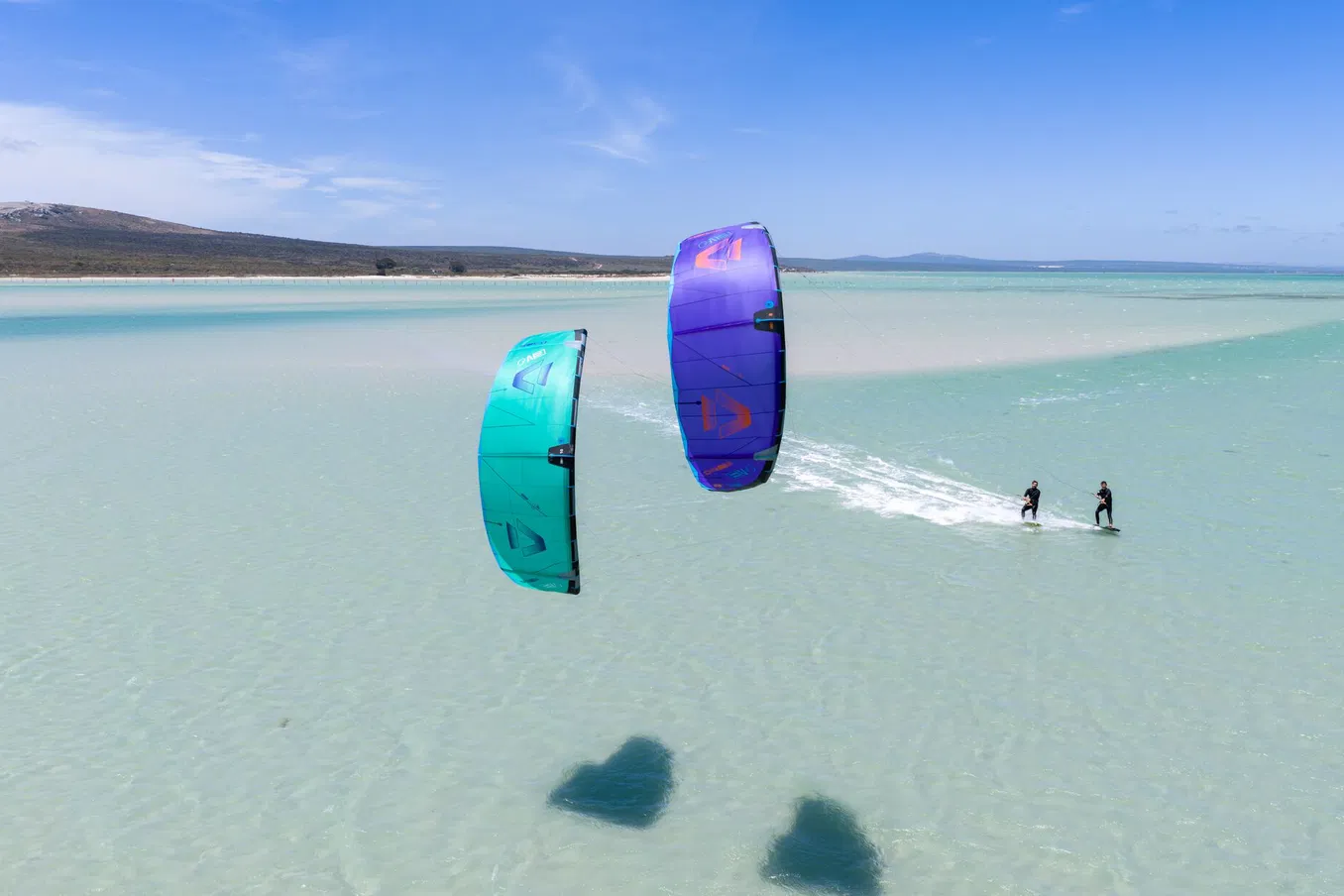
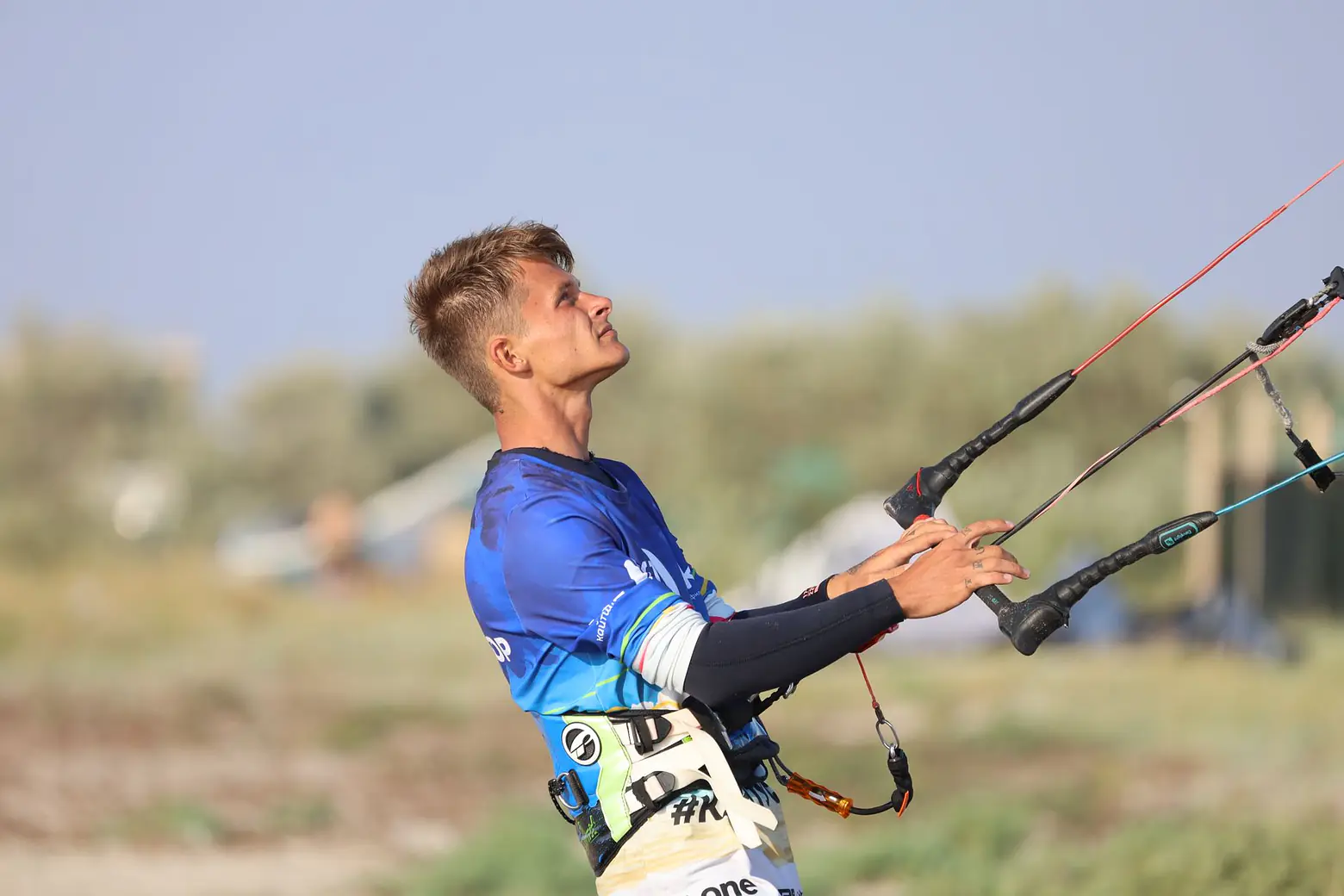
Kite Harness Setup for Big Air & Jumping — Settings Guide
Big air lives and dies by harness setup. The right tension, seat height, and hook position transform your pop from mediocre to explosive. This guide walks you through the exact settings that work.
For jumping in 12–20 knots, you need a harness that locks your weight transfer without restricting your core movement. Set your seat height higher in lighter wind (12–15 kt), lower in gusty conditions (16–20 kt), and dial your hook position forward to keep bar pressure consistent through the entire lift phase. The ION Spectre or ION Riot Curv are built exactly for this—they've got the adjustability and pad placement we need for repeated sends.
01 — Pressure & LockHarness Tension: The Foundation of Your Pop
Tension is the first thing you'll dial when you're chasing air. Too loose and you're fighting the kite instead of riding it. Too tight and your core can't fire, and you'll lose extension on the way up.
We recommend starting at what feels like a firm handshake—you should be able to slide one finger under the spreader bar, not two. In light wind (12–15 knots), tighten it by one notch so the kite sits closer to your body and bar pressure stays constant as you load. In gusty wind, loosen slightly so you're not fighting sudden lulls.
The ION Spectre gives you micro-adjustments here; the Riot Curv spreads the load across a wider pad so tension feels more progressive.
02 — Position & LeverageSeat Height: High Wind vs. Light Wind Strategy
Seat height controls where the kite pulls relative to your pivot point. Higher (further up your torso) = more mechanical advantage in light wind. Lower (closer to your hips) = more control in gusts and easier pop rotation.
Light wind (12–15 kt): Push the seat up so the hook sits at your lowest rib. This lifts the bar higher and gives your weight more leverage when you load the kite. You'll feel the difference instantly on your second jump.
Gusty wind (16–20 kt): Drop the seat one or two holes lower. It brings the pivot point down, makes the kite feel less twitchy, and keeps you from overrotating when a gust hits mid-air.
The ION Muse harness for women and the Spectre for men both have marked adjustment holes—no guessing.
03 — Our picksHook Position: The Overlooked Detail
Most riders ignore hook position and it costs them. Moving the hook forward (toward your ribs) keeps the bar pressure even as you lift off; moving it back spreads load but makes the bar feel heavier mid-jump. For big air, move it forward by 2–3 cm from neutral.

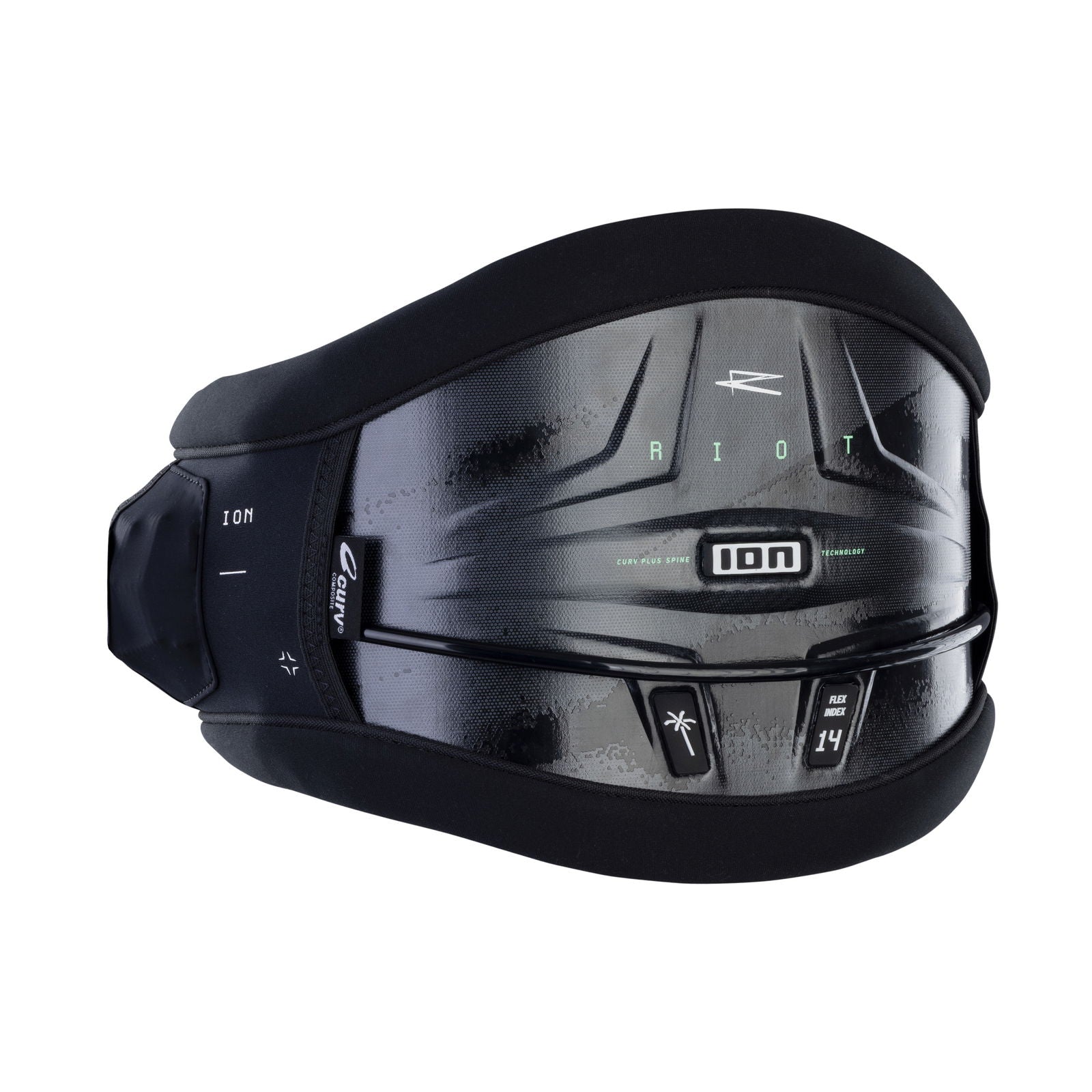
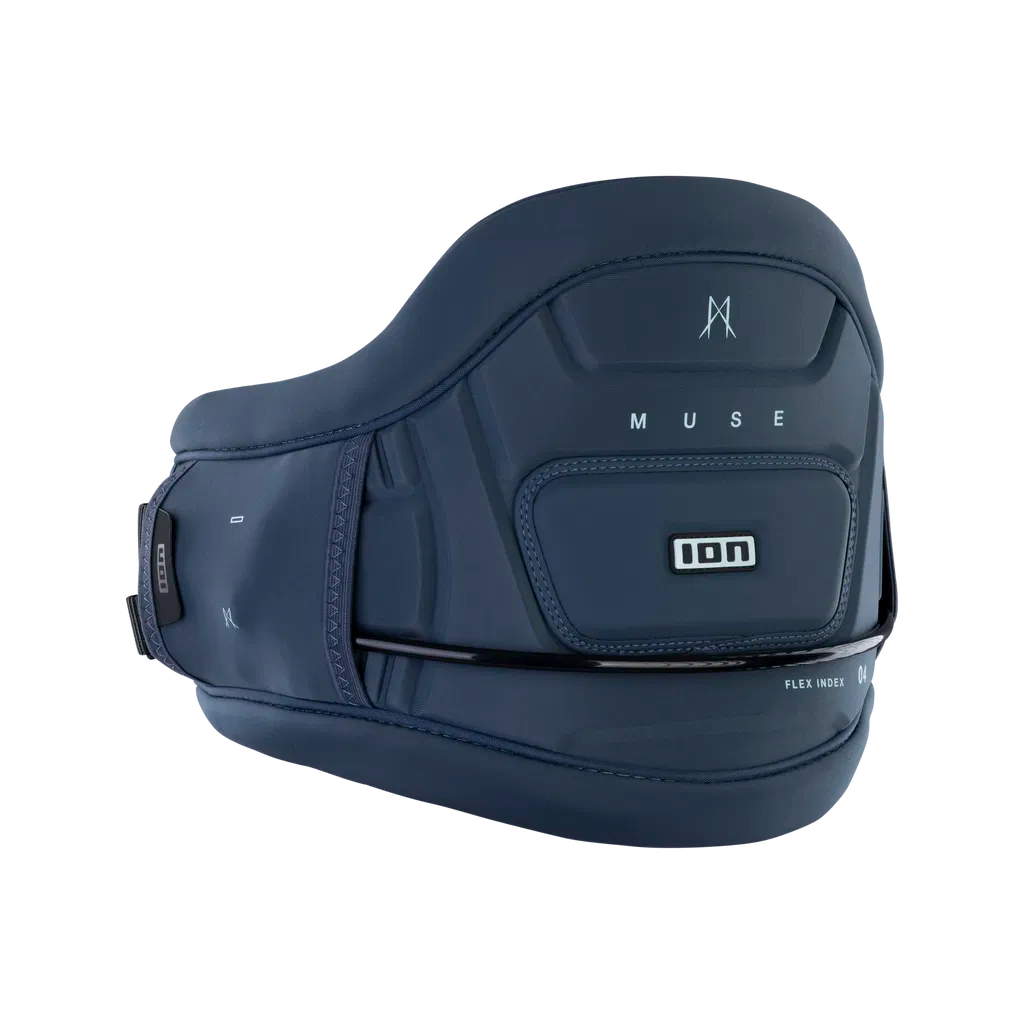
Prices and 2026 specs are pulled live from each product page. Confirm on the product page before checkout.
04 — MistakesThree mistakes we see every week
Ready to dial your setup?
Check our harness range and find the right size and model for your weight and wind.
Frequently asked
Size by waist measurement in cm. We carry standard European sizes (XS to XXL). If you're between sizes, go up one—a loose harness is worse than a snug one. Check the product page for your exact size.
Slide one finger under it when you're standing still. That's your baseline. Tighten for light wind, loosen slightly for gusts.
Seat too low or hook too far back. Move the seat up two holes and shift the hook forward. You should feel instant relief.
Yes. Most riders carry a multi-tool. If wind shifts 4–5 knots, one notch of seat height or spreader tension makes a real difference.