Trade Wind Kitesurfing — Why It Is So Good
Trade winds are the most reliable wind you'll find on the planet. They deliver consistent 12–25 knots almost every day across the Atlantic, with zero waiting for storms. If you want pure progression without drama, here's what you need to know.
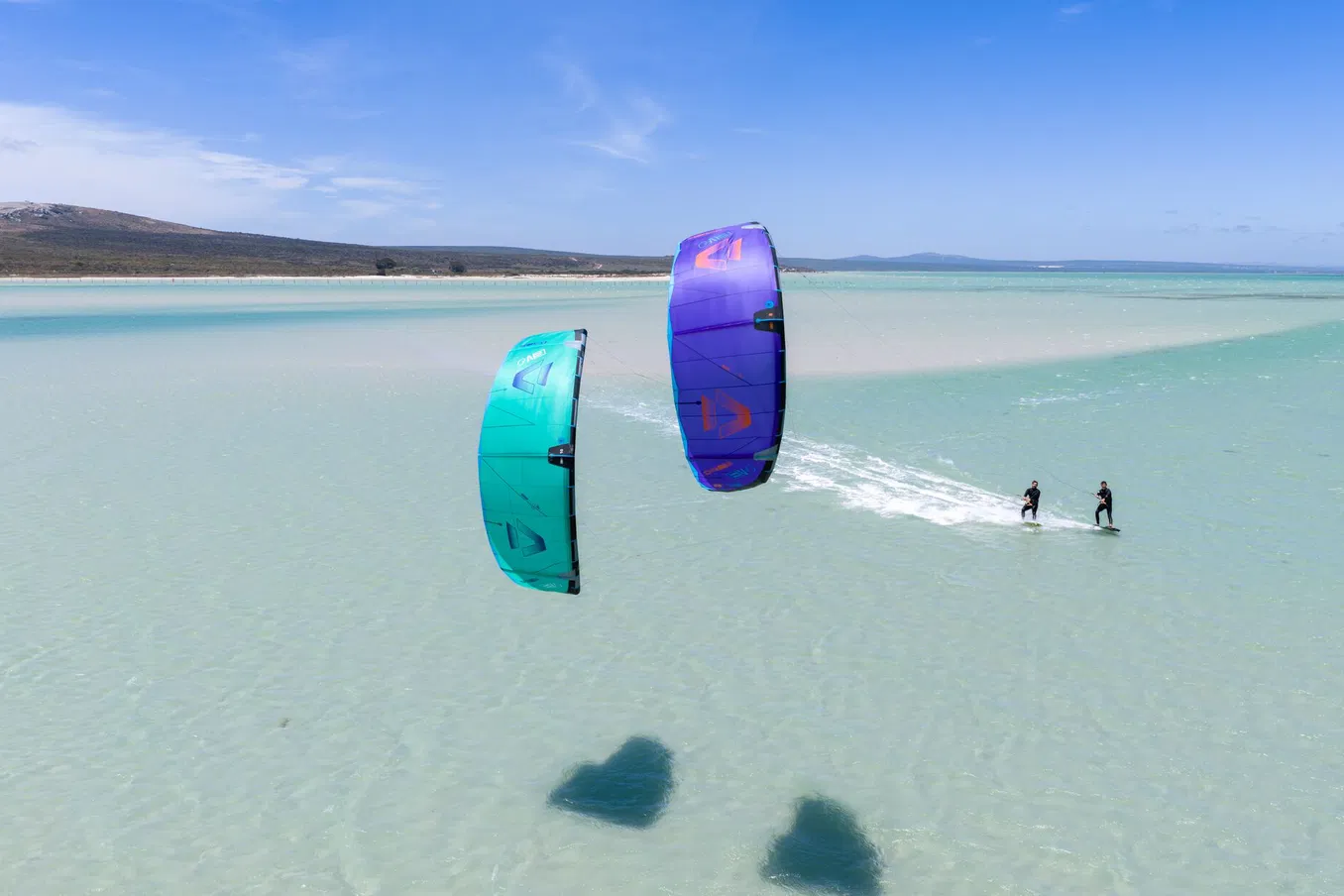
Trade winds blow northeast across the Canary Islands and West Africa year-round, starting glassy at 12–16 knots in early morning and building to 16–22 knots by midday. You'll ride a 9 m² or 12 m² kite most sessions. Pick a stable all-rounder like the Duotone Evo SLS that won't need constant trimming as the breeze stiffens. Wind rarely exceeds 25 knots, so you won't need a 7 m² unless you're heavy or riding downwind every session.
01 — ReliabilityWhat Trade Winds Are—And Why They Never Stop
Trade winds aren't seasonal gusts or thermal blips. They're permanent high-pressure systems born from the Atlantic that blow northeast across the Canary Islands, Cape Verde, and beyond. Riders from Tarifa to the Azores tell us they can plan a trip months ahead and know the wind will be there.
Here's the pattern: early morning is glassy at 12–16 knots—perfect for learning. By 10:00 it jumps to 16–18 knots. Midday hits 18–22 knots. Then it holds steady or drops slightly in the evening. Wind rarely spikes above 25 knots unless a proper low-pressure system rolls in, which happens maybe once or twice a season.
No waiting for a swell forecast. No checking jet streams at midnight. You show up, the wind is there, and you ride the same conditions every day. That consistency is why Fuerteventura and Cape Town are the world's best progression zones.
02 — SizingWhich Kite Size and Shape for Trade Wind Riding
Trade wind consistency means you don't need a massive quiver. If you're 70–85 kg, a 9 m² and a 12 m² will cover almost every session. The 9 m² works when the wind builds past 18 knots; the 12 m² handles the glassy 12–16 knot mornings and light afternoon lulls.
Shape matters more in steady wind. Stable, forgiving kites that don't need constant correction let you focus on technique, not fighting gusts. The Duotone Evo SLS and Duotone Neo SLS are both designed for this—they sit in the wind window predictably and won't punish small bar mistakes. If you want to push harder into the wind and carve tighter, the Duotone Rebel SLS gives you more response without sacrificing stability.
Avoid race kites or ultra-technical designs here. Trade winds reward simplicity. A 12 m² all-rounder will teach you more than three specialist kites ever could.
03 — Our picksOur 4 In-Stock Picks
We've sold thousands of these since 2003 to riders learning in Fuerteventura and Cape Town. Each one is built to handle the trade wind sweet spot—12 to 22 knots—without complaint.
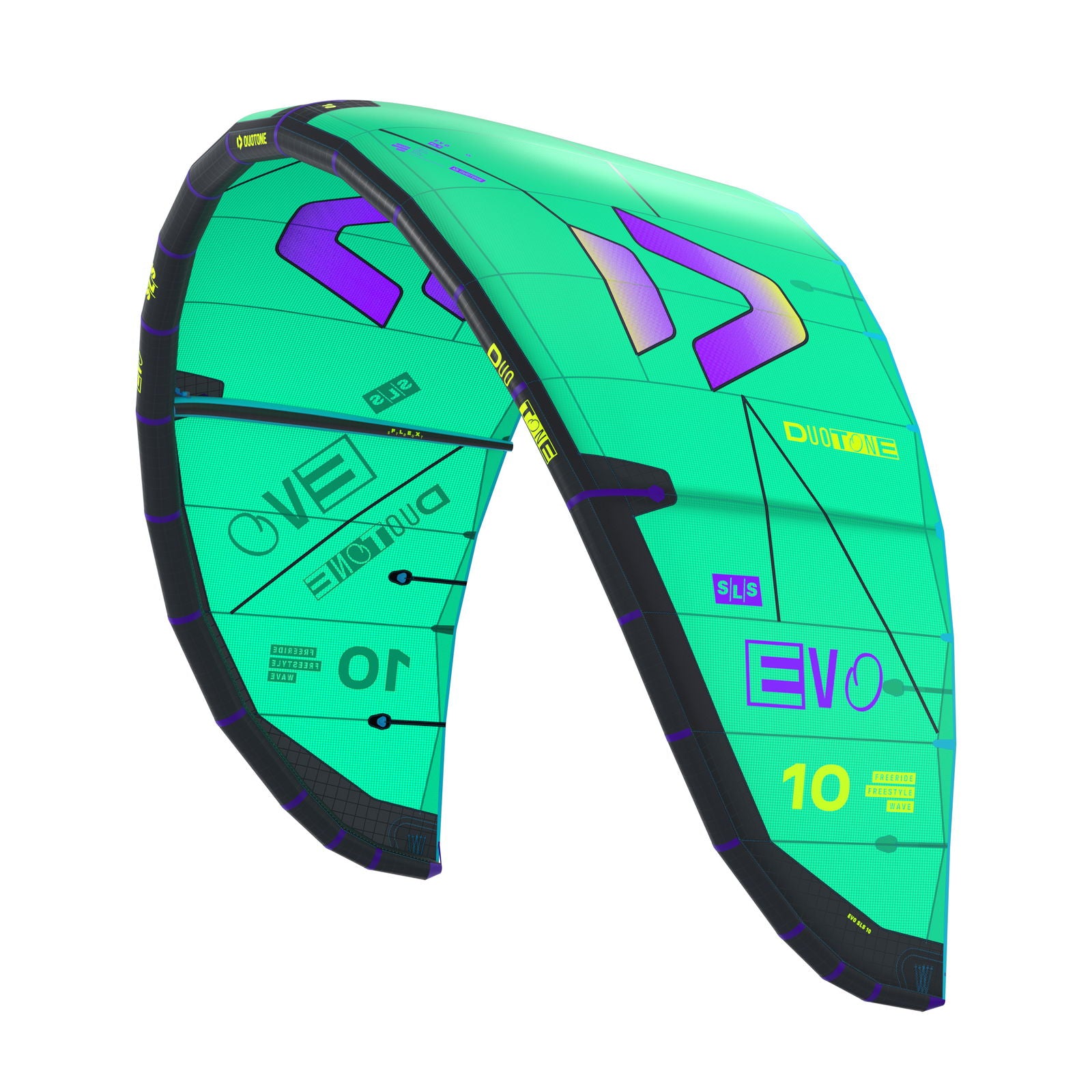
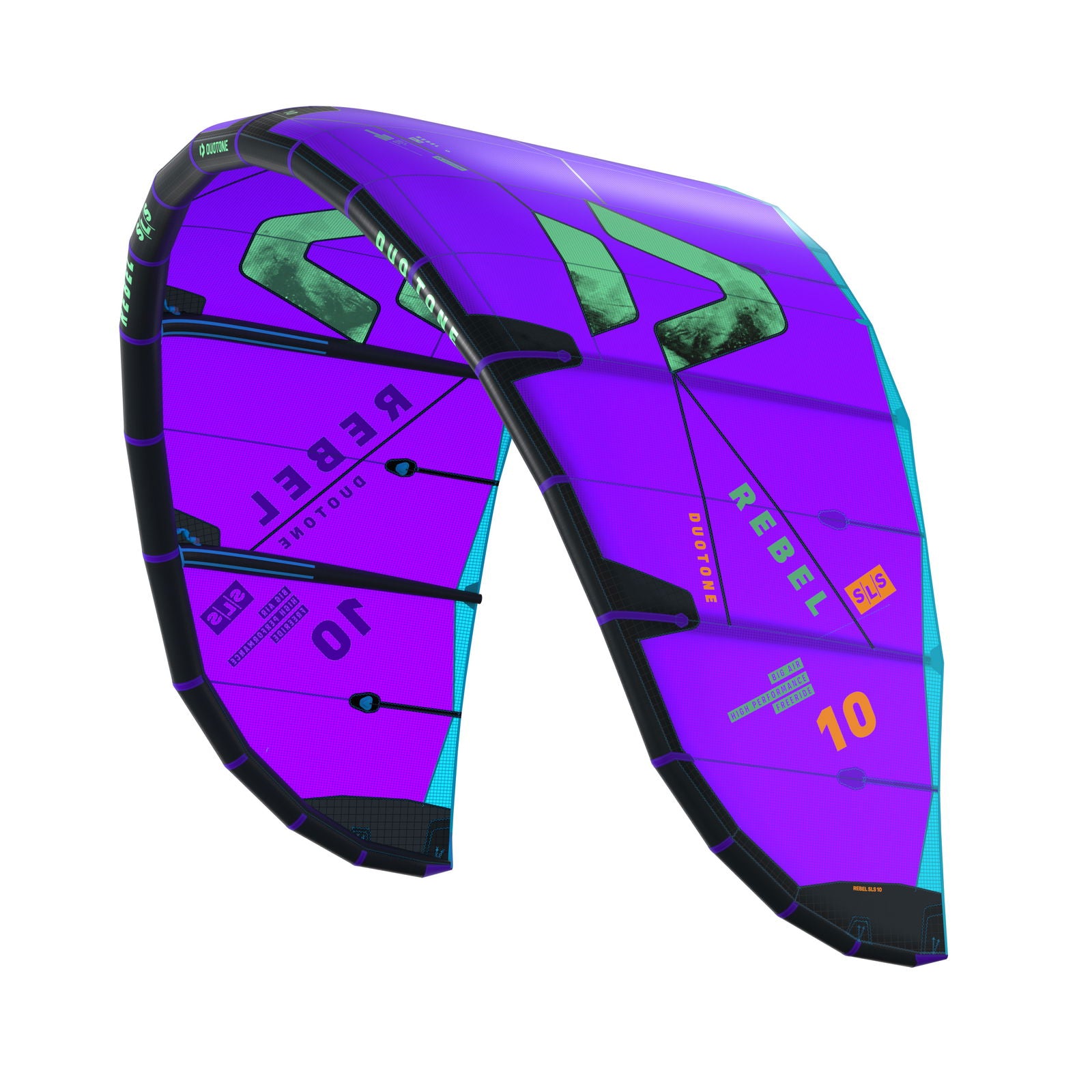
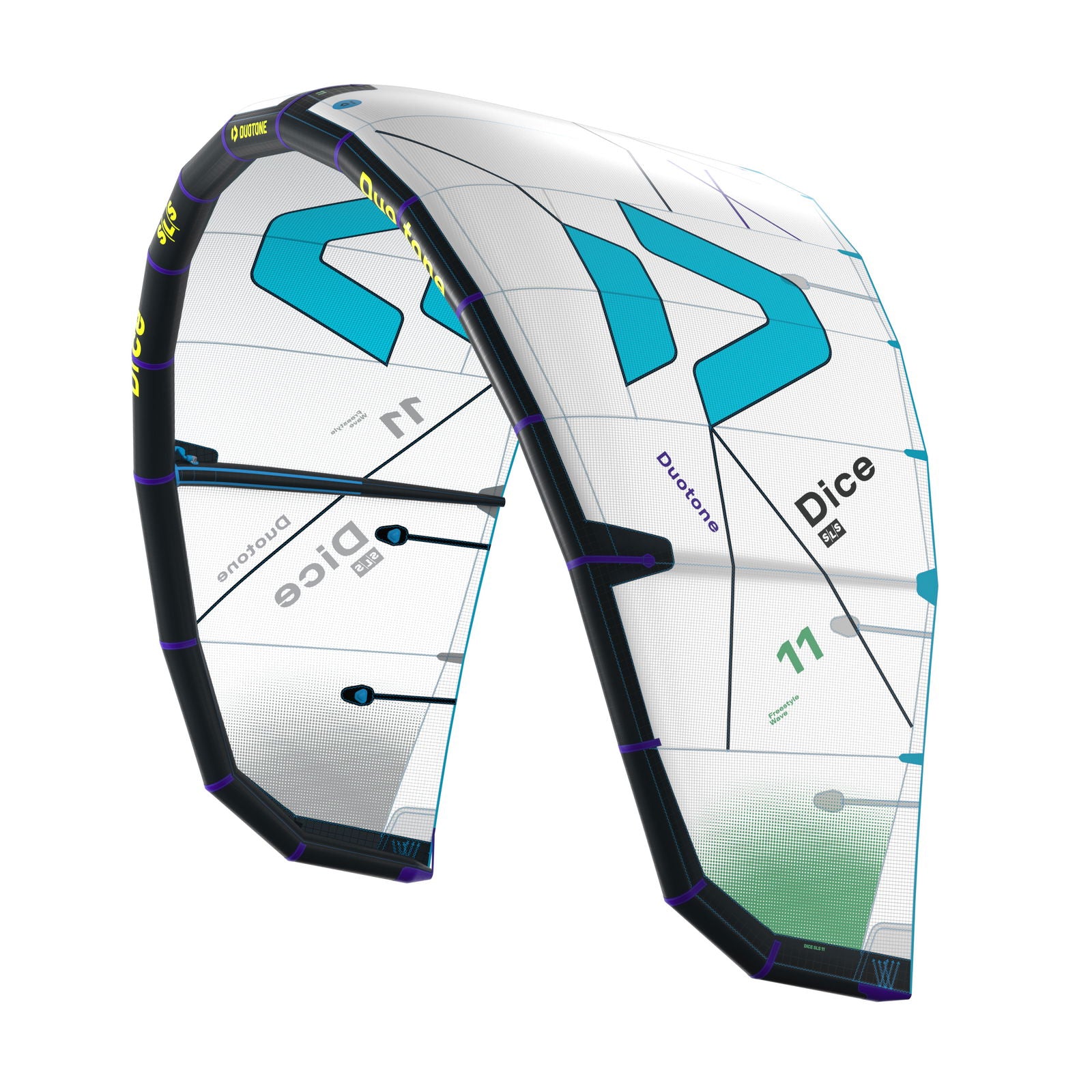
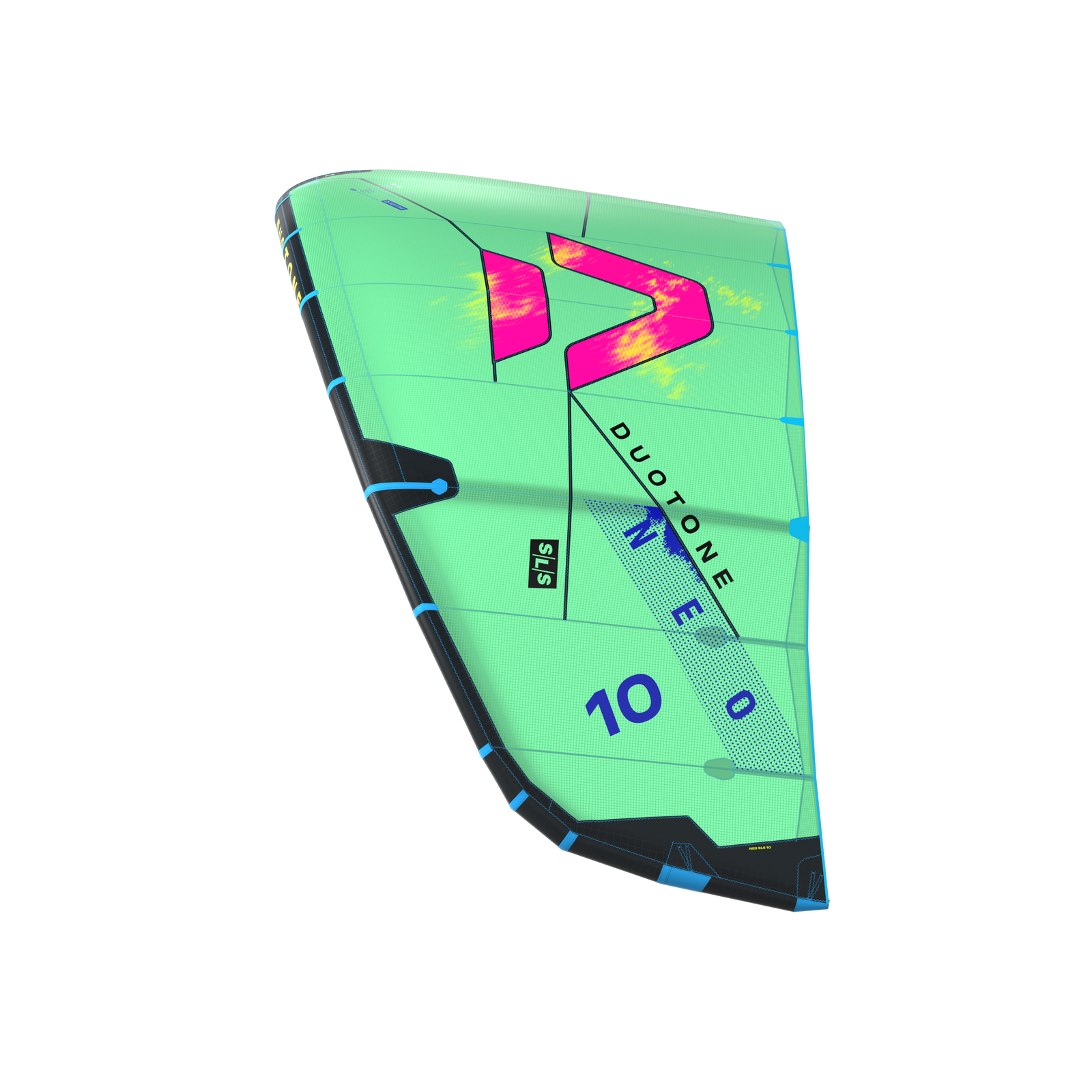
Prices and 2026 specs are pulled live from each product page. Confirm on the product page before checkout.
04 — MistakesThree mistakes we see every week
Ready to ride trade winds?
Browse our Duotone and Cabrinha kites in all sizes, plus complete quivers ready to ship across Europe.
Frequently asked
Trade winds blow year-round, but they're most reliable and consistent June through October. Winter sees occasional lulls, but they still show up 80% of the days.
Absolutely. The consistency and predictability make trade winds ideal for beginners. A 12 m² kite in 12–16 knots is textbook learning weather—no surprises, no power surges. You'll progress faster than in variable wind.
No. A 9 m² and 12 m² cover about 90% of sessions if you're 70–85 kg. Add a 7 m² only if you're heavy (over 85 kg) or ride in gusty afternoon conditions where the wind tops 25 knots often.
The Duotone Neo SLS or Duotone Evo SLS. Both are forgiving, stable, and don't need constant bar pressure. The Neo sits lower in price; the Evo gives you slightly more control edge. Either will teach you everything.