Kitesurfing in Shallow Water — Safety & Technique Guide
Shallow water isn't off-limits—it's a learnable skill that opens up spots you'd otherwise skip. We'll walk you through kite choice, body positioning, and line management that keep you safe when the water gets thin.
Shallow-water success hinges on kite position awareness, low-speed body control, and line tension management. Keep your kite high and active, stay alert to seabed changes, and practise recovery resets before you need them. Lighter, more responsive kites like the Duotone Neo SLS or Duotone Dice SLS handle shallow conditions better than bulky alternatives.
01 — Physics & RiskWhy Shallow Water Changes Everything
Under 2 metres, seabed friction kills your speed fast. You can't carve away from hazards like you would in deep water, and your kite has less apparent wind to work with. Every movement matters more.
Your margin for error shrinks. One stall, one mistimed edge—and you're swimming or dragging your board through sand. The good news: you can manage this with the right technique and the right kite. Most shallow-water spots we've shipped gear to (Tarifa's lagoons, the UK estuary runs, even Denmark's protected bays) demand kites that forgive hesitation and stay responsive at low pressure.
02 — Size & DesignKite Choice for Shallow Riding
In shallow water, forget bulky, slow-turning kites. You need something that stays alive when the wind drops and pivots instantly when you need it. A 9 m² or 12 m² is your sweet spot—large enough to hold power in light chop, small enough to control in crowded or tight spaces.
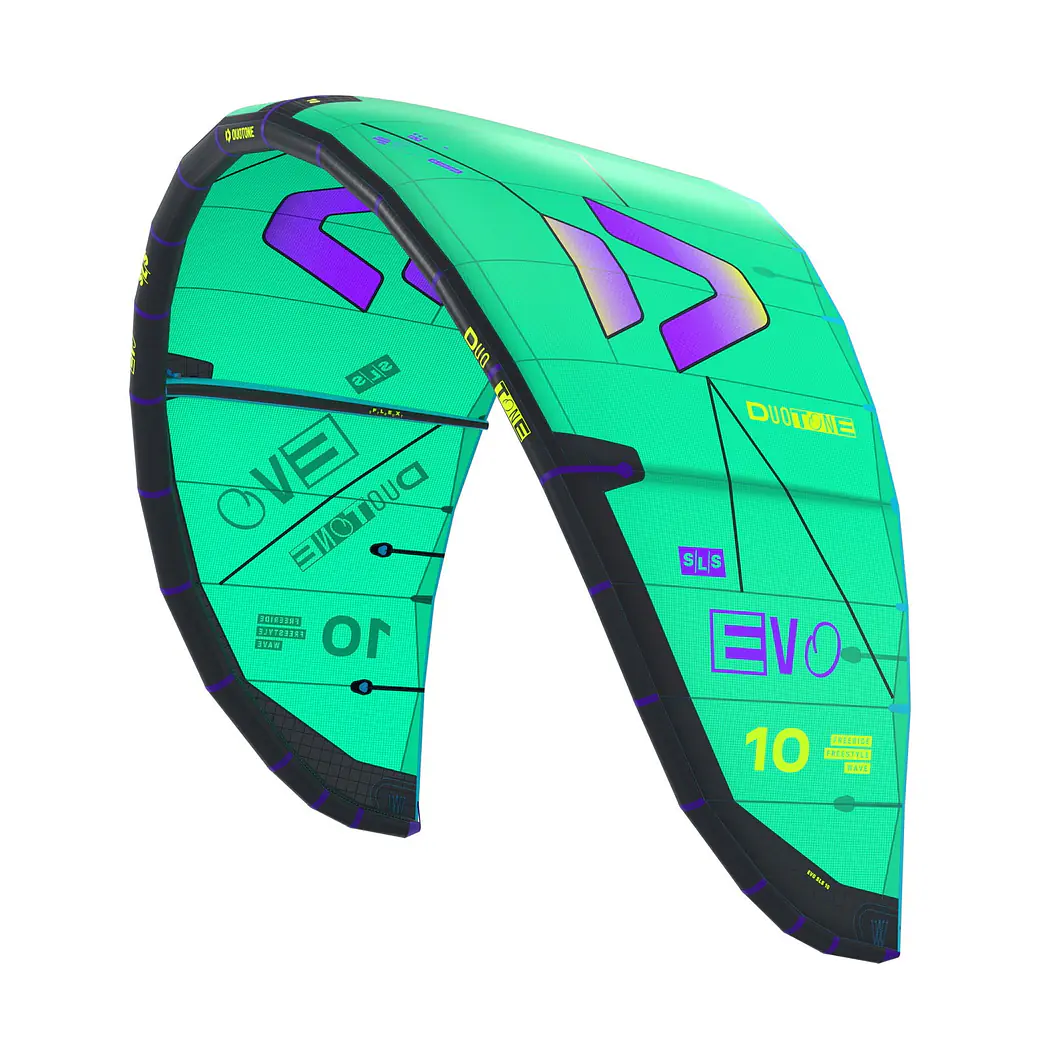
Look for kites with shorter bridle geometry and direct steering response. The Duotone Neo SLS and Duotone Dice SLS are specifically designed for this: they sit higher in the window, respond faster to bar input, and won't lock you into a dive if your timing's off. If you're riding 12–16 knots in shallow conditions, a 12 m² Evo SLS gives you forgiveness without the lag. Avoid oversized kites (14 m² and up) until you've logged hours in deeper water.
03 — Our picksOur 4 In-Stock Picks
We've picked these four Duotone kites because they're stocked here, proven in shallow spots across Europe, and designed for the control and responsiveness shallow water demands. Each size handles different wind ranges and rider styles—find your fit below.
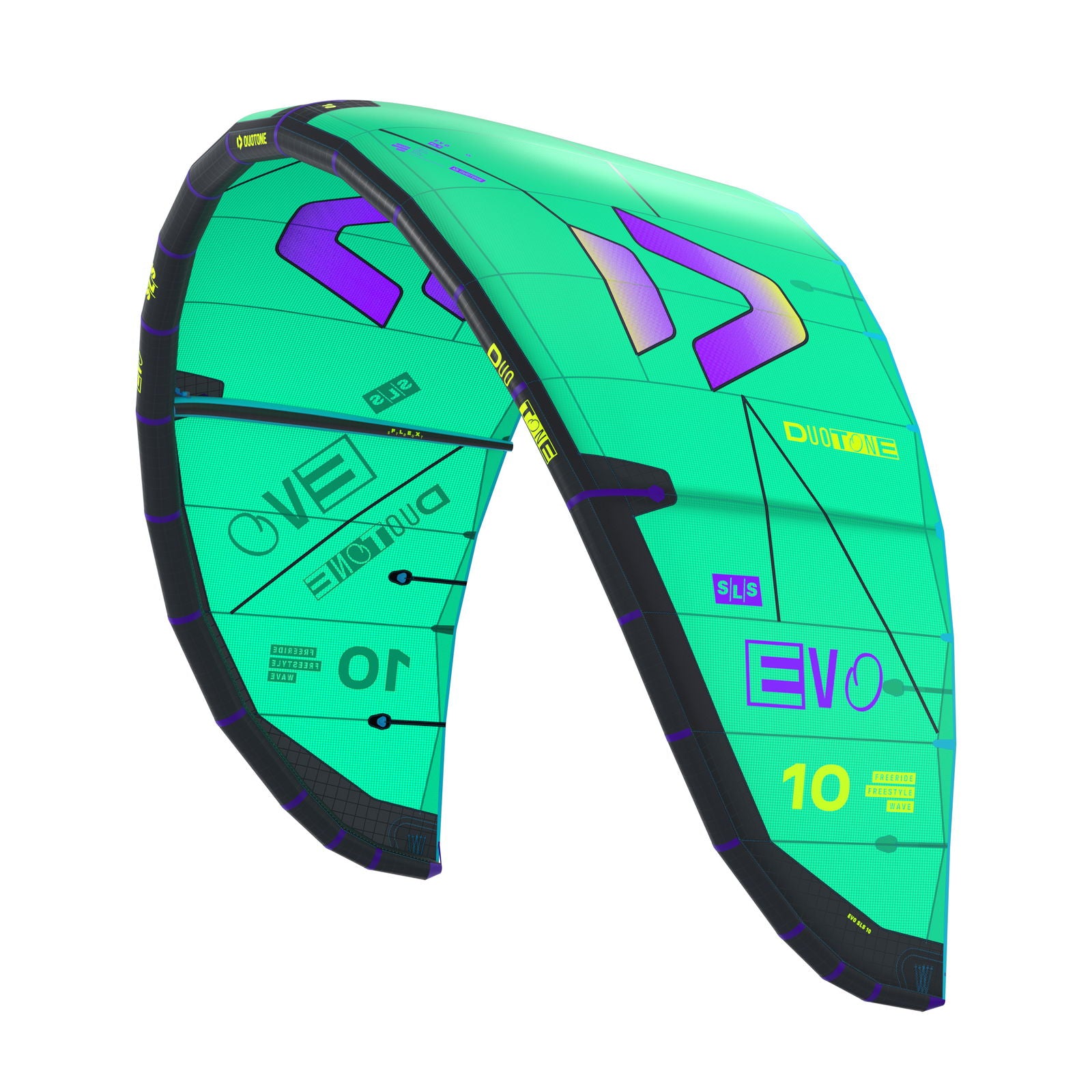
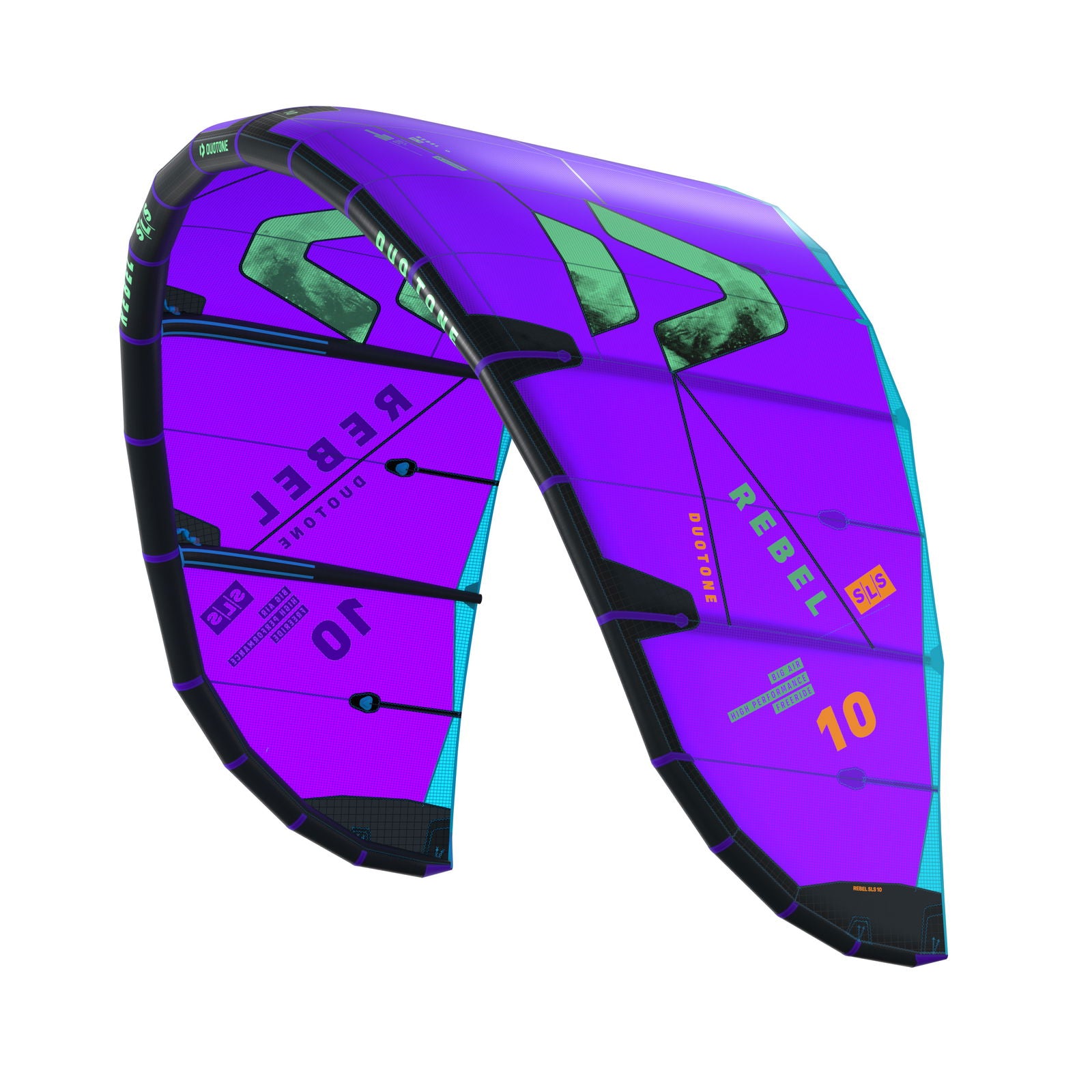
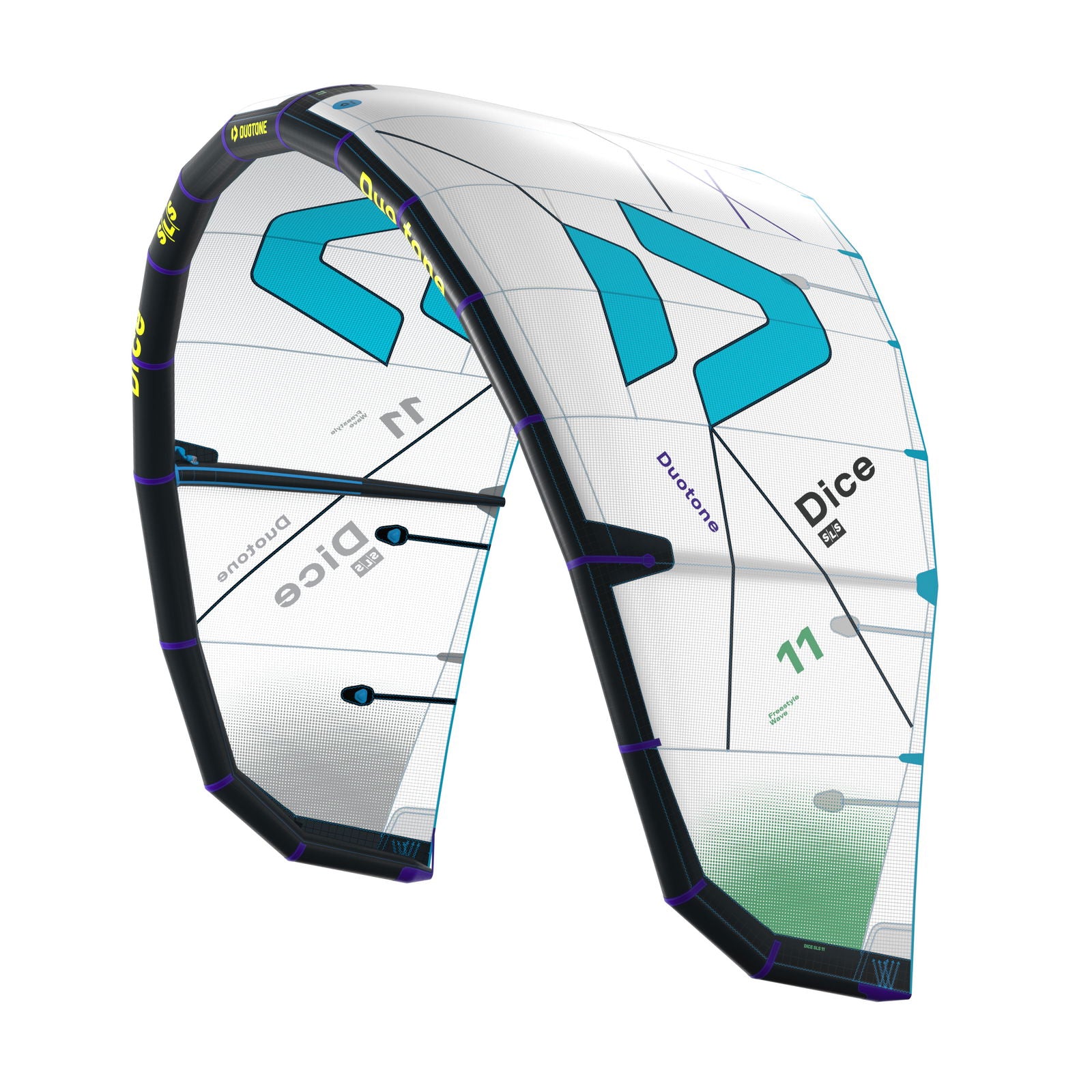
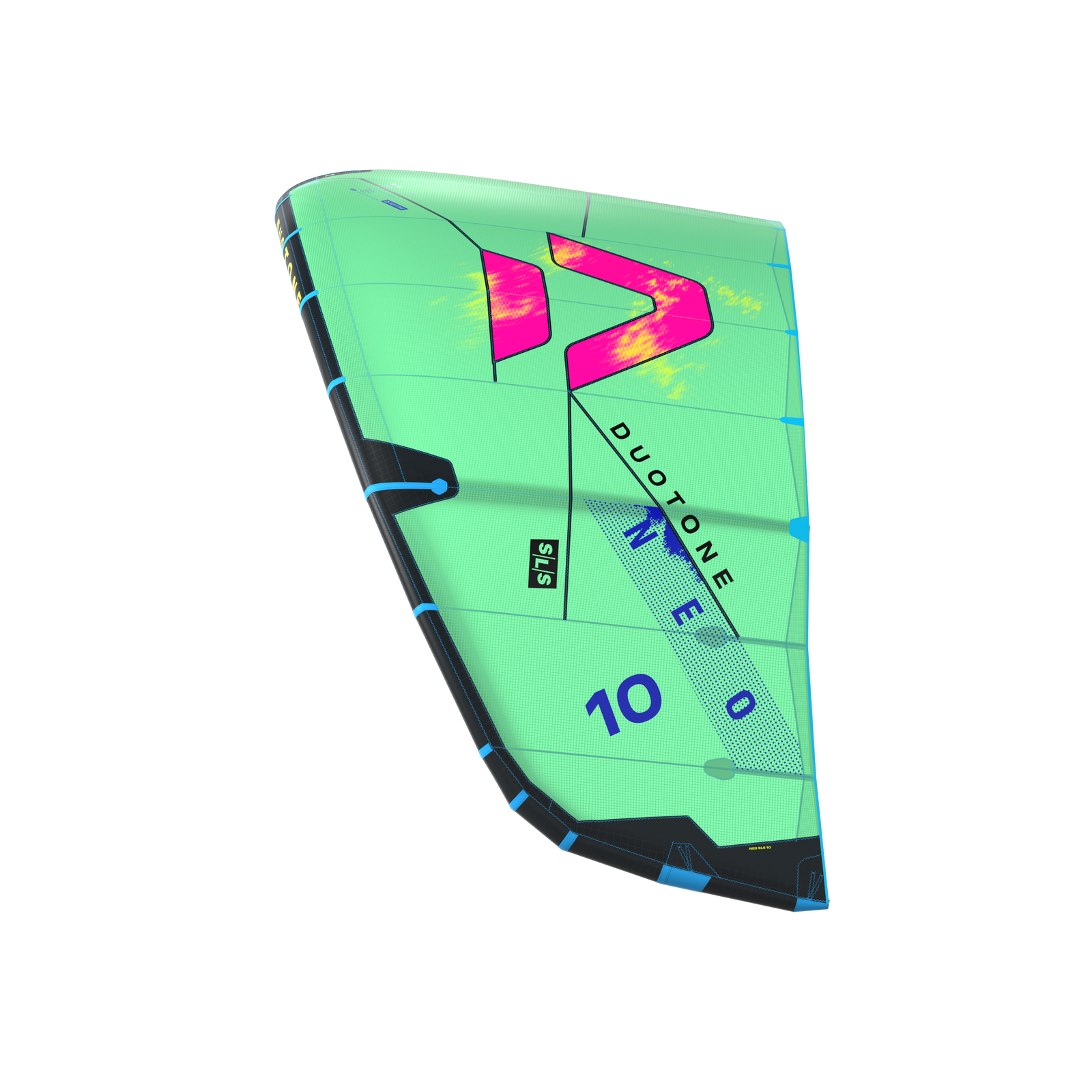
Prices and 2026 specs are pulled live from each product page. Confirm on the product page before checkout.
04 — MistakesThree mistakes we see every week
Ready to ride shallow?
Browse our full Duotone, Cabrinha, and Gaastra kite range, sized for every condition and rider level.
Frequently asked
We'd say 9 m² as your lower limit for adults riding in 14+ knots. Anything smaller and you'll struggle to stay powered in realistic wind. A 12 m² is safer for learners in 12–16 knots.
Kite mast length won't change your shallow-water challenge—kite choice and technique do. Pick the mast that matches your kite's bridle spec (check the product page), then focus on keeping your kite high and your bar movement sharp.
Twin-tips work fine—the board isn't the issue. Your kite control and body position are. A good twin-tip (130–140 cm, 38-42 cm width) is actually easier to manage in shallow spots because it's more forgiving of rough landings.
Shallow water often has patchy, unpredictable wind. Aim for 12–18 knots on your weather app, but expect gusts and lulls. If you're underpowered in deep water, you'll be way underpowered shallow. Go a size up, stay alert, and practise your relaunch.