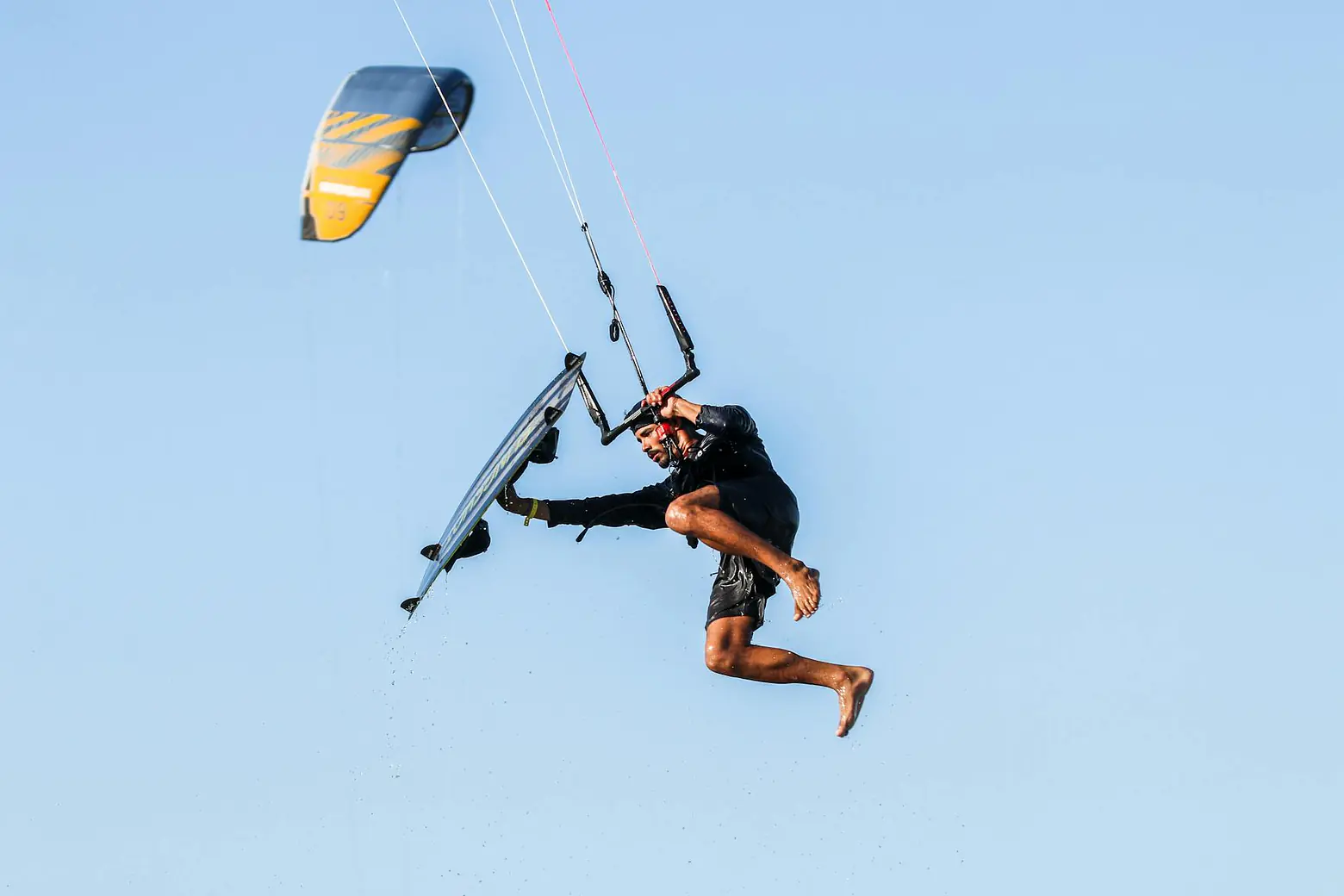
Women's Kitesurfing Gear Guide 2026 — Top Picks for Women
Women's kitesurfing kit isn't a shrunk men's quiver—it's built for how your body actually moves. We'll walk you through picking the right kite, board, and wetsuit for 2026, plus the three mistakes we see every week at the beach.
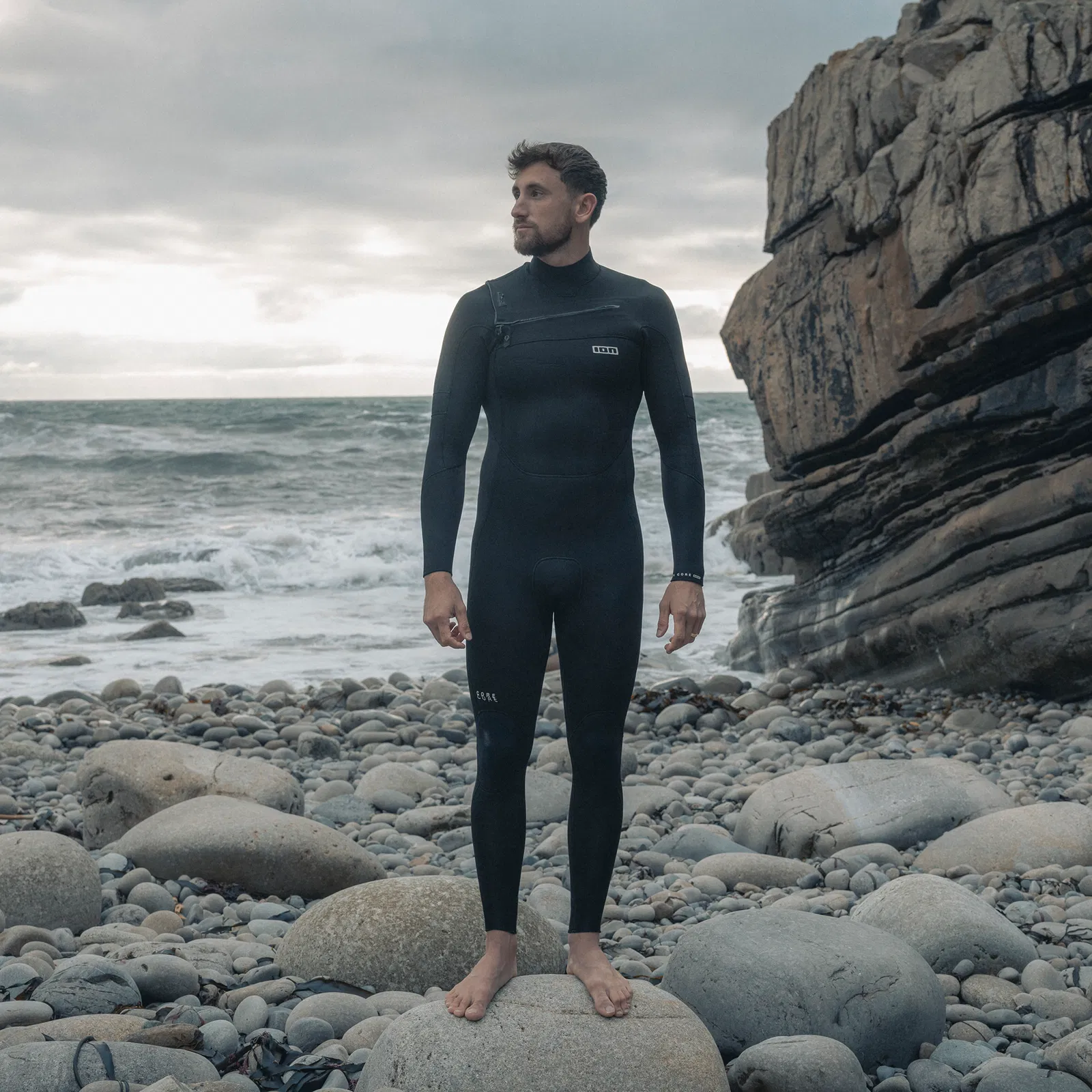
Start with a forgiving kite that delivers smooth power in your local wind range—the Duotone Neo SLS is built for this. Match your board volume to your weight and wind conditions, then dial in your wetsuit fit (women's cuts prevent chest bunching). Beginners need more float and predictable handling; progressing riders can drop volume and experiment with edge control.
01 — Power and ControlPicking the Right Kite for Your Conditions
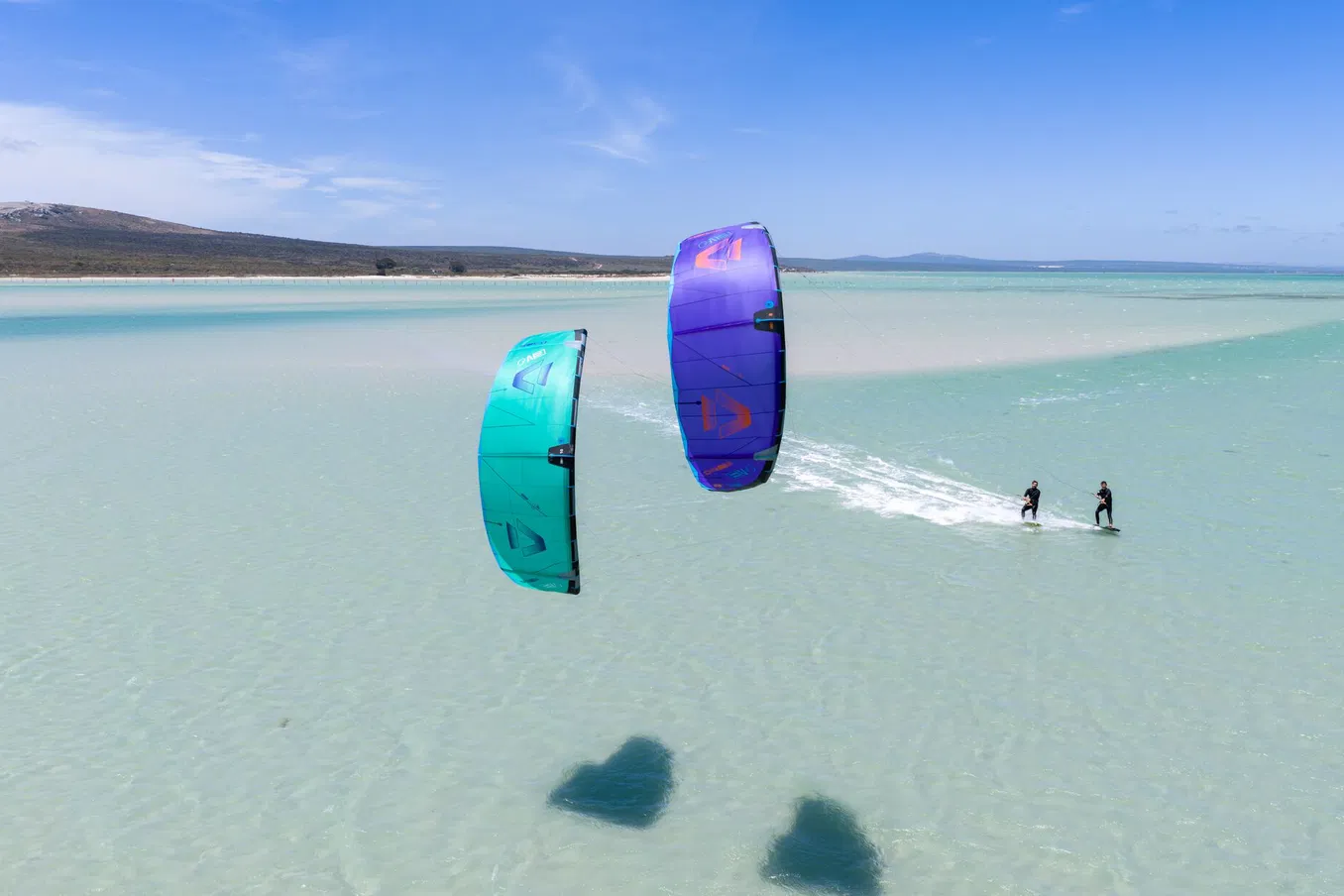
Kite choice drives everything. We've shipped thousands of kites to riders across Europe since 2003, and the pattern's clear: women riding in moderate wind (12–20 knots) thrive on a 9 m² or 12 m² as their first quiver piece. These sizes forgive small mistakes and deliver consistent lift without demanding constant bar input.
If you're under 65 kg and riding light-wind spots like Gizzeria or Cape Town's winter swells, a 12 m² gives you early-sheet power. Heavier riders or stronger-wind zones? Start with a 9 m². The Duotone Neo SLS is our go-to first kite—it's durable, responsive to weight shifts, and won't punish you for late bar movements.
Once you're comfortable with heelside transitions and powered turns, add a 7 m² for gusty days and a 14 m² for lighter sessions. Don't buy your entire quiver at once; nail one size first.
02 — SizingBoard Volume and Maneuverability
Your board volume should float you upwind in your kite size with minimal effort. As a rough guide: 50–60 kg riders pair well with 130–140 L twin-tips in 12–15 knots; 60–75 kg riders sit comfortable at 135–145 L. Too much volume kills pop and edge control; too little and you're fighting for upwind every session.
Women-specific boards usually feature narrower widths (38–40 cm vs. men's 40–44 cm) and a rocker curve that suits lighter weight. This matters—a men's board at the same length will feel sluggish under your feet. Pair your first twin-tip with a 12 m² kite and dial it in before switching sizes.
03 — Our picksOur 4 In-Stock Picks for 2026
These are the kites we see our women riders reaching for week after week. Each one handles a specific wind range and riding style—pick based on your local conditions and skill level.
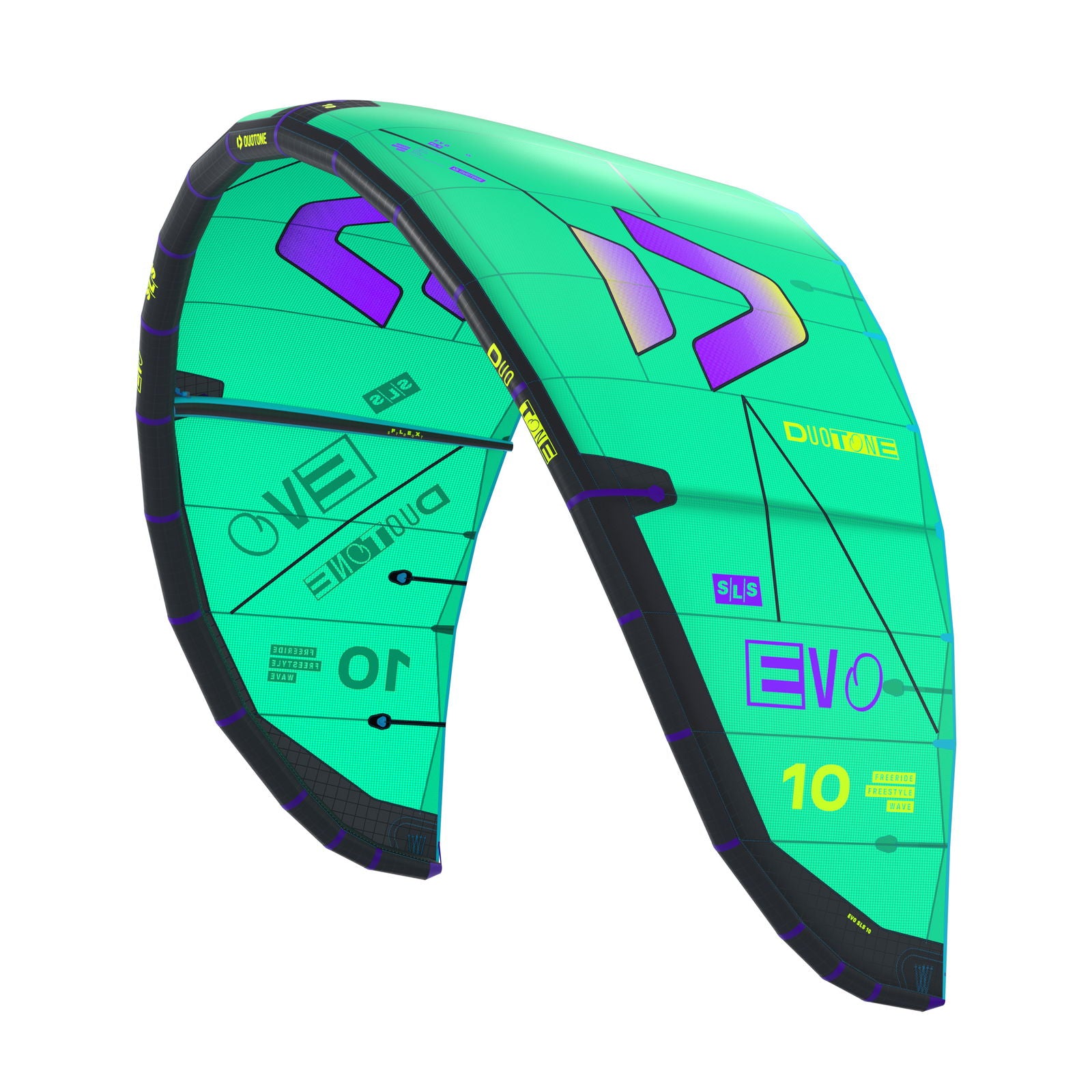
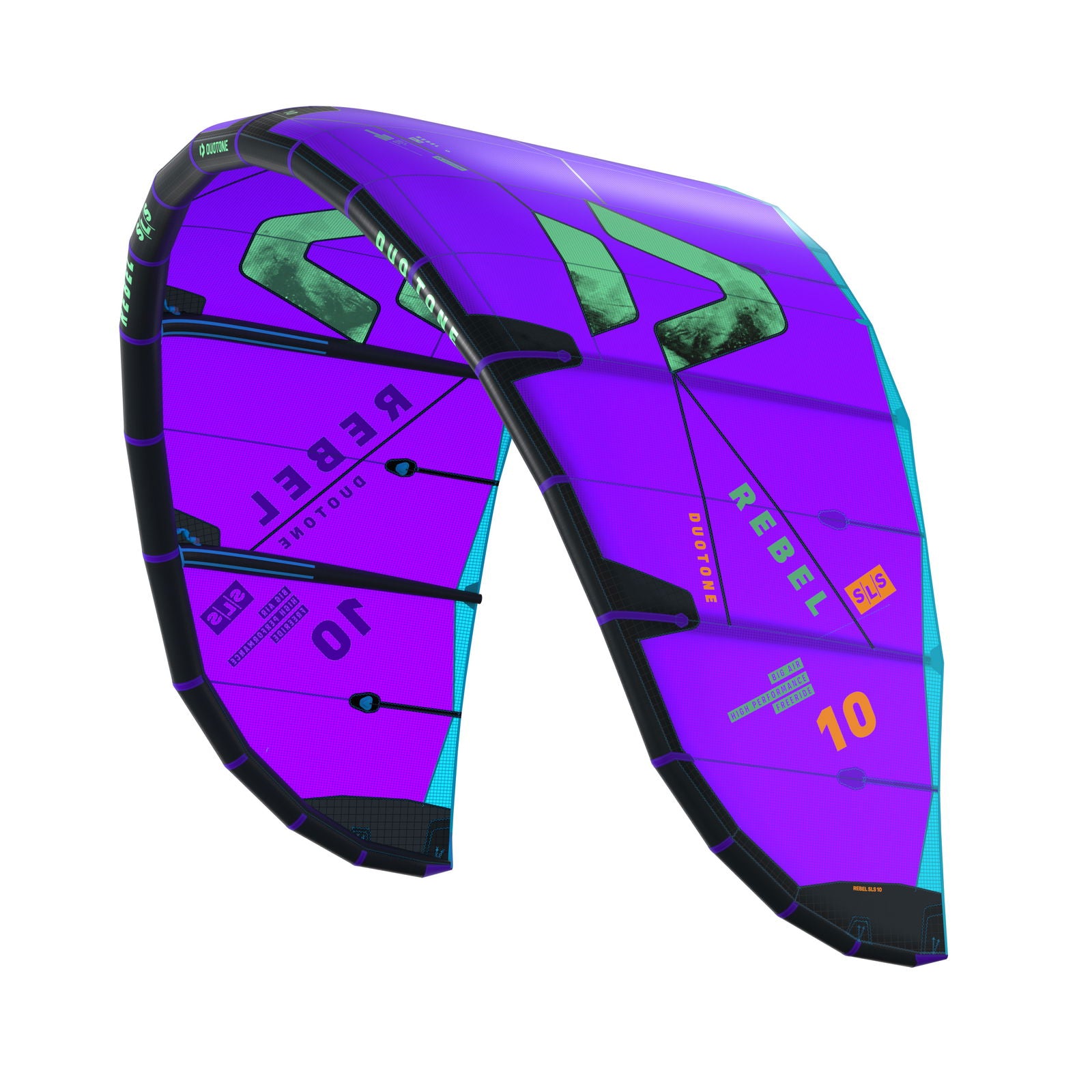
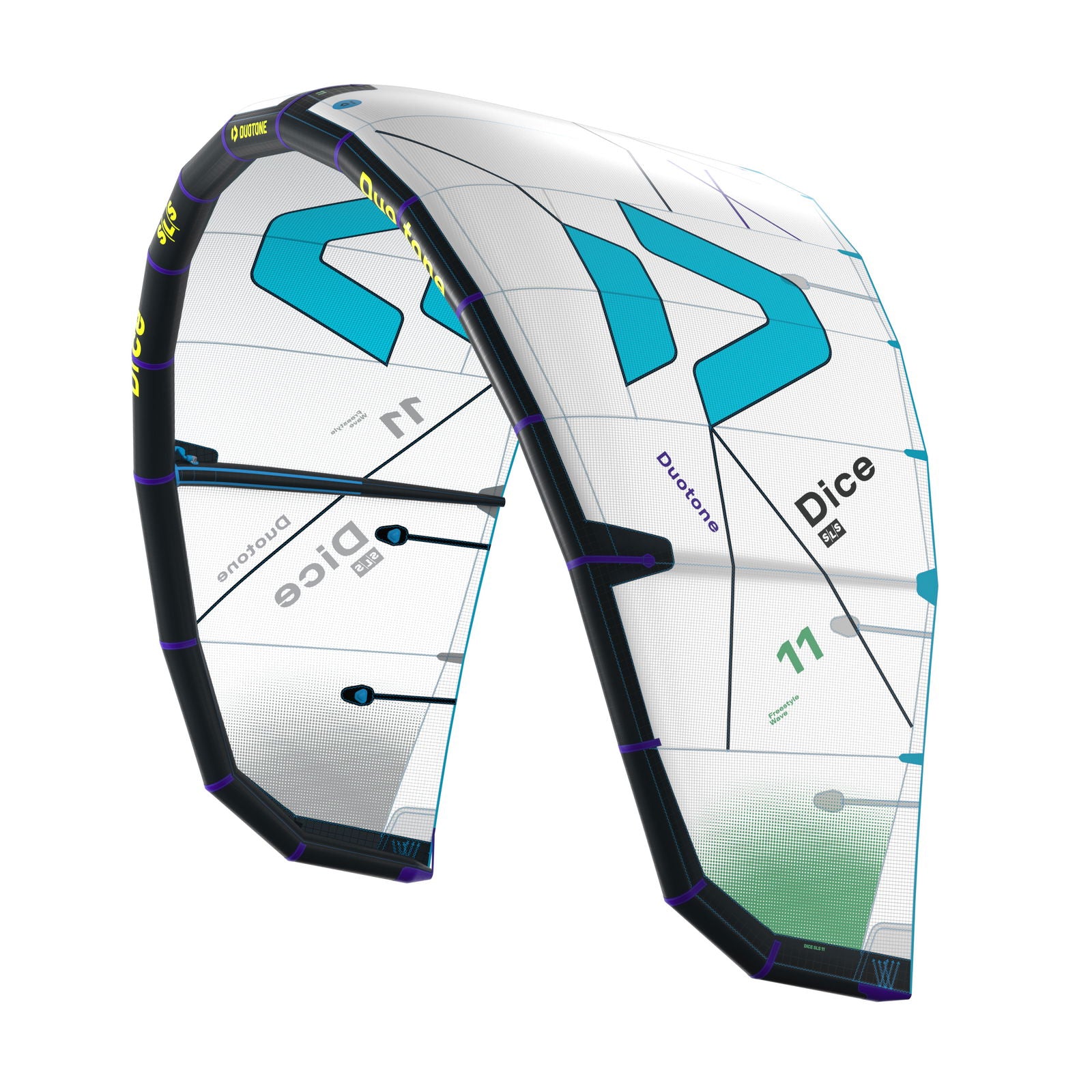
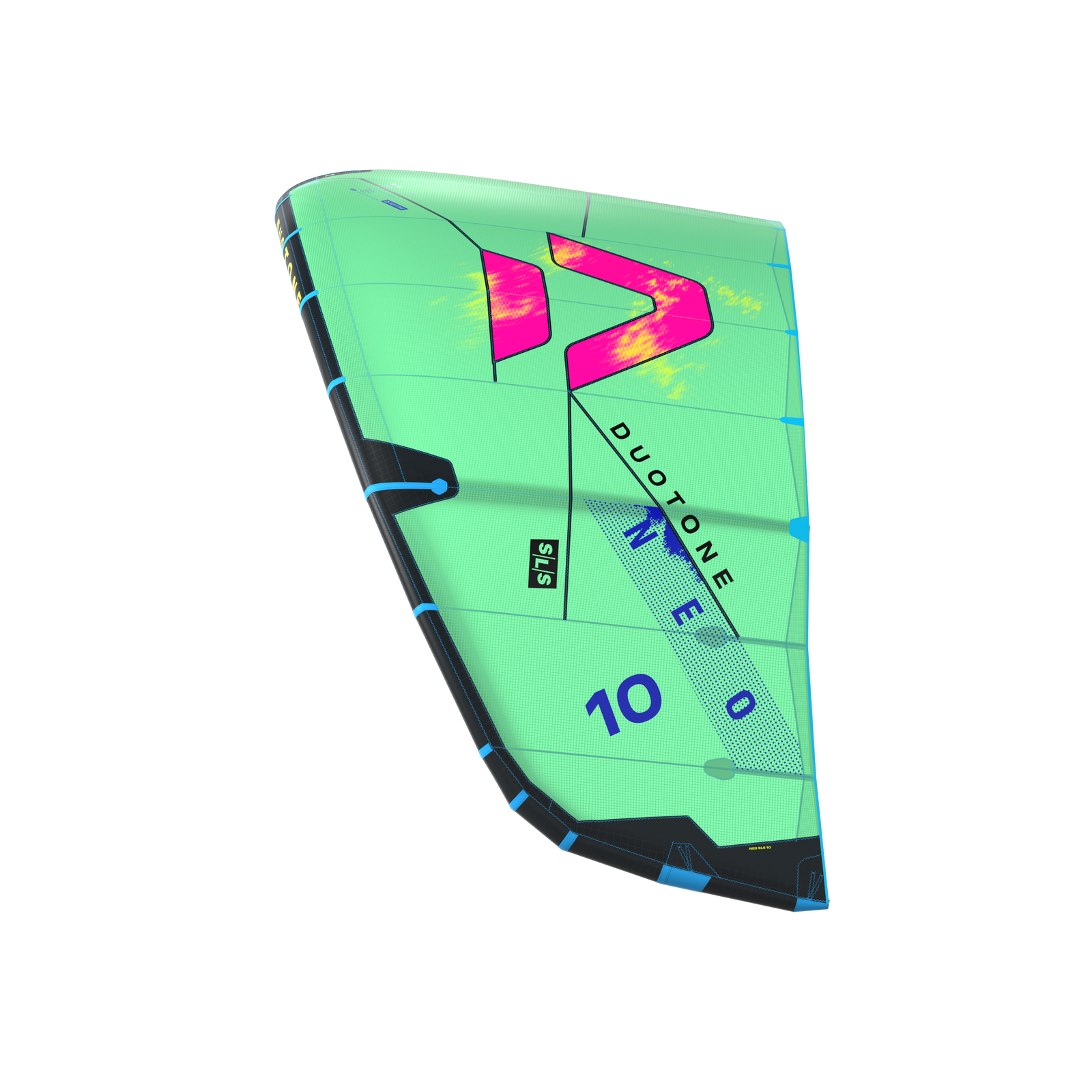
Prices and 2026 specs are pulled live from each product page. Confirm on the product page before checkout.
04 — MistakesThree mistakes we see every week
Ready to gear up?
Browse our full kitesurfing range and filter by kite size, board volume, and women's-specific fits.
Frequently asked
If you weigh 50–70 kg and ride in 12–20 knots, a 9 m² or 12 m² is your sweet spot. Heavier riders or lighter-wind zones might start at 12 m². Test at your local spot first if you can.
Yes. Women's boards are narrower, lighter, and rocker-curved for lower body weight. They'll feel responsive much faster than an oversized men's model.
Every 3–5 seasons if you ride 20+ days a year. Kite fabric and bridle lines degrade with UV and salt. We inspect used trade-ins—ask us about our refresh policy.
The Duotone Neo SLS. It's forgiving, holds stable in variable wind, and teaches you bar input without fighting you. The Evo SLS is a step up if you're already confident with heelside turns.