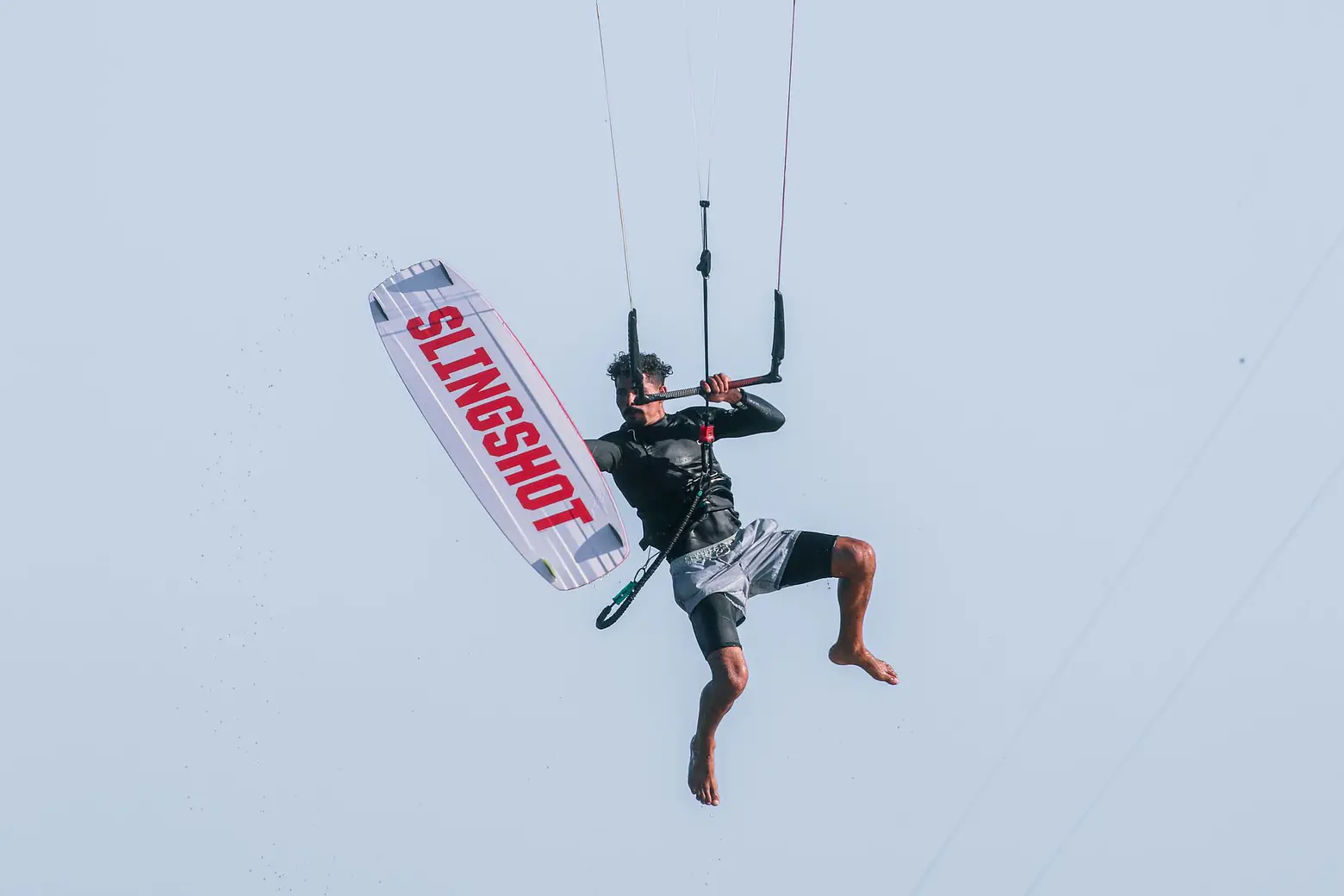
Kitesurfing Fitness & Training — Best Land Exercises
Your kitesurfing fitness starts on dry land, not in the water. Core stability, leg power, and rotational strength directly translate to board control when the wind picks up and conditions get rough.
Kitesurfing demands core stability (planks, dead bugs), leg power (squats, lunges, box jumps), rotational strength (Russian twists, cable chops), and balance work (single-leg stands). Train 2–3 land sessions a week. You're building the exact movement patterns that transfer to your board—and cutting injury risk at the same time.
01 — FoundationWhy Land Training Matters for Kitesurfing
Your core stabilises you on an unstable board while your kite catches wind gusts and your bar pulls sideways. On land, planks and dead bugs teach your abs and lower back to brace under load. That transfers directly to the water.
We've watched riders from Tarifa to Cape Town get stronger on land and suddenly nail their pop and edge control. A stronger posterior chain keeps you upright when your 12 m² Duotone Evo SLS loads up in a gust. Weak stabilisers? You'll fight the board instead of riding it.
Injury prevention is real too. Wrist strains, knee tweaks, shoulder niggles—most come from muscular imbalances. Fix those on land, and you'll spend more time riding.
02 — Movement patternsThe Four Exercise Categories That Matter
Core stability comes first. Planks, side planks, dead bugs, bird dogs. Hold 45–60 seconds, rest, repeat. Your abs aren't pretty—they're a corset for your spine under dynamic load.
Leg power drives your pop and turn initiation. Squats, lunges, split squats, box jumps. Your quads and glutes are your engine on the board. Aim for 3 sets of 8–12 reps, twice a week.
Rotational strength mimics the twist your core makes when you carve or transition. Russian twists with a medicine ball, cable chops, Pallof presses. These aren't vanity—they're functional. Finally, balance work: single-leg stands, bosu ball work, slackline if you've got access. Proprioception transfers to micro-adjustments on the board in choppy water.
03 — Our picksOur 4 In-Stock Picks
Once your land fitness improves, you'll feel the difference immediately on your kite. Here's what we've got ready to ship: the Duotone Evo SLS for all-round control, the Duotone Rebel SLS for freestyle pop, the Duotone Dice SLS for wave riding, and the Duotone Neo SLS for lighter winds.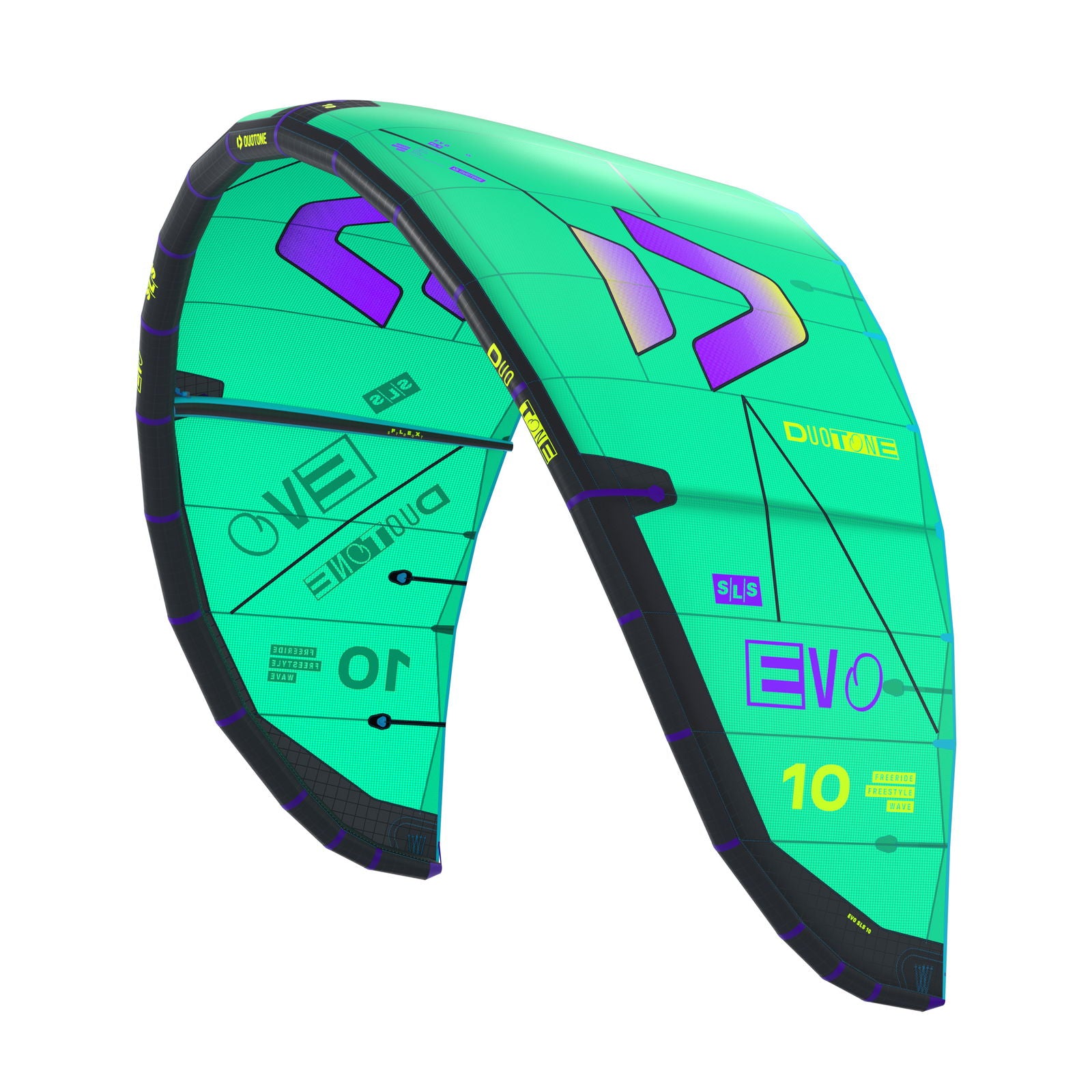
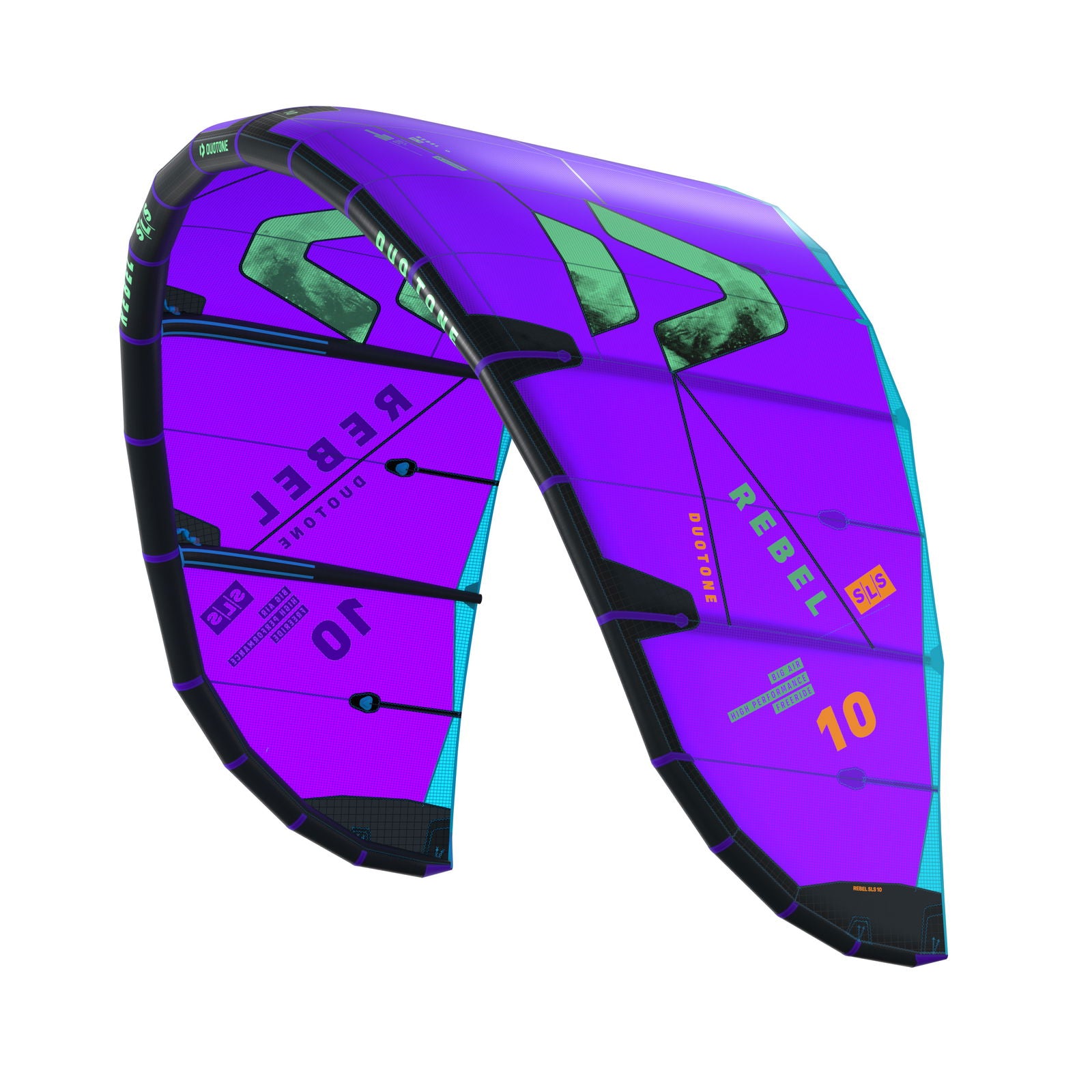
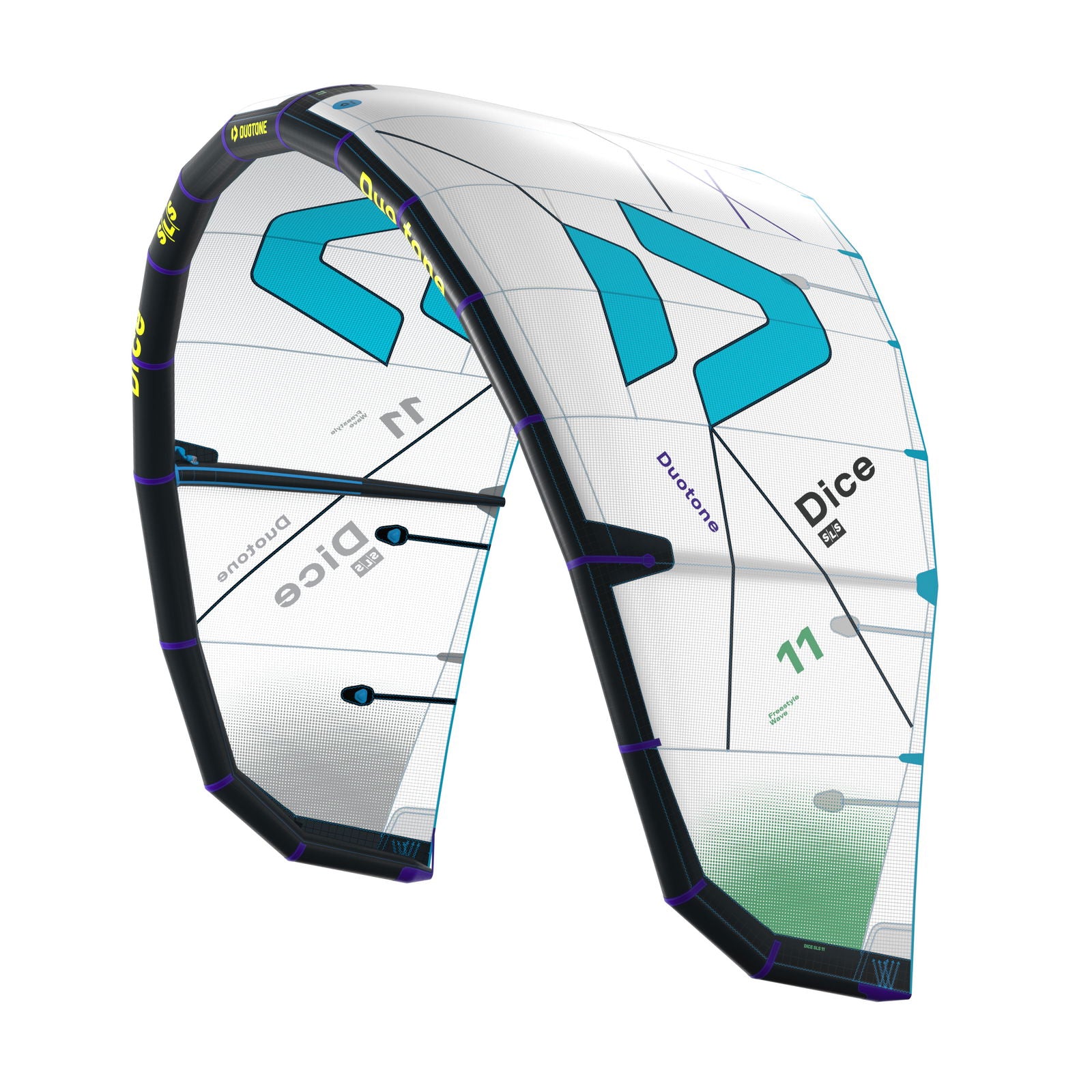
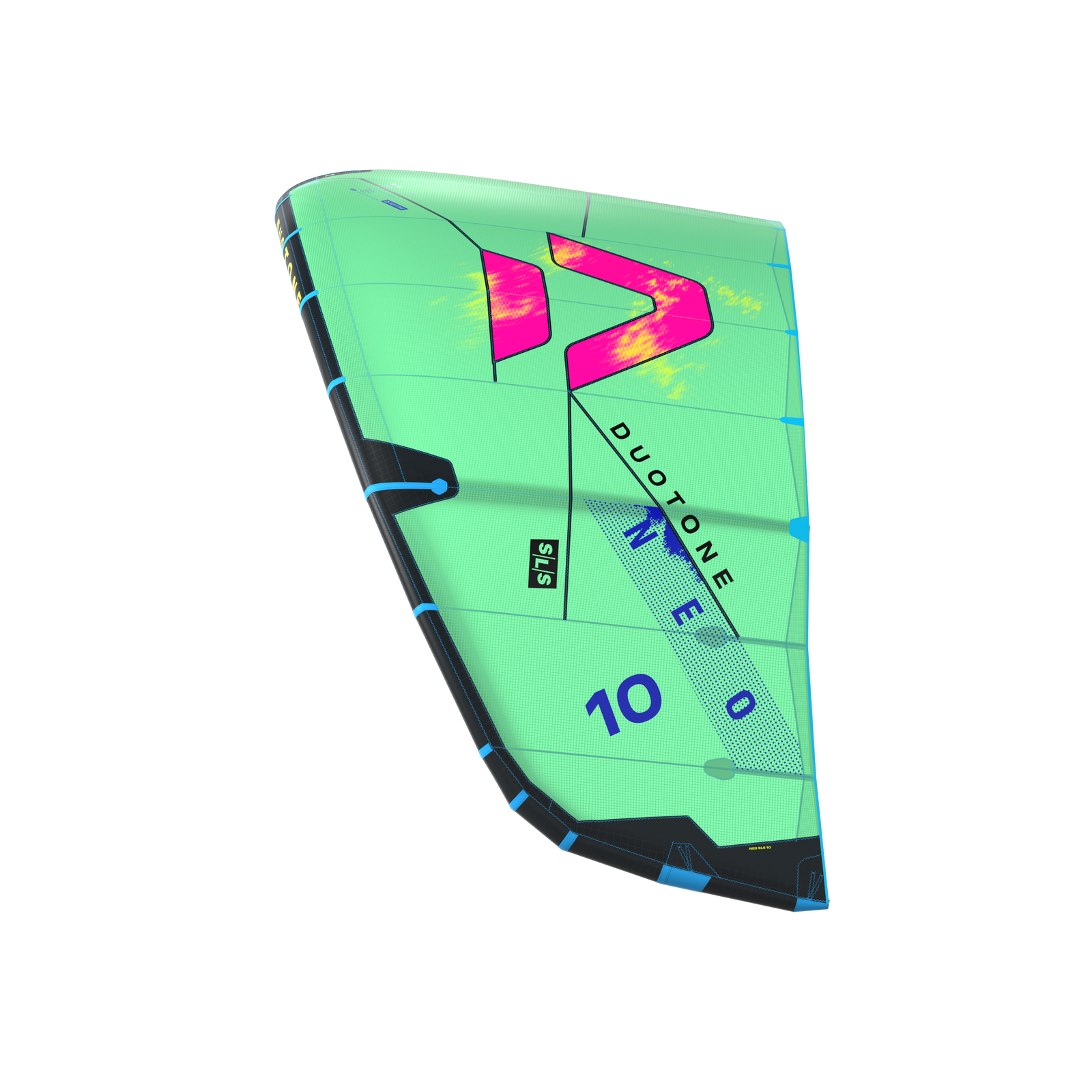
Prices and 2026 specs are pulled live from each product page. Confirm on the product page before checkout.
04 — MistakesThree mistakes we see every week
Ready to ride stronger?
Browse our Duotone and Cabrinha kites in stock, pick your size for current wind, and train land while you wait for conditions.
Frequently asked
2–3 sessions a week is ideal. Pair one session with a kite day if you can—your body learns the transfer faster when it's fresh.
Train for your typical riding kite. Most riders spend time on a 9 m² or 12 m², so build strength for that. If you're learning, 12 m² is standard in 12–20 knots.
No. Planks, squats, lunges, and single-leg stands work anywhere. A resistance band and a medicine ball cover 80% of what you need.
6–8 weeks of consistent training. You'll notice sharper turns, easier pops, and less fatigue mid-session first.