Kitesurfing the Poniente — Tarifa West Wind Guide
The Poniente funnels through the Strait of Gibraltar with remarkable consistency—12–25 knots building gradually from morning into afternoon. If you want steady, predictable wind without the chaos of Atlantic swells, Tarifa's west wind is your answer.
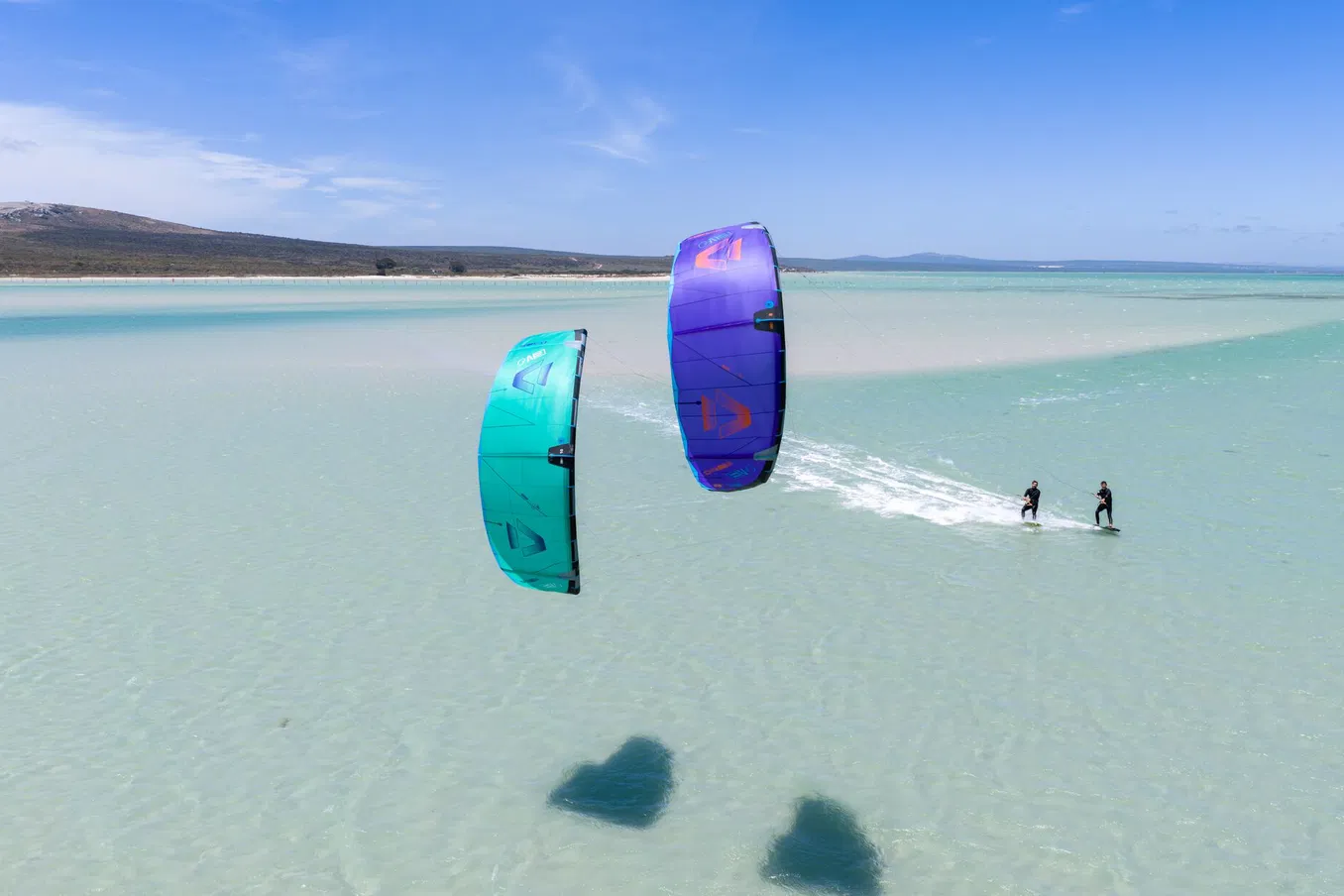
The Poniente is a warm westerly wind delivering 12–25 knots spring through autumn. Expect flat-water pockets ideal for freestyle and progression, plus 0.5–1.5 metre waves. A mid-range freestyle kite like the Duotone Evo SLS 2026 handles the entire range without fuss.
01 — Wind characterWhat the Poniente Really Feels Like
The Poniente isn't dramatic. It doesn't howl. It builds. You'll wake at dawn to glassy conditions, then watch the wind climb steadily through the morning—10 knots by 8 a.m., 15 by 10, sometimes hitting 20–22 by early afternoon.
The water stays relatively flat because the wind blows parallel to the coast, not into the beach. That means you're not fighting chop or backwind—you're riding clean, side-shore conditions perfect for tricks and progression. The warm air off North Africa adds to the appeal. You'll want a 3/2 mm wetsuit at worst; most riders strip down to boardshorts by May.
Consistency is the Poniente's real gift. Unlike the Levante (easterly) which can be patchy and unpredictable, the Poniente arrives almost on schedule. We've shipped kites to Tarifa regulars for 20 years, and they tell us the same thing: if you plan a week around the Poniente, you'll ride six days of it.
02 — Sizing & seasonsWhen to Go & What Size Kite to Pack
Spring (April–May) and autumn (September–October) are prime. The Poniente runs strongest and most consistent during these shoulder seasons. Summer can deliver it, but you're competing with tourists and occasional flat spells. Winter is possible—we've seen solid 14-knot days in January—but the wind becomes less reliable and the water colder.
For a typical week, pack a 9 m² and a 12 m² kite. If you're a heavier rider (80+ kg) or prefer wave riding, lean toward a 12 m² as your main quiver. The 9 m² lights up once the Poniente climbs past 18 knots and gives you room to progress tricks without overpowering. If you weigh 60–75 kg, flip that—9 m² is your workhorse, 12 m² for the lighter mornings.
The Duotone Rebel SLS 2026 suits all-rounders who want one kite to handle 12–24 knots, though you'll feel it best between 15 and 22. If freestyle is your focus, the Duotone Evo SLS 2026 excels in the lighter 12–16 knot window.
03 — Our picksOur 4 In-Stock Picks
All four of these Duotone 2026 models are in stock now and ship within 48 hours across Europe. Pick based on your weight, skill level, and whether you're chasing freestyle or waves.
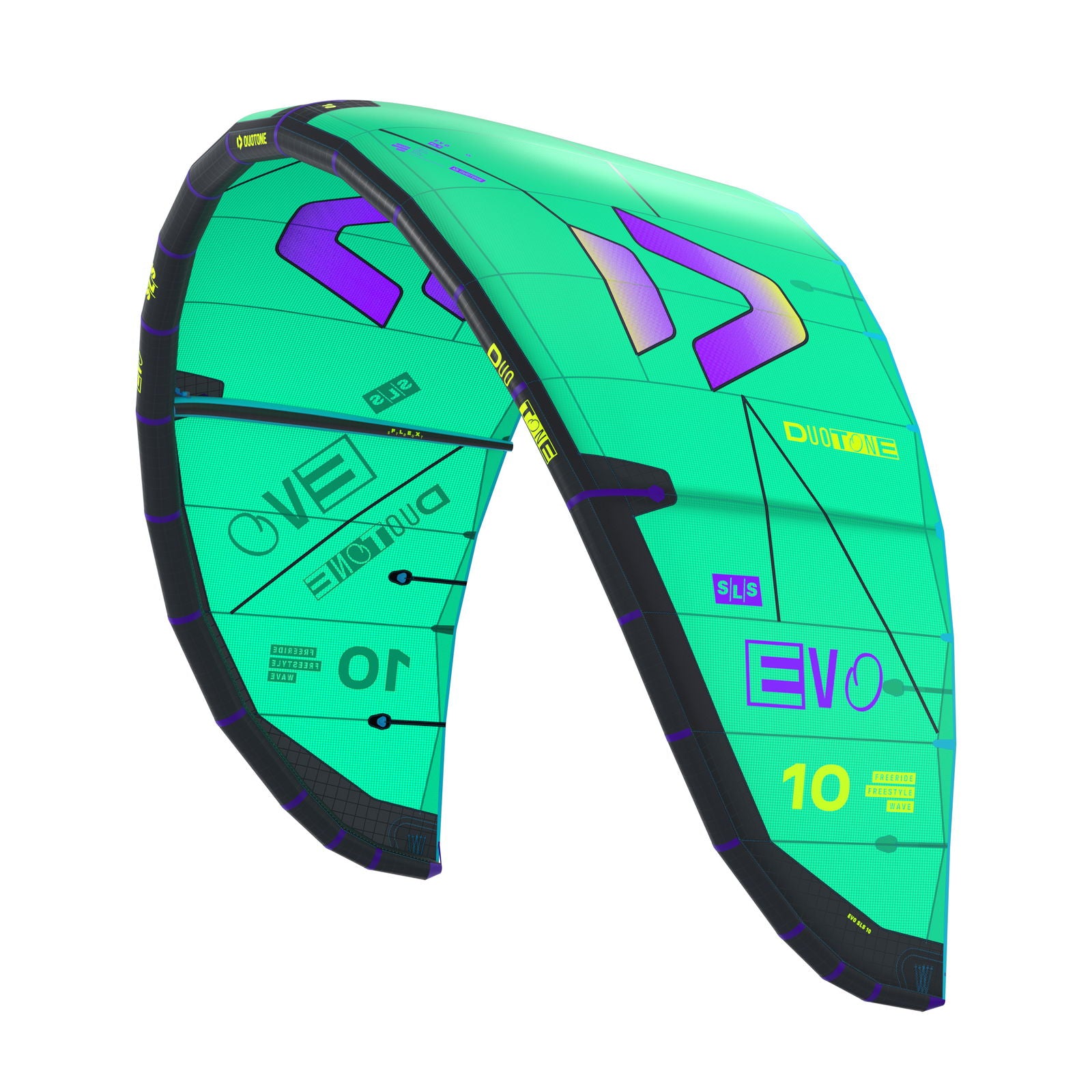
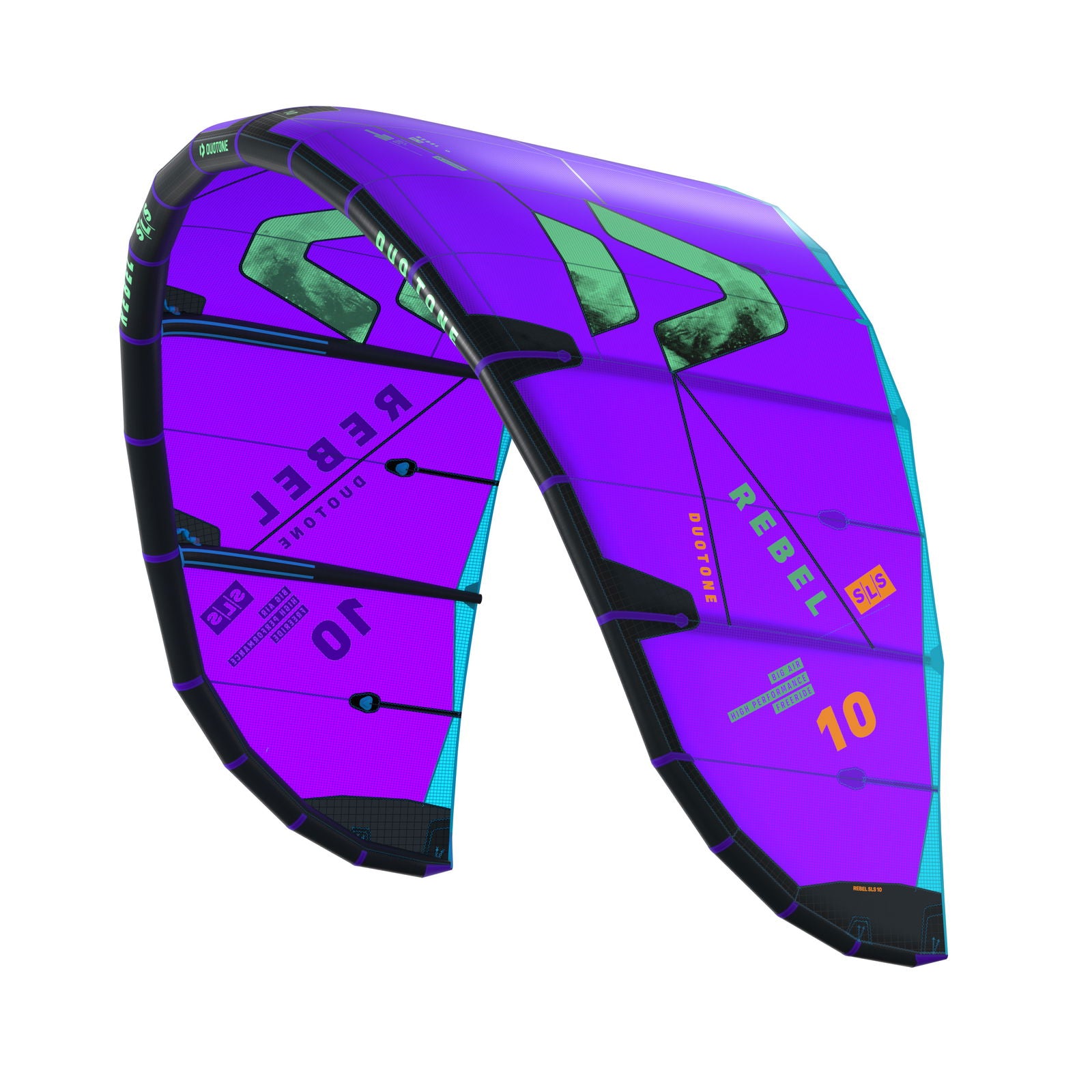
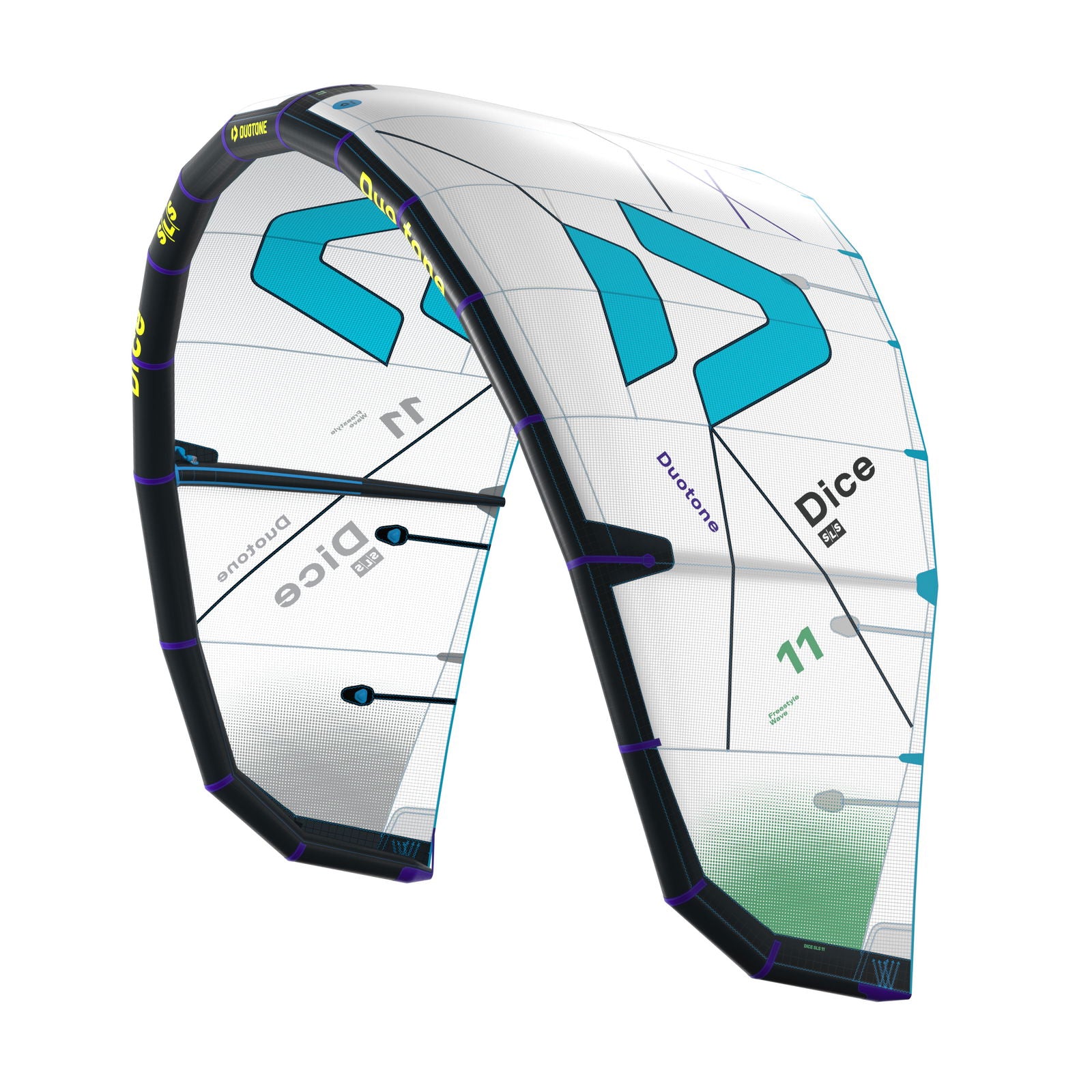
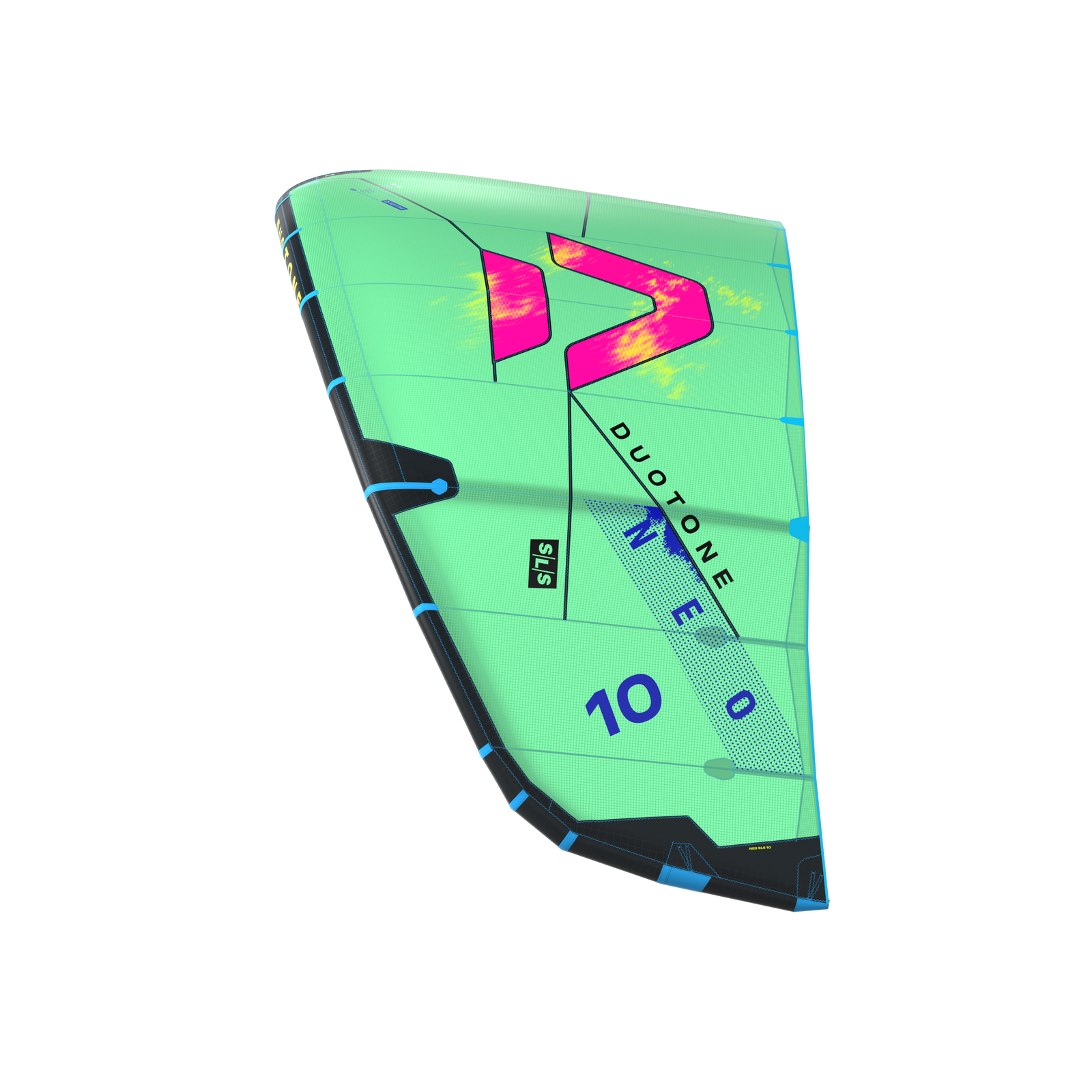
Prices and 2026 specs are pulled live from each product page. Confirm on the product page before checkout.
04 — MistakesThree mistakes we see every week
Ready to ride the Poniente?
Browse our full range of Duotone and Cabrinha kites—all in stock, all ready to ship.
Frequently asked
Yes, if you pick the right size (9–12 m²) and launch in 12–16 knots. The flat water and side-shore angle make it forgiving. Stick to mornings until you're comfortable, then graduate to afternoon sessions.
The Poniente blows west (parallel to shore), bringing flat water. The Levante blows east (offshore), creates choppy backwind conditions, and is less predictable. The Poniente is better for progression.
You can, and we've seen solid 14-knot days in December and January. But consistency drops sharply. Spring and autumn are your best bet for reliable wind.
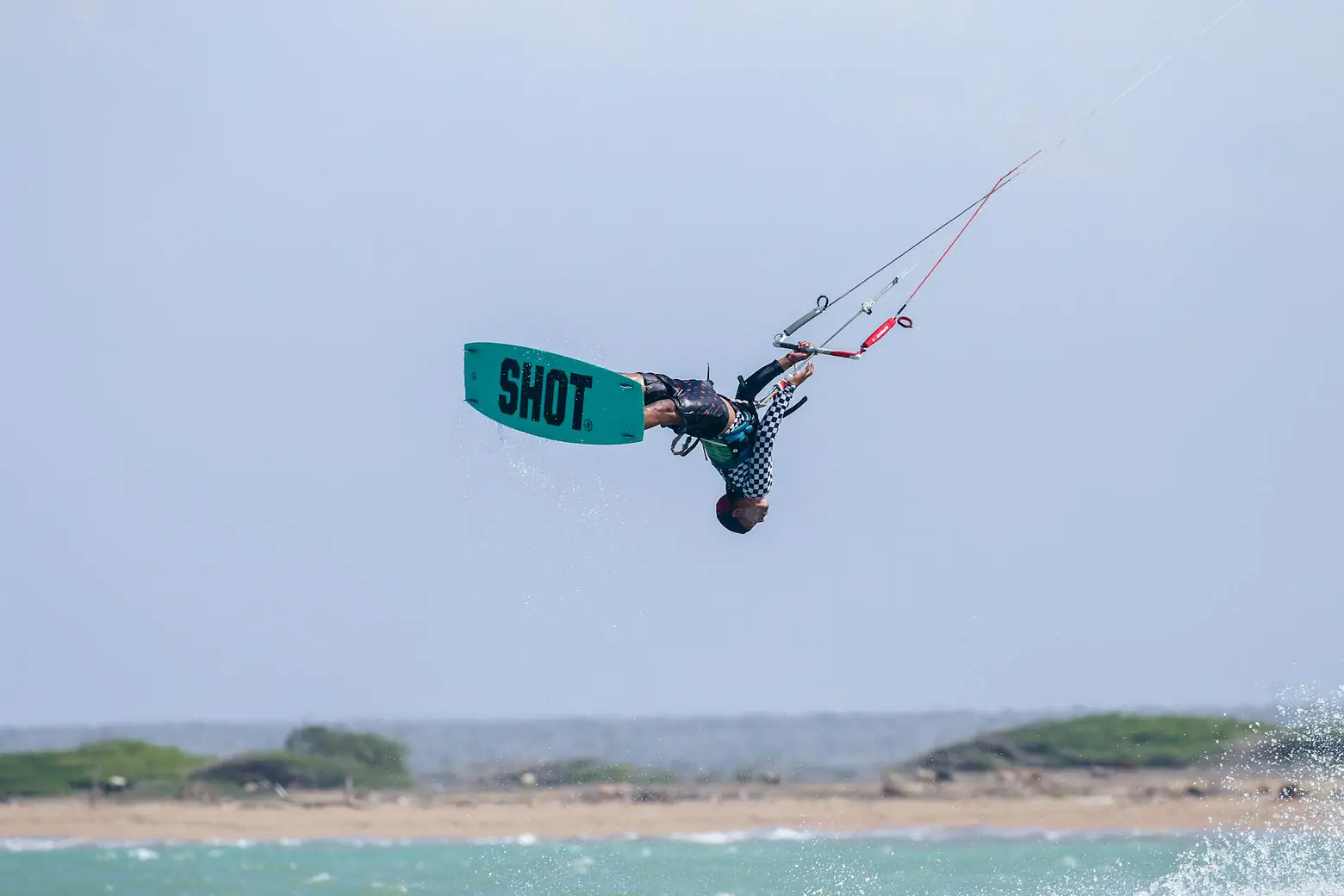
Freestyle. The Poniente delivers flat water and small chop—not proper swell. A freestyle kite like the Duotone Evo SLS 2026 or Duotone Rebel SLS 2026 is the right call.