Cross-Shore vs Cross-Onshore Wind — Which Is Better for Kitesurfing?
Cross-shore and cross-onshore winds feel completely different on the water—and one is far more forgiving than the other. We'll break down which conditions suit your skill level and what each wind angle demands from you.
Pick cross-shore if you want predictable, safe conditions: wind blows parallel to the beach, keeping you at a steady distance from land. Cross-onshore pushes you toward shore and demands active kite management—it's faster, more challenging, and best for intermediate+ riders. Both are rideable, but cross-shore is where most of us spend our early sessions.
01 — Parallel windCross-Shore Wind: The Safer, More Predictable Option
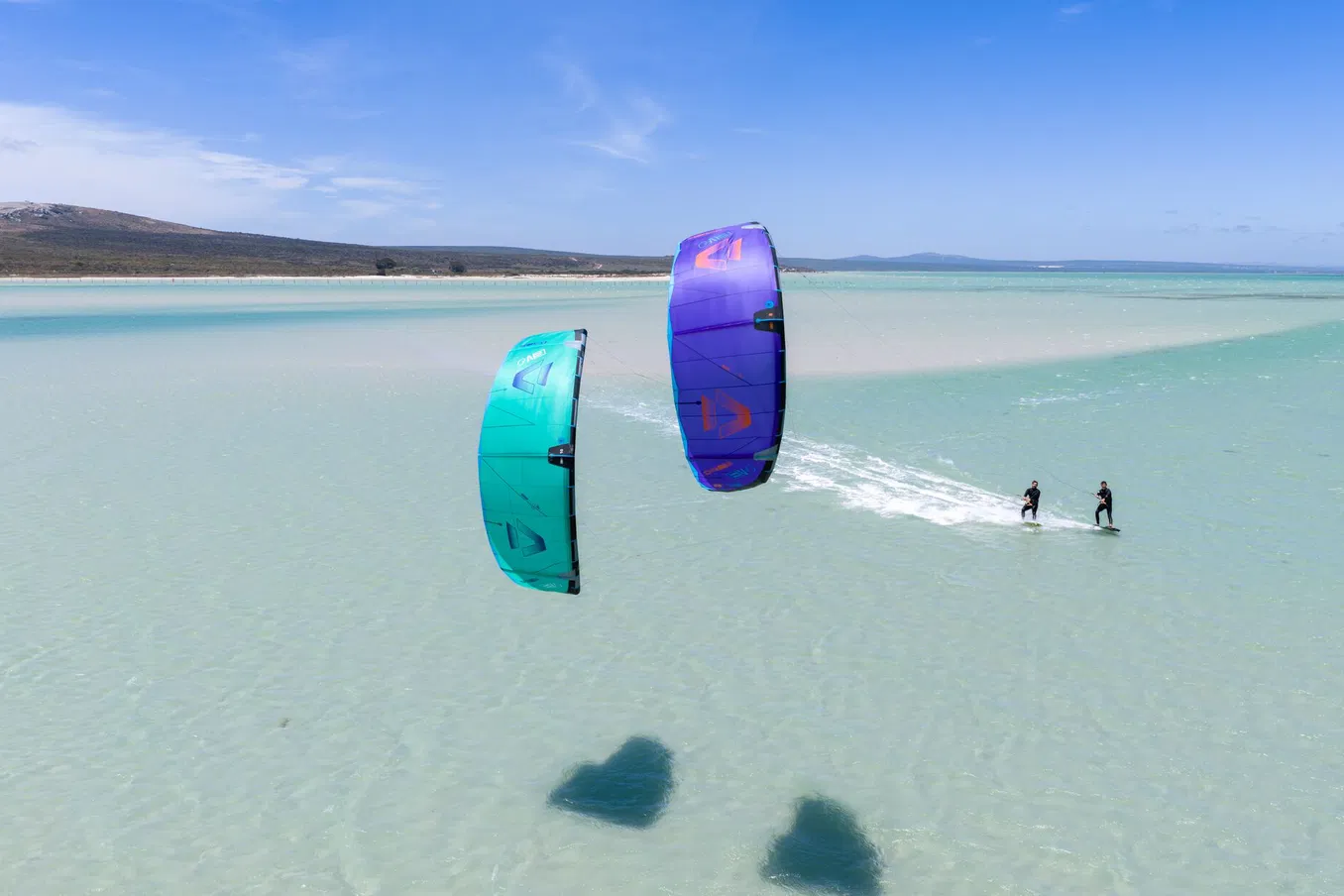
Cross-shore wind blows left-to-right or right-to-left along the coastline. As you ride, the wind pushes you sideways down the beach—never toward land, never away from it. You stay at a consistent distance from shore. This is why we recommend it for anyone learning to ride: no rescue boat needed, no panic about drifting out, no scramble to get back.
The kite sits predictably in the window. It doesn't swing wildly. You can focus on edge control and transitions instead of fighting the wind. A 9 m² or 12 m² kite feels stable and forgiving in cross-shore conditions. You'll see most of our buyers from Tarifa to Cape Town spending 70% of their sessions in cross-shore wind—it's the bread and butter of kitesurfing.
02 — Toward the beachCross-Onshore Wind: Faster, Trickier, More Demanding
Cross-onshore wind blows toward the beach at an angle—say, northwest when the beach faces east. This pushes you shoreward constantly. You can't relax for a second. The kite swings harder in the window, the power builds faster, and you need active hands on the bar to stay in control. One small mistake and you're washing up on sand.
The upside? Cross-onshore delivers more apparent wind. Your kite feels bigger. The ride is snappier, the tricks feel more responsive, and you'll find yourself riding harder and faster. This is why intermediate+ riders hunt cross-onshore sessions. You need solid edge control, quick reflexes, and the confidence to launch and land without a support team. A kite like the Duotone Rebel SLS will reward you with speed and precision—but only if you're ready for the intensity.
03 — Our picksOur 4 In-Stock Picks
We stock Duotone kites built for cross-shore learning and cross-onshore progression. Pick by your wind window and riding style, not just size. Here's what we'd grab:
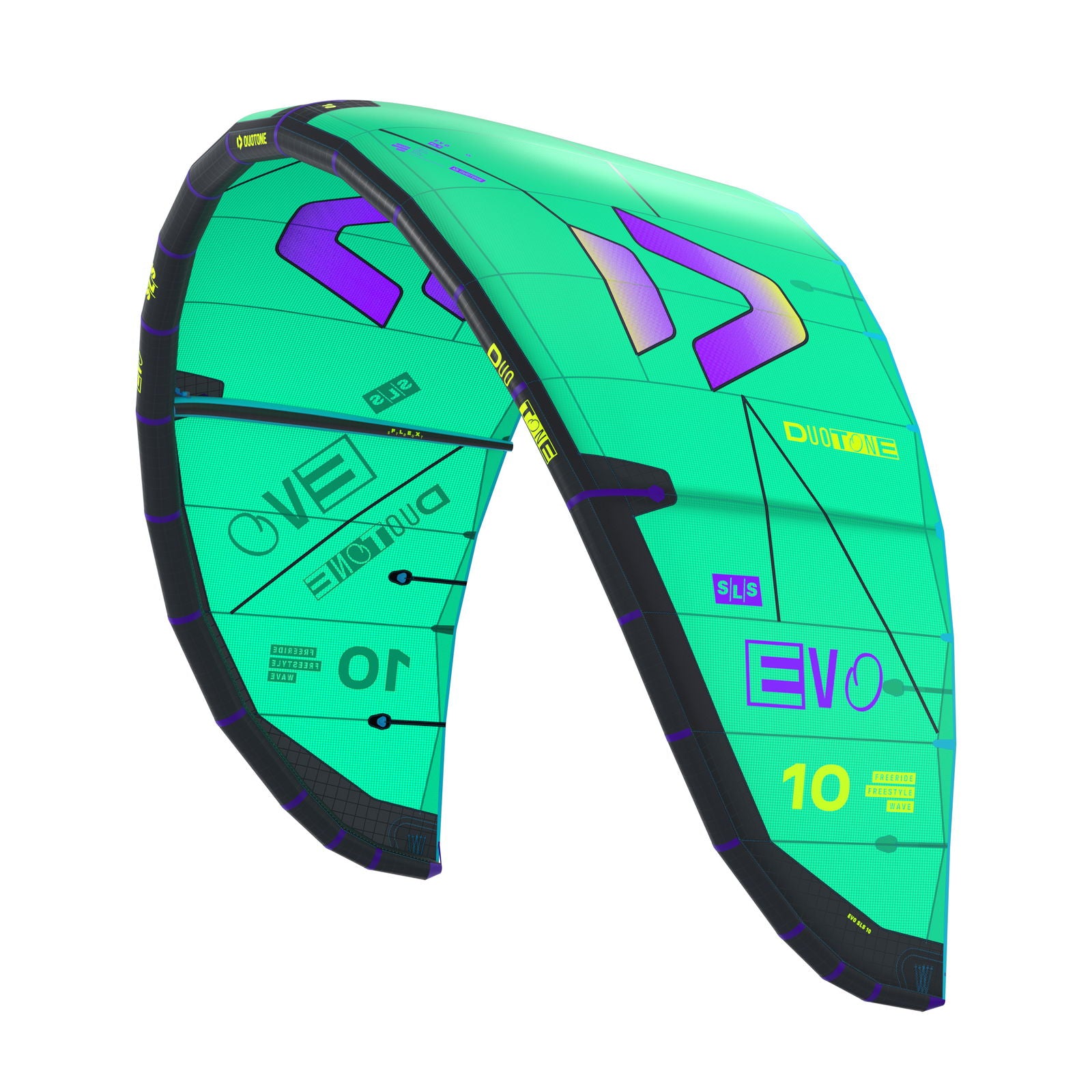
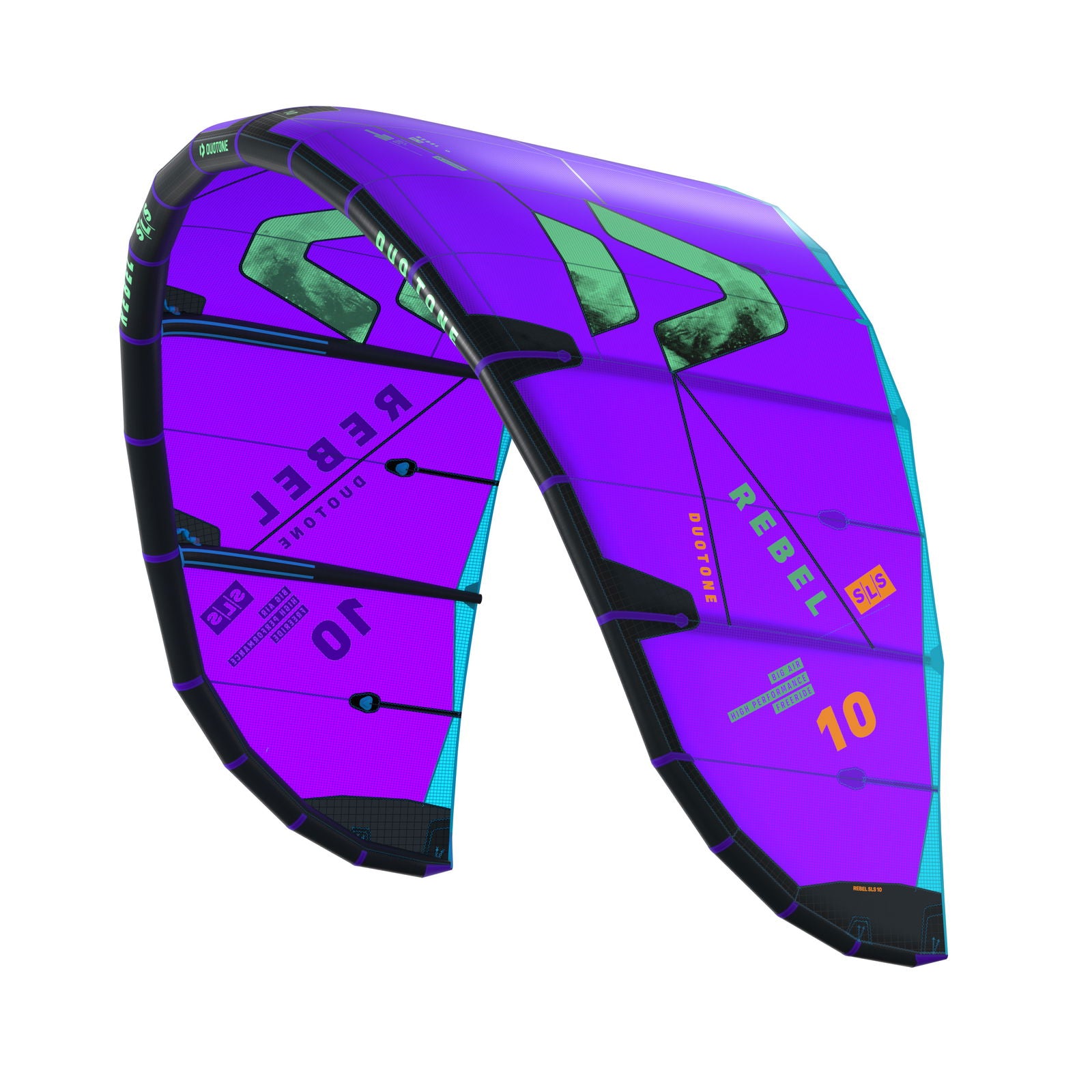
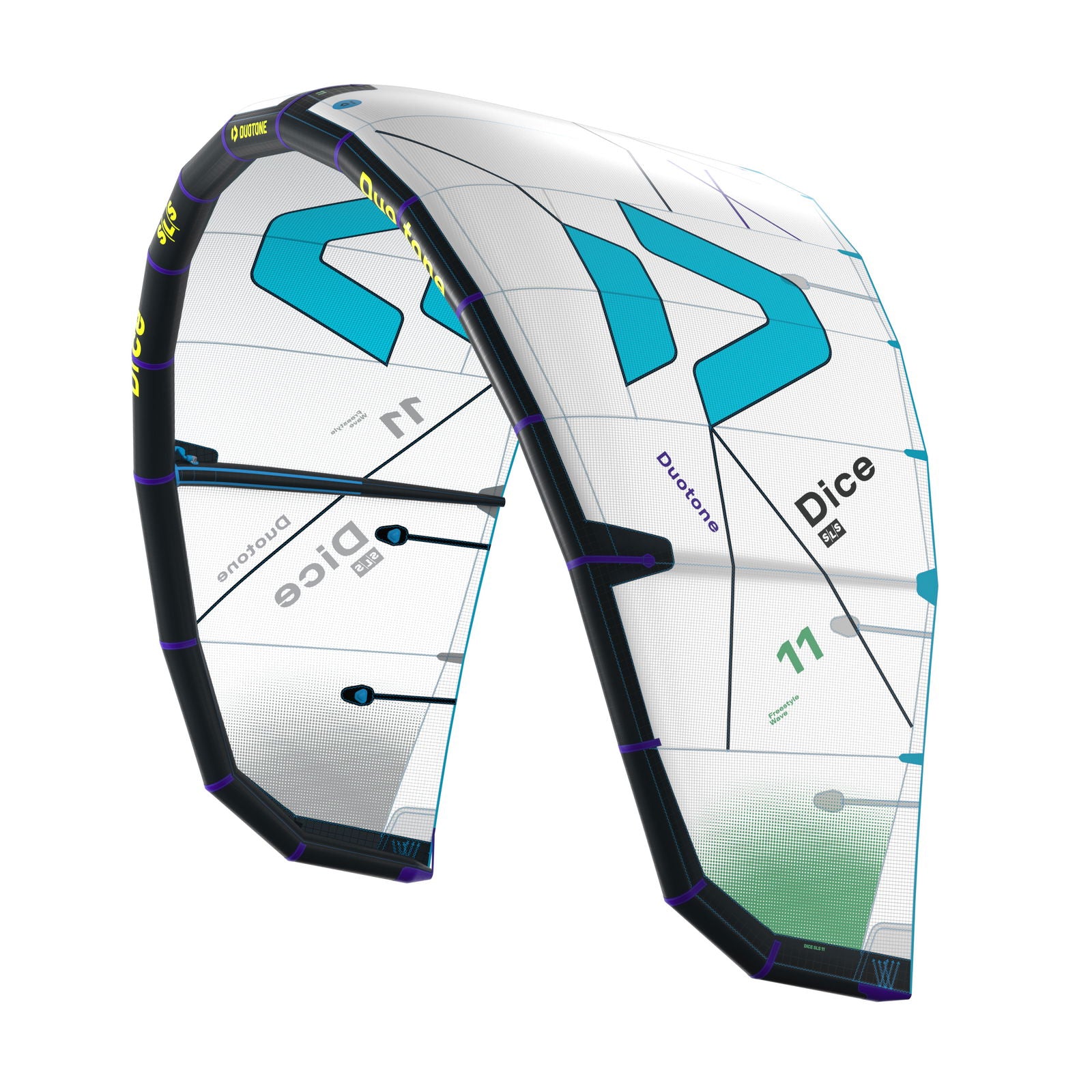
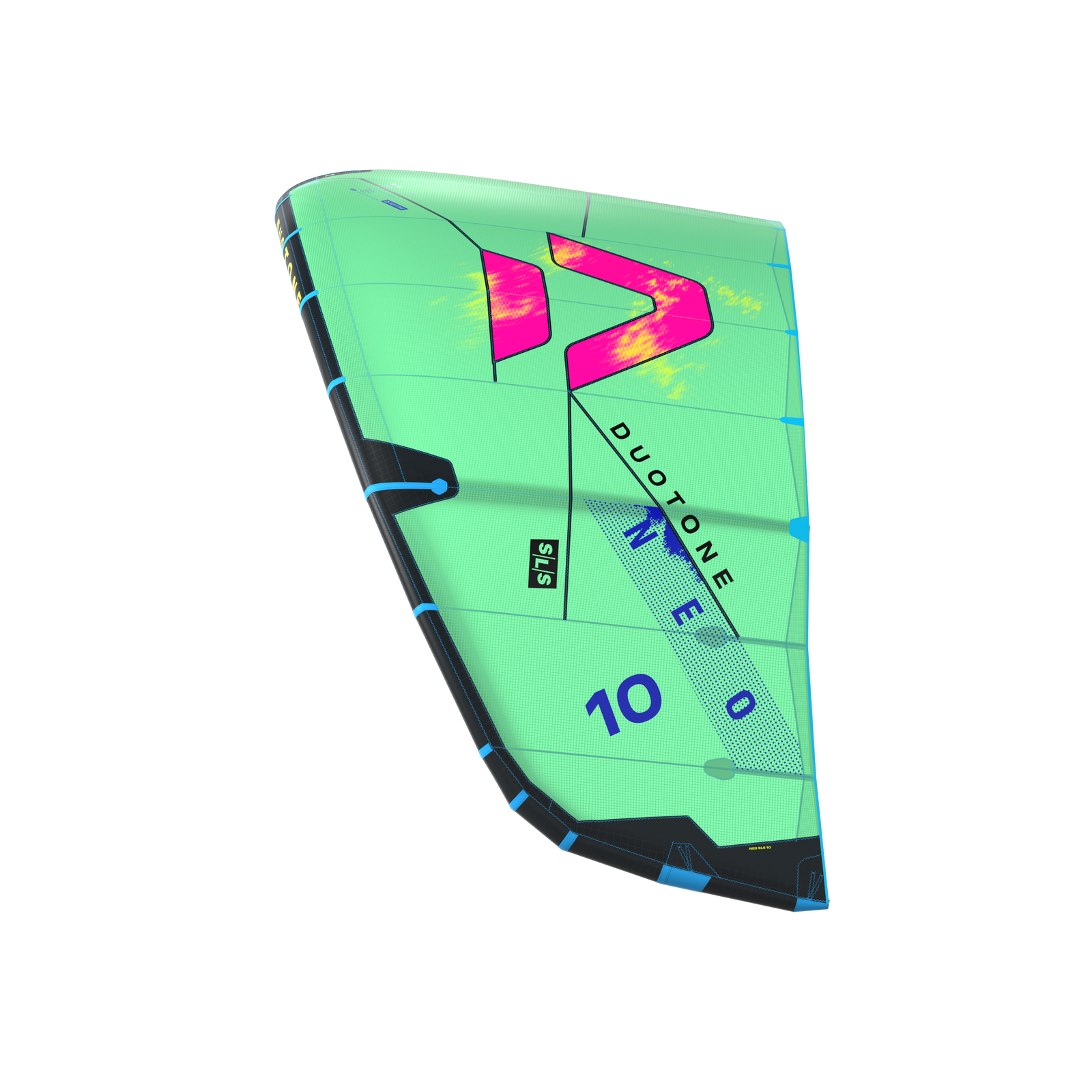
Prices and 2026 specs are pulled live from each product page. Confirm on the product page before checkout.
04 — MistakesThree mistakes we see every week
Ready to pick your next kite?
Browse our full Duotone, Cabrinha, and Gaastra kite range filtered by wind angle and size.
Frequently asked
Technically yes, but we don't recommend it. You'll exhaust yourself fighting drift and managing power. Start cross-shore, build your skills, then hunt cross-onshore sessions when you're ready.
Check the product page—it varies by model. Most 12 m² kites work well in 12–20 knots. Lighter riders might ride it in stronger wind; heavier riders might need it in lighter wind.
Not necessarily. A stable all-rounder like the Duotone Evo SLS works in both. But if you ride one condition 80% of the time, optimize for that—you'll feel the difference.
Watch the waves, the trees, and your flag. If wind pushes you parallel to shore, that's cross-shore. If it pushes you toward land, that's cross-onshore. A wind meter app helps too.