Right of Way Rules in Kitesurfing — IKO Rules Explained
Right-of-way rules in kitesurfing aren't suggestions—they're the difference between a clean session and a collision. We'll break down the IKO rules so you know exactly who yields, when, and why.
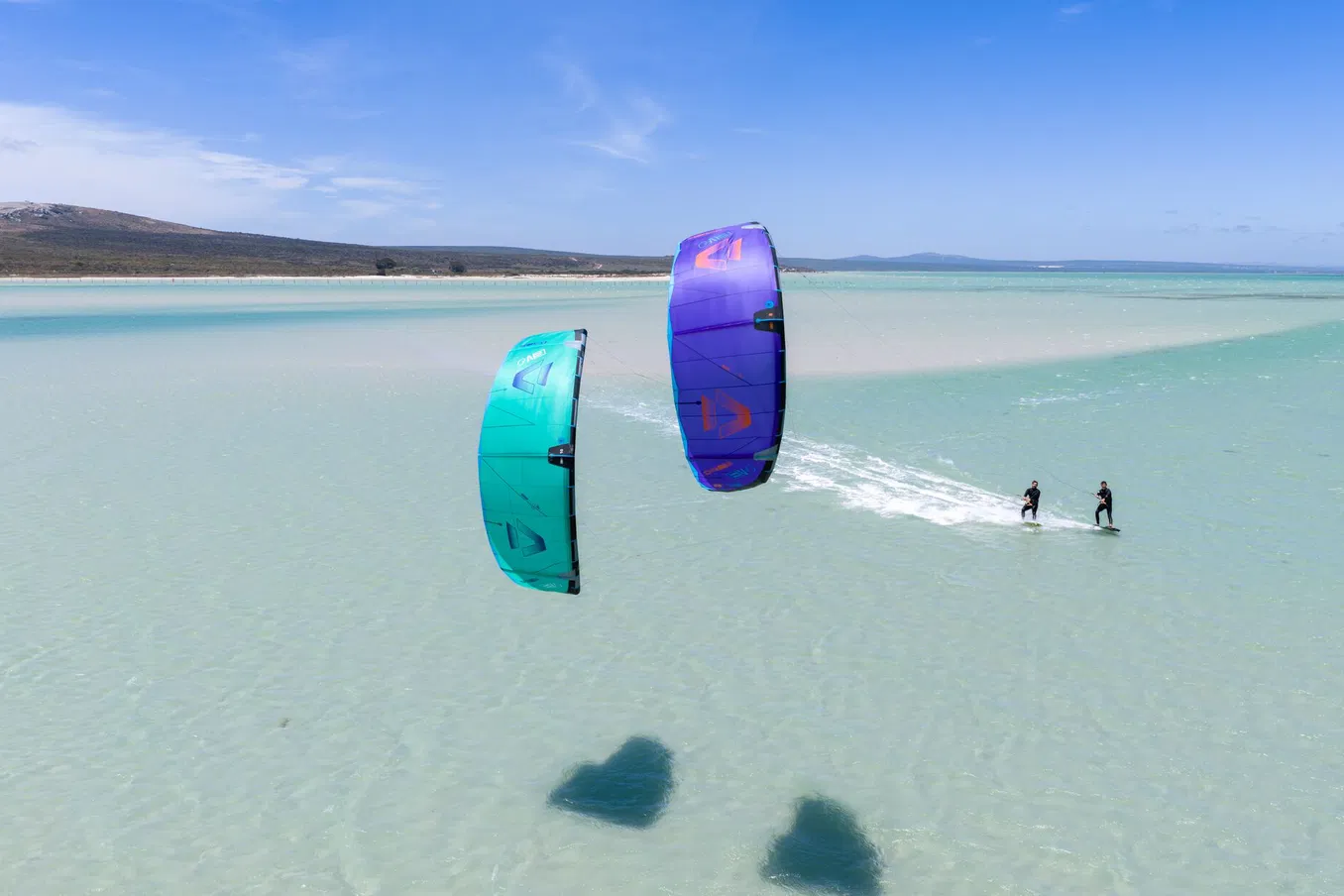
Two rules run the water: Starboard priority (kite flying right beats kite flying left) and downwind advantage (upwind riders yield because they can manoeuvre faster). Learn these and you'll read the lineup like someone who's been riding for years.
01 — Kite side priorityThe Starboard Rule: Your Kite Position Matters
If your kite is flying on your right side (starboard), you own the water in front of you. The rider with their kite on the left (port) has to get out of your way. This applies whether you're both moving, one's stationary, or you're converging head-on.
Think of it like this: starboard riders can't look over their shoulder to see port riders coming from behind. Port riders *can* see starboard riders, so they bear the responsibility to avoid. It's fair, it's simple, and it stops arguments before they start. Whether you're flying a 9 m² in light wind or a 12 m² in a packed beach day, this rule never changes.
02 — Wind direction advantageThe Upwind Rule: Manoeuvrability Wins
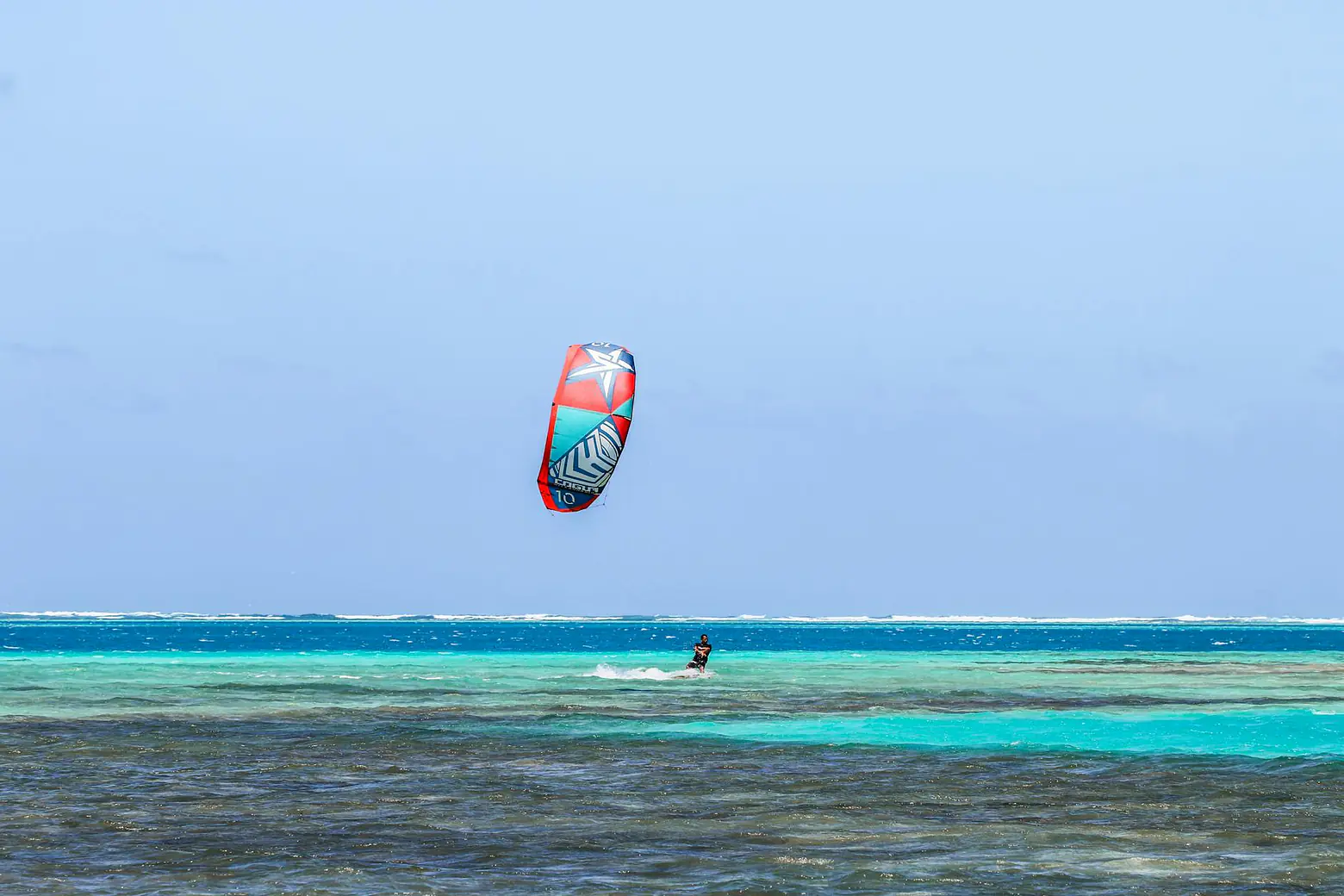
Here's where kitesurfing flips sailing on its head: the upwind rider yields to the downwind rider. Why? Because upwind riders have more manoeuvrability. You can edge harder, change direction faster, and brake quicker when you're riding toward the wind. Downwind riders are committed to their line—they can't turn as sharply or stop as easily.
If you're riding upwind and a downwind rider is on a collision course, you change course. You've got the tools to do it safely. Downwind riders don't, so they've earned priority. Both rules work together: check your kite side *and* your wind angle before you drop in.
03 — Our picksOur 4 In-Stock Picks
You need a kite that answers quickly so you can keep right-of-way rules second nature, not a struggle. Here are four we stock that do exactly that.
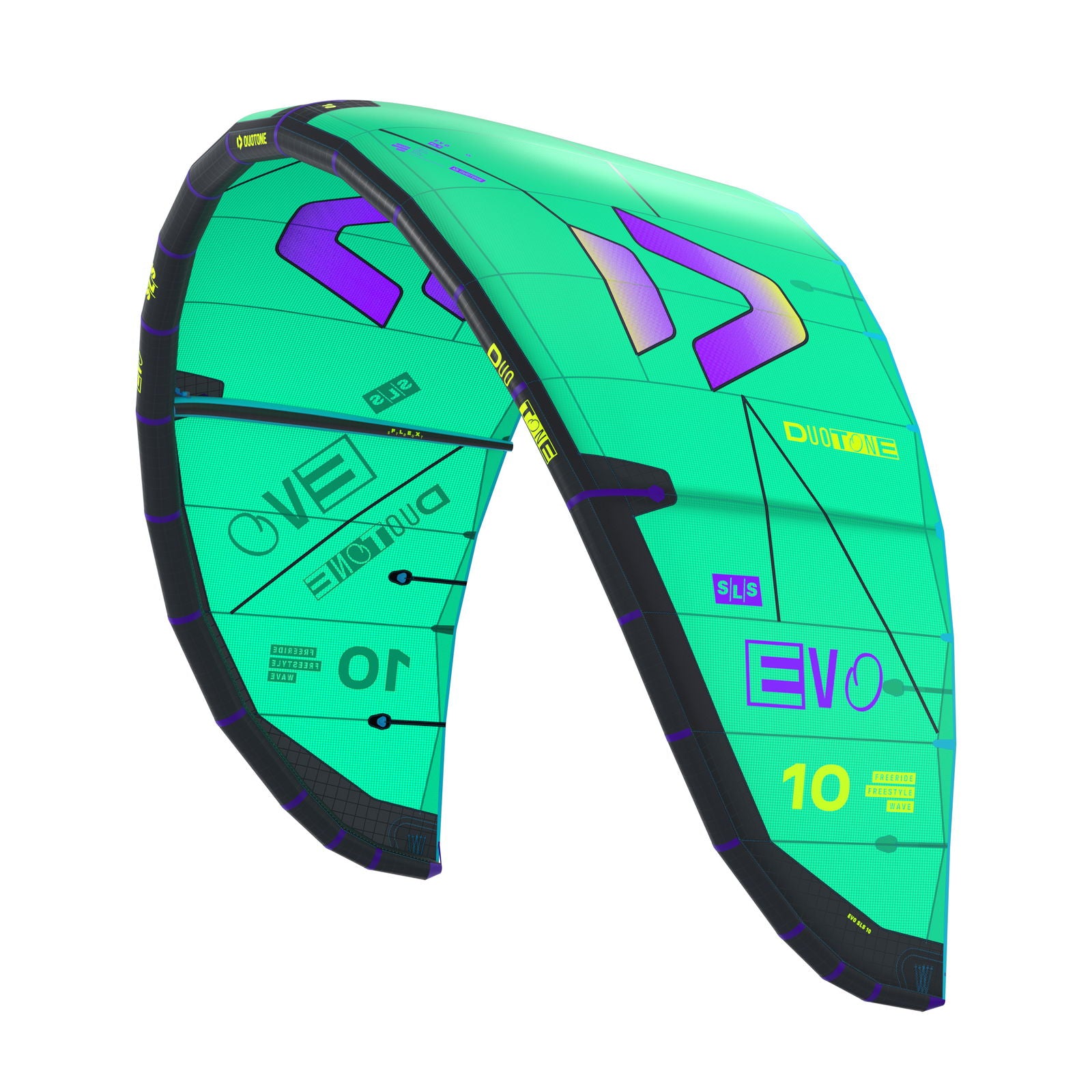
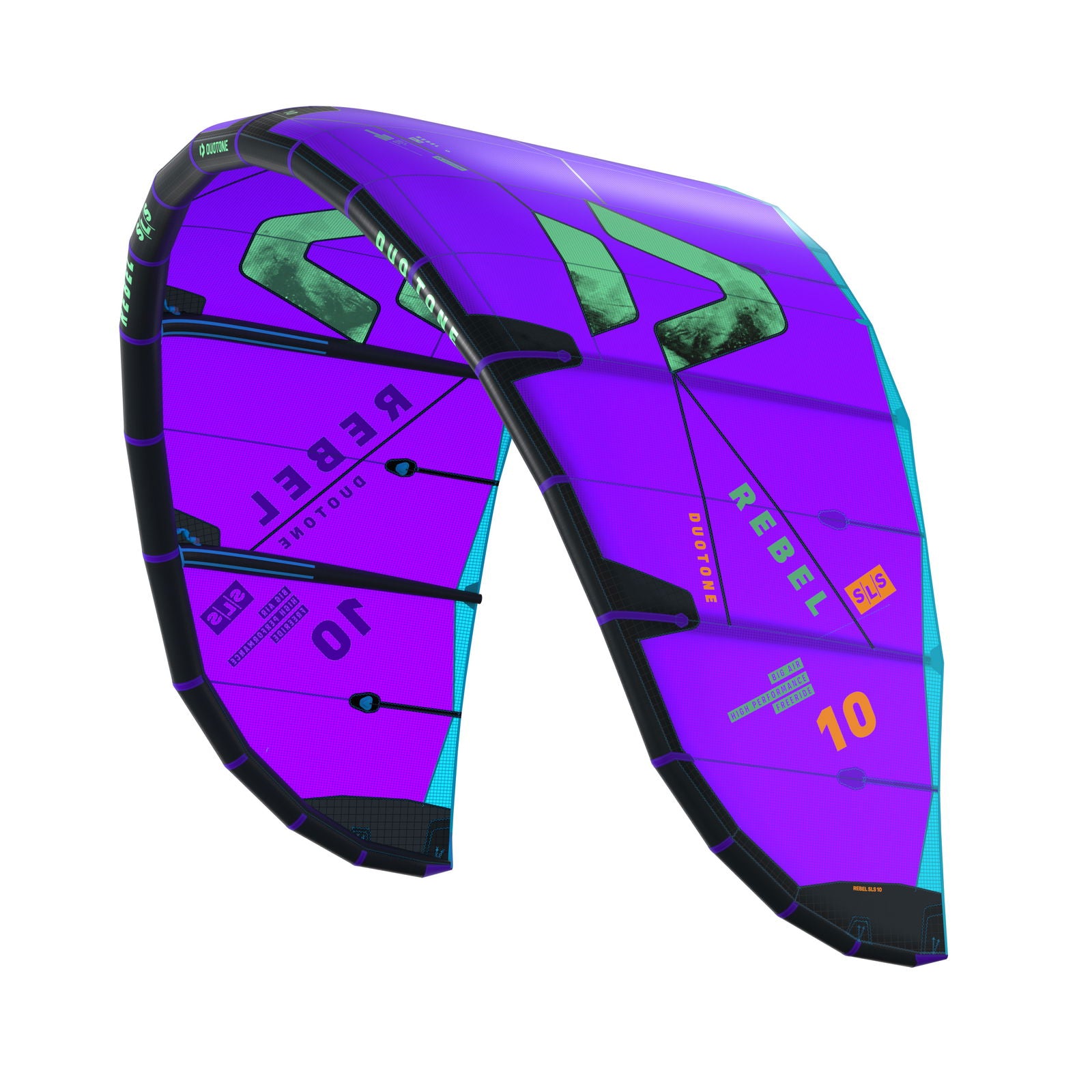
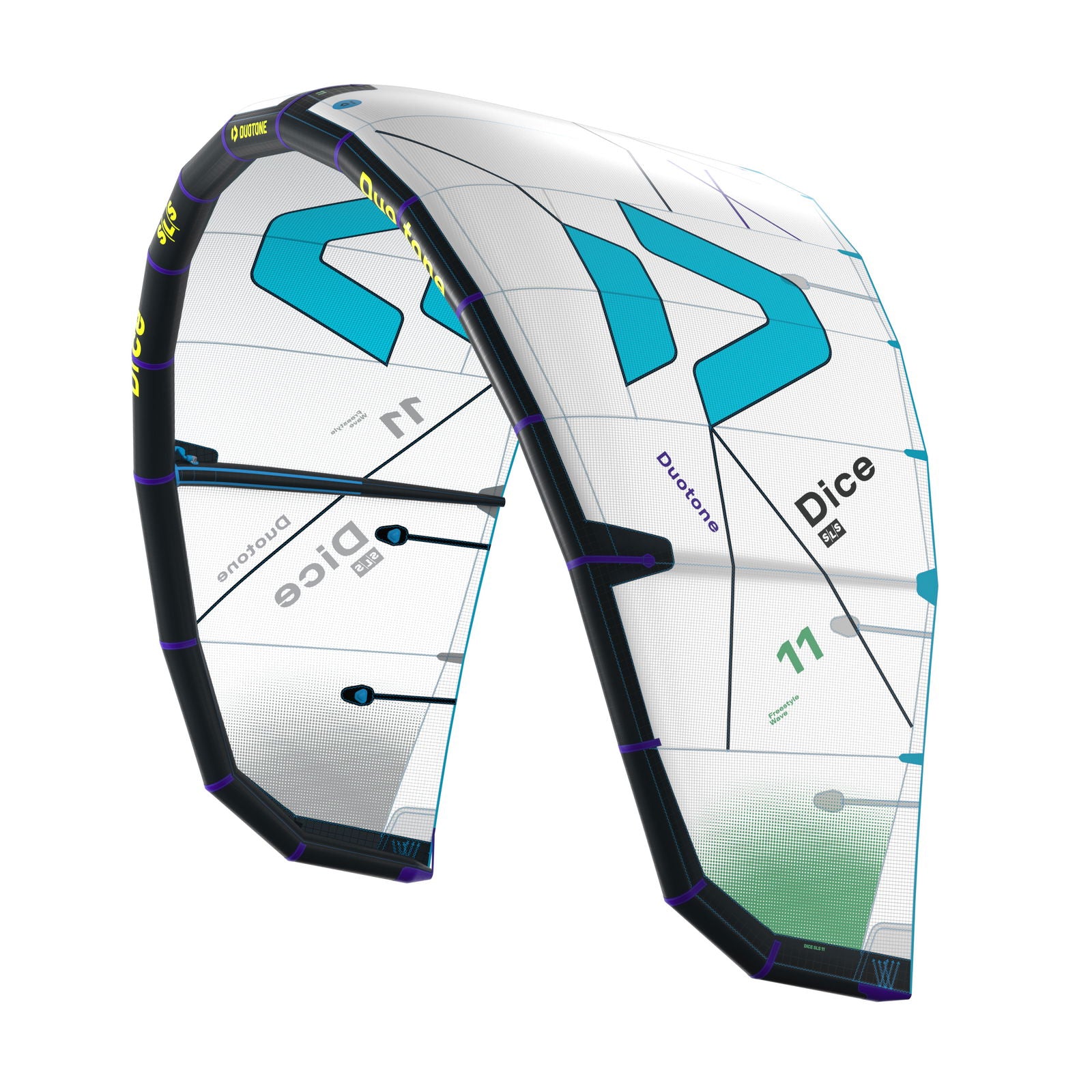
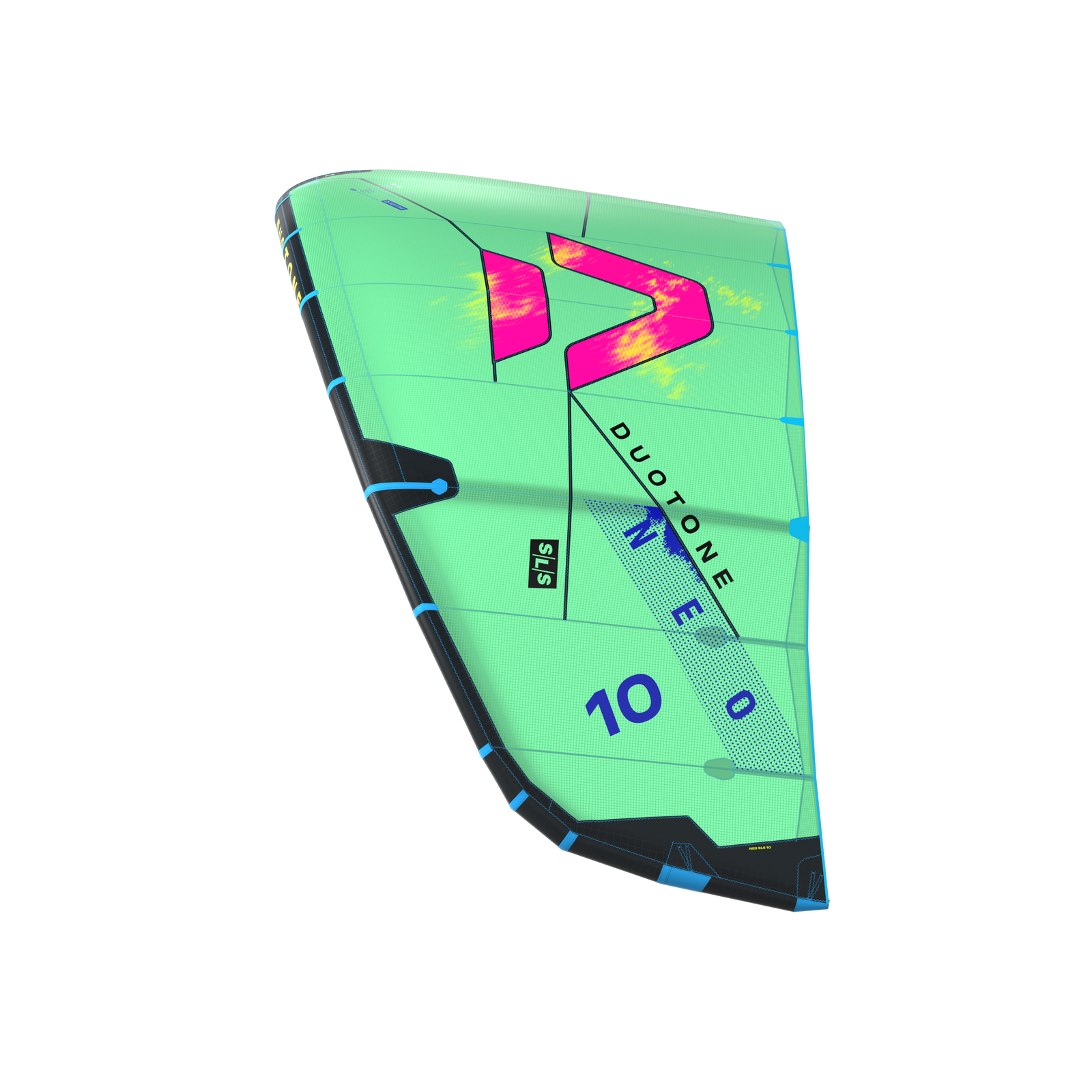
Prices and 2026 specs are pulled live from each product page. Confirm on the product page before checkout.
04 — MistakesThree mistakes we see every week
Ready to ride rules-safe?
Browse our full kitesurfing kite range and find the responsive model that fits your local wind and style.
Frequently asked
The upwind rule applies. The rider closer to the wind (upwind) yields to the rider downwind. Their position matters more than kite side when both sides match.
No. Starboard and upwind rules apply in any wind speed—5 knots or 25 knots. The rules don't scale with conditions; they're absolute.
IKO (International Kitesurfing Organization) rules are the standard we follow. They're simpler than racing rules and work for any session, not just competitions.
Absolutely. Understanding right-of-way before you rig a 9 m² or 12 m² kite keeps you and everyone else injury-free. Rules are part of kit knowledge, not something you learn later.