Kitesurfing in 20 Knots — Kite Size & Setup Guide
20 knots is the sweet spot—enough power to load your kite cleanly, but still manageable for tricks and waves. Here's exactly which kite size, setup, and board combo wins in this wind range.
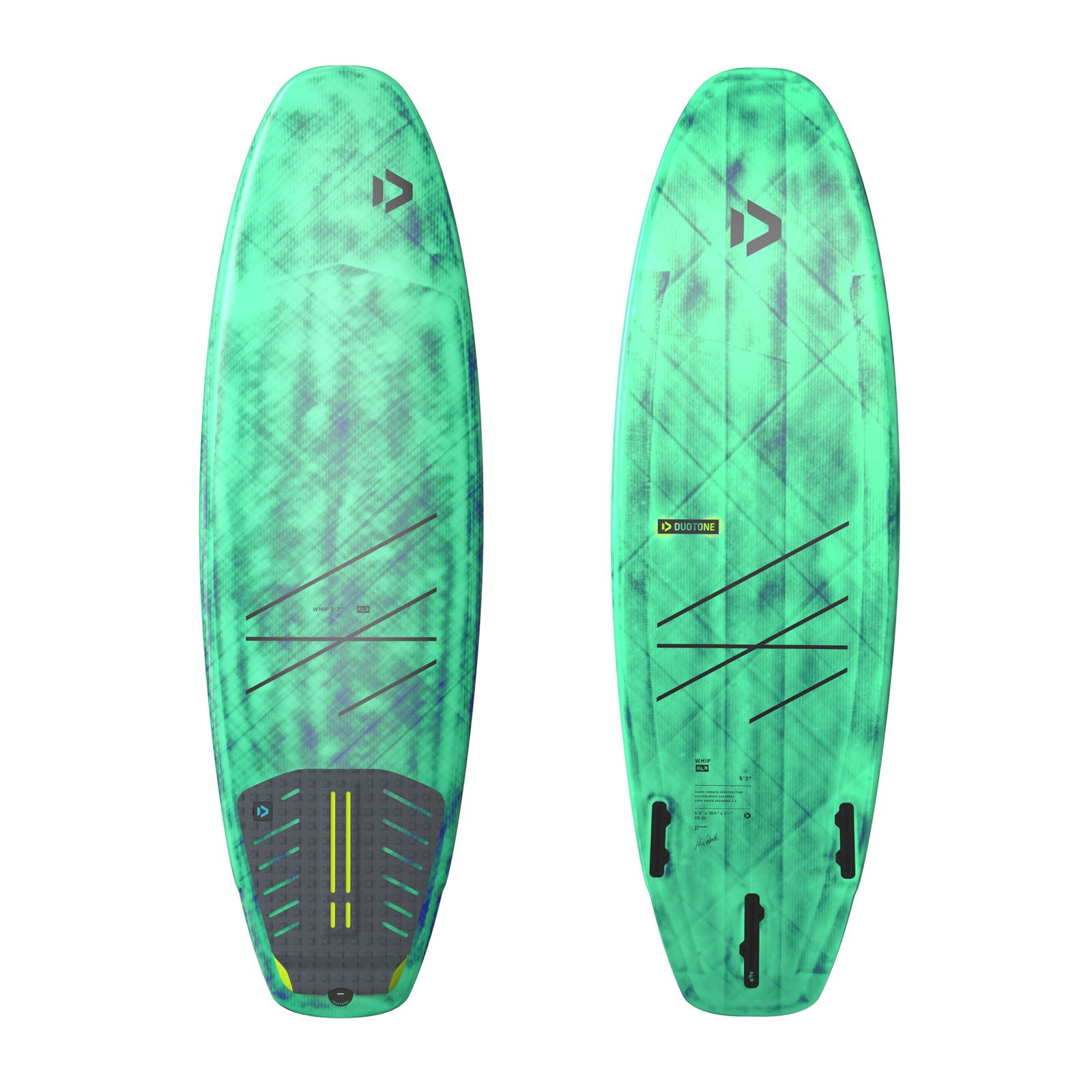
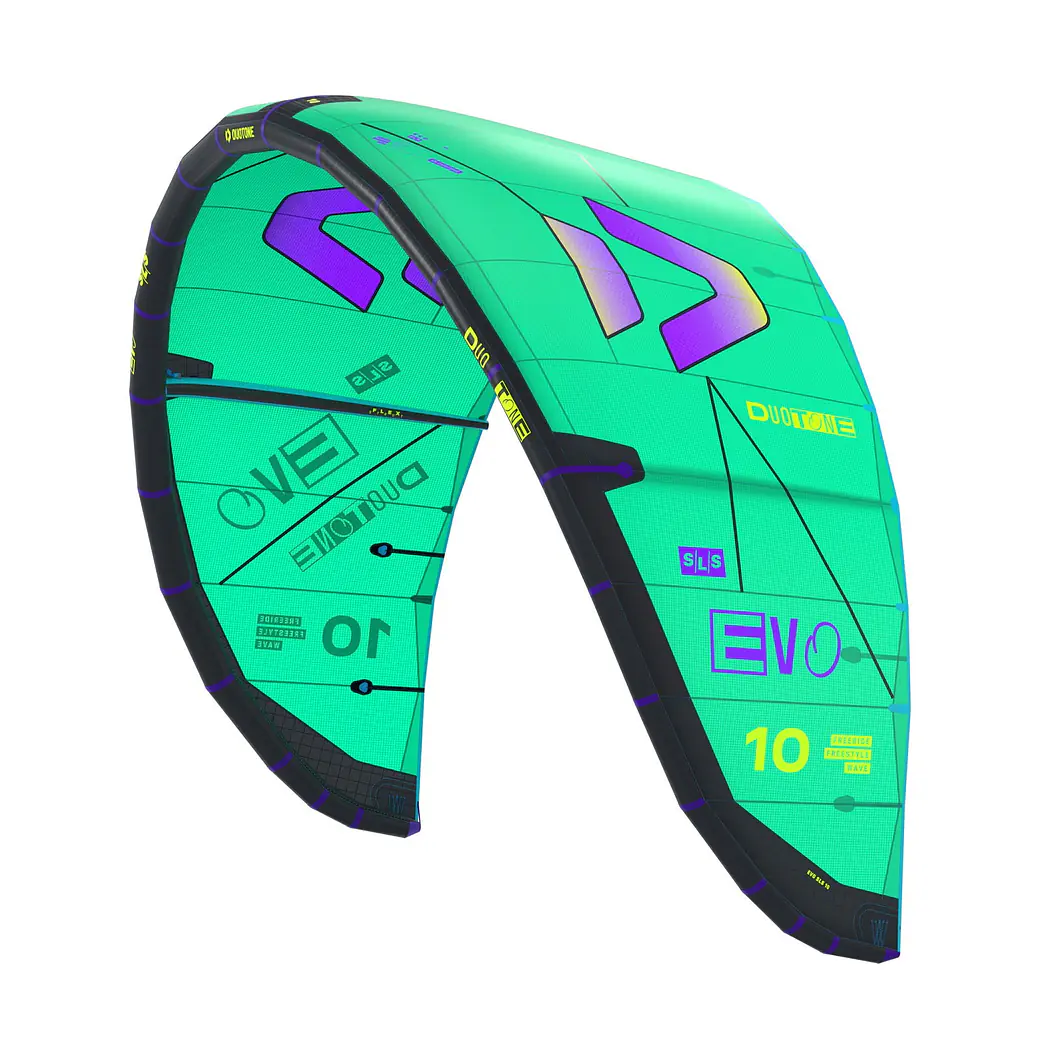
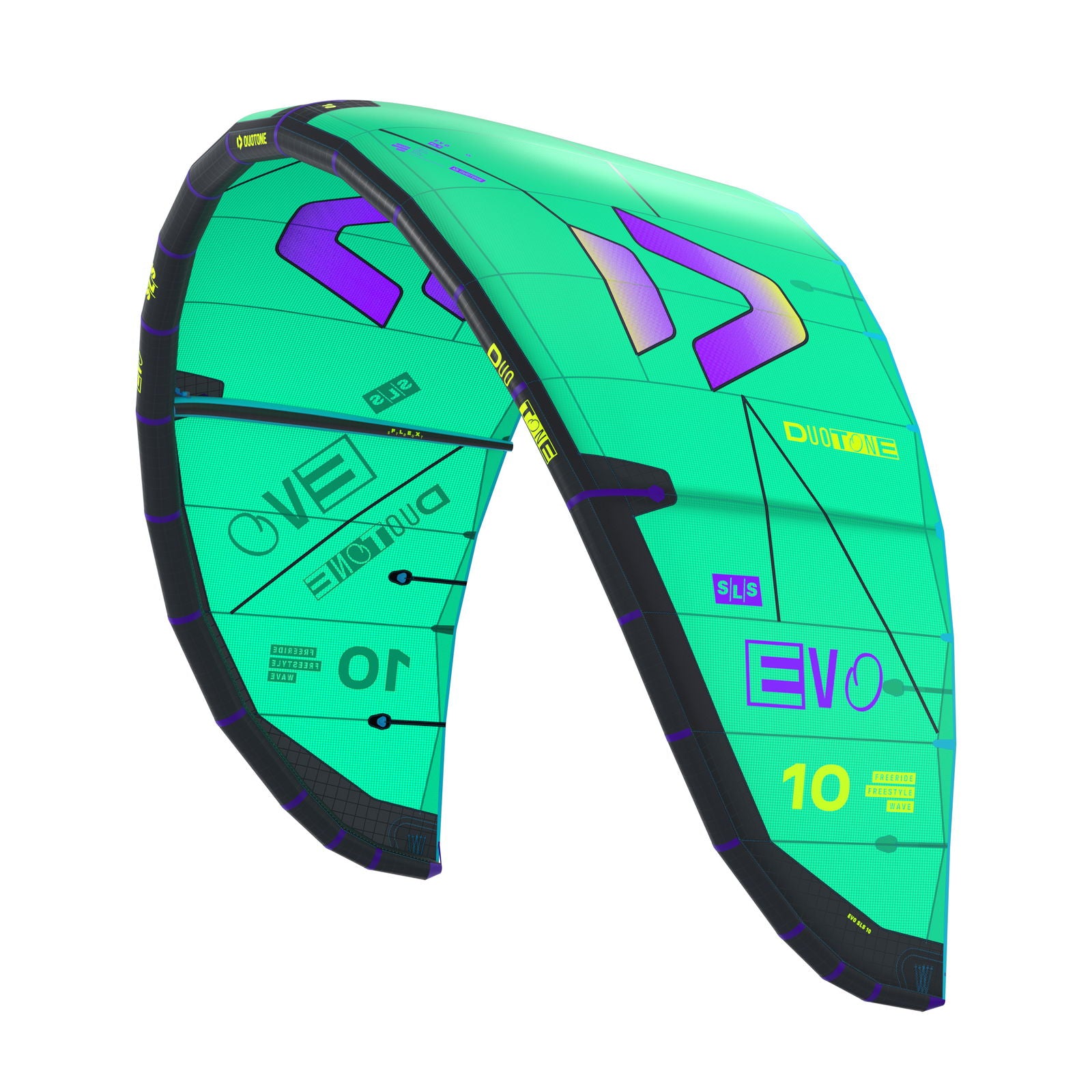
At 20 knots, pick a 12–13 m² kite if the wind's light (18–20 kt) or a 10–11 m² if it's pushing toward 24 knots. Pair with a 140–150 L freeride board, dial your harness and bar tension so you're powered but not fighting, and you'll ride clean. The Duotone Evo SLS 2026 and Duotone Neo SLS 2026 both excel in this window.
01 — ConditionsWhy 20 Knots Is Your Best Friend
20 knots is where most riders get their best sessions. The kite loads cleanly on your hands, transitions feel responsive, and you've got enough power to pop tricks or chase waves without the chaos of stronger wind. You're not fighting gusts every five seconds, and a small mistake won't send you downwind into the shore.
It's also the wind range where gear choice actually matters. Go too small and you'll be underpowered; go too big and you're wrestling the bar all session. That window is tight—but learnable.
02 — SizingKite Size: Light End vs. Strong End
Split 20 knots into two camps. If the forecast says 18–20 knots and gusts aren't climbing past 22, you want 12–13 m². It's where the kite sits sweet in your hands, pop is snappy, and you've got room to move through your tricks. Riders from Tarifa to Cape Town tell us this is the setup they reach for most.
If you're seeing consistent 21–24 knot pulls, drop to 10–11 m². You'll still have drive, but you won't be fighting pressure spikes. Pick too much size and you'll spend the session de-powering; pick too little and you're hunting pressure pockets. The Duotone Evo SLS 2026 (12 m²) handles the light end beautifully, while the Duotone Neo SLS 2026 (9 m², if you're heavier or wind's strong) keeps you level.
03 — Our picksFour Kites That Work in 20 Knots
We've had these four in rotation since we stocked them, and they all track true at 20 knots. Pick one based on your weight, board style, and whether you lean toward waves or park tricks.
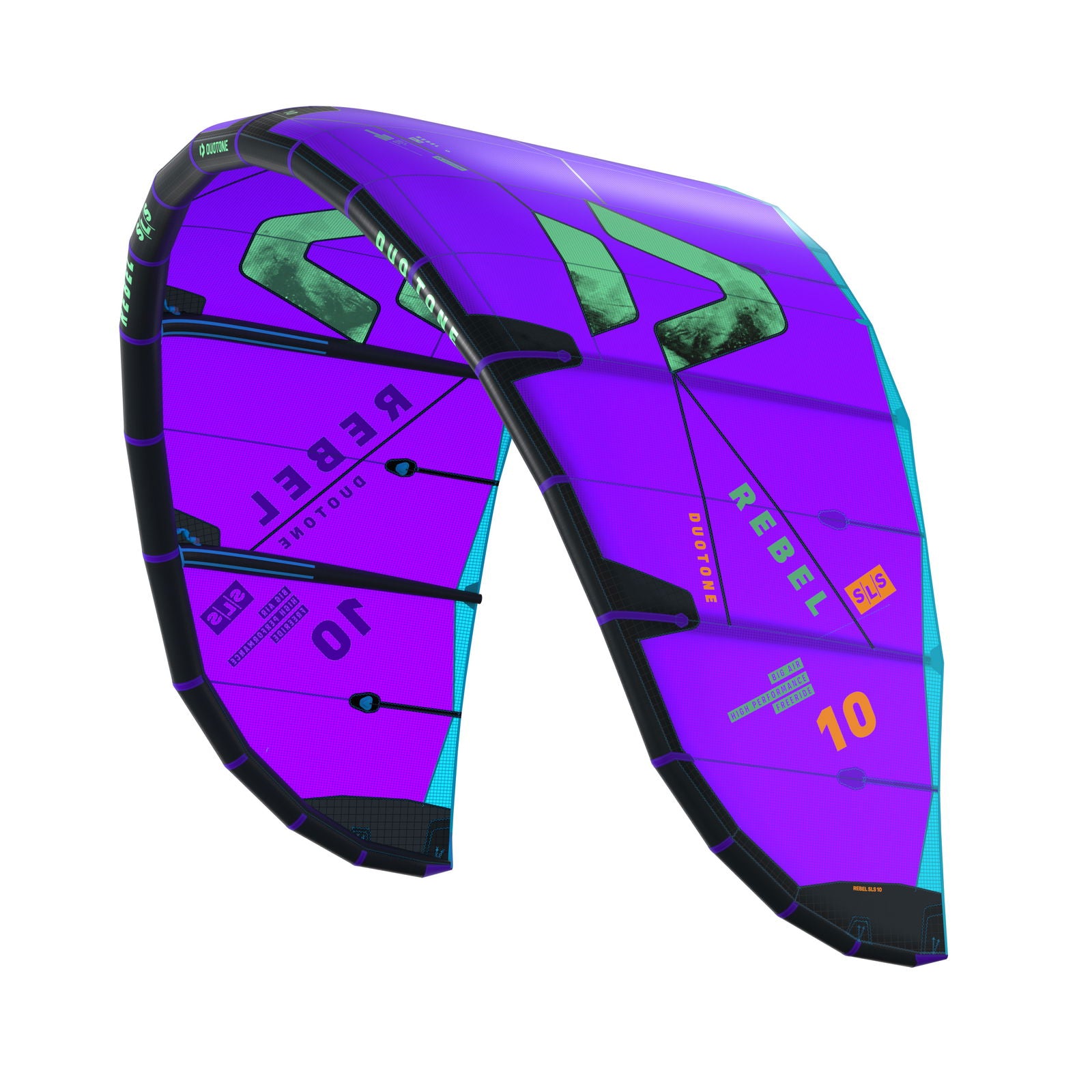
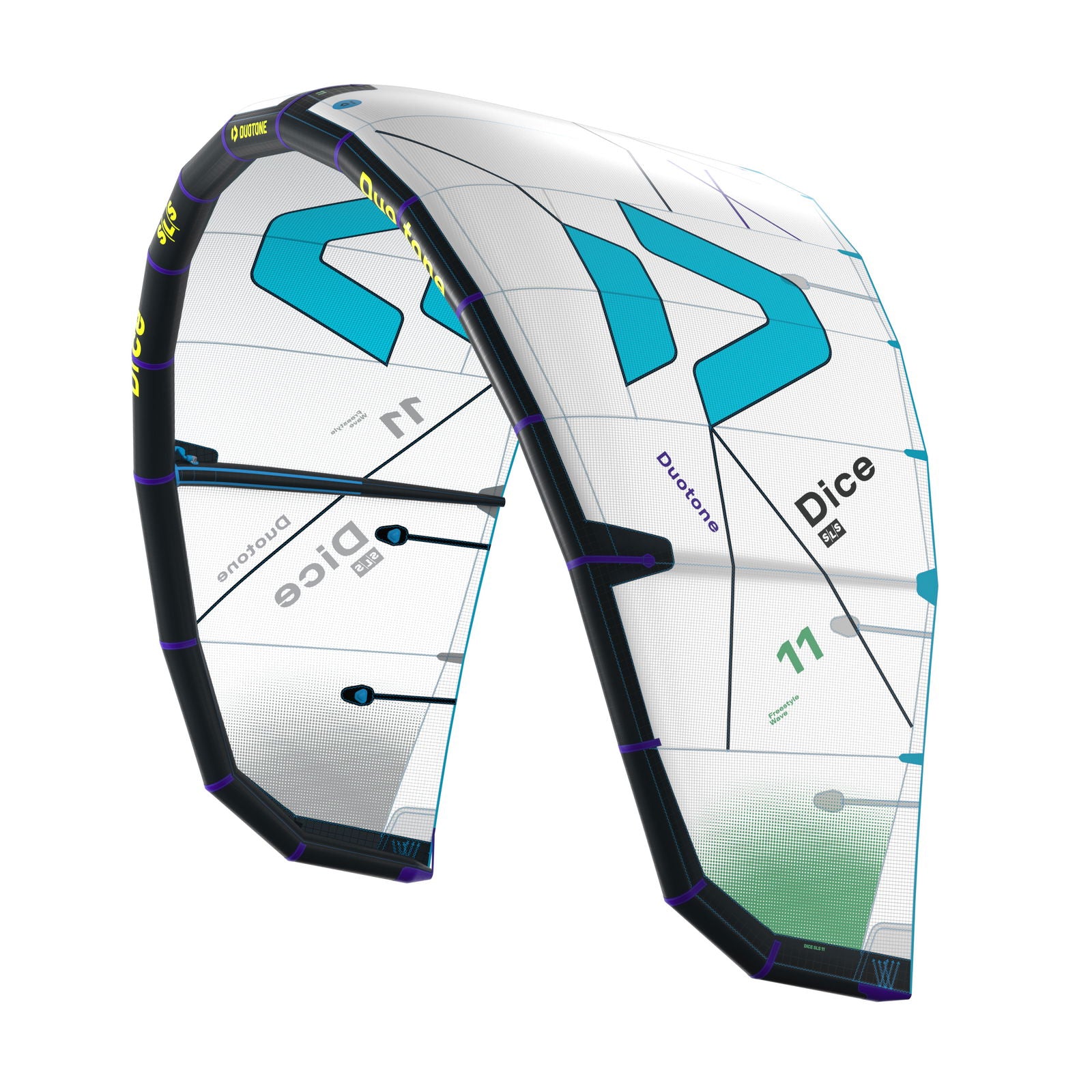
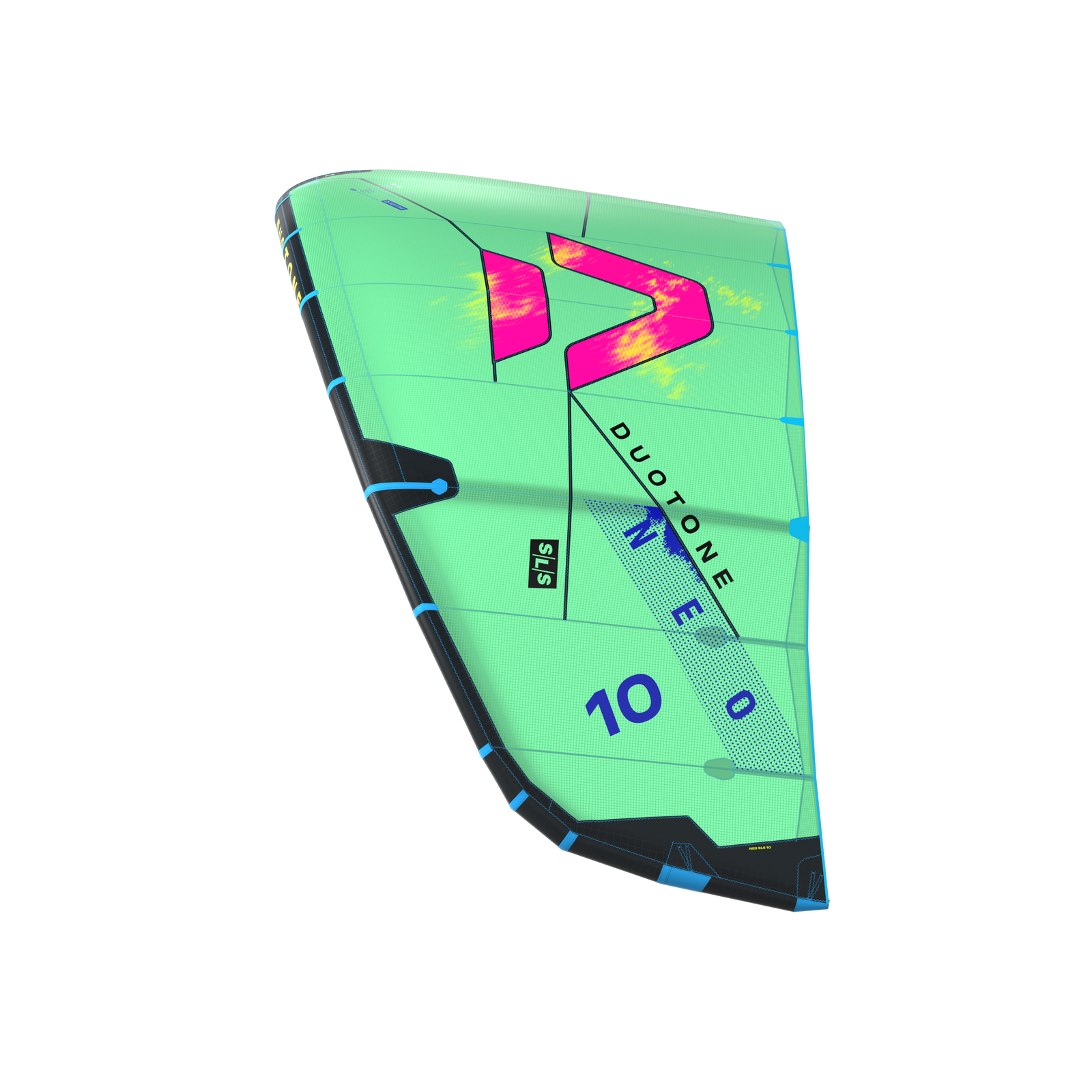
Prices and 2026 specs are pulled live from each product page. Confirm on the product page before checkout.
04 — MistakesThree mistakes we see every week
Ready to dial in 20 knots?
Browse our full range of Duotone, Cabrinha, and Gaastra kites—all tested in-house and backed by 20+ years of shop expertise.
Frequently asked
Yes, if you're heavy (85+ kg) or wind spikes above 23 knots. For most riders at steady 20 knots, it'll feel underpowered. Check the product page for your kite's recommended wind range.
A 140–150 L freeride board is sweet spot. It floats you in light gusts and stays responsive when pressure picks up. Heavier riders might go 150–160 L.
Your hands should feel loaded but not cranked. If you're pulling hard or can barely hold the bar with one hand, your bridle or harness needs adjustment. Visit us for a free tune-up.
Absolutely. Power's clean, conditions are forgiving, and transitions are sharp. Most trick progression happens in this window.