Best Winter Kitesurfing Destinations 2026 — Warm Water Guide
Winter doesn't kill your season—it just moves it south. We've shipped kites to riders from Morocco to the Caribbean, and the spots that work deliver warm water, steady trade winds, and room to ride.
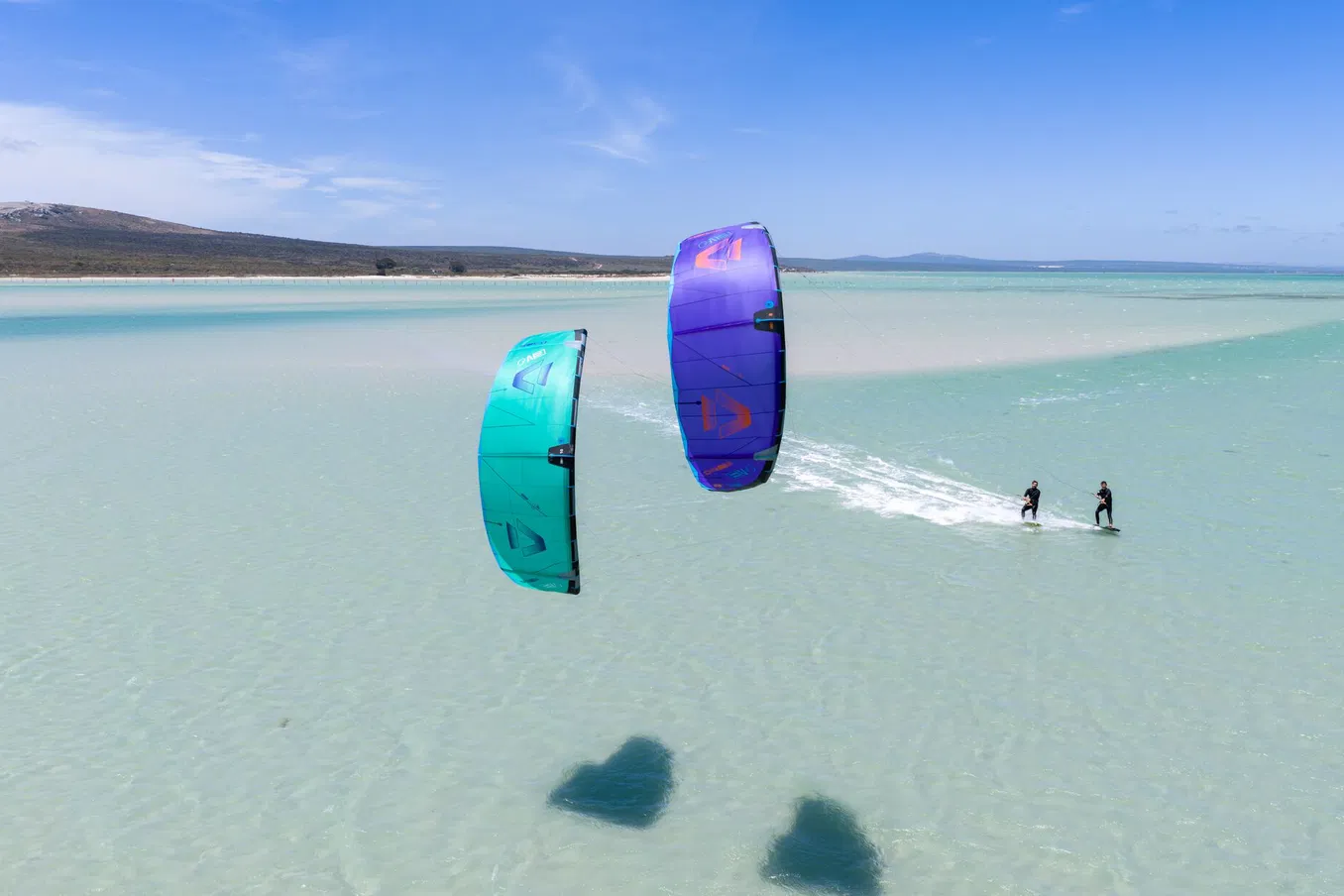
Hunt November–April when trade winds hold 12–25 knots, water temps climb to 22–28°C, and you escape European sleet. Morocco's Atlantic coast, the Canary Islands, and Caribbean flatwater are your safest bets. Grab a 9–12 m² all-rounder like the Duotone Evo SLS, pack board shorts, and ride 4–6 hour sessions in genuine warmth.
01 — Dakhla & Spot BreakdownMorocco's Atlantic Coast: Swell + Trade Winds
Dakhla, 500 km south of Casablanca, is where most of our buyers head first. Trade winds blow 14–22 knots November through March, the water sits 20–24°C, and you get both wave riding and flatwater thermals in the same session. The Chebbi Lagoon is glassy at dawn; the Atlantic side fires with swell by afternoon.
Further north, Essaouira (near Marrakech) picks up stronger swells and sharper wind. It's busier, windier (18–26 knots), but the town's got real infrastructure—cafés, rental shops, other kites. Water's slightly cooler (18–22°C), but still swimmable November to April.
02 — Fuerteventura & LanzaroteCanary Islands: Reliable Trade Winds Year-Round
Fuerteventura and Lanzarote catch northeast trade winds 11 months of the year. You're looking at consistent 12–20 knots November–March, water temps 19–23°C, and zero winter weather surprises. Flags Beach and Punta Popy near Corralejo are packed with other riders—good for community, less magical for solitude.
The trade-off: you're not escaping winter *that* far south (latitude 28°N), so the water's cooler than Morocco or the Caribbean. But the wind is dead reliable, the infrastructure's excellent, and you'll find rental kites if you forget your bag. Grab a 9 m² for light wind days and a 12 m² for the consistent blows.
03 — Our picksOur 4 Winter-Ready Picks
We've chosen all-rounders that handle the 12–25 knot window you'll see winter-wide. Each one packs down small, relaunch easy in choppy lagoon water, and won't demand you swap kites mid-trip.
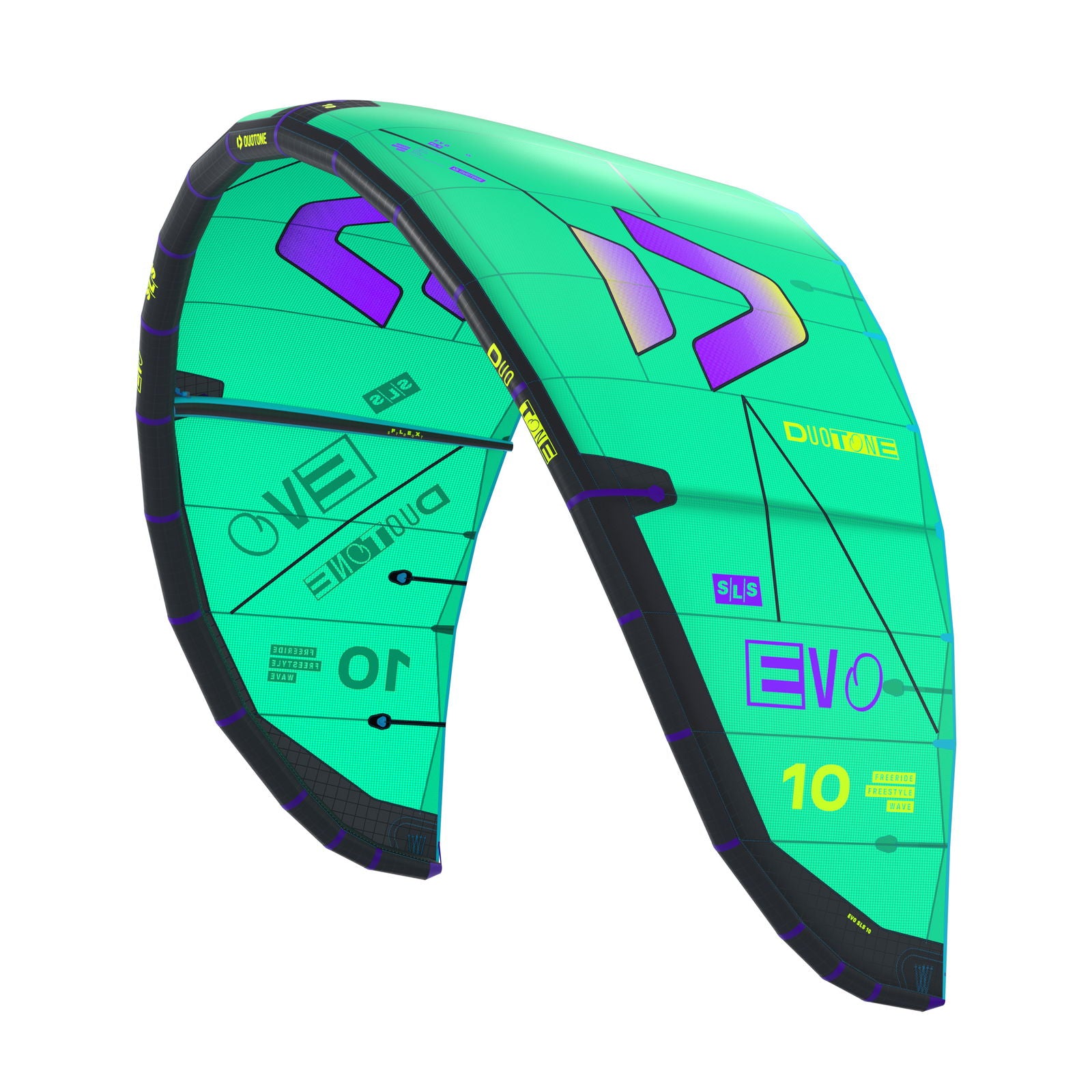
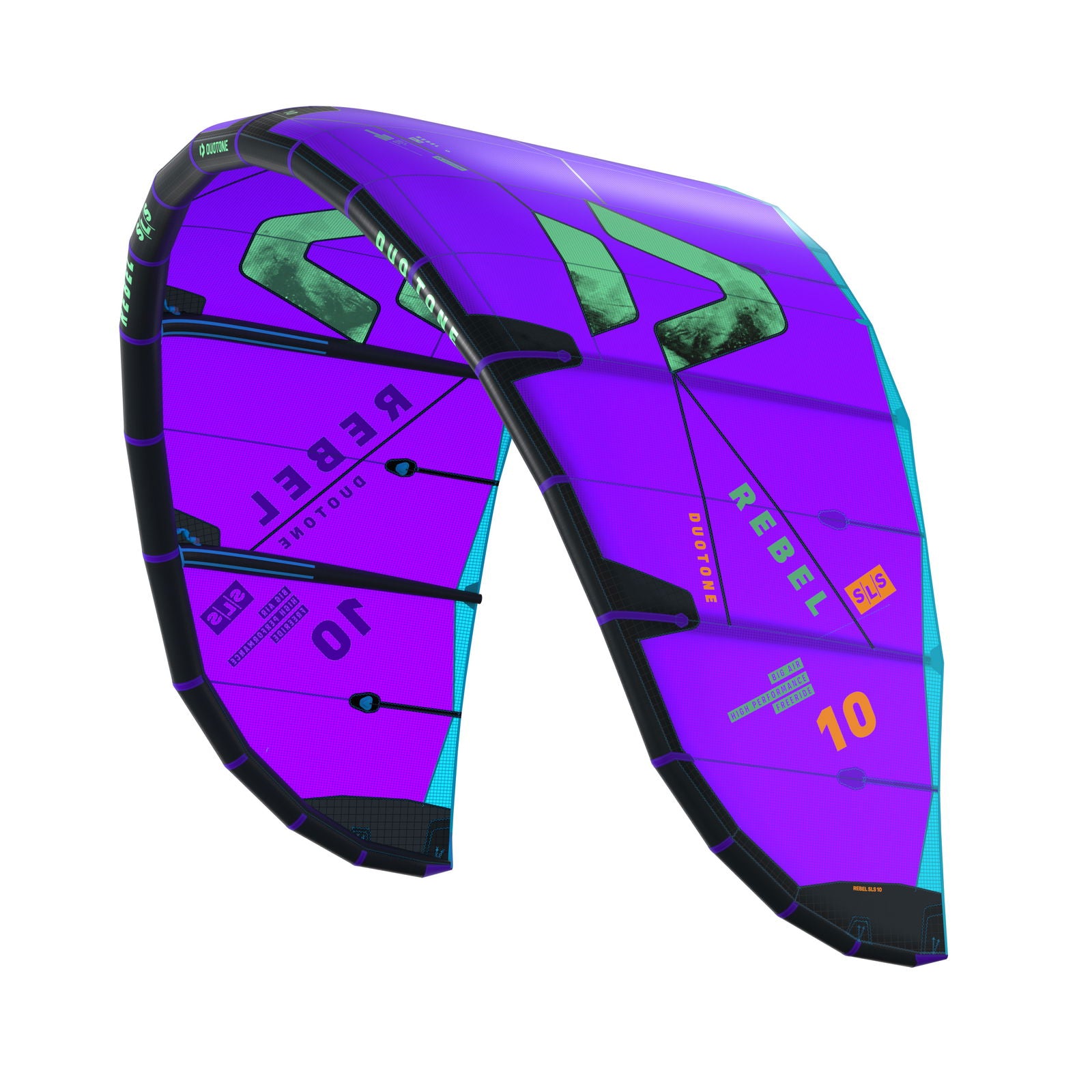
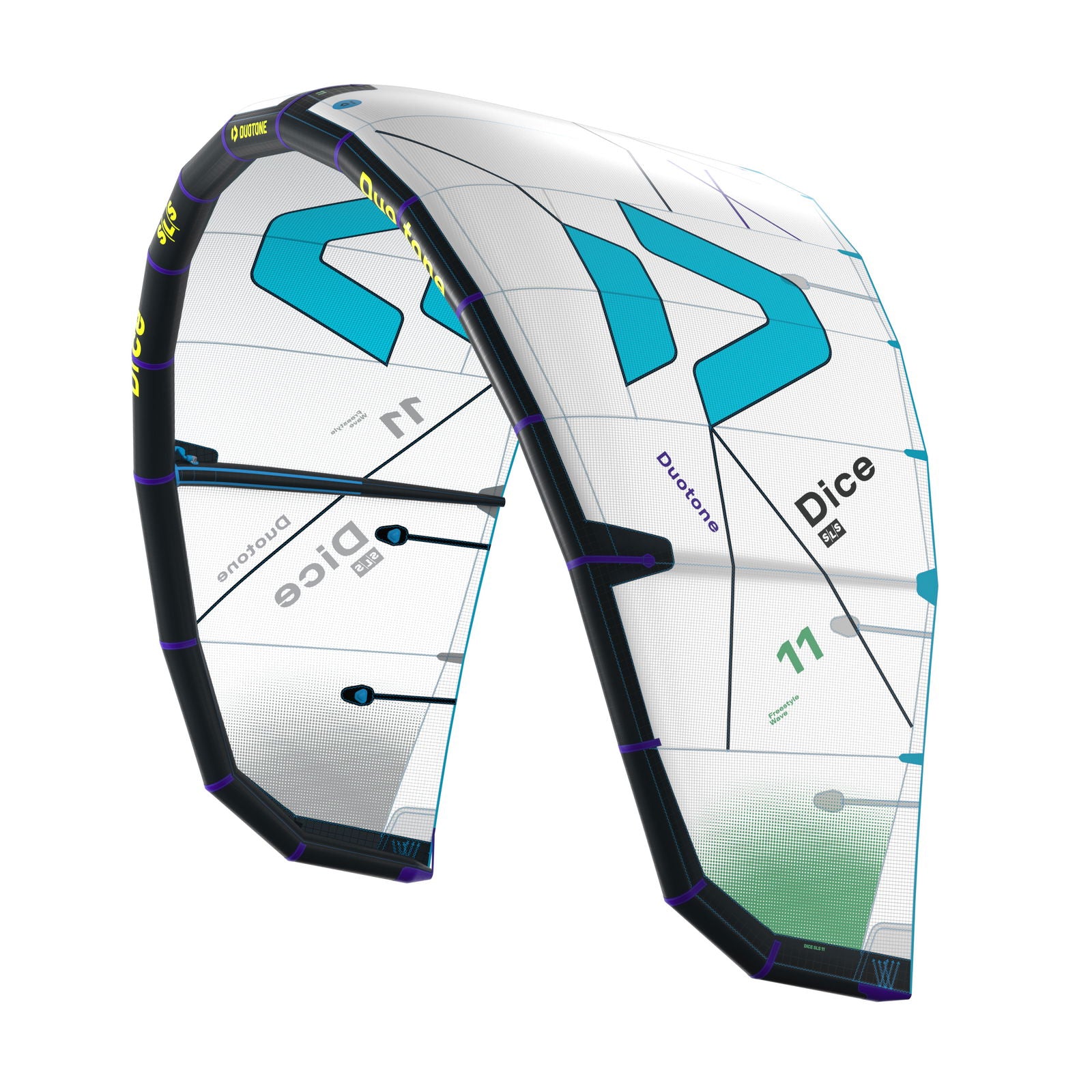
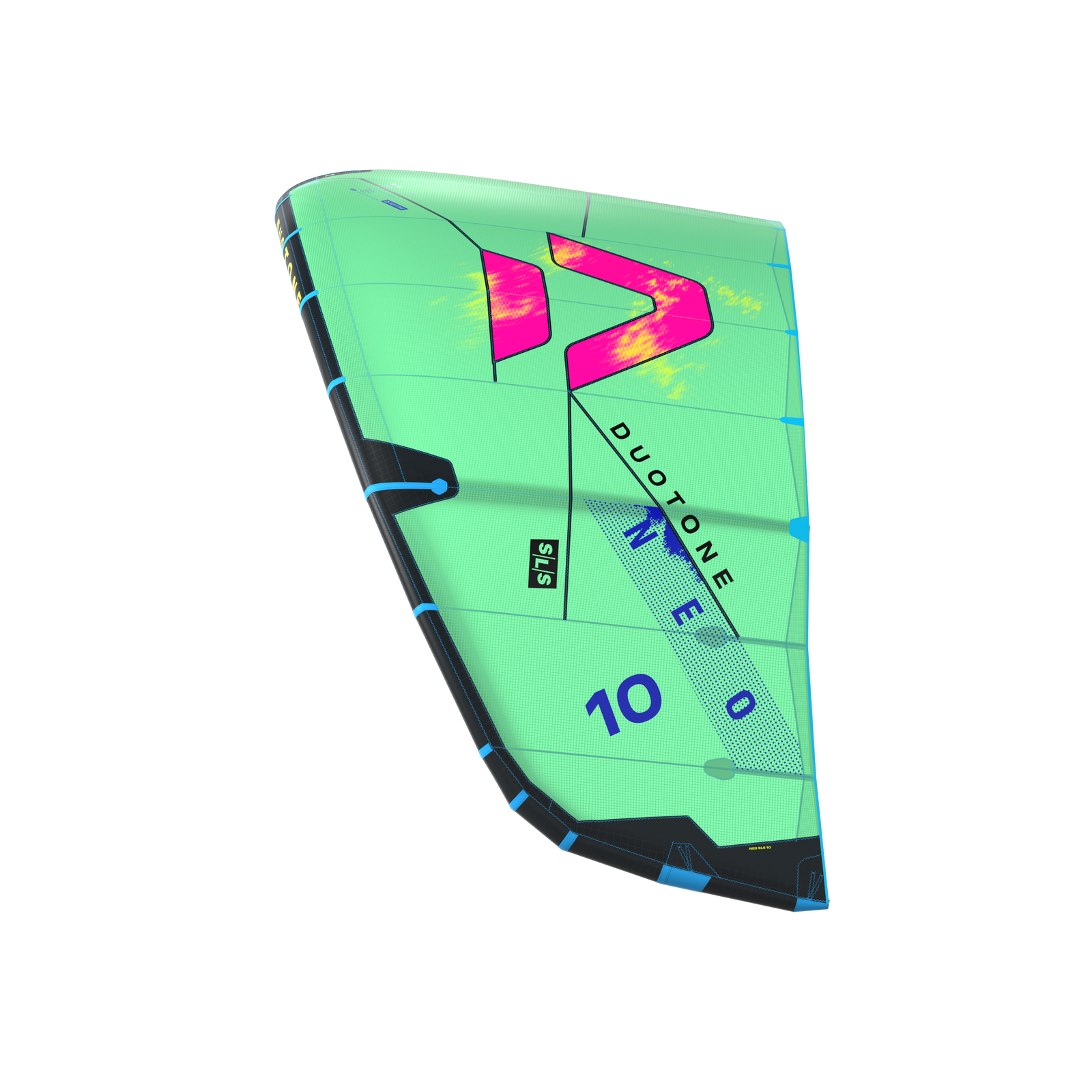
Prices and 2026 specs are pulled live from each product page. Confirm on the product page before checkout.
04 — MistakesThree mistakes we see every week
Ready to chase warm wind?
Browse our winter-ready kites in 9 m² and 12 m² sizes—all in stock, all built for trade wind cruising.
Frequently asked
No. Water temps in Morocco and the Caribbean hit 22–28°C—board shorts or a 2/2 mm is enough. Save your 5/4 mm for northern Europe in January.
January and February are peak: trade winds lock in at 16–22 knots, water's 20–24°C, and crowds are manageable if you skip the weekend rush.
Not typically. Winter trade winds sit 12–25 knots, so a 7 m² will leave you underpowered in light mornings. A 9 m² or 12 m² covers the whole range.
No—it's actually cooler (19–23°C vs. 20–24°C in Dakhla). But the wind is more consistent, making it safer for beginners who don't want wind surprises.