What Is the Lightest Foil Kite in 2026? — Ultra-Light Kite Guide
Light foil kites cut through the learning curve and make every trick feel snappier. We'll show you which 2026 models weigh least and why that matters for your riding.
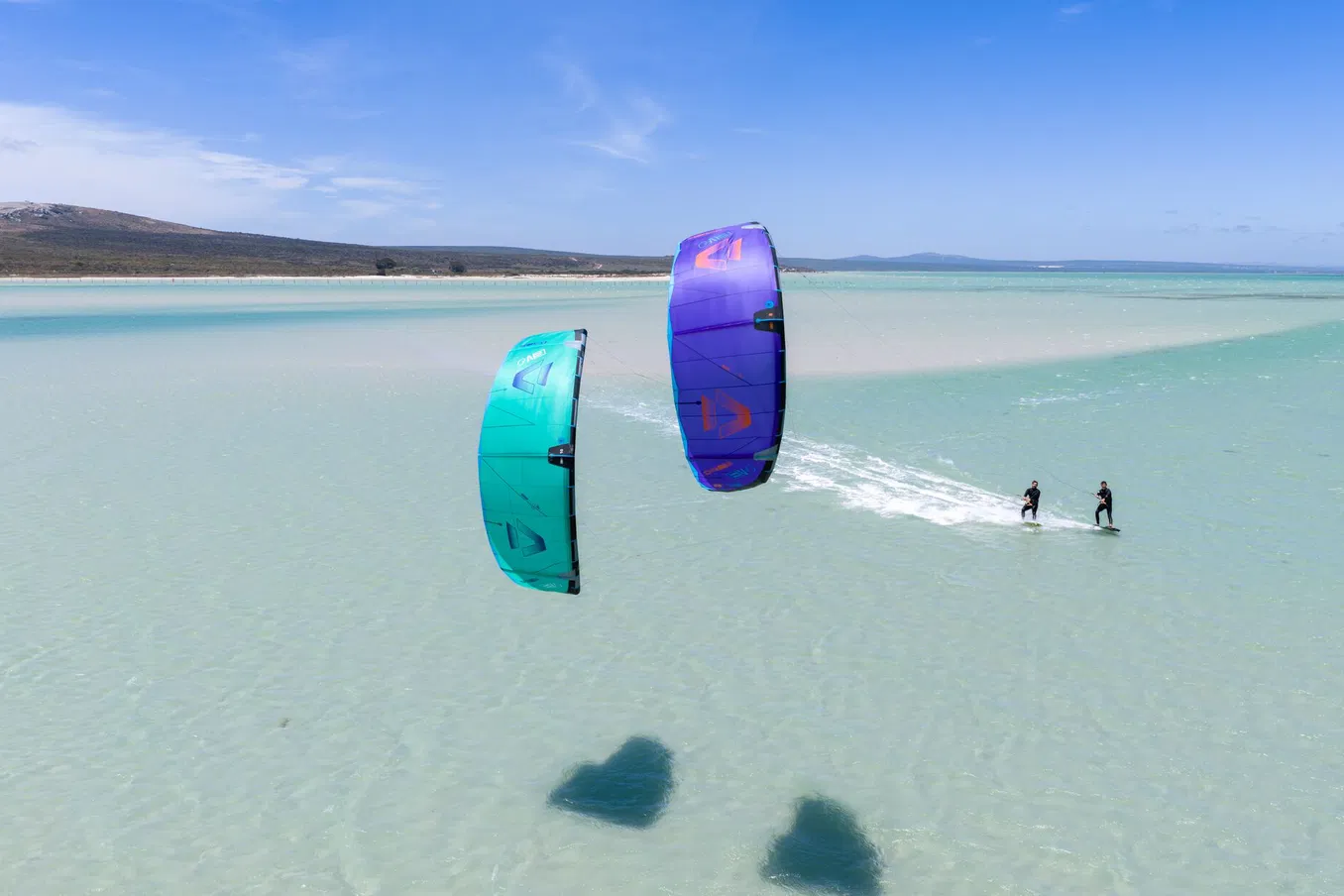
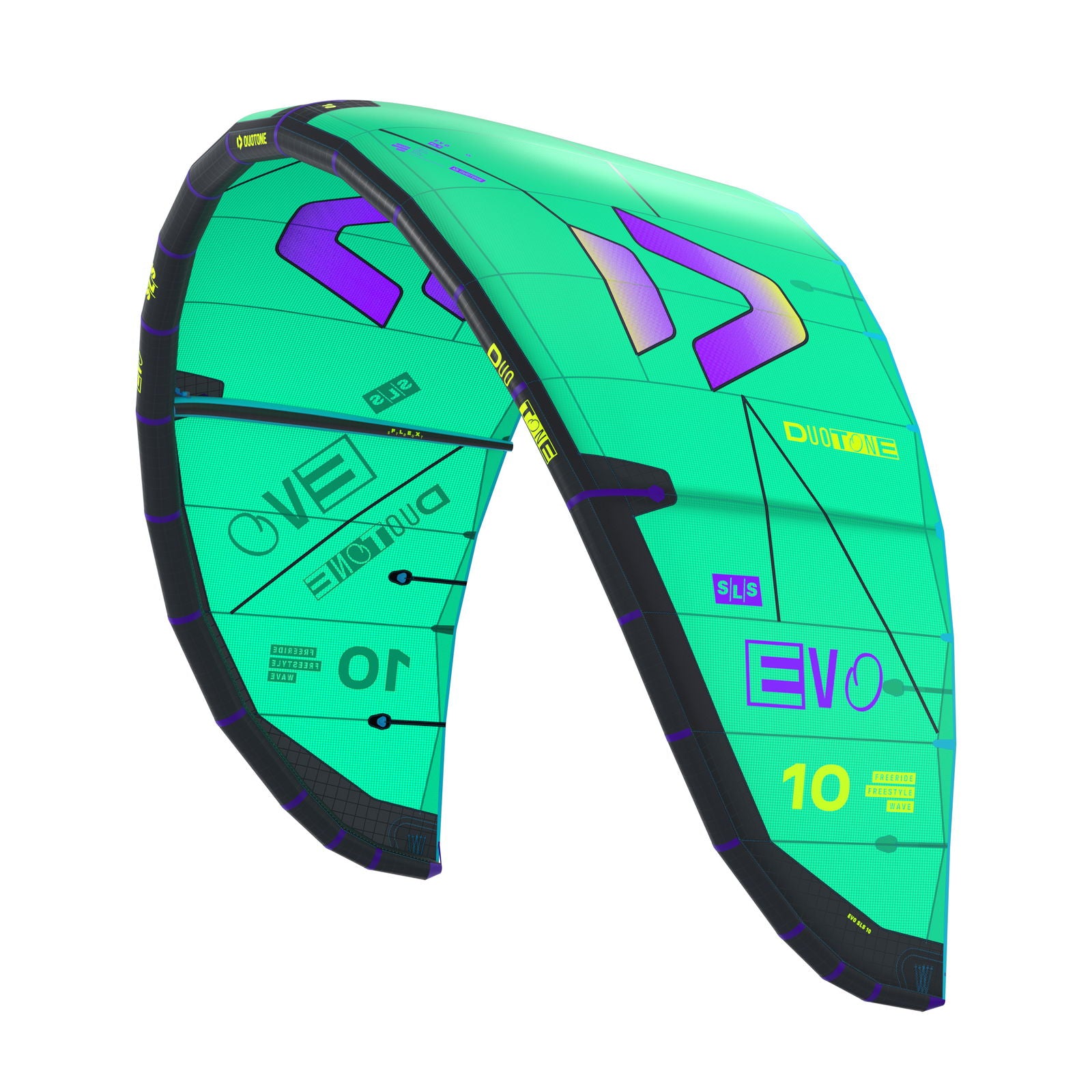
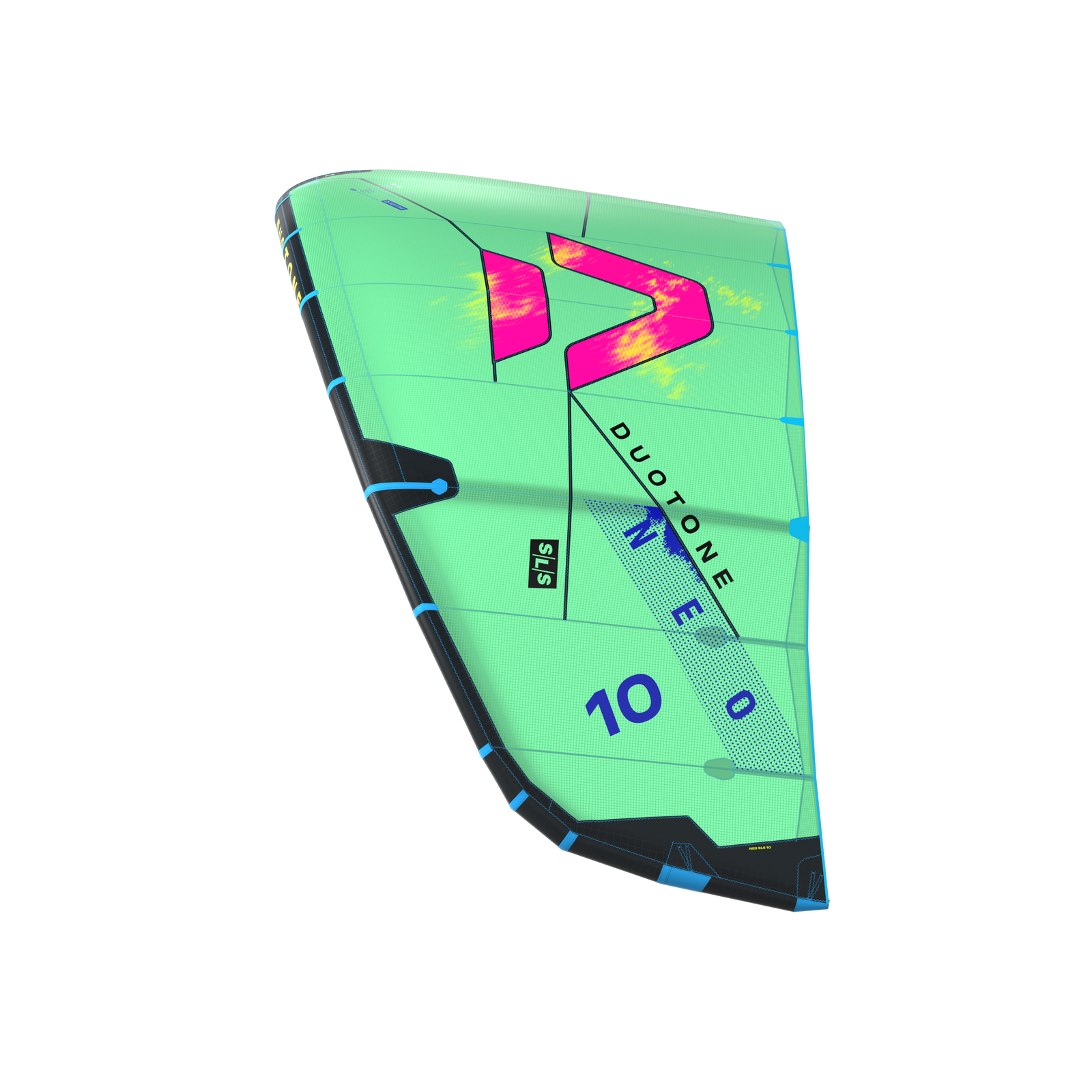
The Duotone Neo SLS 2026 and Duotone Evo SLS 2026 are the lightest foil kites available now. Both use carbon-reinforced battens and minimalist bridle geometry to cut mass without losing rigidity. Pick the Neo for pure lightness and price; pick the Evo if you want slightly more range and projection. Light kites accelerate faster and respond quicker to bar input — crucial if you're learning tricks or racing.
01 — Physics and feelWhy Weight Actually Matters in Foil Kites
Foils have no air pressure holding their shape. That means every single gram of frame mass translates directly into handling sluggishness. A heavier kite lags behind your bar input. A lighter one snaps to your command instantly.
We've watched riders at Tarifa pick up a light kite and immediately land tricks they'd been chasing for weeks. The difference isn't in the bridle tuning or the canopy — it's pure responsiveness. Weight kills pop. Lightness gives it back.
For foiling, especially during tricks or light-wind sessions, that responsiveness is everything. You're already fighting reduced apparent wind; you don't want your kite fighting back too.
02 — Construction and designThe SLS Advantage: Why Duotone's Neo and Evo Lead in 2026
Duotone's SLS (Super Light System) puts carbon where it counts: battens and bridle attachment points. This isn't just about raw weight — it's about where the weight sits. A light batten at the tip matters more than a light canopy corner.
The Neo SLS keeps it minimal. Straight bridle, no extra stabilizers, laser-focused on lightness. The Evo SLS adds more range and projection without bloating the weight budget — it's the bridge between feather-light and all-arounder.
We've shipped both since launch and riders consistently tell us the Neo feels snappier in tricks, the Evo better for sessions where wind swings between 10 and 20 knots. Pick based on your conditions, not just the scale.
03 — Our picksOur 4 In-Stock Picks
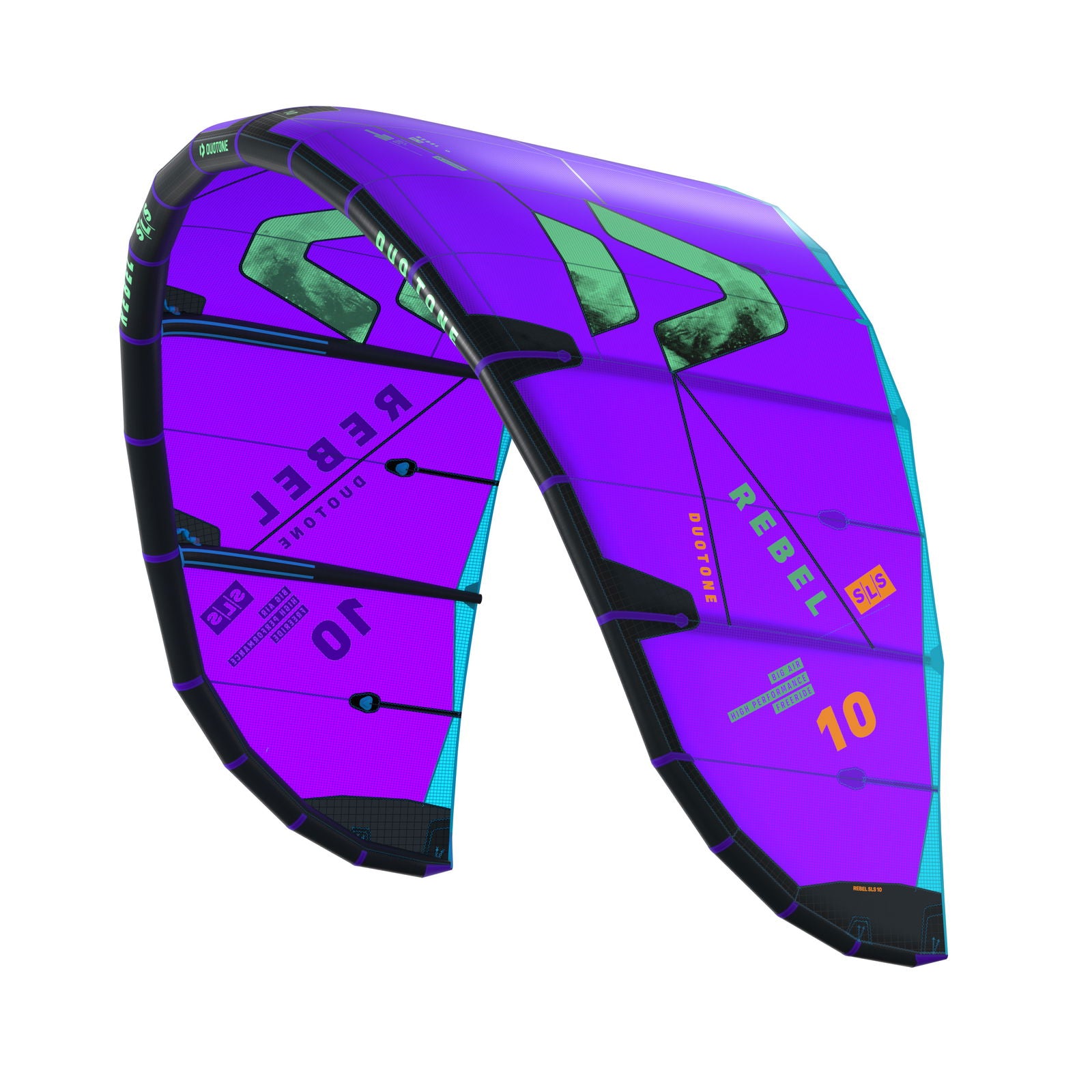
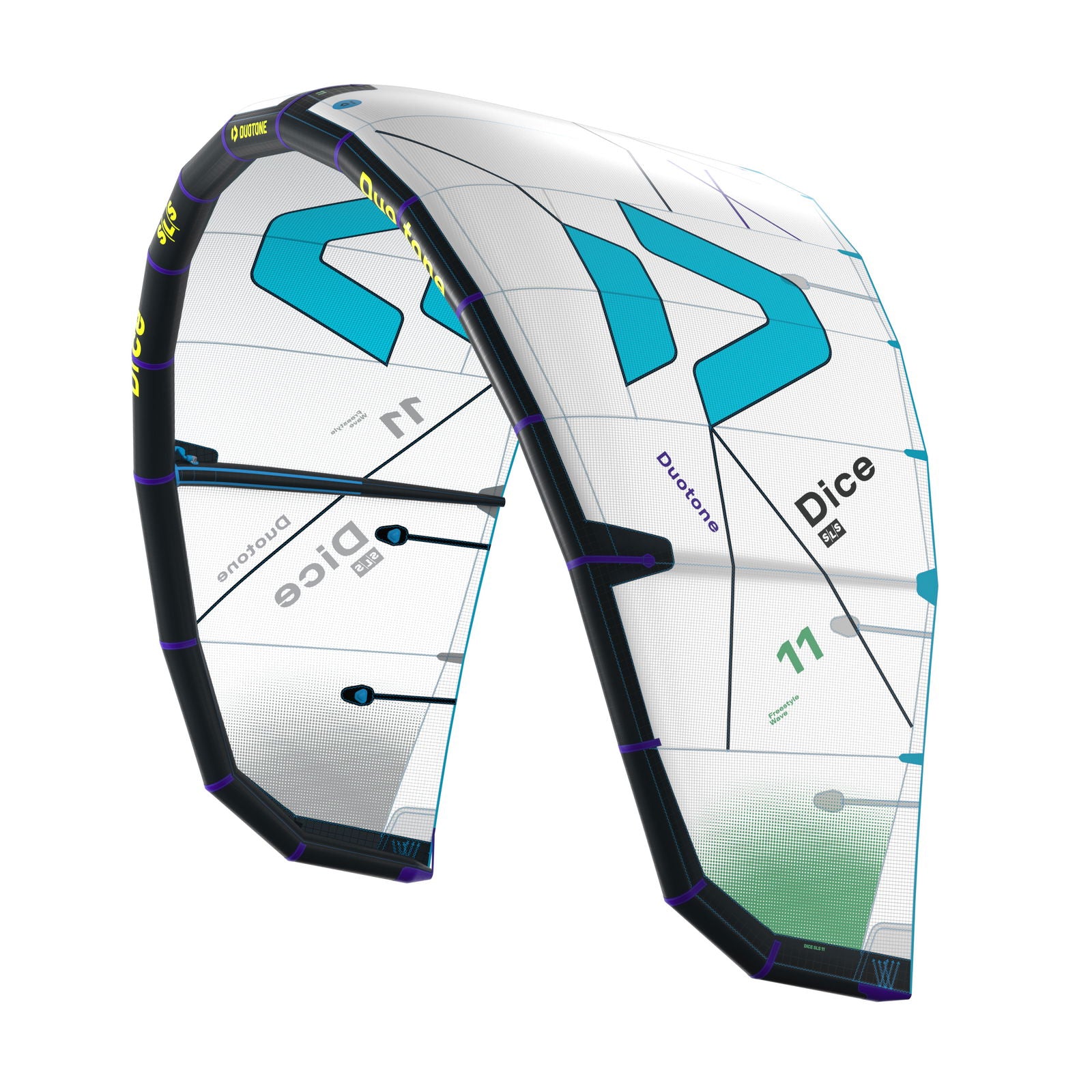
All four sit in Duotone's SLS range — from the entry-level Neo to the trick-ready Rebel. Each one trades weight reduction differently so you can match your riding style and wind window.
Prices and 2026 specs are pulled live from each product page. Confirm on the product page before checkout.
04 — MistakesThree mistakes we see every week
Ready to go light?
Check our full Duotone kite range — we stock the complete SLS lineup in 7, 9, 12, and 14 m² sizes.
Frequently asked
Foils are typically 200–400 g lighter because they skip the air bladders and pump system. That weight difference feels huge when you're trying to land a Shaka or survive in marginal wind.
Yes, but you'll feel more feedback and load. Light kites are sweet in 12–20 knots. Beyond 25 knots, extra frame mass actually helps dampen bar chatter.
Not necessarily. Cruising is more forgiving. Light kites shine when you're learning tricks, foiling, or racing — situations where every millisecond of response counts.
Beginners should start with a 9–12 m² in a stable model and add lightness later once your technique is solid. The Duotone Neo SLS is beginner-friendly, but the Evo or Rebel give you more forgiveness if you're still dialling in your bar control.