Best Kite for Big Air & Jumping 2026 — Expert Picks
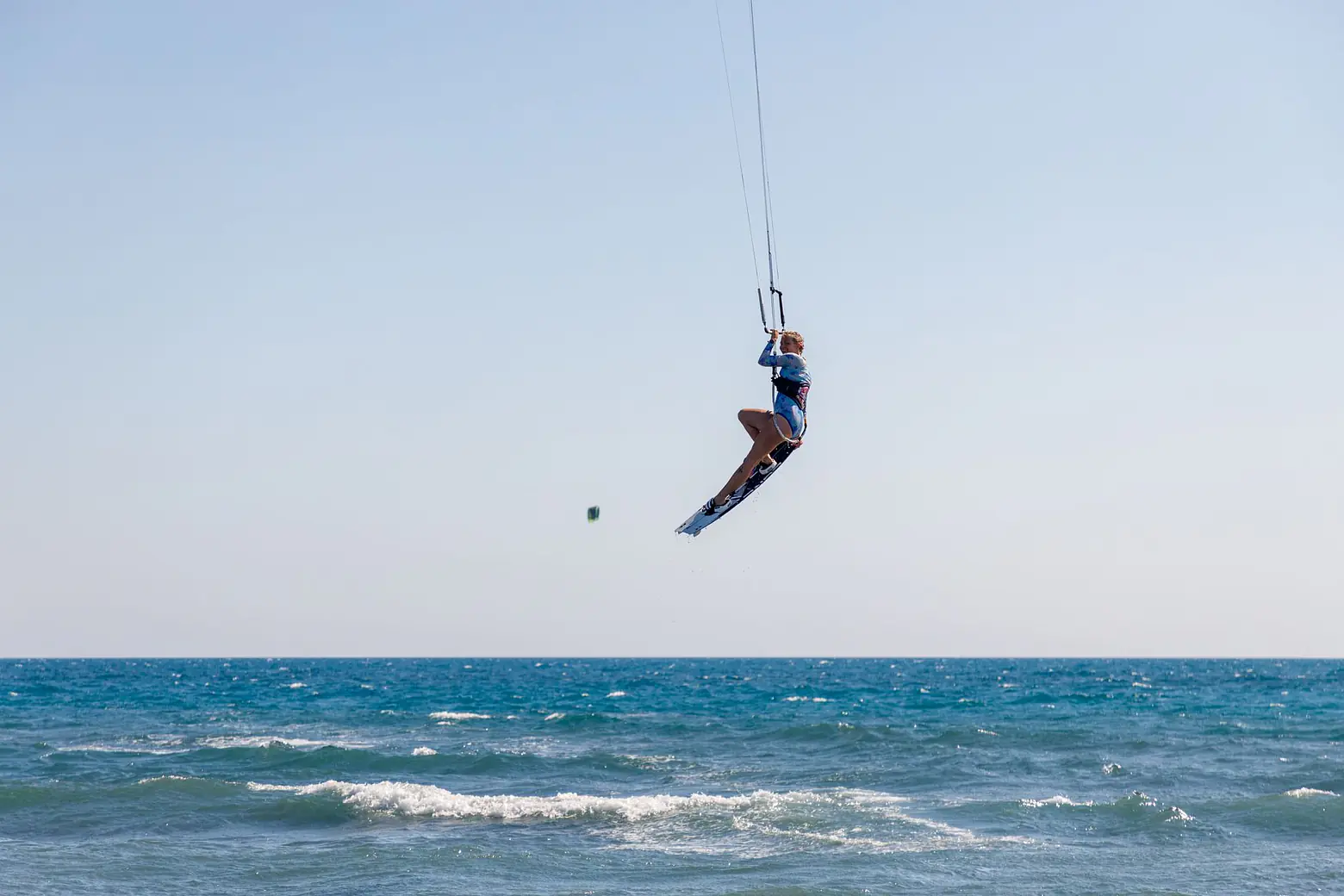
Big air isn't about the biggest kite in your quiver—it's about response. You need a kite that loads hard on the dive, softens mid-flight, and re-engages instantly at landing.
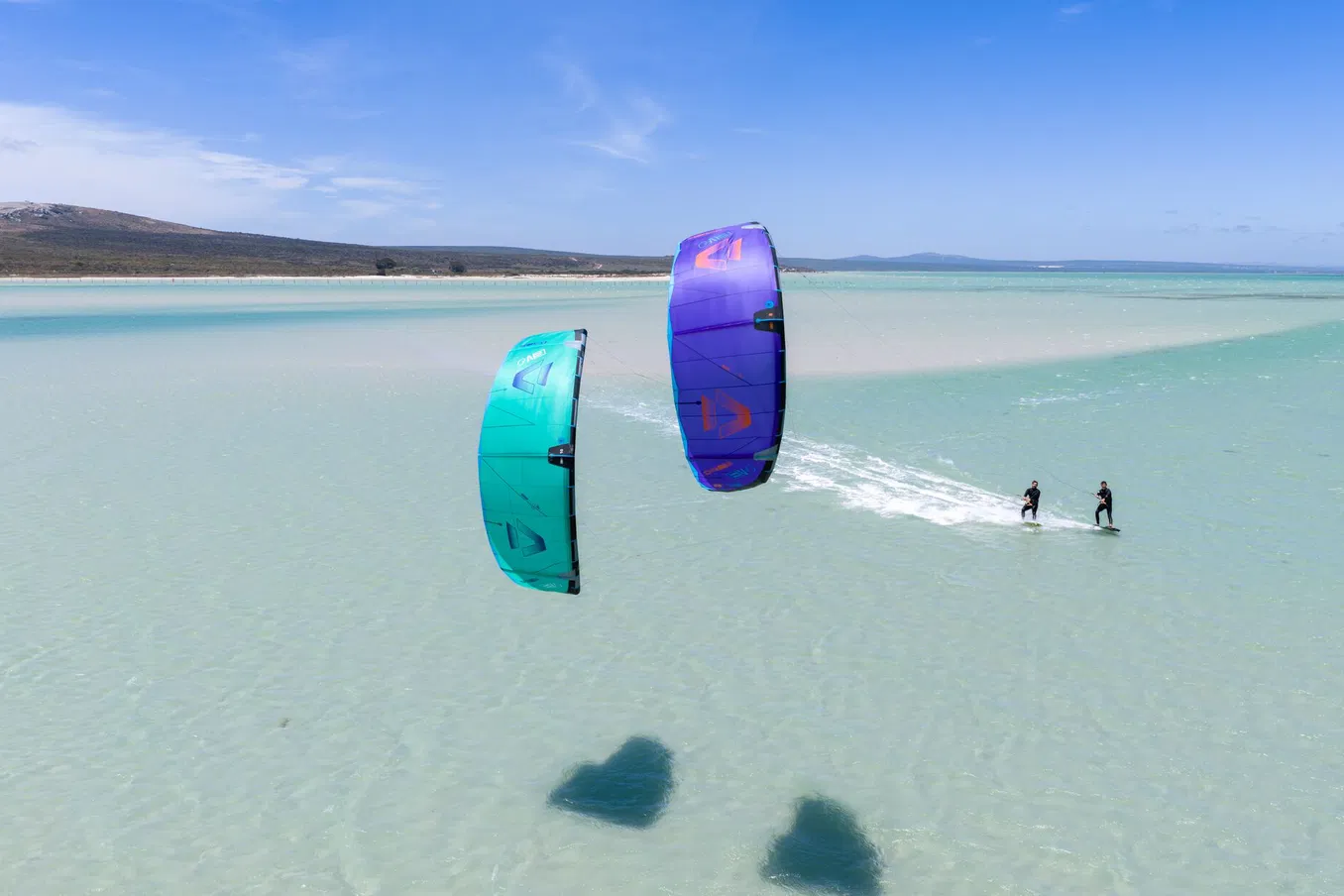
Hunt for a freestyle or freestyle-wave hybrid kite in the 11–15 m² range with responsive bar feel and rapid edge-to-edge transitions. The Duotone Rebel SLS and Duotone Dice SLS lead the pack for dialled boost and style control.
01 — Core mechanicsThe Three Things That Make a Jump Kite Work
Beginners think bigger kite = bigger air. Wrong. You need lift on the dive, smooth depower mid-flight, and snappy re-engagement at landing. A kite that generates explosive forward drive on the load, then softens as you sheet out, lets you ride up cleanly without spinning out.
Most riders we talk to at contests—Tarifa, Cape Town, Brazil—tell us the difference between a jump kite and a freeride kite comes down to bar pressure sensitivity. You want to feel every gram of load building as you edge into the window, then nothing but control as you pop. That's the Rebel SLS in a nutshell.
02 — Sizing for boostSize Matters—But Not the Way You Think
A 17 m² kite won't give you bigger air—it'll bury you. Jump riders typically work with 11–15 m² depending on wind and body weight. We've shipped thousands of Duotone kites since 2003, and the pattern's clear: riders jumping best ride 12–13 m² in their home spot's average wind.
If you're consistently underpowered at 11 m², jump to 12 m² rather than forcing technique on a drifting kite. If 13 m² has you looping in thermals, stay there and work edge control instead of chasing size.
03 — Our picksOur 4 In-Stock Picks
All four are SLS-spec Duotone models—fast, responsive, built for freestyle and big air. Pick by wind range and style preference: Rebel for raw boost, Dice for all-rounder play.
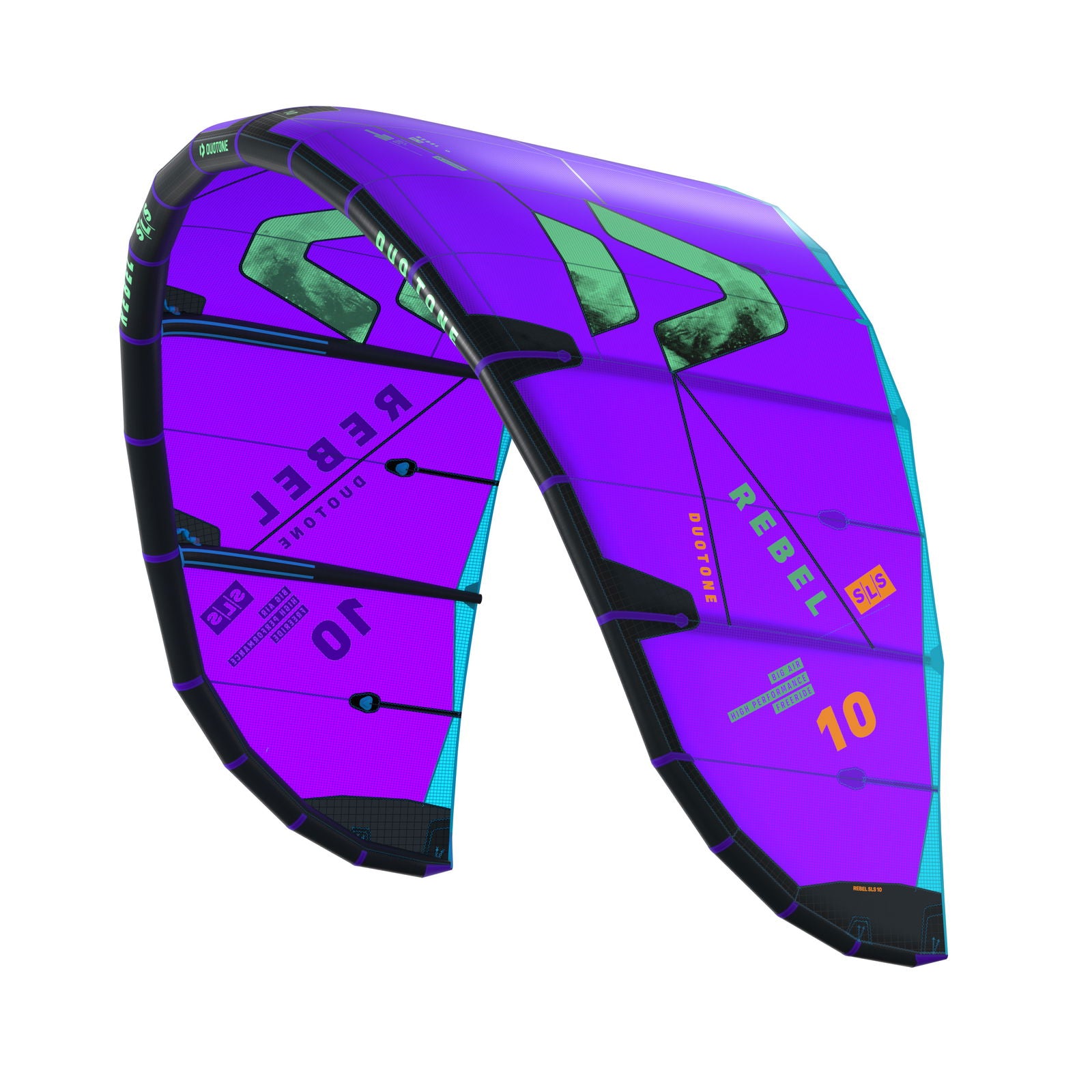
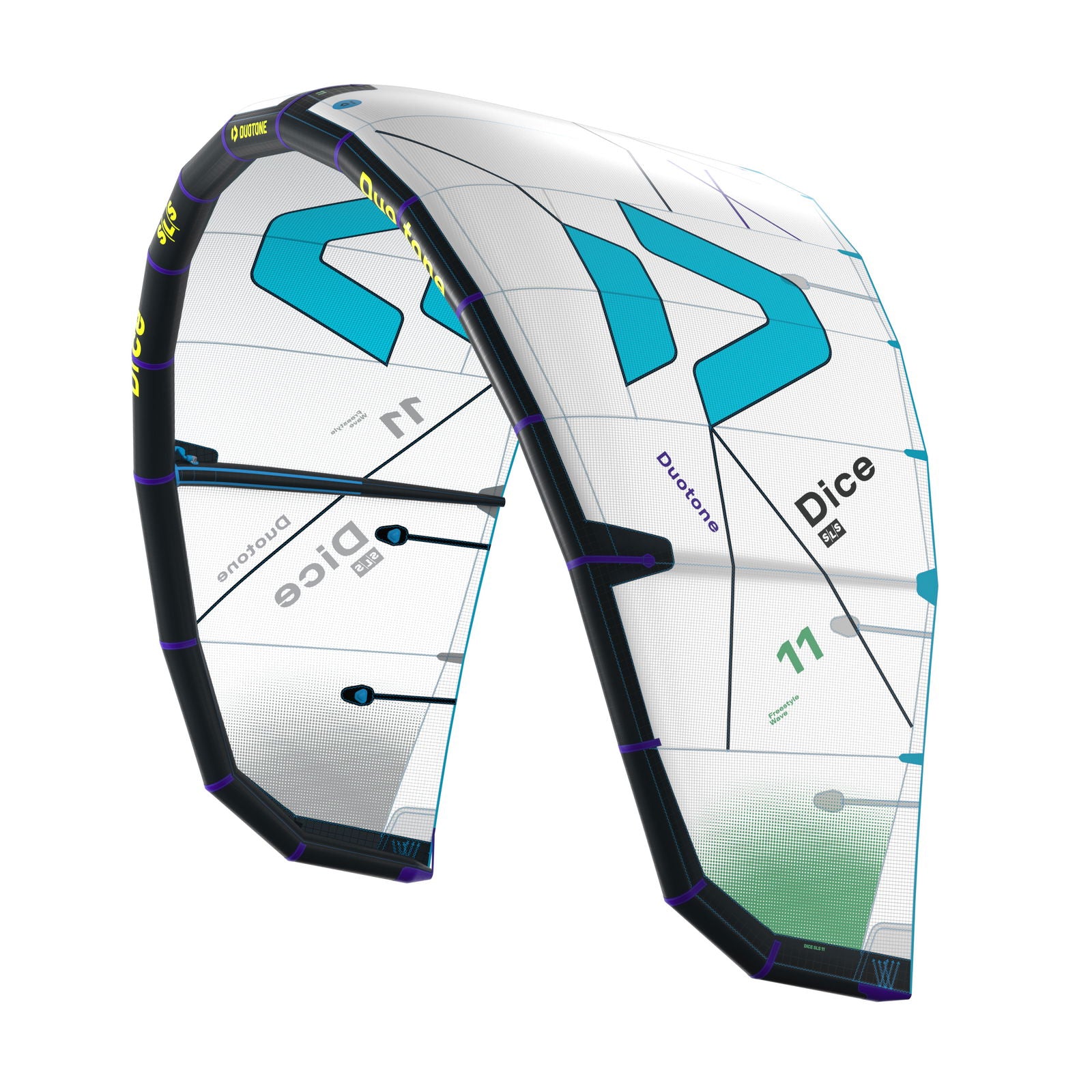
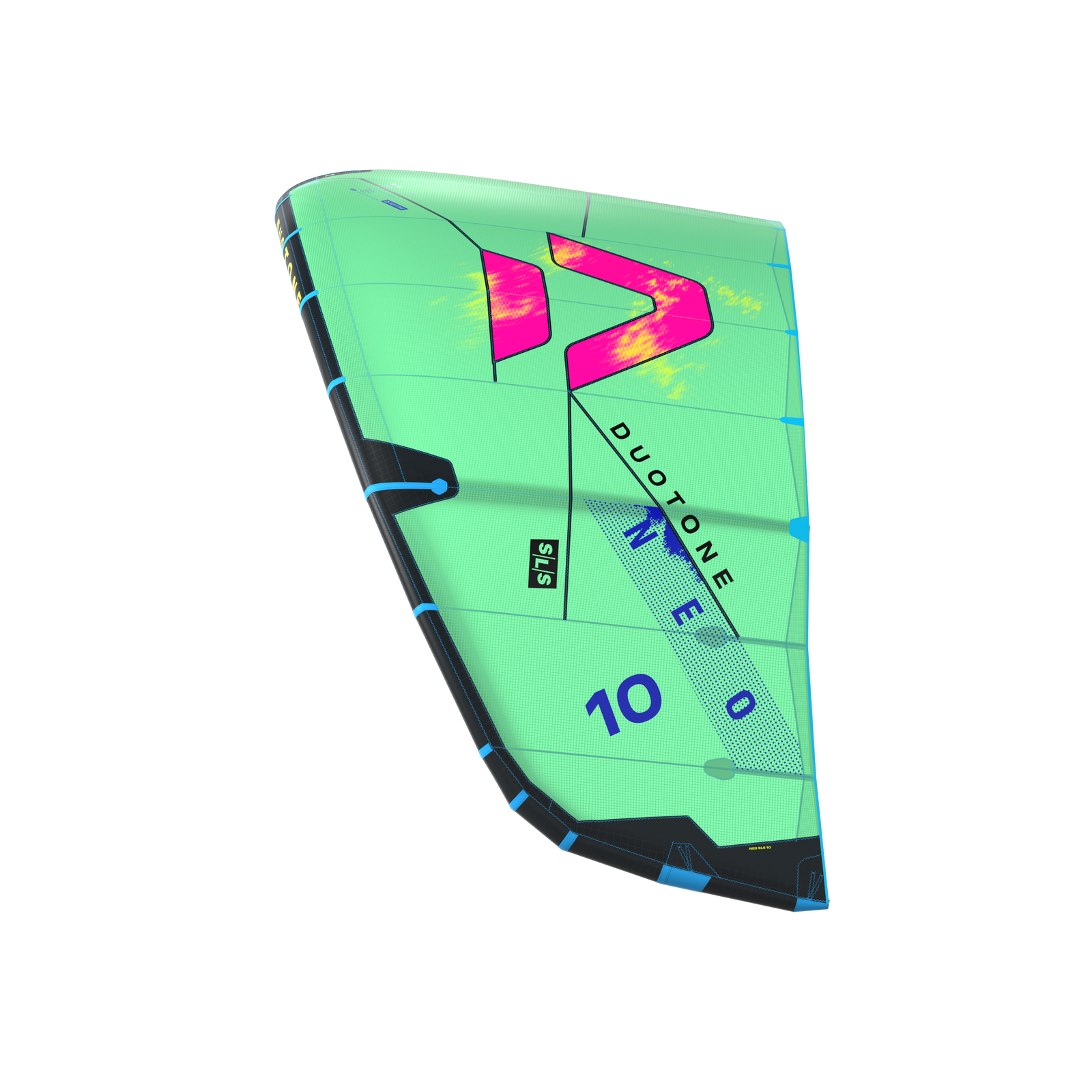
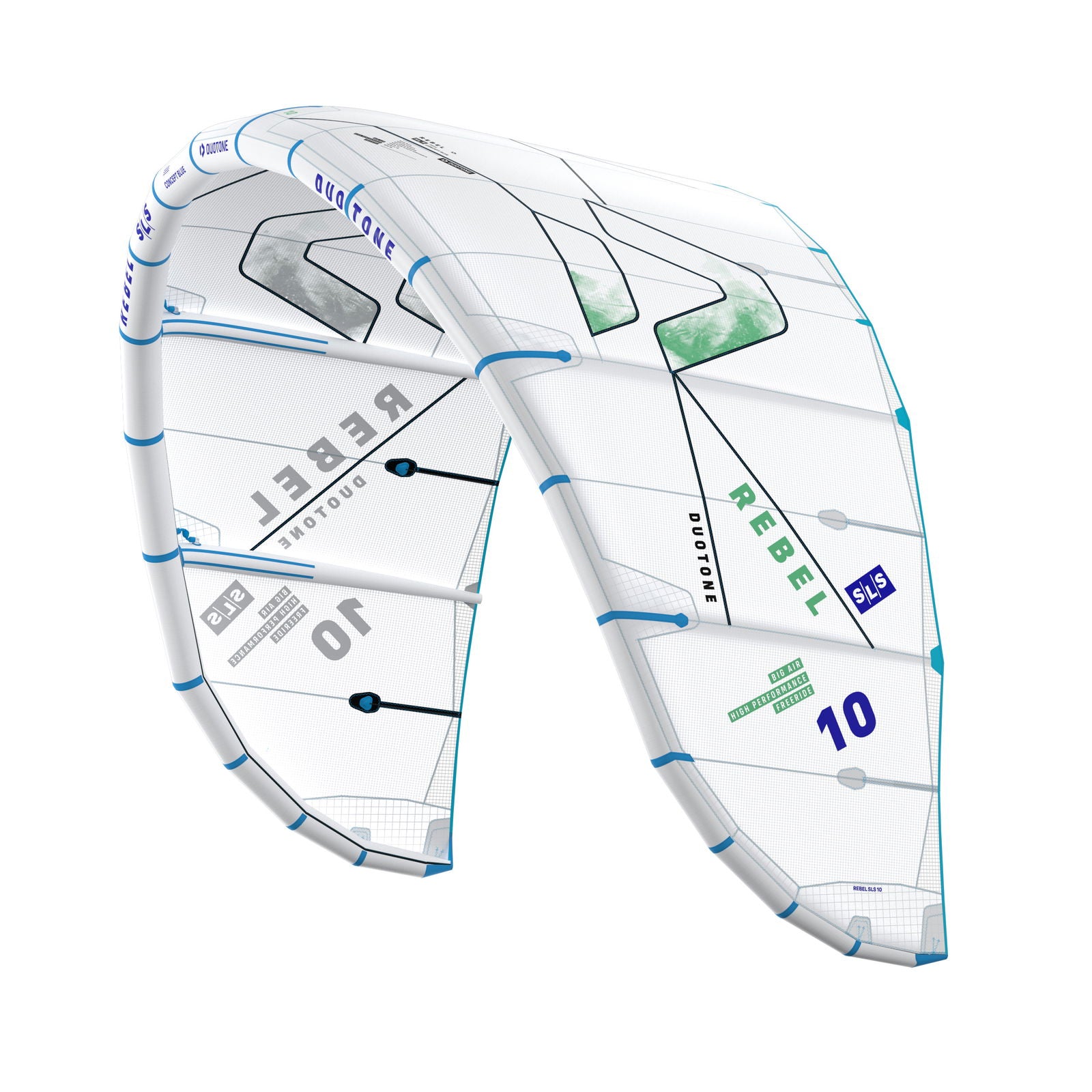
Prices and 2026 specs are pulled live from each product page. Confirm on the product page before checkout.
04 — MistakesThree mistakes we see every week
Ready to dial in your jump quiver?
Browse our full range of freestyle and freestyle-wave kites, all in stock and ready to ship across Europe.
Frequently asked
The Rebel is pure freestyle—maximum response, crisp unhooked feel, and direct bar pressure. The Dice is the all-rounder: freestyle, wave, freeride mix. Pick Rebel if you're committed to tricks; Dice if you want one kite to cover multiple styles.
Not reliably. Below 11 m², you won't generate enough load to pop consistently, even in solid wind. Start at 11–12 m² and progress from there.
Freestyle or freestyle-wave hybrid. Wave kites are built for turning and depower in uneven water, not the locked-in pop you need for air. Freestyle kites have the snap you're after.
You'll feel overpowered on the bar from the moment you edge—constant tension, hard to desheet smoothly, and you'll loop in gusts. Scale down by 1–2 m² and dial your technique first.