What Muscles Does Kitesurfing Work? — Fitness & Training Guide
Kitesurfing lights up your entire body like few sports can. Every session hammers your core, legs, shoulders and back simultaneously—it's why riders describe it as surfing meets weightlifting on water. Here's exactly which muscles you're building, and why.
Kitesurfing engages core muscles for balance and rotation, legs and glutes for explosive power, shoulders and arms to control the kite, and back stabilisers to manage tension. The result: complete full-body conditioning that builds endurance and functional strength in ways land-based training can't match.
01 — Balance & RotationYour Core Is Everything
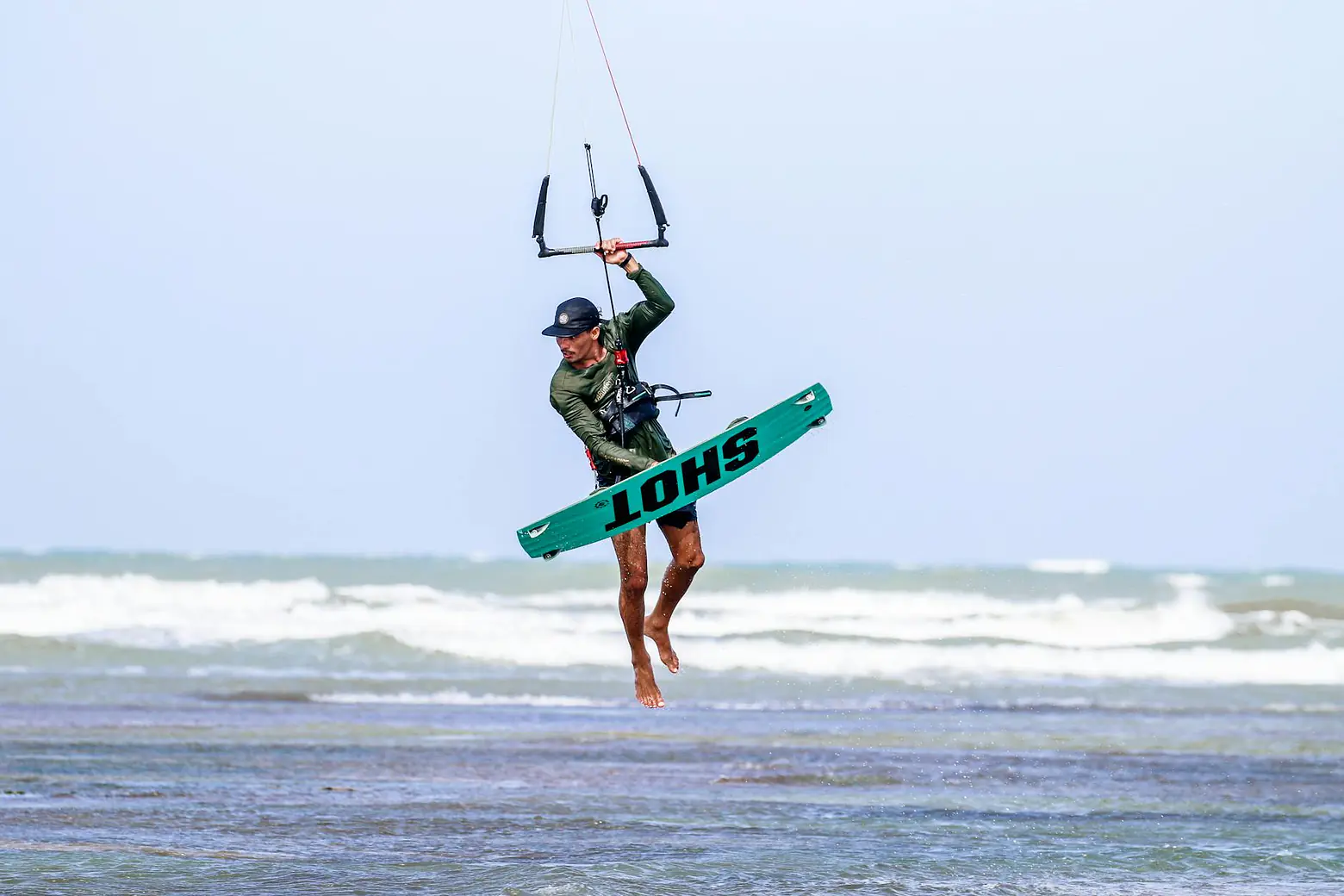
Your core isn't just your abs. It's your rectus abdominis, obliques and deep stabilisers working together to keep you anchored on the board while the kite pulls you across the water. Every carve, edge change and pop demands core engagement—there's no rest moment.
We've watched thousands of riders progress since 2003, and the ones with strong cores pick up tricks faster and ride longer without fatigue. Kitesurfing forces your stabilisers to work in 3D. You're not just fighting forward and back like in the gym—you're resisting rotation, lateral pull and vertical lift all at once. That's why your obliques burn on day two.
02 — Explosive Lower BodyLegs & Glutes Power Every Movement
Your legs and glutes are the engine. They generate the pop for tricks, absorb landing impact and drive upwind when you need to reposition. A solid pop demands quad activation, glute firing and calf stability—all happening in a fraction of a second.
Riders who neglect leg strength plateau fast. We recommend specific glute and quad work on land: single-leg deadlifts, jump squats and Bulgarian splits. Your hamstrings also stabilise the board during edge transitions. Kitesurfing builds functional leg strength because you're always adjusting board angle under load—not just lifting weight in a straight line.
03 — Our picksShoulders, Arms & Back Under Tension
Your shoulders, lats and upper back manage kite tension and control bar pressure. Bigger kites and windier conditions mean harder work for these muscles. Riders on the Duotone Evo SLS or Rebel SLS regularly tell us they notice shoulder endurance gains after a few weeks of regular sessions.
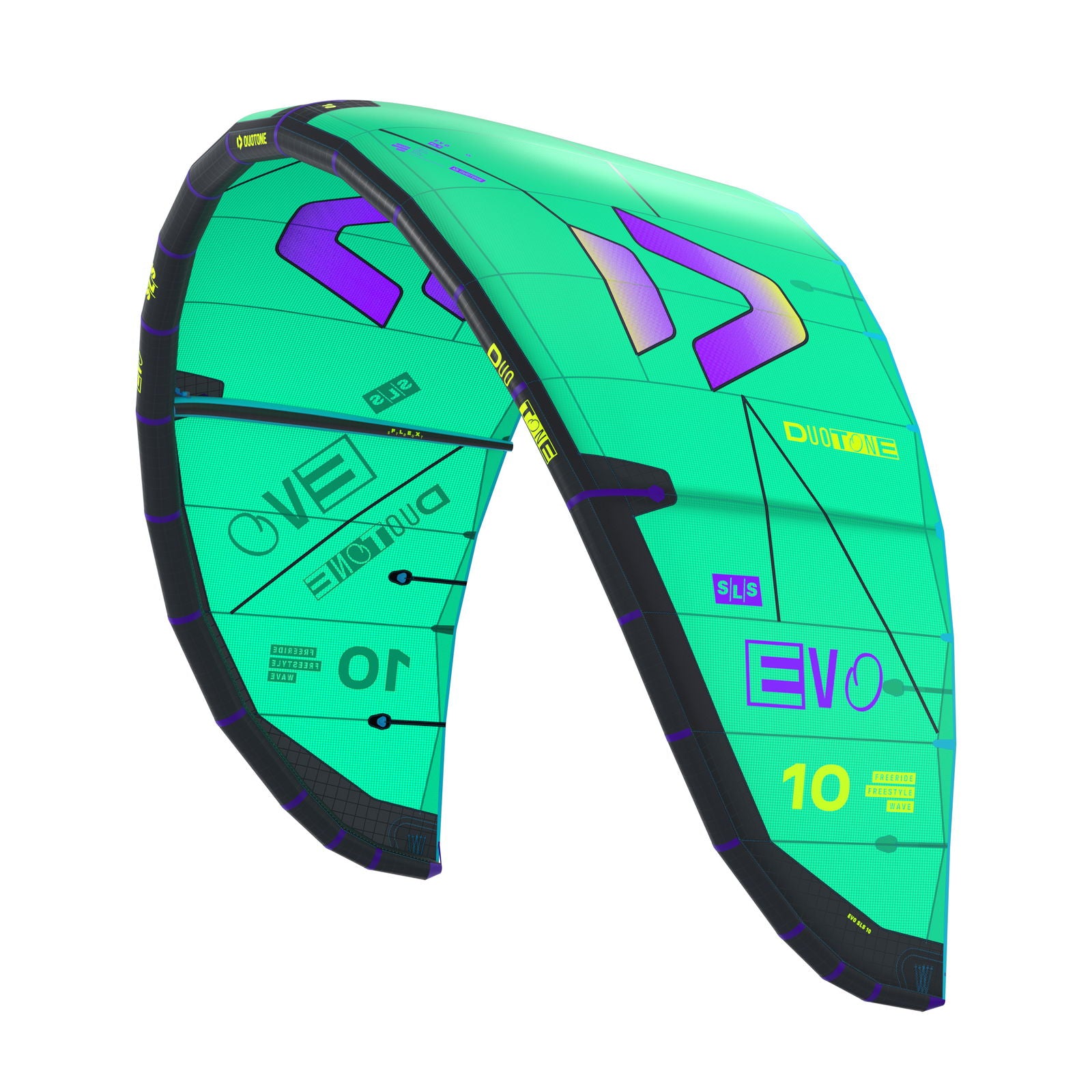
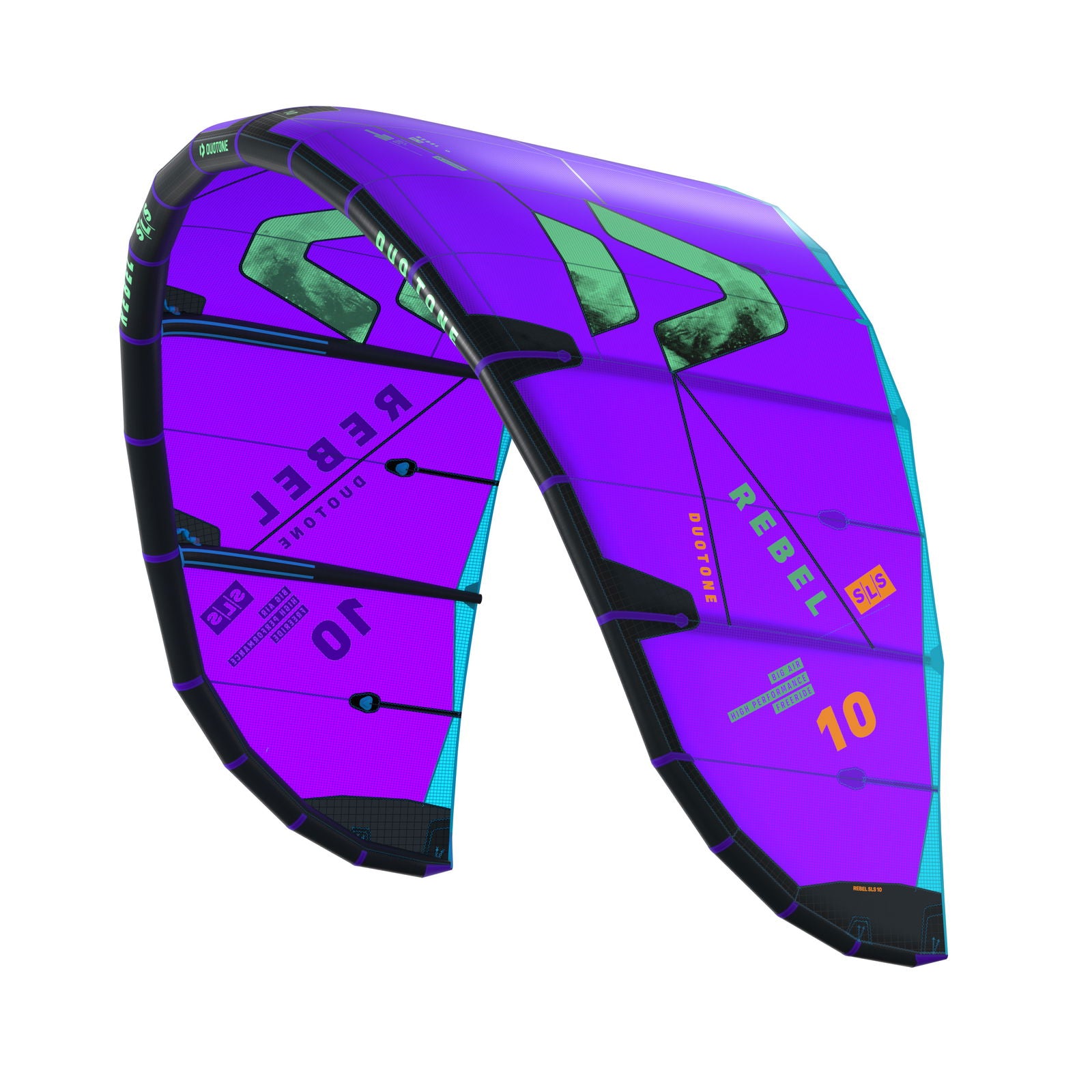
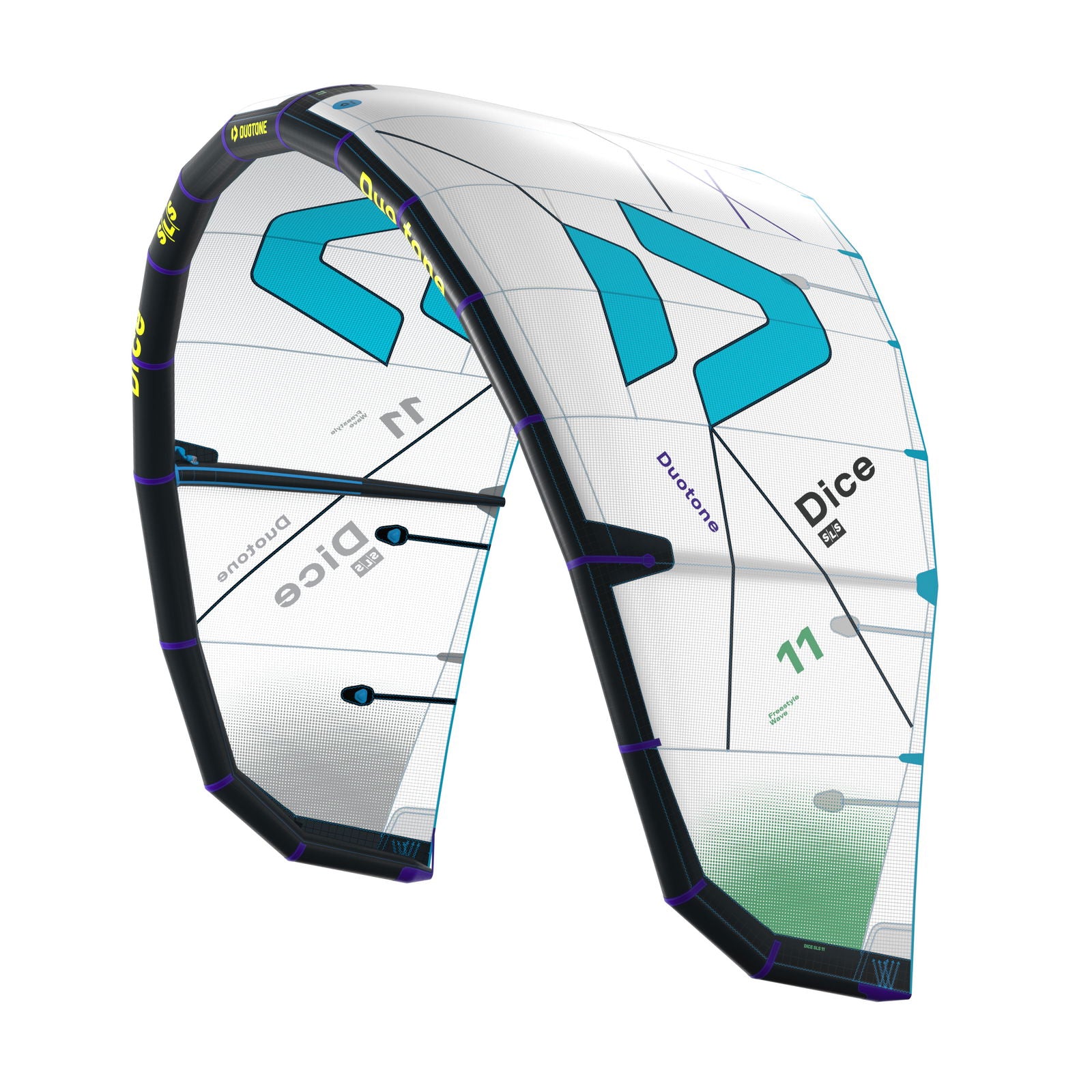
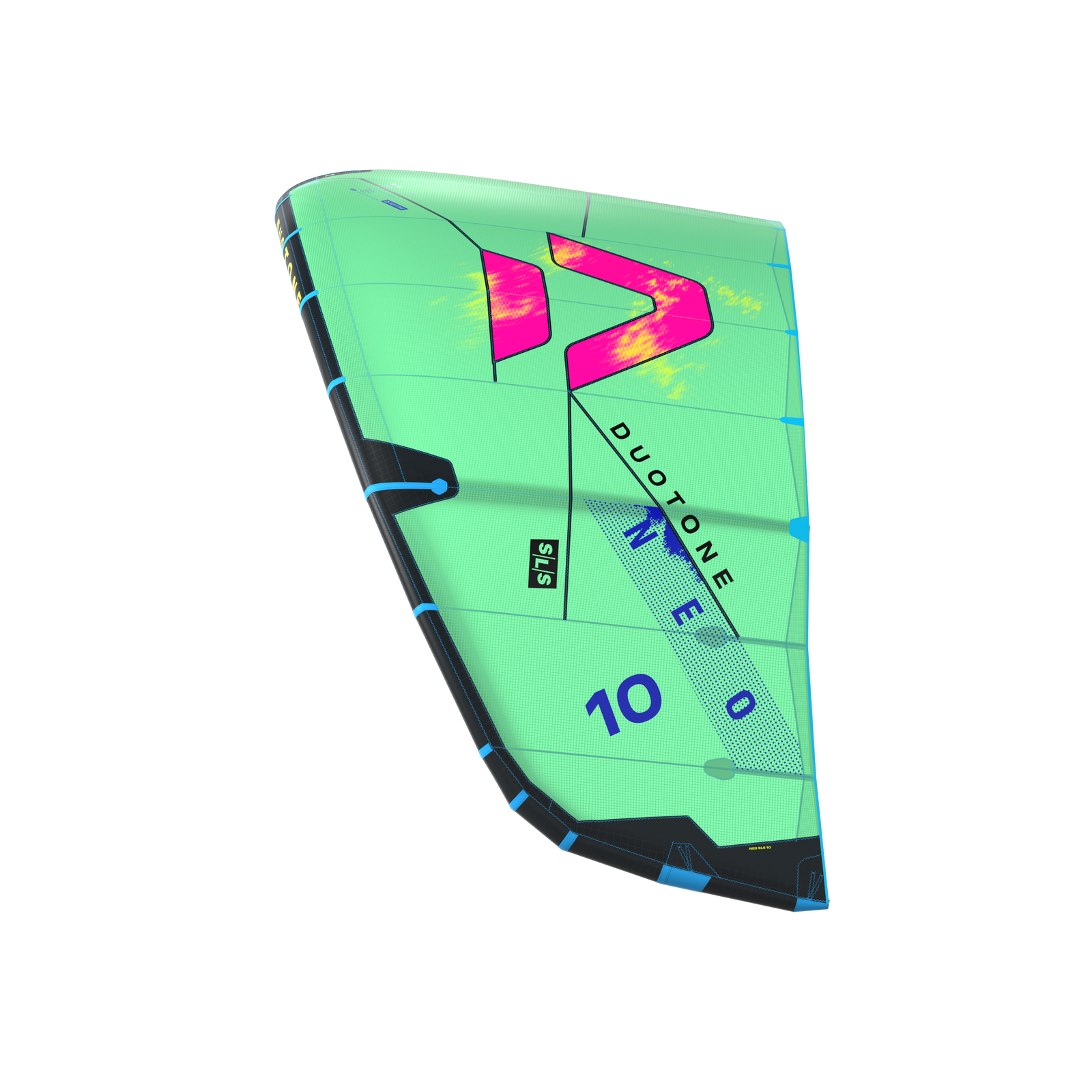
Prices and 2026 specs are pulled live from each product page. Confirm on the product page before checkout.
04 — MistakesThree mistakes we see every week
Ready to build your quiver?
Browse our range of Duotone, Cabrinha and Gaastra kites to match your size and wind conditions.
Frequently asked
2–3 times per week. Focus on compound moves: deadlifts, squats, rows and planks. This fills gaps water training misses and cuts injury risk.
A 9 or 12 m² in 12–20 knots. Avoid light-wind oversized kites—they teach poor habits and fatigue stabiliser muscles without building control.
Your lats, rear delts and rotator cuff aren't conditioned yet. Start with shorter sessions (30–45 mins) and add shoulder prehab exercises like band pull-aparts before you ride.
No. Kitesurfing builds functional endurance and sport-specific strength. Land training adds stability, power and injury prevention that water work alone can't deliver.