Kitesurfing Varberg Sweden — North Sea Spot Guide 2026
Varberg's a quiet Swedish gem on the North Sea coast with reliable winds March to October and sheltered bays perfect for progression. We'll walk you through the zones, wind patterns, and exactly which kite size to pack for consistent riding.
Varberg delivers 12–18 knots average with cold water year-round, so pack a 4/3 or 5/4 wetsuit. Bring a mid-sized freestyle kite (9–12 m²)—the Duotone Evo SLS 2026 is ideal for learning, or step up to the Duotone Rebel SLS 2026 when Atlantic swell arrives. Sessions run 3–4 hours when wind holds.
01 — The SpotWhy Varberg Stands Out
Varberg isn't crowded. That's the first thing our riders who've been there tell us. You get Atlantic swells rolling straight onto Swedish reefs, a local crew that knows every bay, and three distinct zones within 20 minutes of town.
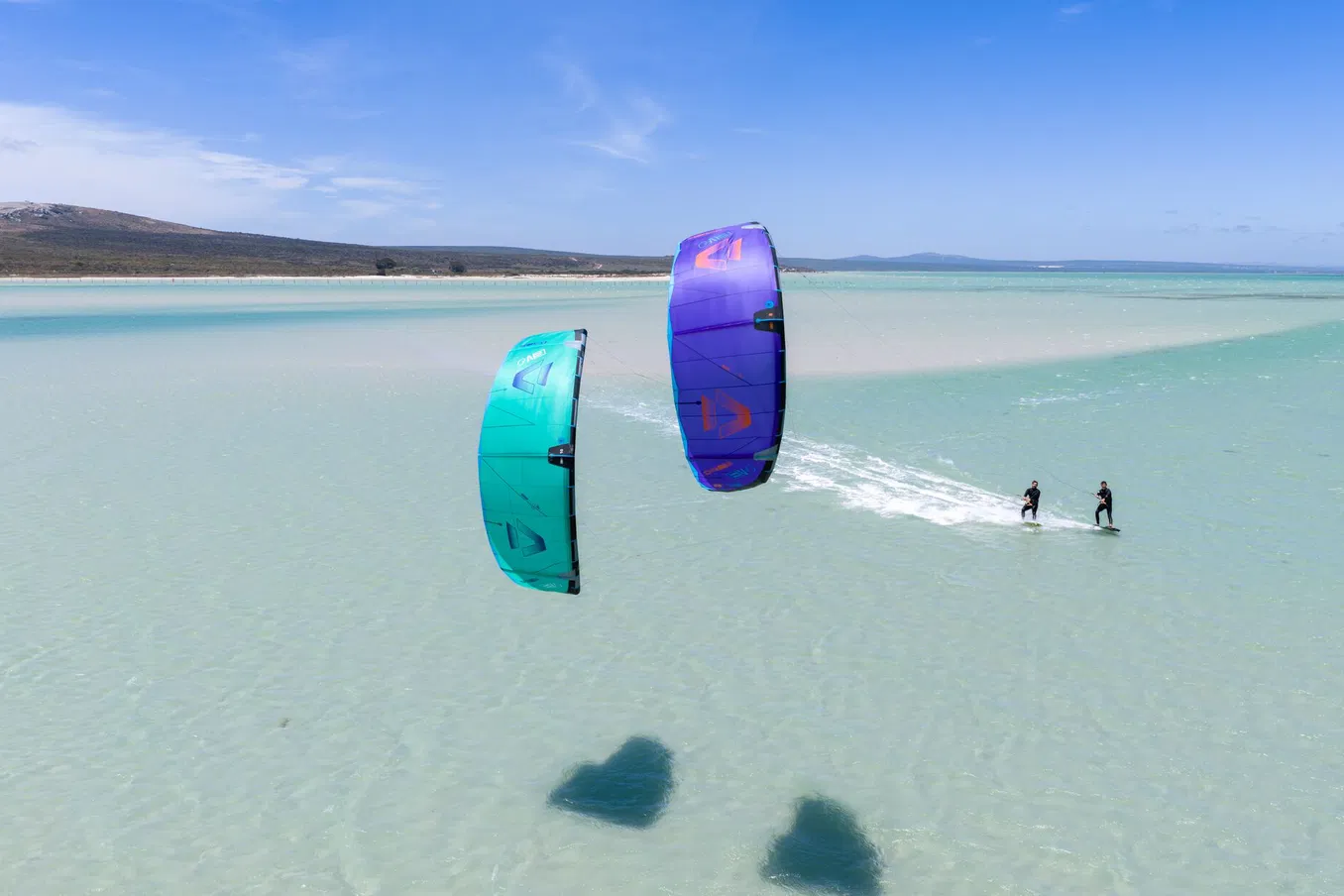
The sheltered bay near the harbour suits progression—glassy mornings, 12–15 knots, flat water perfect for learning tricks. Head north toward Apelviken and you'll find reef breaks with 4–6 foot swell March through May. Water temps hover around 8–10°C October to April, climbing to 14°C by summer. Wind blows consistent from the southwest March to June, then shifts northeast July through September. Most reliable window? April and May.
02 — Your QuiverWhich Kite Size to Pack
Varberg's 12–18 knot average means you'll want a 9 m² or 12 m² as your bread-and-butter kite. If you're under 70 kg and still learning, start with 12 m²—it'll give you forgiveness in the lighter gusts. Riders 70–85 kg typically ride 9 m² in the 15–18 knot range.
The Duotone Evo SLS 2026 is built for exactly this: freestyle-friendly, forgiving, handles the flat-water mornings and light afternoon thermals without washing you out. If you've got some hours under your belt and want to chase the Atlantic swell days, the Duotone Rebel SLS 2026 gives you better pop and drive in 16+ knots. For purists chasing every session, consider the Duotone Dice SLS 2026—it's our all-rounder.
03 — Our picksOur 4 In-Stock Picks
We've chosen four Duotone kites that cover every Varberg condition and skill level. Each one's been tested by our team and shipped to riders across Europe since 2003.
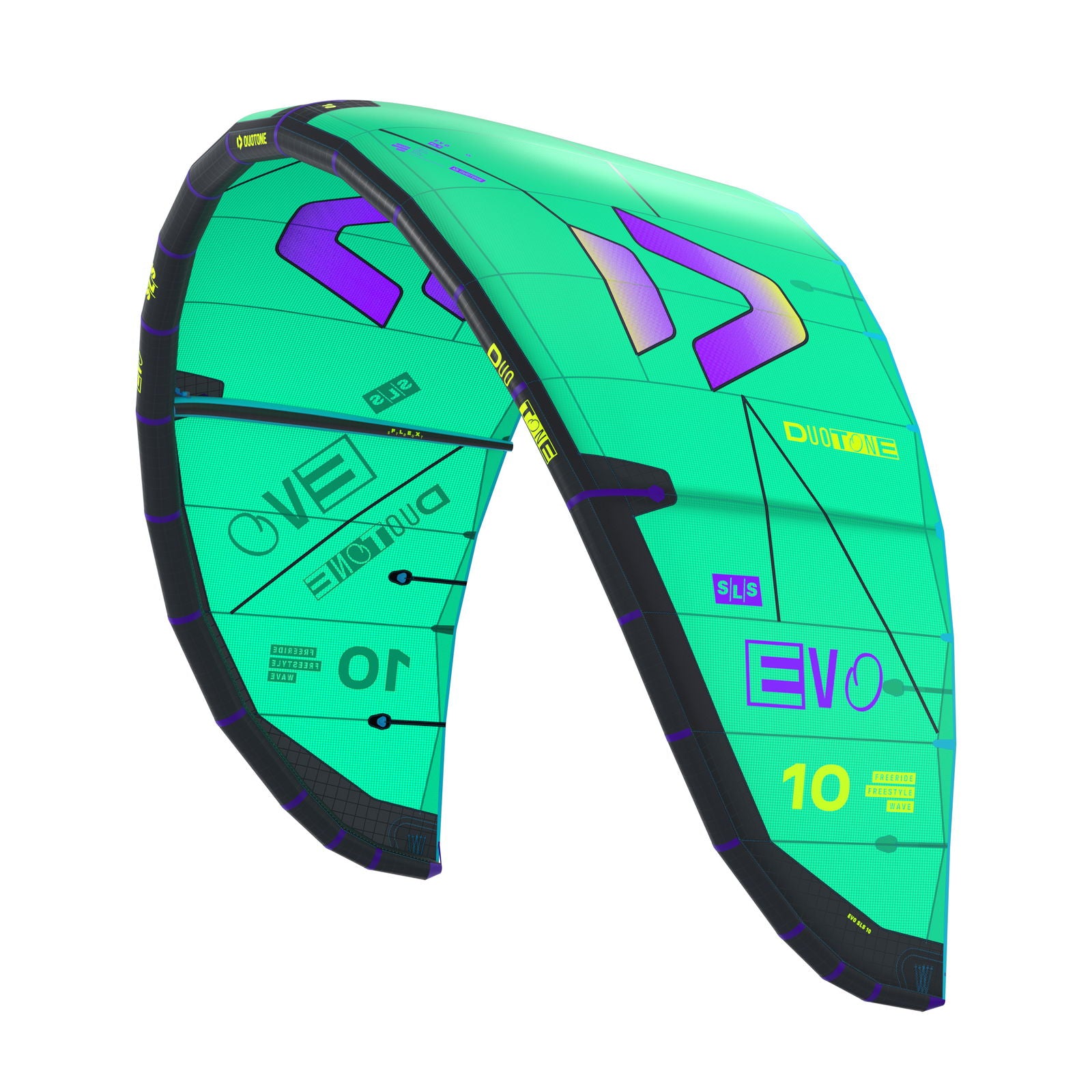
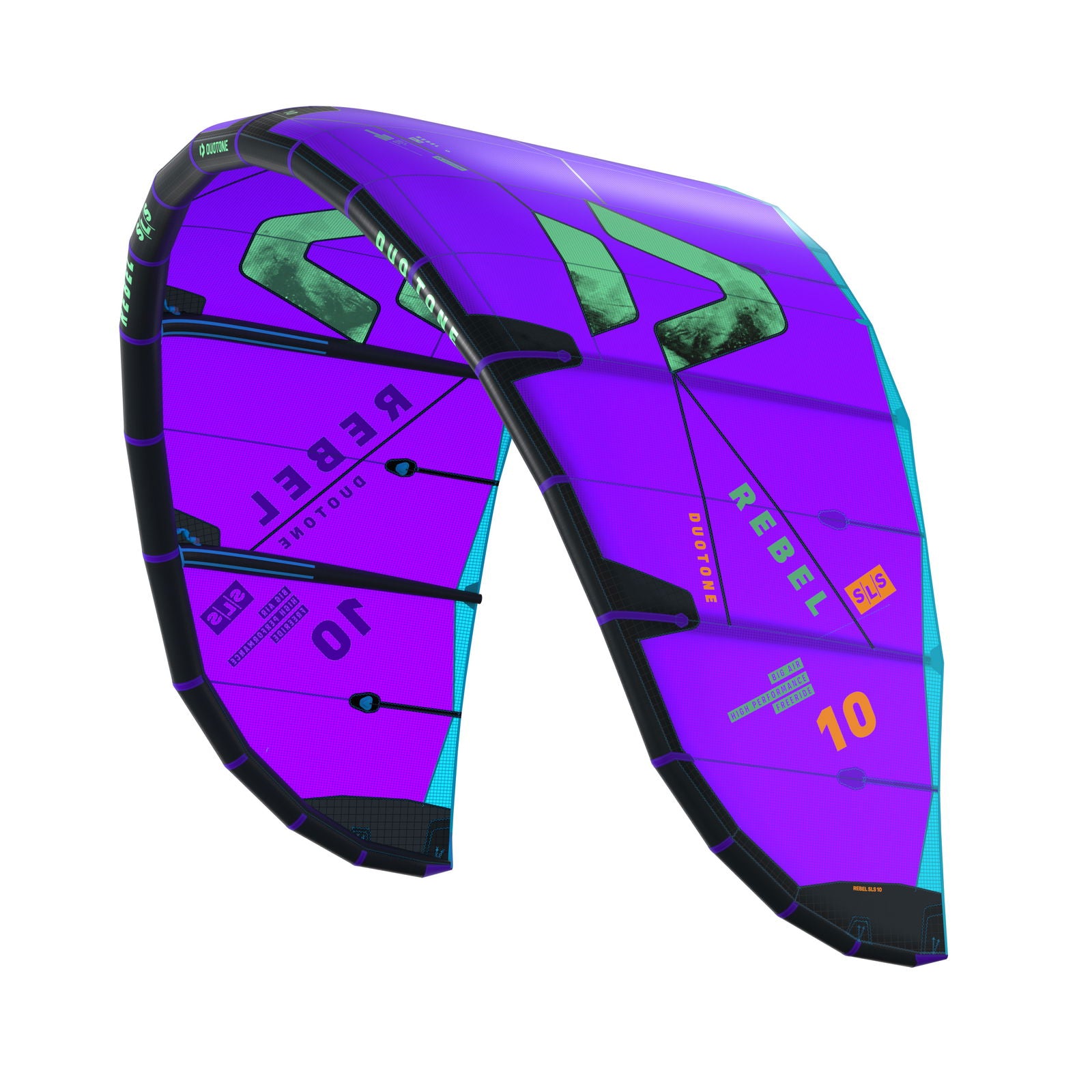
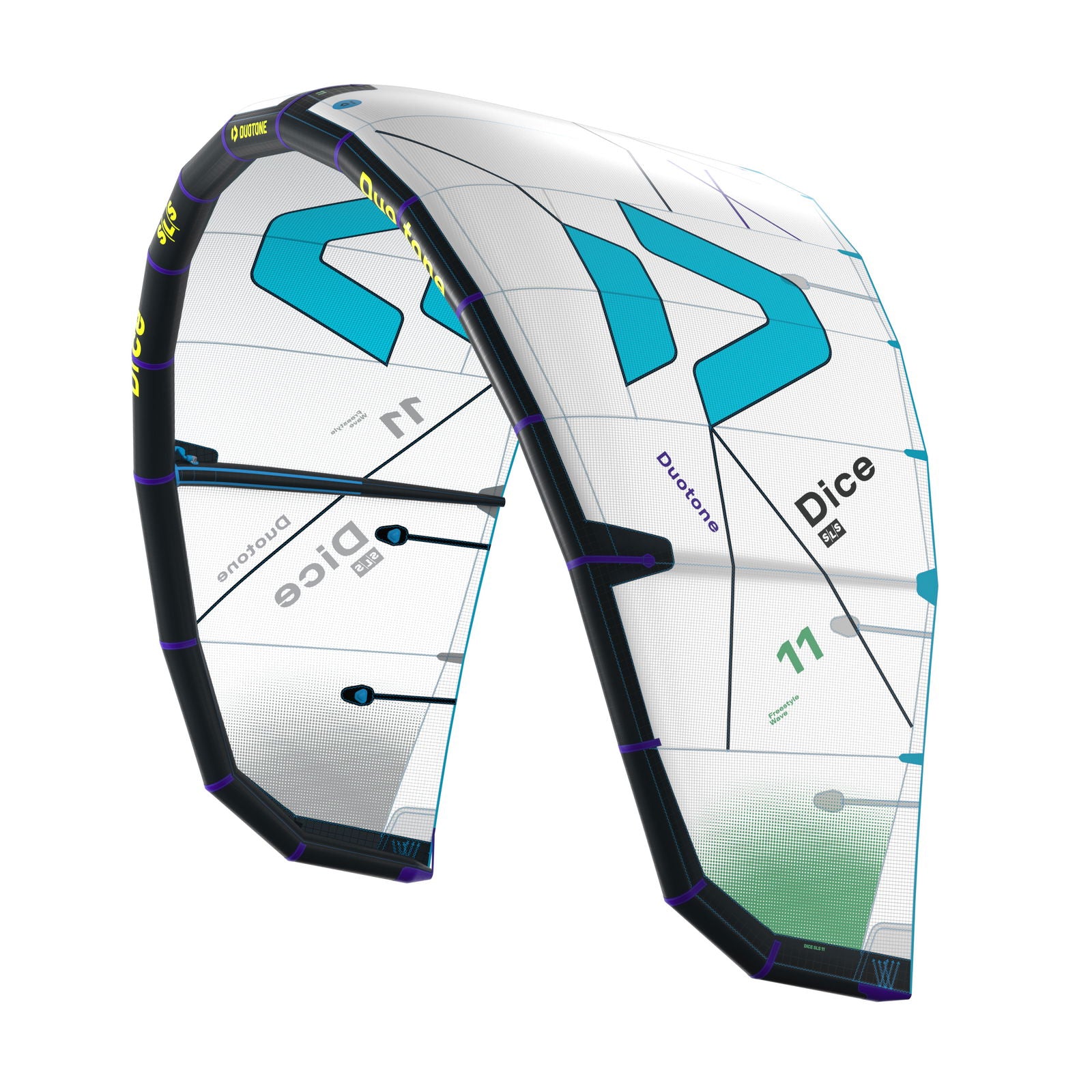
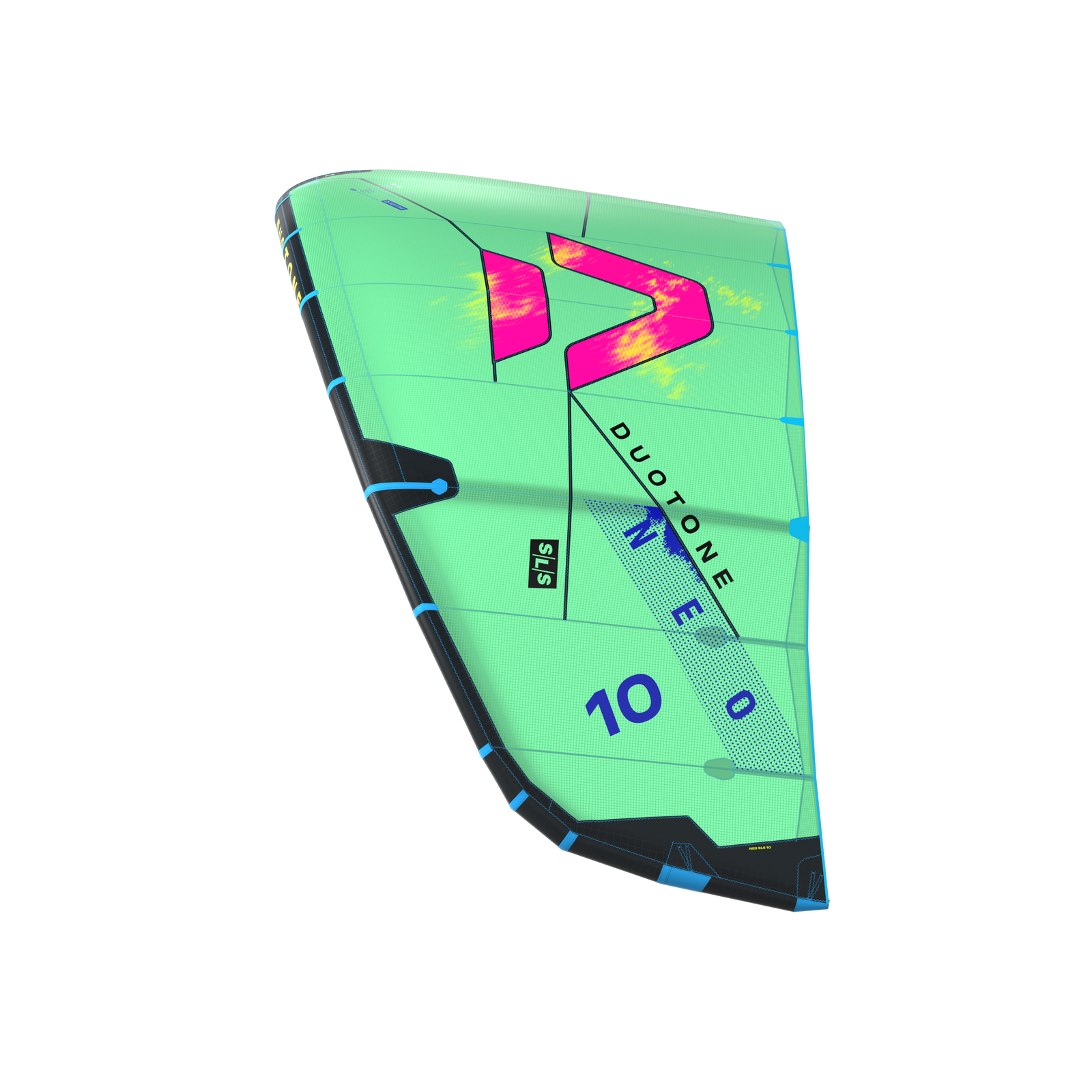
Prices and 2026 specs are pulled live from each product page. Confirm on the product page before checkout.
04 — MistakesThree mistakes we see every week
Ready to gear up for Varberg?
Browse our in-stock Duotone kites and find the right size for your level and local wind window.
Frequently asked
April through June. You get consistent 14–18 knot winds, Atlantic swell, and water temps rising to 10°C. July and August are lighter and warmer but less reliable.
If you're under 70 kg or learning tricks, start with 12 m². Heavier riders and anyone pushing freestyle should grab 9 m². Ideally, own both.
Yes. North Sea water is 8–14°C depending on season. A 4/3 mm works summer, but a 5/4 mm keeps you warm and extends your session length everywhere.
The Duotone Evo SLS 2026. It's forgiving, stable in gusty wind, and doesn't punish mistakes—perfect for progression on flat water.