How to Choose a Kitesurfing School — IKO Certification Guide
Picking a kitesurfing school isn't about finding the cheapest lesson—it's about safety, structure, and actually progressing. We'll show you what IKO certification means, what to demand from an instructor, and why the school you choose shapes your entire journey on the board.
Look for IKO-certified instructors (Level 1–3), groups of 4–6 riders max, modern gear like Duotone or Cabrinha kites, and lessons in 12–20 knot winds on flat water. IKO certs mean formal training and current safety knowledge. Avoid schools that skip briefings, overcrowd the beach, or won't discuss insurance.
01 — IKO CertificationCredentials & Safety
The International Kiteboarding Organisation (IKO) sets the global standard for kitesurfing instruction. An IKO-certified instructor has passed formal exams on wind reading, safety, progression, and rescue. We've worked with IKO schools across Europe for over 20 years—the difference between a certified coach and an uncertified mate is night and day. Level 1 teaches foundation; Level 2 teaches progression; Level 3 teaches advanced riding. Don't book with anyone who can't name their certification level or won't show proof.
Insurance matters just as much. A legitimate school carries liability cover and will ask you to sign a waiver. If they don't mention it, walk. We've seen riders injured at uninsured schools with no recourse—it's not worth the saving.
02 — Practical SetupClass Size, Gear, and Location
Groups of 4–6 riders are ideal. At 4 people, everyone gets water time and personal feedback. Beyond 6, the instructor is managing chaos, not teaching. We've heard from riders in 10-person groups who spent half the lesson standing on the beach watching. That's not progression—that's expensive boredom.
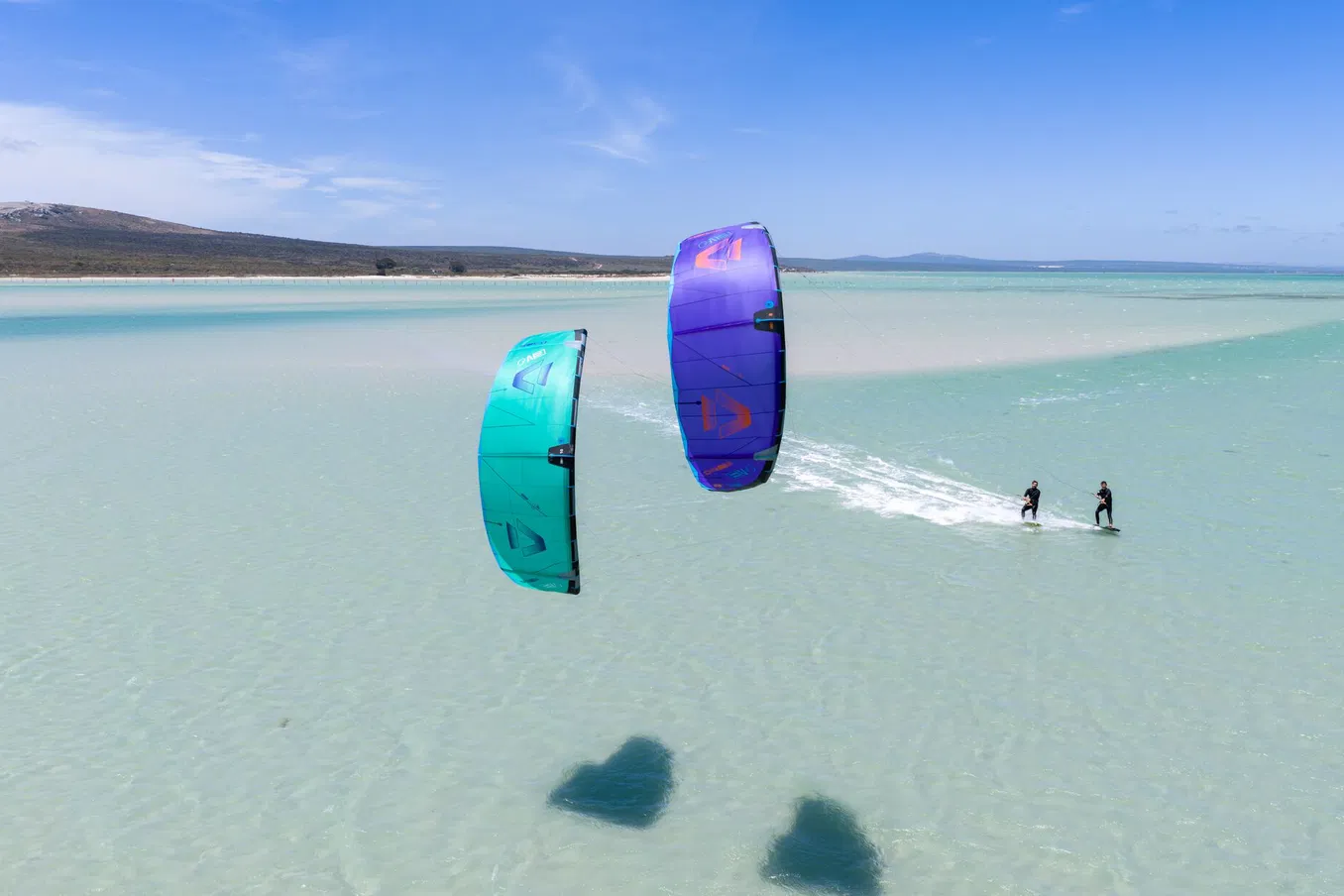
Check the kite stock. Beginner kites should be modern designs like the Duotone Evo SLS or Duotone Neo SLS—stable, forgiving, and quick to restabilise. Older bent-line kites are harder to relaunch and less safe in variable wind. Location matters too: flat water (bays, lagoons, sheltered spots) is where you learn control. Choppy beach breaks come later. Ask if they teach in 12–20 knot winds; outside that range, progression stalls.
03 — Our picksOur 4 In-Stock Picks
These are the kites we recommend to schools and our customers who want beginner-friendly, durable, and forgiving designs. All are stocked and ship fast across Europe.
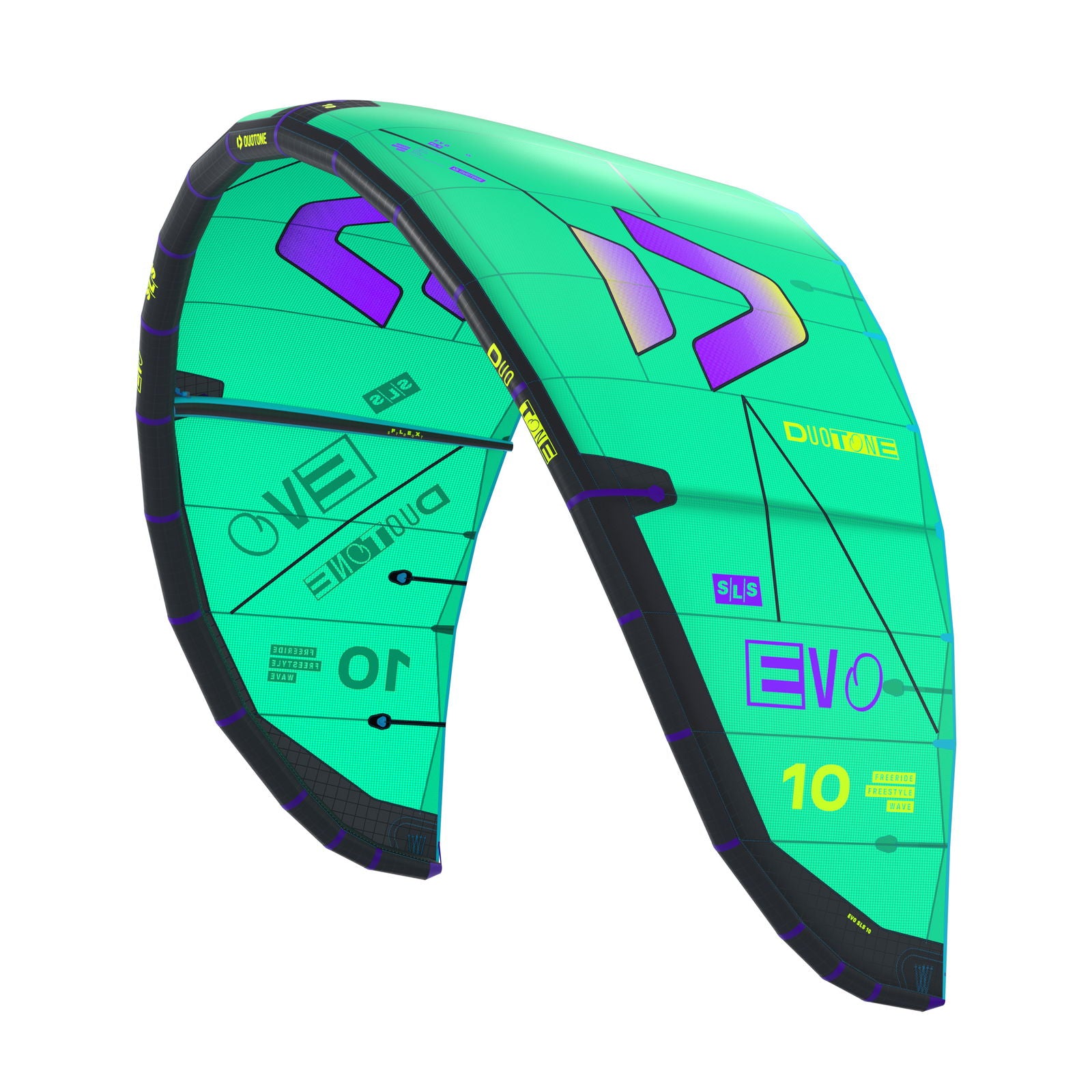
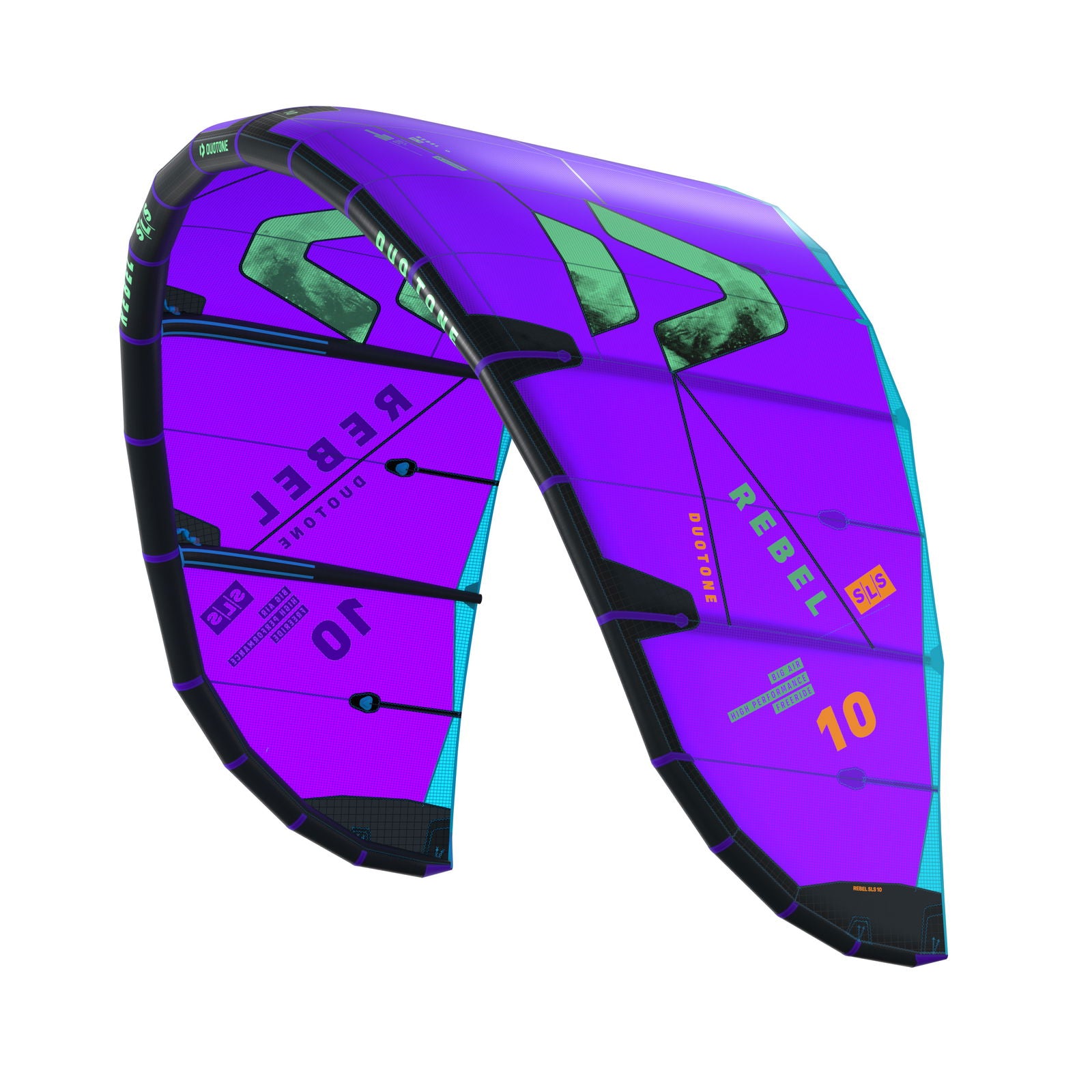
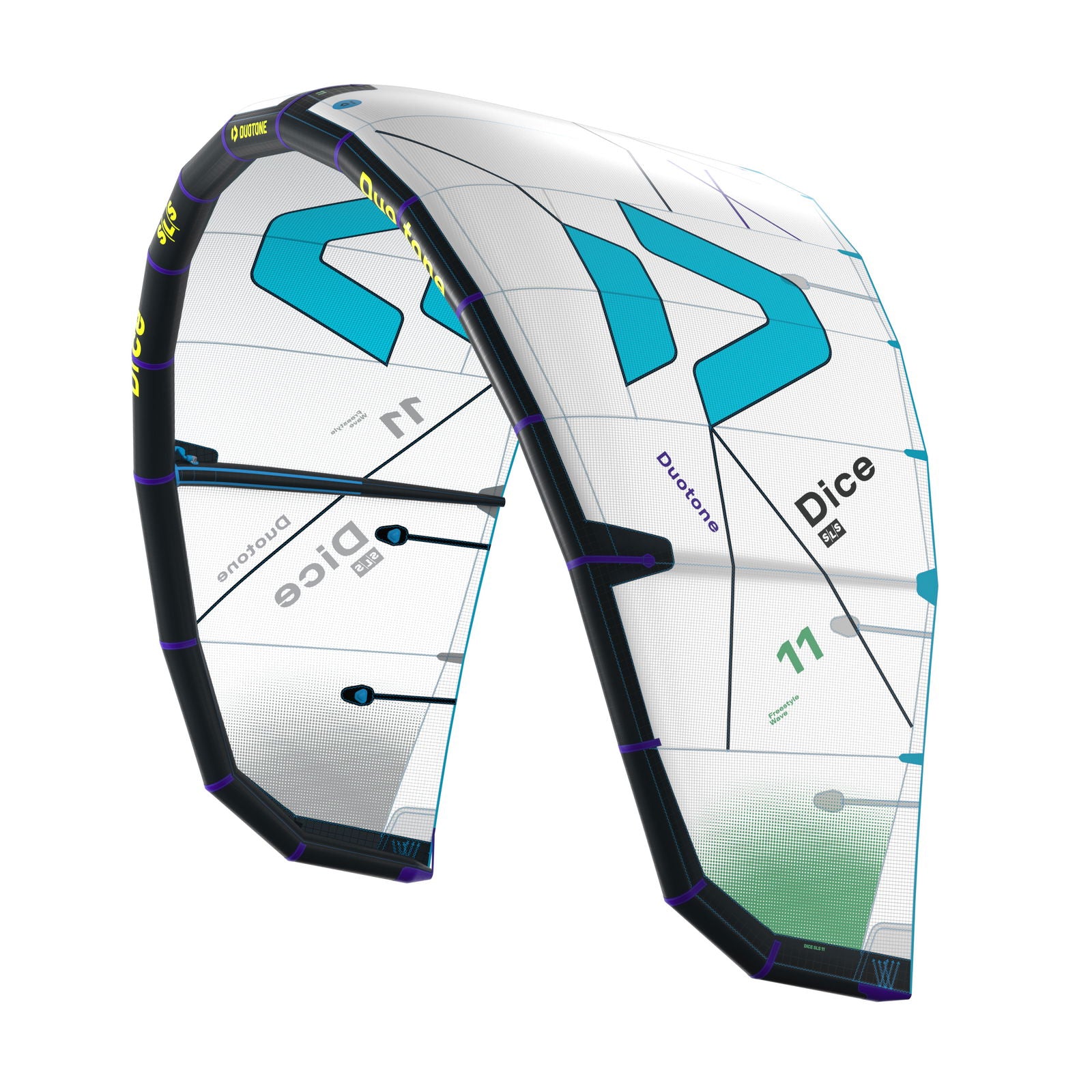
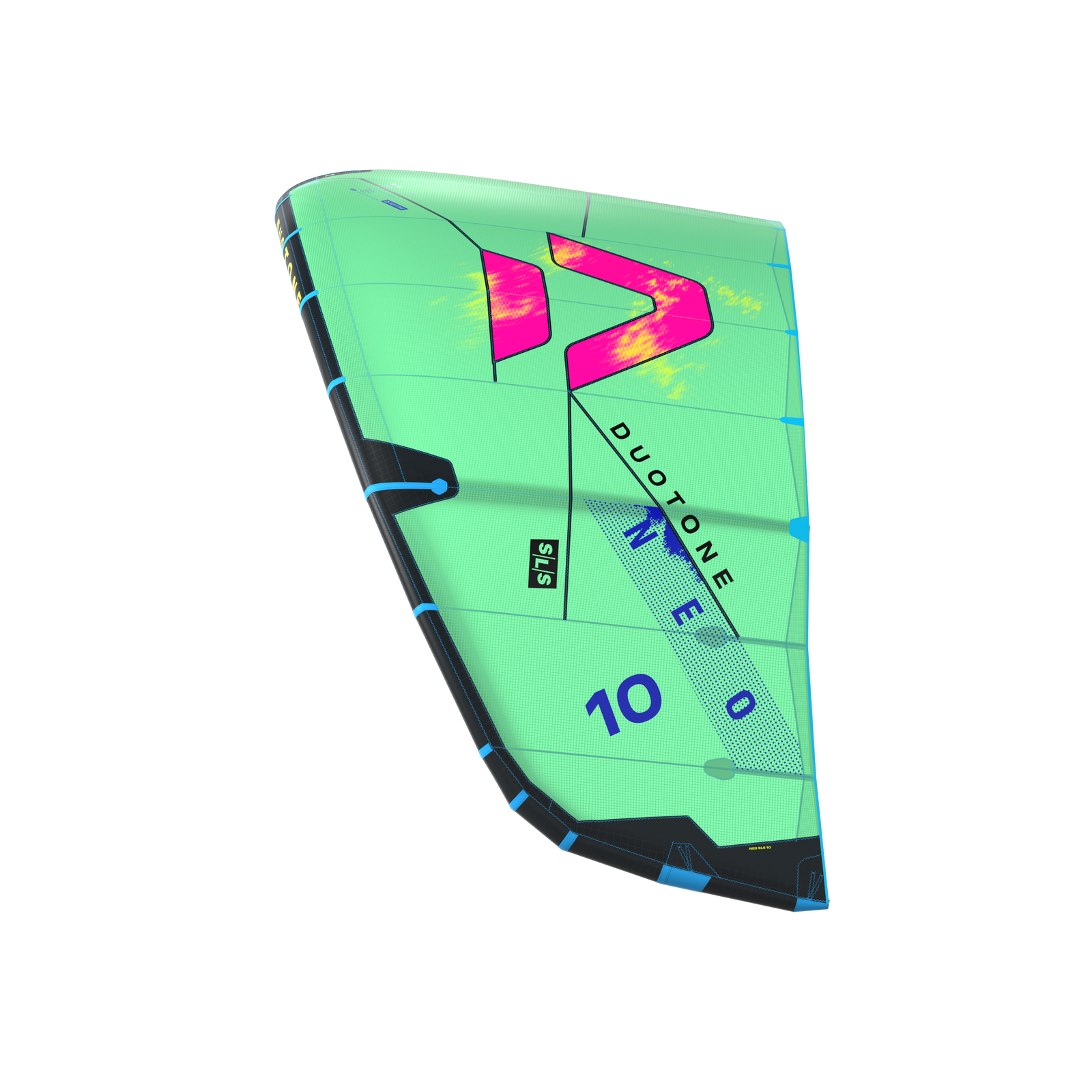
Prices and 2026 specs are pulled live from each product page. Confirm on the product page before checkout.
04 — MistakesThree mistakes we see every week
Ready to find your school?
Browse our beginner kites and boards in the Kitesurfing shop—the same gear schools trust.
Frequently asked
It means the instructor has passed exams on safety protocols, progression drills, and rescue. Level 1 is the entry cert; Level 2–3 are more advanced. All are valid for group lessons.
Most riders need 15–20 hours of instruction to ride independently. That's roughly 5–7 full days of lessons. Then you'll benefit from coached sessions to refine technique.
Bigger groups mean less water time and feedback. In a 4–6 person class, you get multiple sessions and personal tips. In 10 people, you're waiting half the day.
No. Schools have rental kites and boards sized for learners. Buy your own once you're riding independently—then you'll know what size and style suit you.