Kitesurfing Distress Signals — How to Call for Help on the Water
Trouble on the water happens fast. Knowing how to signal for help isn't panic—it's the difference between a close call and a real rescue. This guide covers the universal distress signals every kiteboarder should know.
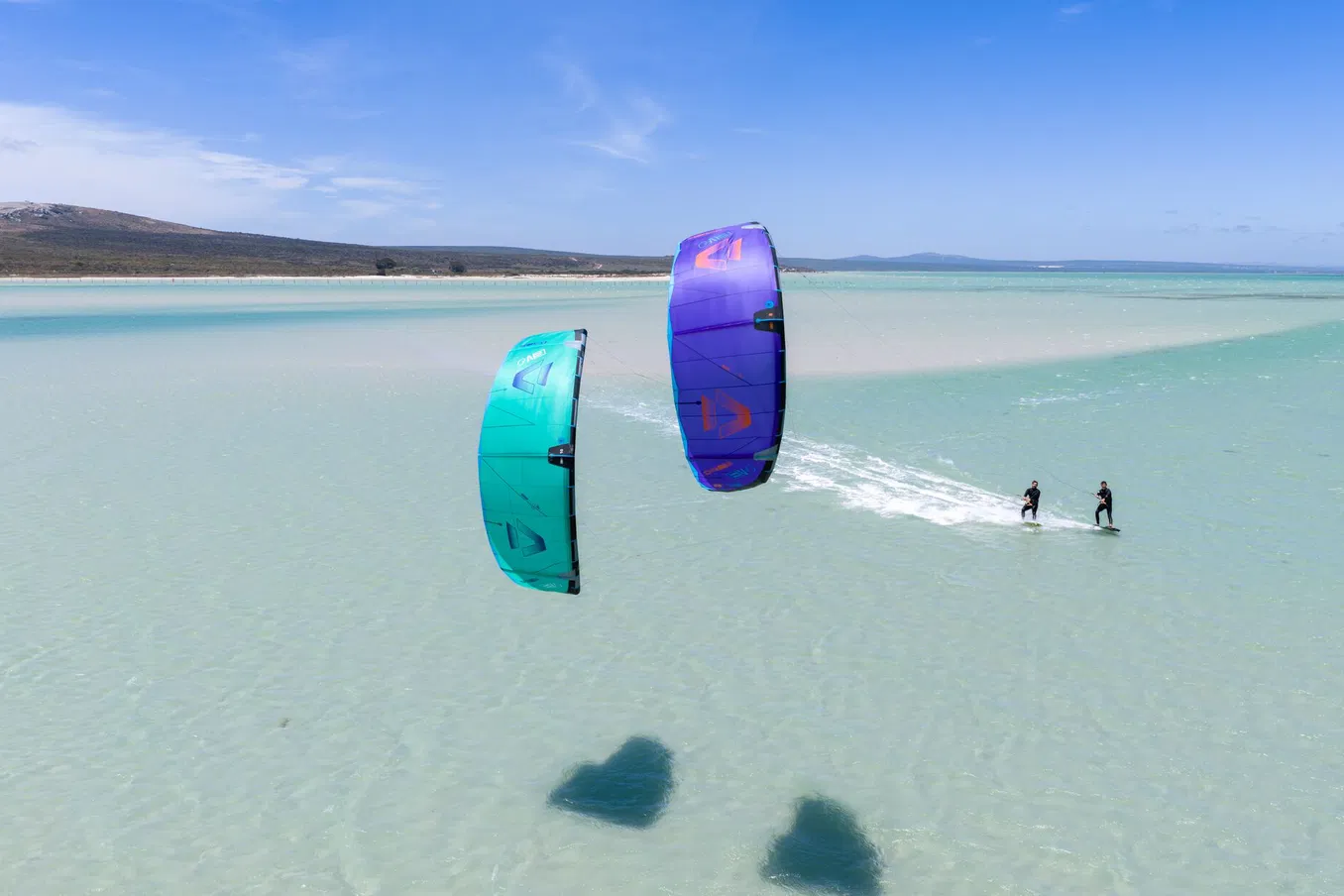
Wave both arms above your head repeatedly and blow three short whistle blasts if you have one. These universal distress signals work because rescue services recognise them instantly. Wear bright-coloured gear (wetsuits, PFDs, kites in high-vis colours), stay visible, and always tell someone your launch plans. Most situations never become emergencies because you've prepared ahead.
01 — Emergency signallingHow to Signal — The Universal Distress Signal
When you're in genuine distress, wave both arms above your head in continuous, deliberate motions. This isn't a casual wave—it's sustained, unmissable movement. Keep your arms extended and visible to rescue boats and beach patrols. If you have a whistle, three short blasts is the maritime standard. Most beaches and rescue teams train on these signals.
Don't shout randomly or make vague hand gestures. Rescuers are looking for the arm-wave pattern and listening for three distinct blasts. One rider we shipped gear to near Cape Town got into trouble when his board snapped in 16 knots—he waved, a patrol boat spotted him within two minutes. The visibility and signal worked exactly as it should.
02 — Staying safe before trouble startsPrevention: Gear, Visibility, and Planning
Most emergencies don't happen to riders who plan ahead. Before you launch, tell a friend or family member your spot, wind forecast, and expected return time. Check the wind range for your kite size—if you're riding a 12 m² Duotone Evo SLS, that's safe in 12–18 knots. Outside that window, you're fighting your gear instead of enjoying it.
Wear bright wetsuits and high-vis PFDs. Choose kites in bold colours—bright orange, lime, or white show up against grey water. We've stocked these setups since 2003, and the riders who avoid close calls are the ones in neon, not black.
03 — Our picksOur 4 In-Stock Kite Picks for Visibility and Forgiveness
Each of these kites comes in vivid colours and matches beginner to intermediate riders in typical wind ranges. All four are 2026 models, built for predictable handling if things get sketchy.
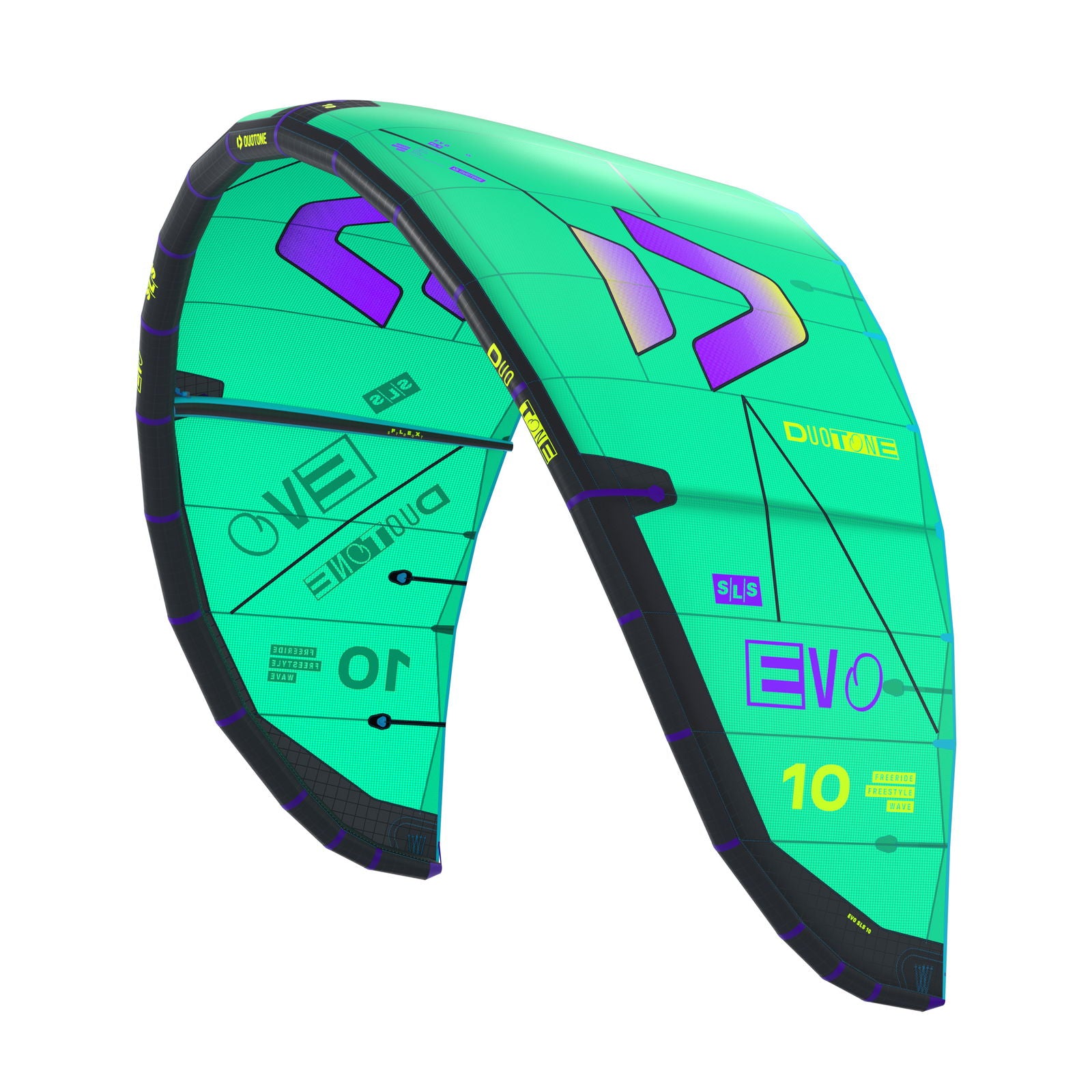
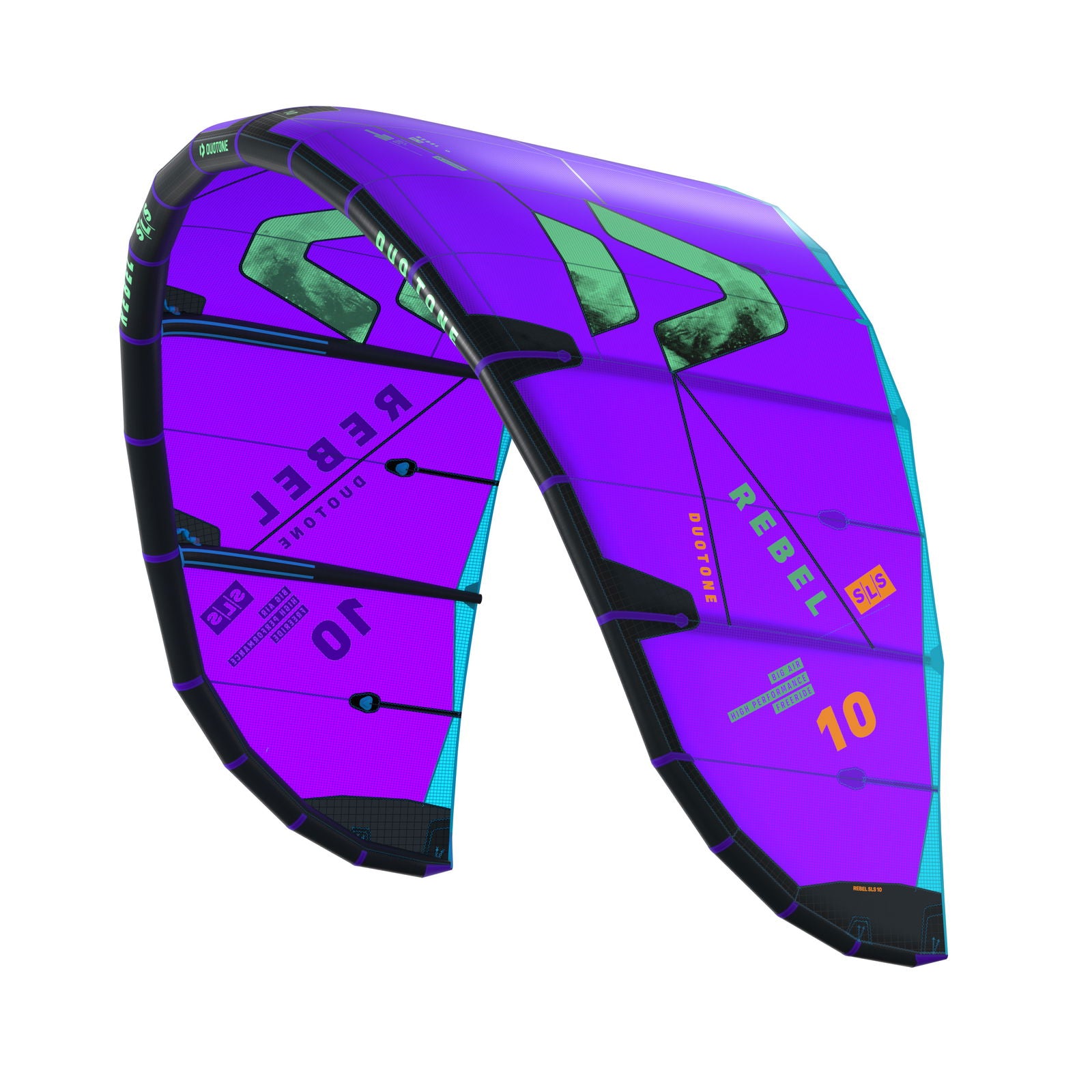
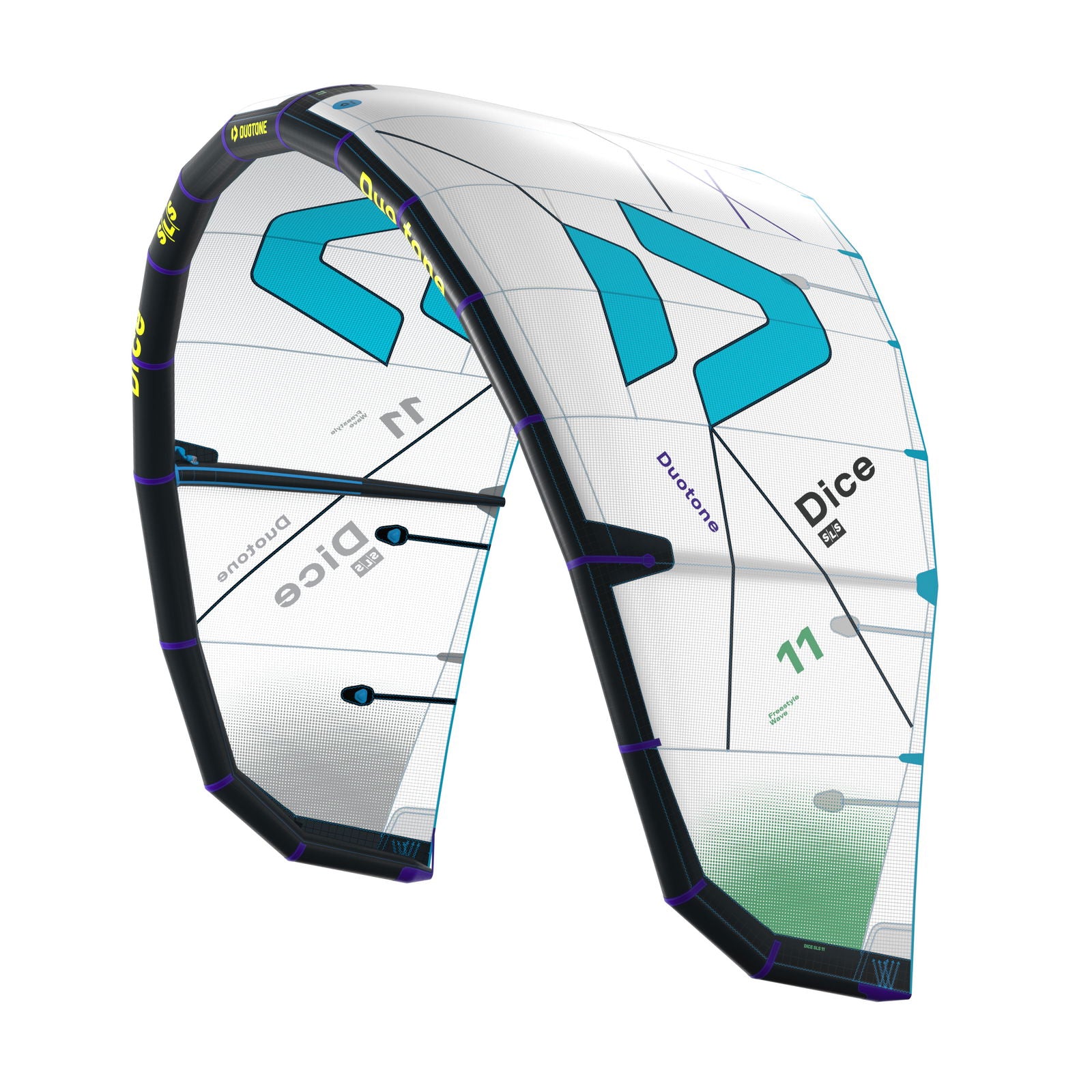
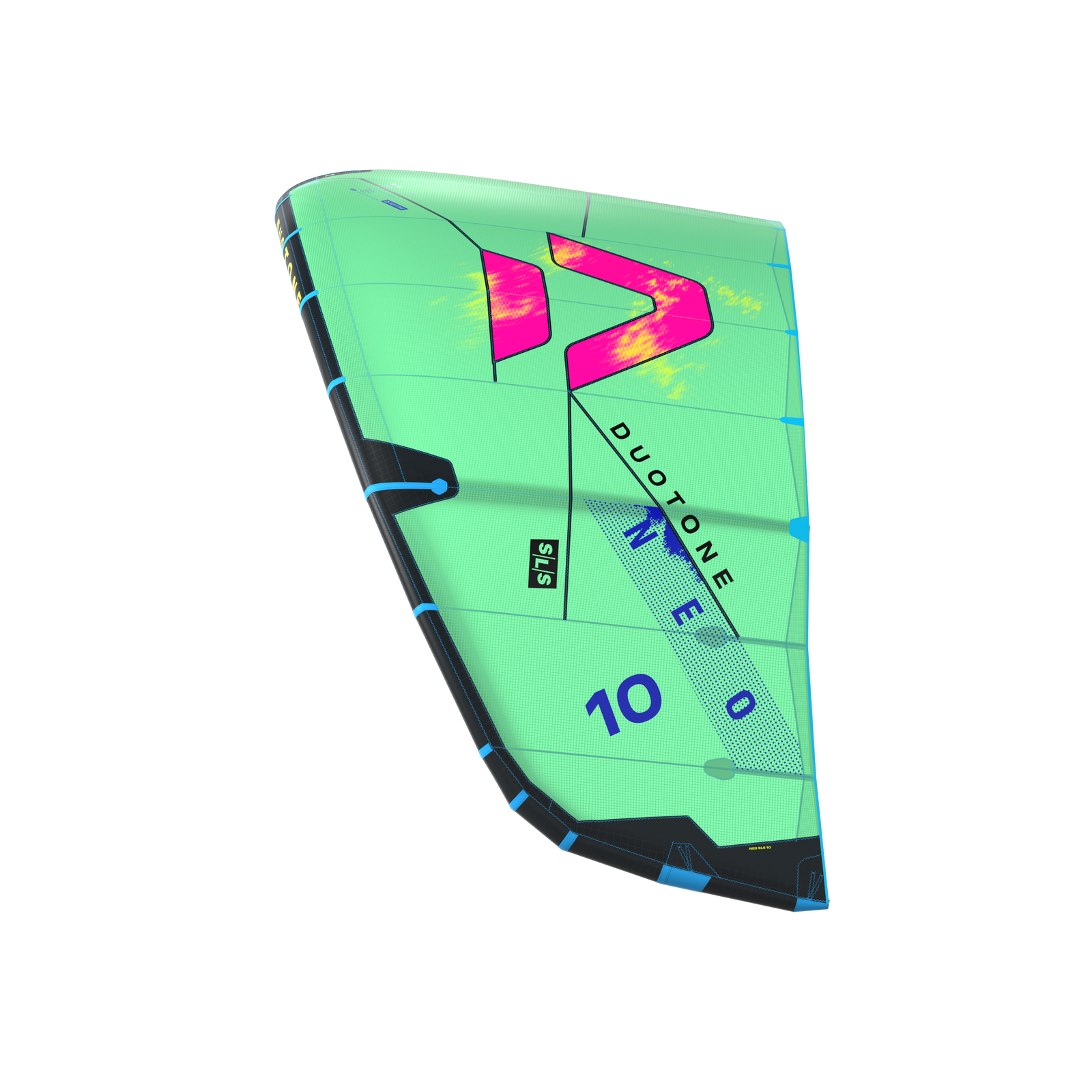
Prices and 2026 specs are pulled live from each product page. Confirm on the product page before checkout.
04 — MistakesThree mistakes we see every week
Ready to gear up safer?
Browse our full range of 2026 kites in high-visibility colours, all built for dependable handling.
Frequently asked
A wave is casual—arm bent, hand moving side to side. Distress is both arms fully extended above your head, waving in sustained, obvious motions. Rescuers are trained to spot the difference instantly.
A 12 m² works well for most intermediate riders in 12–18 knots. Below 12 knots, you'll struggle for power; above 18, you're fighting control. Check the specific kite—Duotone and Cabrinha models vary slightly, but this range holds.
Yes. Calm days turn windy fast, and a whistle weighs nothing. Clip it to your harness or PFD before you launch. Three short blasts work in fog, chop, and any visibility that drowns out shouting.
Stay with your kite and board—they're flotation. Your kite is the largest, brightest object rescuers can spot from a distance. Keep waving and signalling until help arrives. Most rescues happen within 5–10 minutes of the first signal.