
Kite Size by Weight & Wind Speed — Full Calculator Guide
Kite size comes down to three things: your weight, the wind speed, and what you want to ride. Get it right, and you'll have control and power. Get it wrong, and you're either struggling to lift off or getting dragged across the beach.
Match your body weight to wind speed using a simple rule: lighter riders (under 70 kg) fly 9–12 m in strong wind (18–25 knots), while heavier riders (85+ kg) need 14–17 m in lighter wind (12–18 knots). Most of us (70–85 kg) sit comfortably on a 12–14 m in 14–18 knots. Start there, then adjust for your local spot and riding style.
01 — The core principleWhy Weight and Wind Speed Matter
There's no magic kite size that works everywhere. A 14 m sail that gives a 95 kg rider power in 12 knots will throw a 65 kg rider into the stratosphere. Wind speed and body weight are locked together—one changes, your kite choice changes.
Undersizing means you can't generate lift. You'll sit in the water waiting for a gust. Oversizing strips your control away. You'll get yanked downwind before you can edge, or worse, launched when the wind picks up. The sweet spot is where you've got enough pull to ride confidently, but enough authority to ride safely.
02 — The sizing matrixReading Your Weight and Wind: Quick Reference
Light riders (under 70 kg): in 12–14 knots, go 13–15 m. In 15–18 knots, drop to 11–13 m. In 18+ knots, you're at 9–12 m. Medium riders (70–85 kg): 14–16 m works 12–14 knots, 12–14 m for 15–18 knots, 10–12 m once you're over 18. Heavy riders (85+ kg): start at 15–17 m in light wind (12–14 knots), then 13–15 m as wind climbs to 15–18, and 11–13 m in strong conditions.
These are starting points. Your local wind patterns, your bar control, and whether you're learning or sending it will all shift your choice 1–2 sizes in either direction.
03 — Our picksWhich Kite Should You Pick?
We stock Duotone's 2026 range for good reason—they're forgiving, responsive, and they size across the full spectrum. Pick based on where you ride and your weight band, then trust your local wind data.
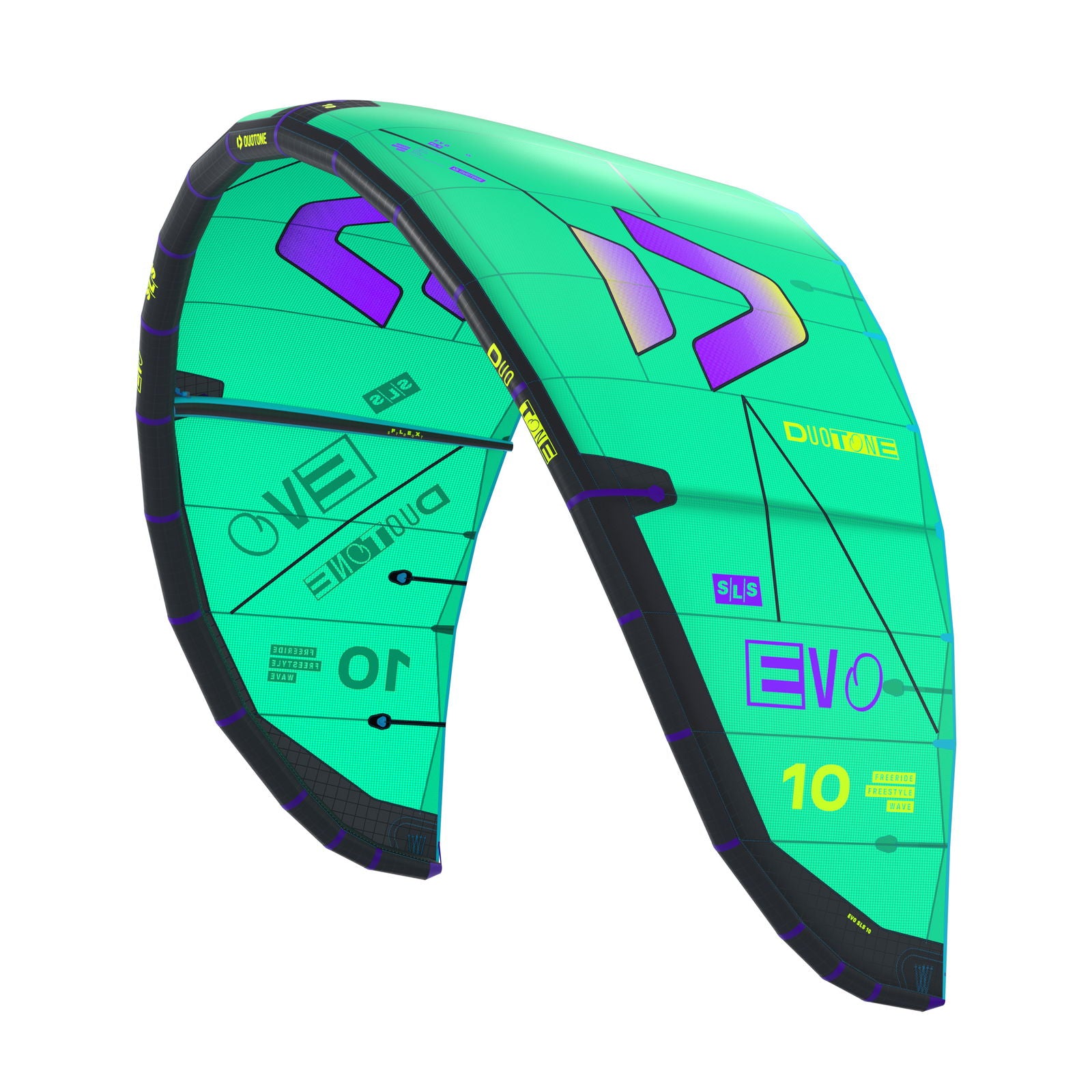
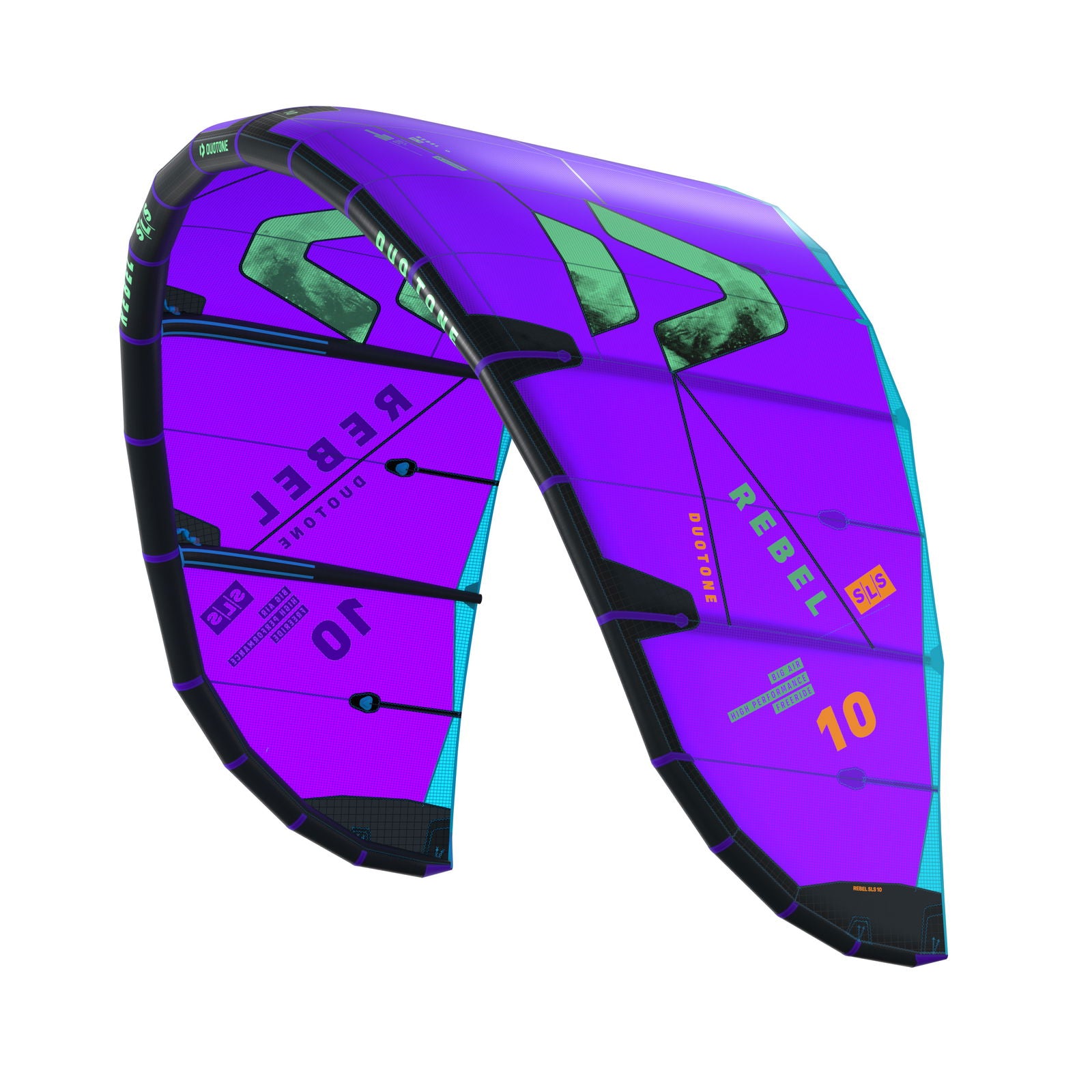
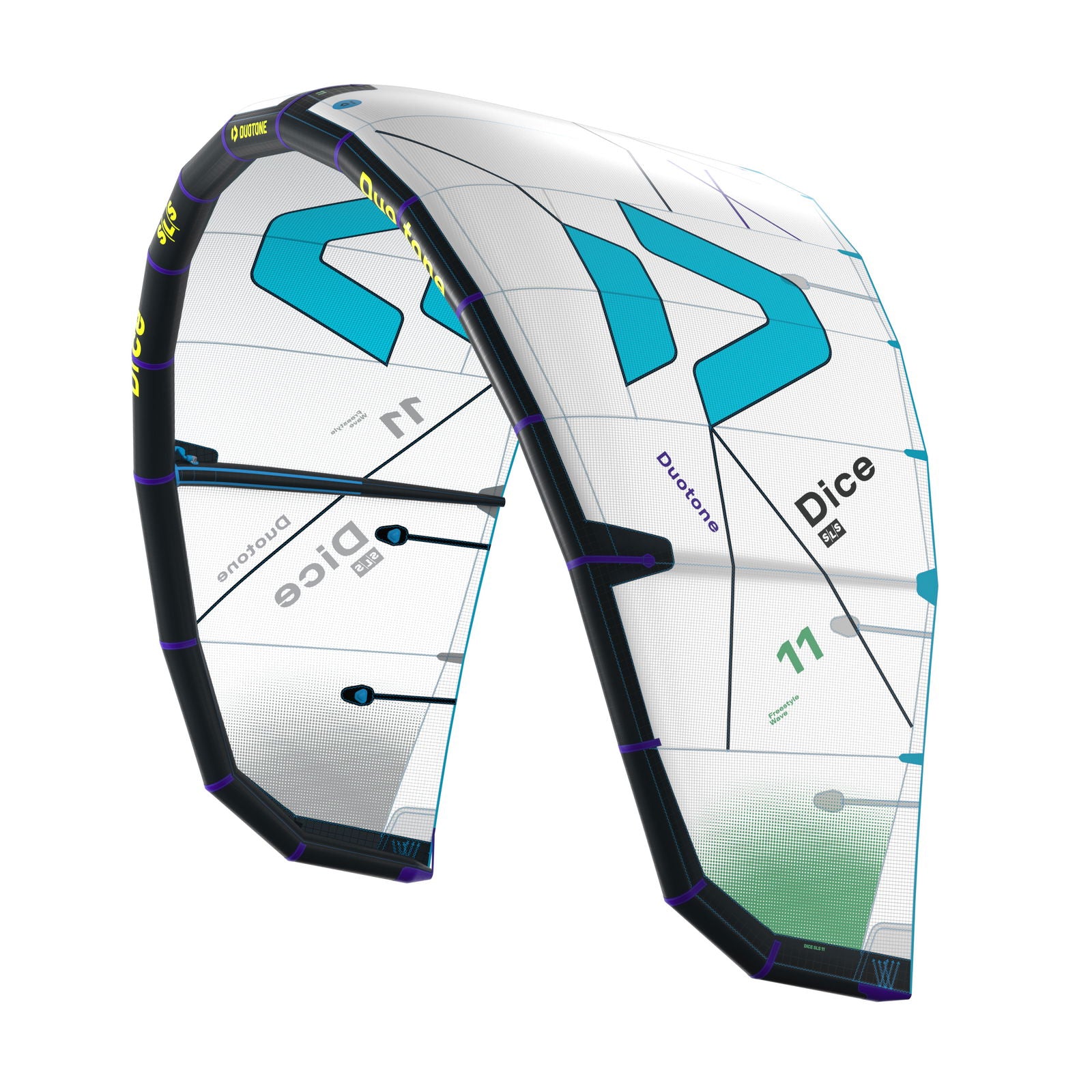
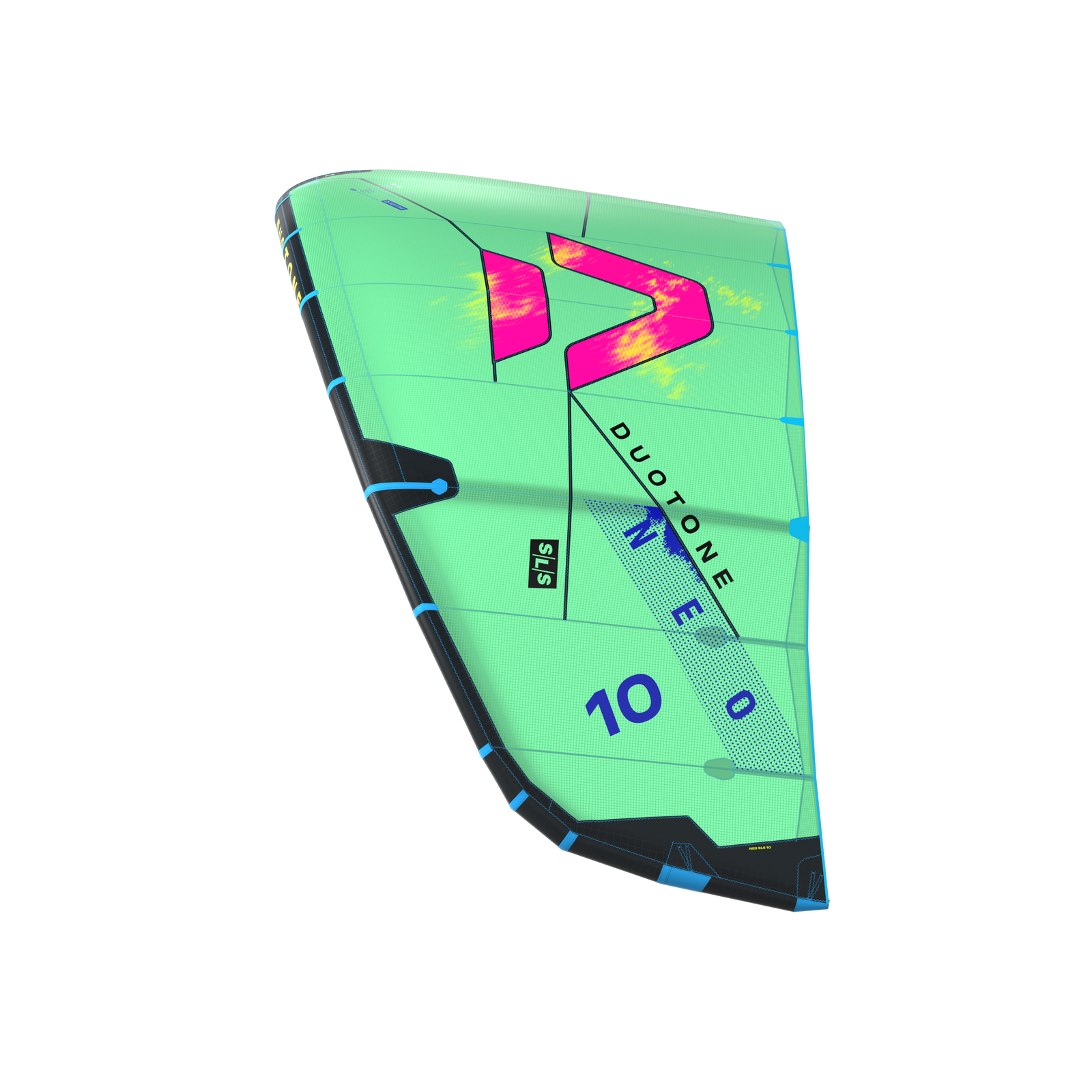
Prices and 2026 specs are pulled live from each product page. Confirm on the product page before checkout.
04 — MistakesThree mistakes we see every week
Ready to find your size?
Browse our full Duotone kite range and pick the size that matches your weight and local wind.
Frequently asked
Technically yes, but you'll fight for control. Undersizing by 2–3 m is safer and more fun. You can still ride, and you won't be exhausted by the time you get back to shore.
Build a two-kite quiver. A 14 m and 11 m will cover most European conditions. Heavy riders might go 16 m and 13 m. Light riders: 13 m and 10 m.
Not exactly. Duotone, Cabrinha, and Gaastra all fly slightly different—Duotone tends forgiving, Cabrinha is punchy, Gaastra is smooth. Start with the weight-and-wind rule, then tweak based on the brand you choose.
No. Oversizing teaches bad habits and kills confidence. Start right-sized for your weight now. Your next kite will come sooner than you think.