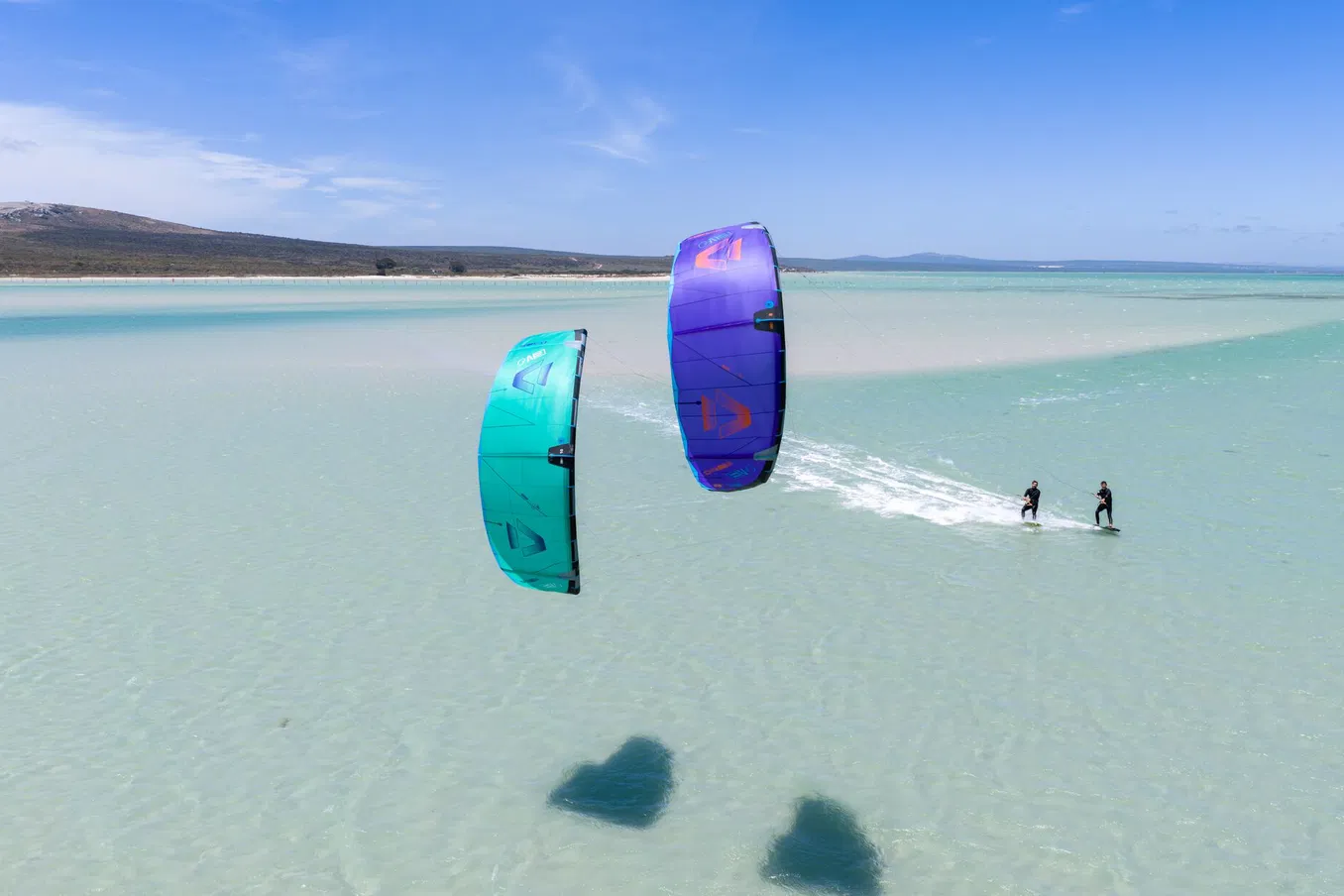
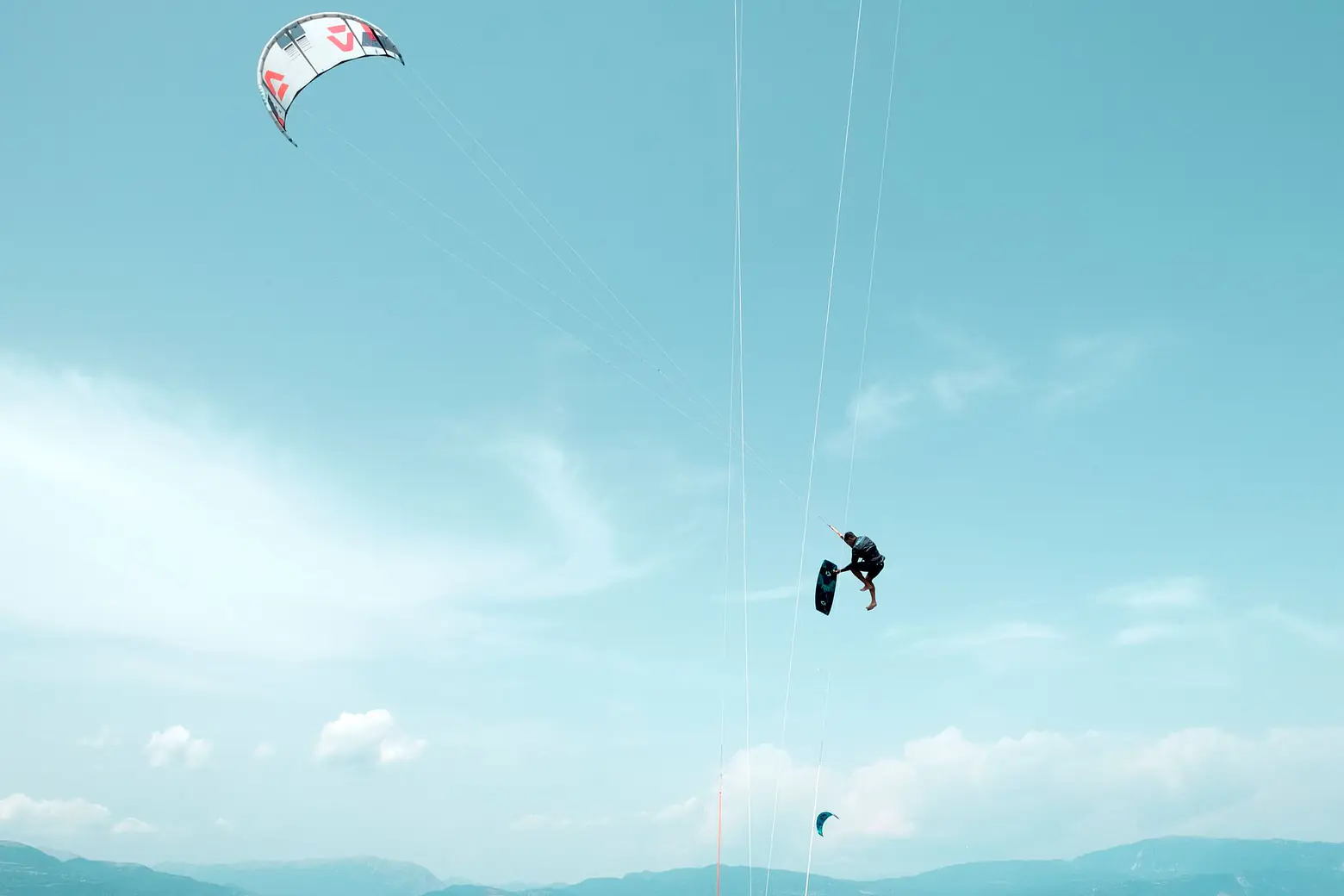
Kitesurfing in Tarifa — Complete Spot Guide 2026
Tarifa isn't just consistent—it's relentless. We've shipped kites here every season since 2003, and with 300+ days of rideable wind, dual conditions, and a tight crew that actually knows the locals, it's the spot to test yourself.
Tarifa splits into two worlds: the Atlantic side (Punta Paloma, Valdevaqueros) delivers wind and swell for wave riding, while the Mediterranean bay offers flat water for freestyle. Trade winds blow northeast to northwest roughly 300 days yearly. Water temps range from 13°C in January to 22°C in August, so wetsuit thickness changes seasonally. We stock Duotone kites here because the wind pattern rewards responsive, stable kites across all conditions.
01 — Two Faces: Choosing Your BreakAtlantic vs. Bay
Punta Paloma and Valdevaqueros face the Atlantic. You'll get swell—proper Atlantic swell—and the wind stays strong and clean. This is where you bring your wave kite and your board. The bay side (inside the harbor and around town) stays flat. Glass-flat. That's your freestyle playground.
The Atlantic side demands respect. Wind funnels down the strait between Spain and Morocco, and it doesn't mess around. Even in lighter seasons, you'll find 12-15 knots when the rest of Europe is dead. The bay? It's light and shifty—perfect for learning, terrible for wave sessions.
Most riders split their time. Morning bay session to dial in tricks, then head to the Atlantic in the afternoon when the wind picks up and the swell arrives. Bring both a wave kite and a freestyle kite if you're staying more than a week.
02 — Seasonal TimingWater Temperature & Suit Strategy
January water sits at 13°C—bring a 5/4 mm wetsuit or you'll regret it fast. Summer (July–August) climbs to 22°C, so a 3/2 mm works fine. Spring and autumn hang around 15–18°C: 4/3 mm is your sweet spot.
Locals don't mess with shorties. The water's cold enough that even in August, most riders wear full suits. Boot, gloves, hood in winter—not optional. We stock ION and have shipped enough winter gear to Tarifa that we know what works: thick neoprene, sealed seams, and a hood that actually stays on.
03 — Our picksOur 4 in-stock picks
We've tested every kite below in Tarifa winds. Each handles the strait's funky gusts and the bay's light moments without losing response.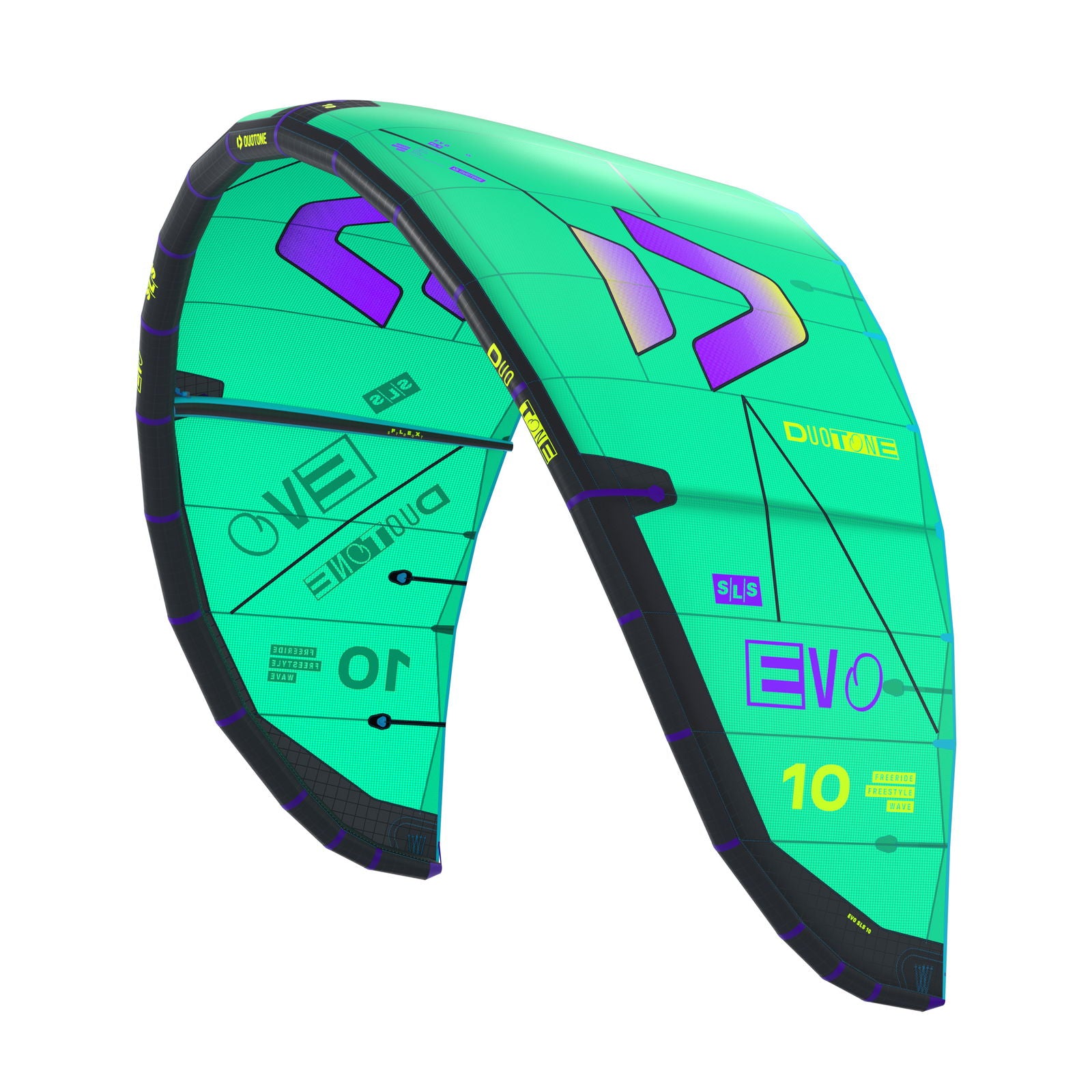
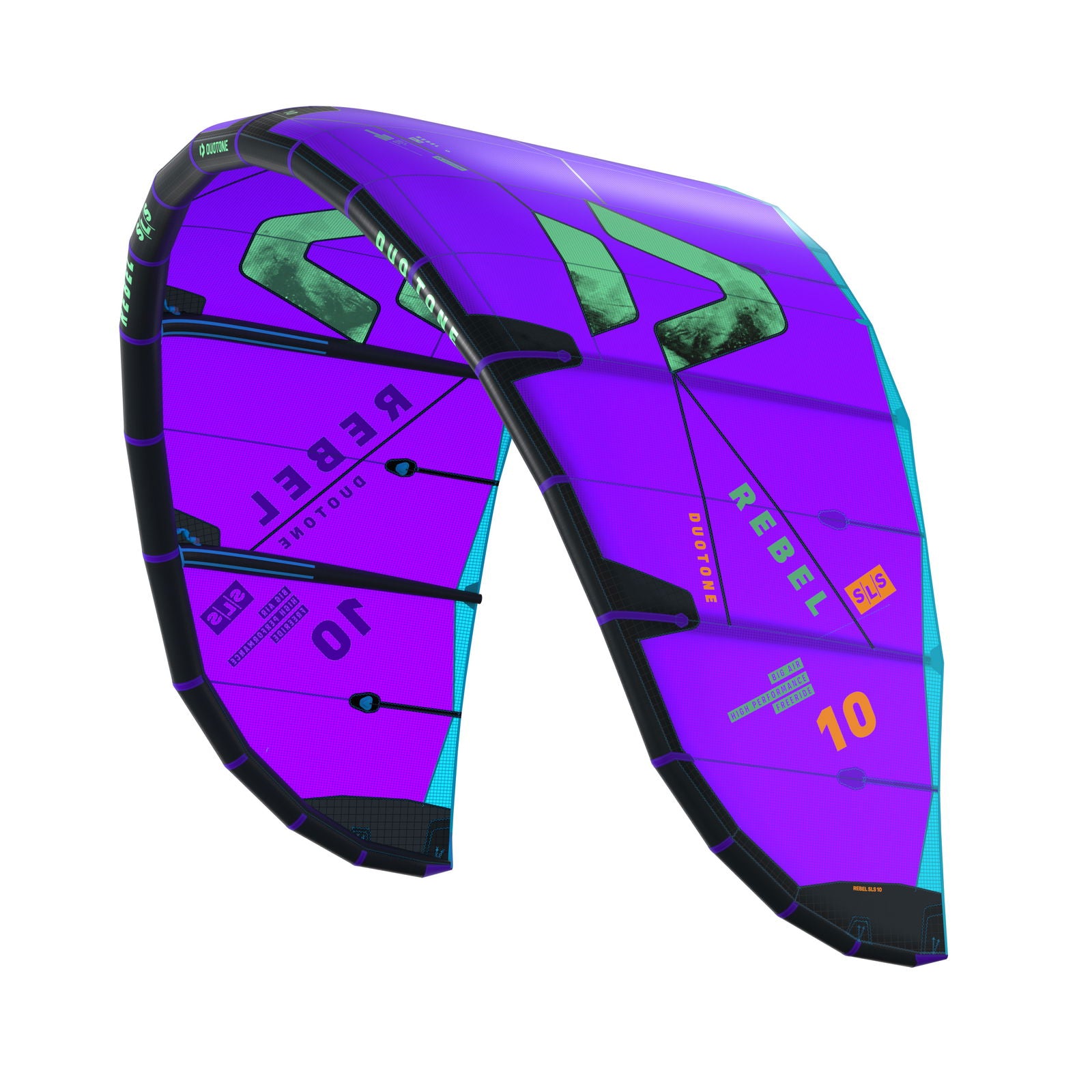
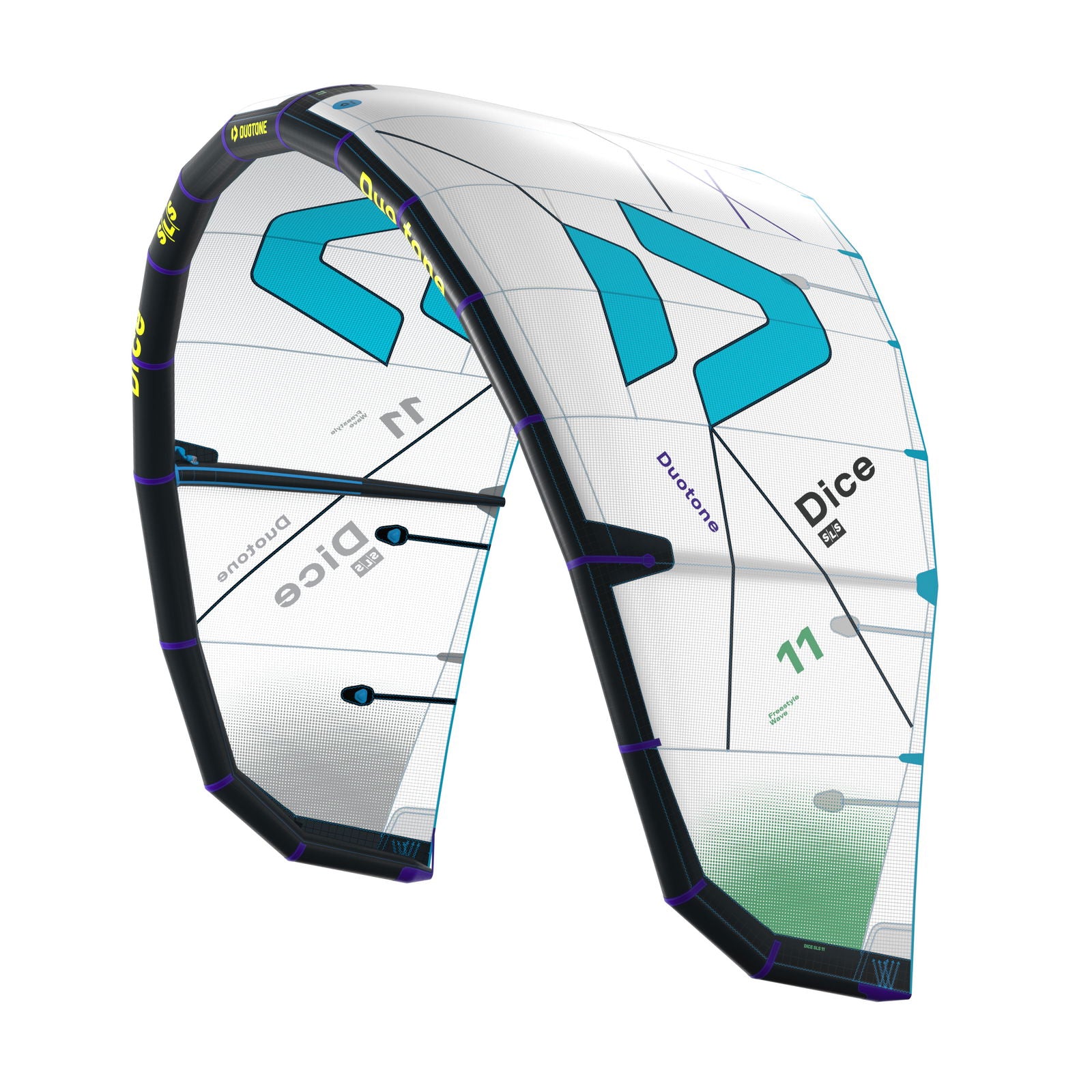
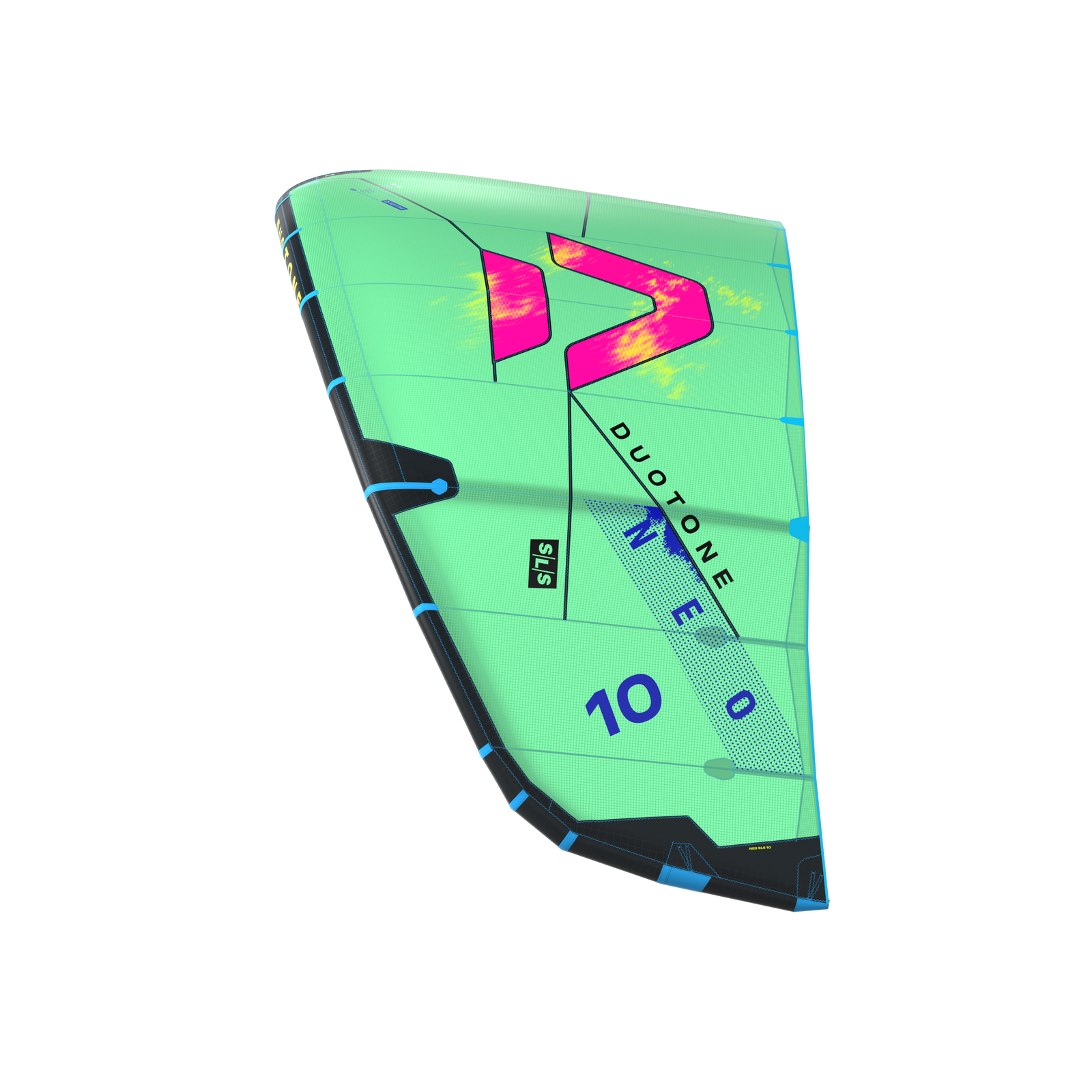
Prices and 2026 specs are pulled live from each product page. Confirm on the product page before checkout.
04 — MistakesThree mistakes we see every week
Ready to fly in Tarifa?
Browse our full Duotone, Cabrinha, and Gaastra kite range—we stock 9, 12, and 14 m² sizes for Atlantic and bay conditions.
Frequently asked
If you're intermediate or above, bring a 9 m² and a 12 m². Beginners should stick with 12 m² in the bay (light, predictable wind). The Atlantic needs experience and respect.
Both. The Atlantic side is pure wave riding; the bay is freestyle heaven. Spend mornings in the bay, afternoons on the Atlantic if you want it all.
May through September offers consistent 15-20 knot winds and warm water. Winter (Dec–Feb) is stronger (20-25 knots) but cold—13°C water demands a thick suit.
The Rebel SLS and Evo SLS handle the strait's gusts beautifully. For waves, the Rebel's stability shines. For freestyle bay sessions, the Evo's hang time is unbeatable.