Kite Size Chart - What Size Kite Do I Need?
Pick the wrong kite size and you're either getting dragged across the beach or swimming back to shore. The right size is the difference between a dialled session and pure frustration. We'll show you exactly how to calculate it.
Your kite size depends on body weight and wind speed. Use this formula: Weight (kg) ÷ Wind Speed (knots) × 2.2 = Kite Size (m²). A 75 kg rider in 15 knots needs roughly an 11 m² kite. Most riders own 2–3 kites to cover light, moderate, and strong conditions.
01 — Core mathThe Formula
There's no magic number that works for everyone. Your kite size is a direct relationship between your weight and the wind speed you're riding in. Heavier riders need bigger kites in the same conditions. Light wind? You'll need extra area. Strong wind? Go smaller or you'll be a passenger.
The formula is simple: Weight (kg) ÷ Wind Speed (knots) × 2.2 = Kite Size (m²). A 75 kg rider in 15 knots needs roughly an 11 m² kite. A 60 kg rider in the same wind? About 9 m². It's not perfect—terrain, board size, and your style all matter—but this gets you in the ballpark every time.
02 — Finding your quiverSize by Weight and Wind
Most beginners start with a single 9 m² or 12 m² kite in 12–20 knots of steady wind. That covers your learning window without overpowering you. Once you're comfortable, you'll want a second kite. Light-wind riders (50–65 kg in 10–15 knots) often go 12–14 m². Medium riders (65–85 kg in 12–18 knots) typically sail 9–12 m². Heavier or stronger-wind spots? You'll be reaching for 7–9 m² when it gets properly on.
The sweet spot for most of our customers is owning three: a 12 m² for light stuff, a 9 m² for everyday sessions, and a 7 m² for when it's honking. You don't need all three straight away—build your quiver as you ride more and learn the wind patterns at your local beach.
03 — Our picksOur 4 In-Stock Picks
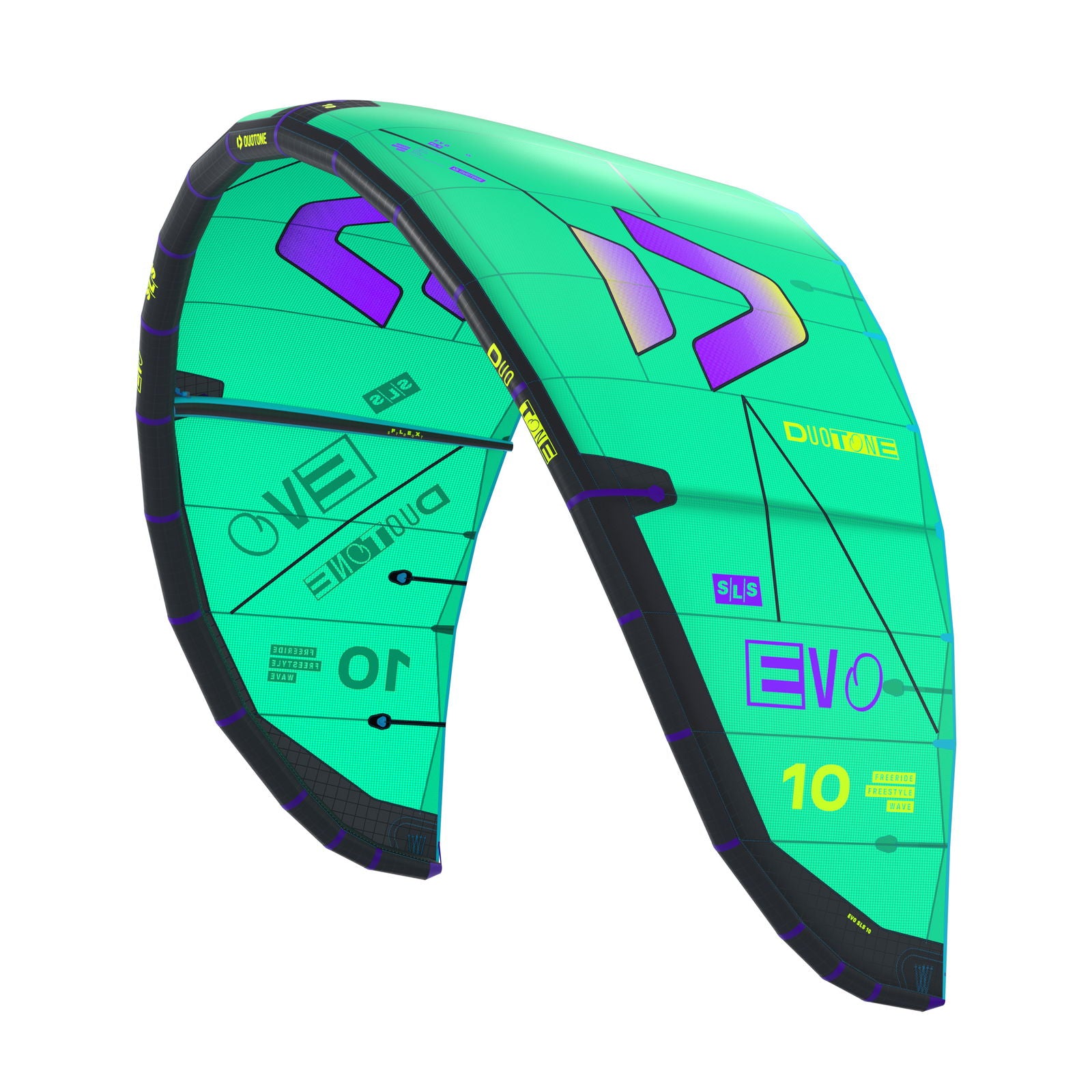
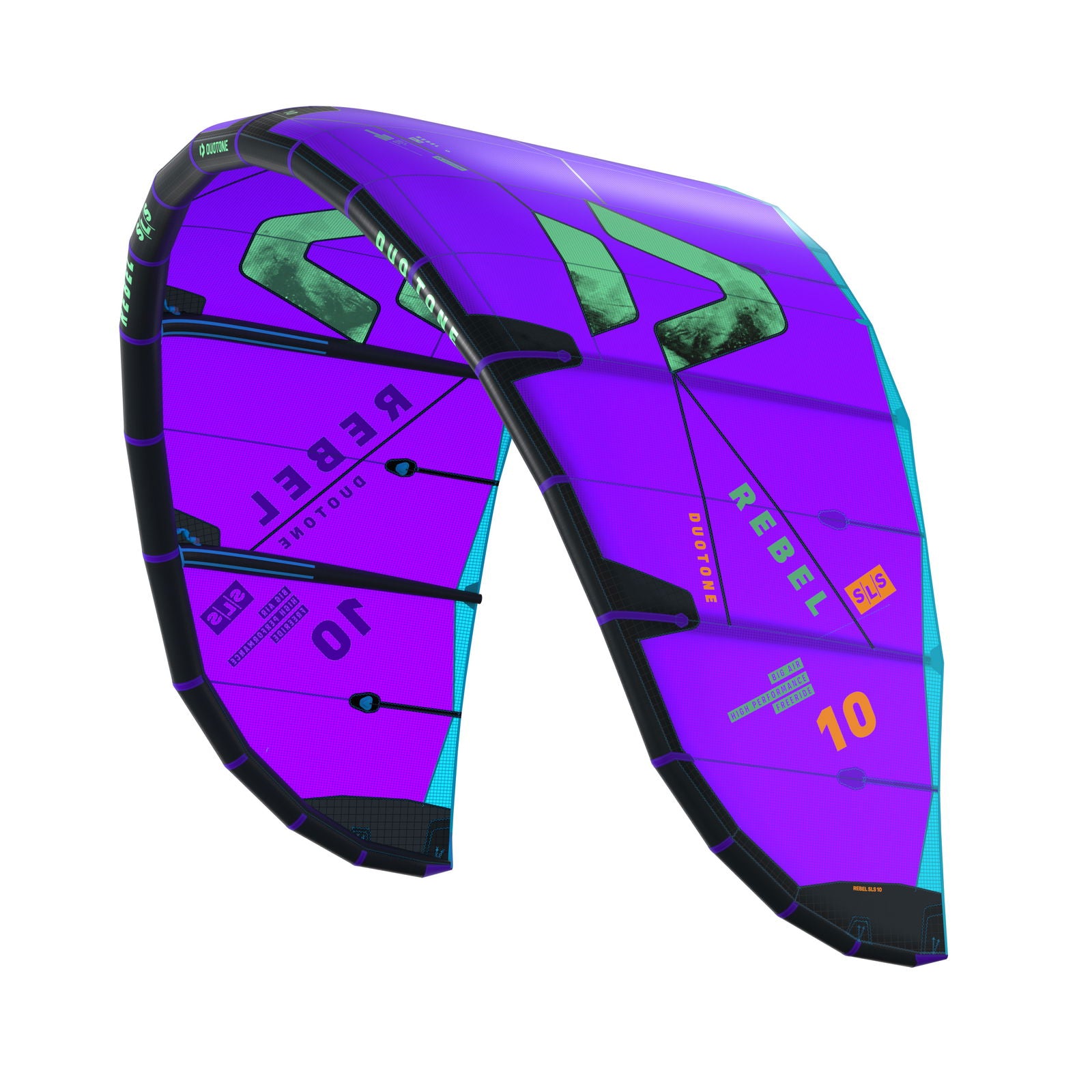
We stock Duotone kites for every riding style and wind range. Pick the Evo SLS if you want a smooth, forgiving all-rounder. Want raw power and response? The Rebel SLS delivers. Here are the four we'd grab right now.
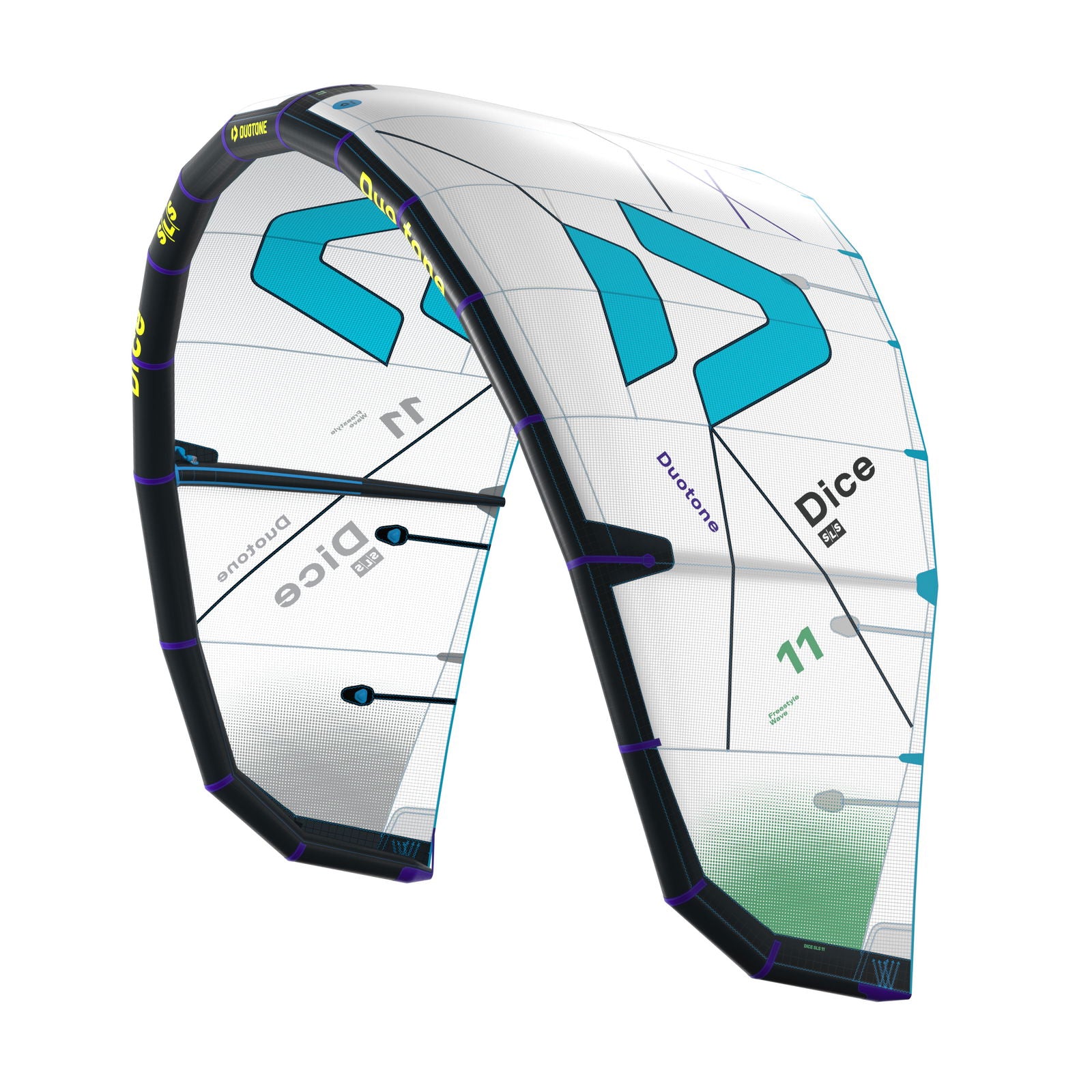
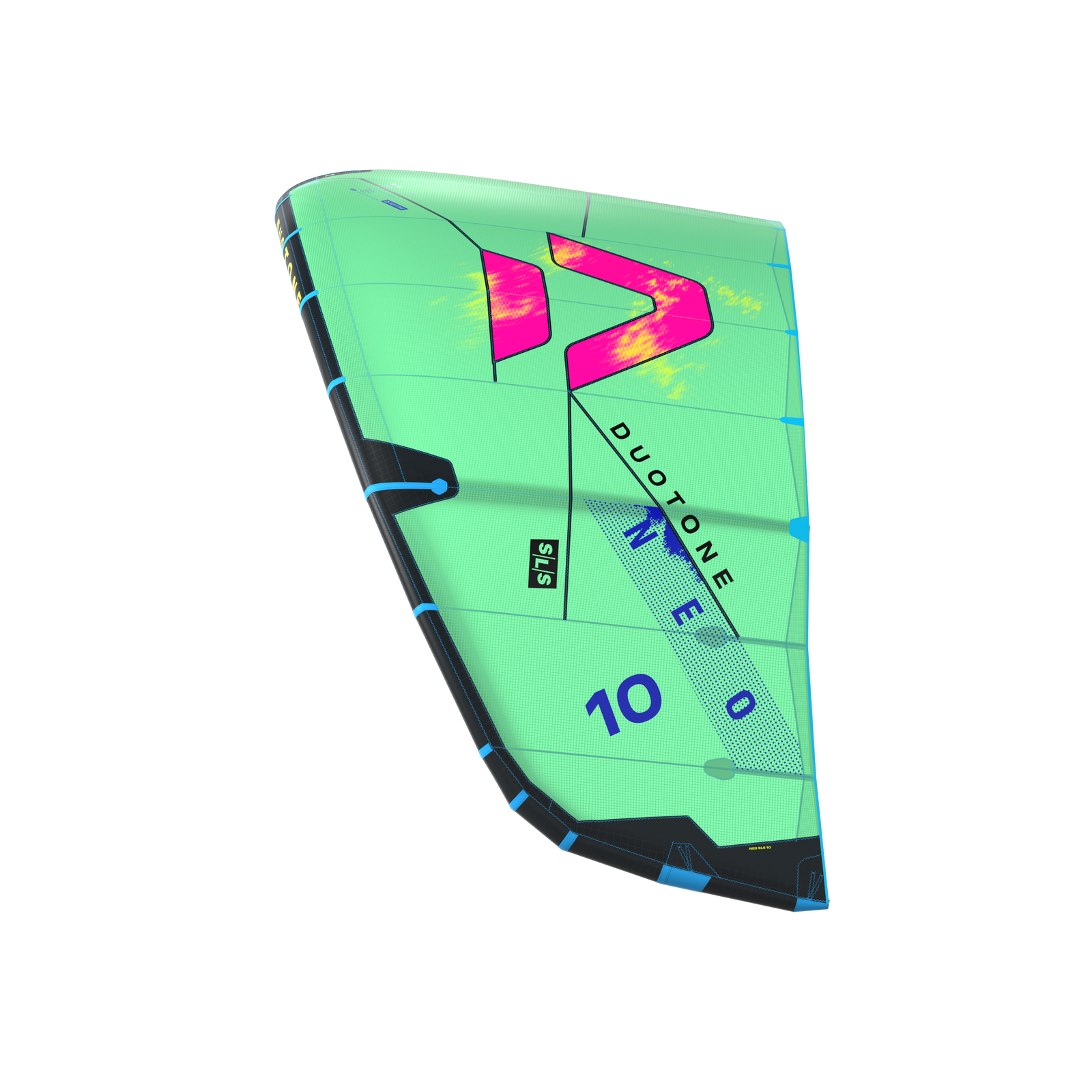
Prices and 2026 specs are pulled live from each product page. Confirm on the product page before checkout.
04 — MistakesThree mistakes we see every week
Ready to pick the right kite?
Browse our in-stock Duotone, Cabrinha, and Gaastra kites now—or chat with us if you're still unsure.
Frequently asked
Practically speaking, 7 m² is the lower limit for most adult riders. Anything smaller is niche race gear or ultra-light-wind freestyle. Beginners shouldn't go below 9 m².
You can try, but you'll be under-powered in light wind and over-powered in gusts. Two kites (9 m² and 12 m²) cover 80% of conditions for most riders.
Not dramatically. A Duotone 9 m² and a Cabrinha 9 m² will feel similar in the same wind. The formula applies across brands. Pick your kite on feel and feedback, not sizing.
Go smaller if you're borderline. It's easier to ride a slightly-small kite with good technique than to fight an oversized one. You'll progress faster and stay safer.