Best Spots to Learn Kitesurfing in Europe 2026 — Top Schools
Europe's best kitesurfing schools sit where wind comes reliable and conditions stay learner-friendly. We've sent hundreds of riders to Tarifa, Dakhla, and Vassiliki since 2003. Here's where to start and what each spot actually delivers.
Pick Tarifa, Spain for consistent 12–20 knot wind and established schools, Dakhla, Morocco for flat lagoon learning and warmest water, or Vassiliki, Greece for predictable thermals and shallow bays. You'll progress fastest on a 9–12 m² kite in 12–18 knot winds with qualified instruction and rental gear.
01 — Location ChoiceGeography & Wind: Where the Wind Works
Tarifa funnels Atlantic swell through the Strait of Gibraltar — you'll get consistent 12–20 knot wind almost year-round. The bay stays manageable for learners, and schools here know how to handle every skill level. Winter brings stronger wind; summer is more variable but still reliable.
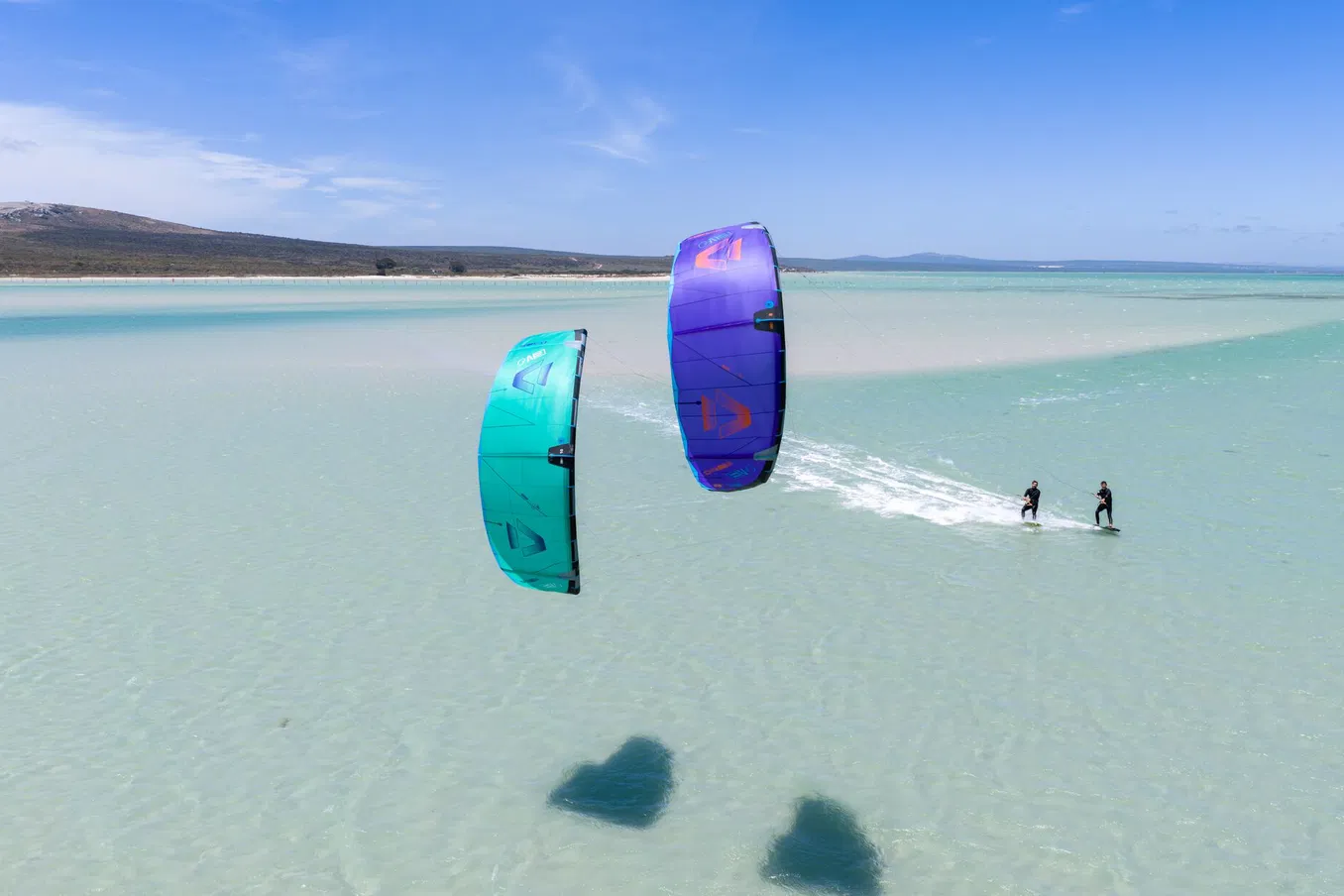
Dakhla sits in Morocco's Saharan thermal zone. The lagoon is pancake-flat, protected, and wind picks up predictably most afternoons. Water's warmest here too — you'll stay comfortable in a 3/2 mm wetsuit even in winter. The tradeoff: fewer established schools than Tarifa, so pick one with solid reviews before you go.
Vassiliki, Greece, catches thermals that build through the day. The bay stays shallow and protected. Wind quality swings more than Tarifa, but when it's on, conditions are ideal for progression. Schools here run tight, structured courses.
02 — Instruction & KitWhat Schools Provide (and What You Actually Need)
Every solid school provides qualified IKO or VDWS instructors, rental kites (usually 9–12 m²), boards, harnesses, and helmets. Expect 2–4 hour group or private sessions. Good schools keep rental fleets current and rotate kites so you're not stuck on worn gear.
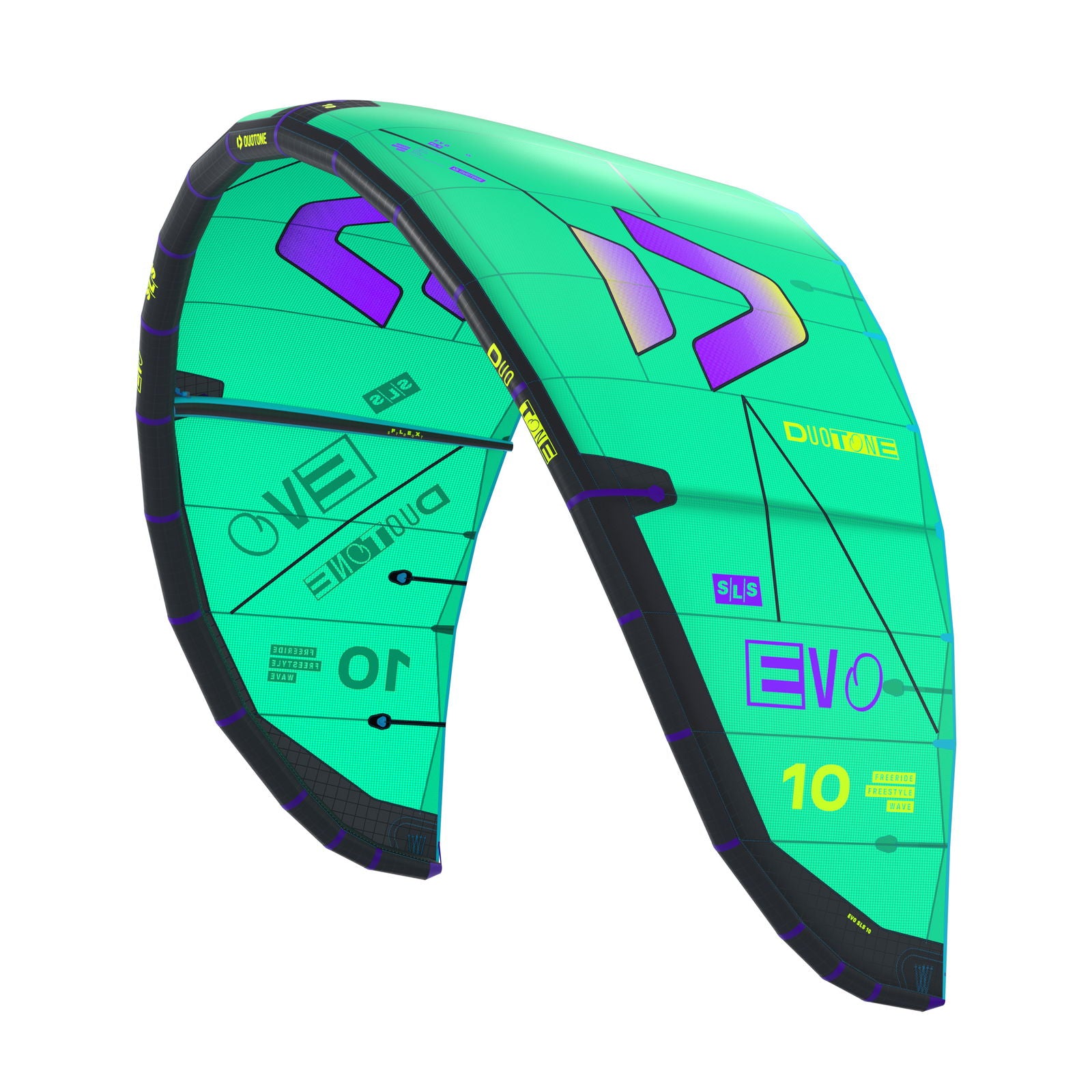
What you bring: a 3/2 mm or 4/3 mm wetsuit (Dakhla: 3/2), rash guard, and board shorts. Most schools rent safety vests, but your own fits better. Don't buy a kite before you land — rentals let you dial in what size feels right in local wind before dropping €1,800 on new gear like a Duotone Evo SLS or Rebel SLS.
03 — Our picksOur 4 In-Stock Picks for Learners & Early Progression
Once you're comfortable on rentals and know your local wind window, these Duotone models bridge learning and solid progression. All four fly predictably in the 12–18 knot window where you'll spend your first months.
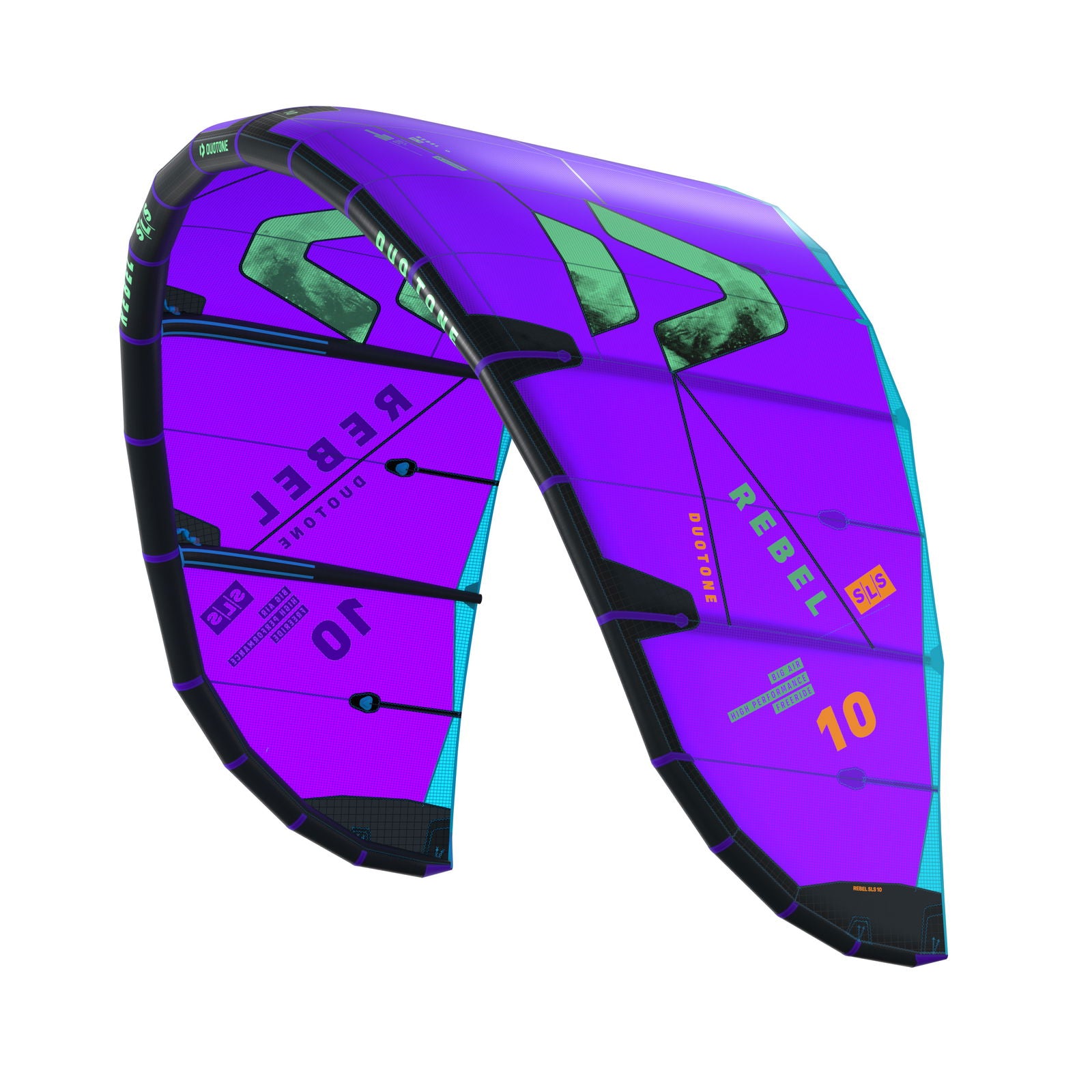
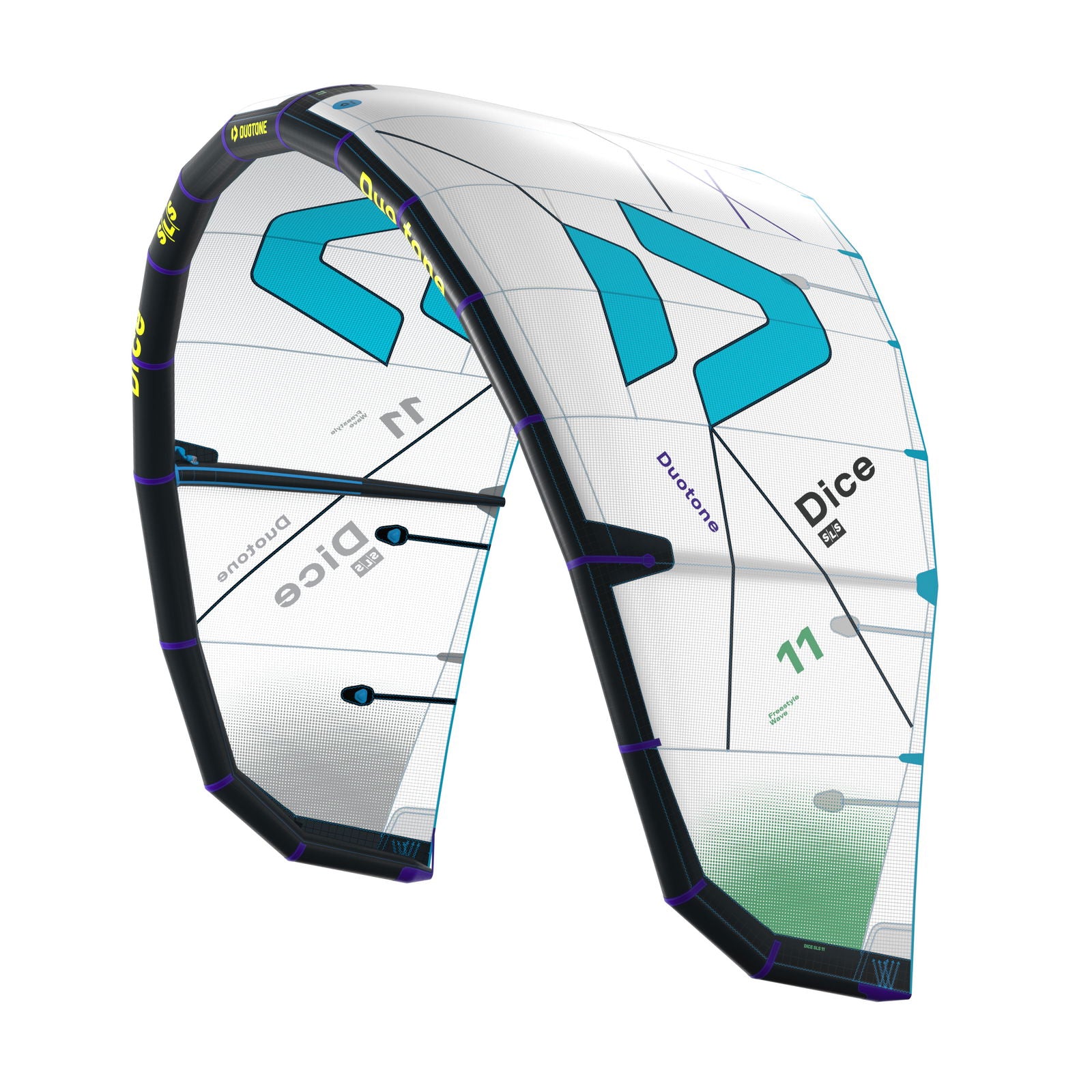
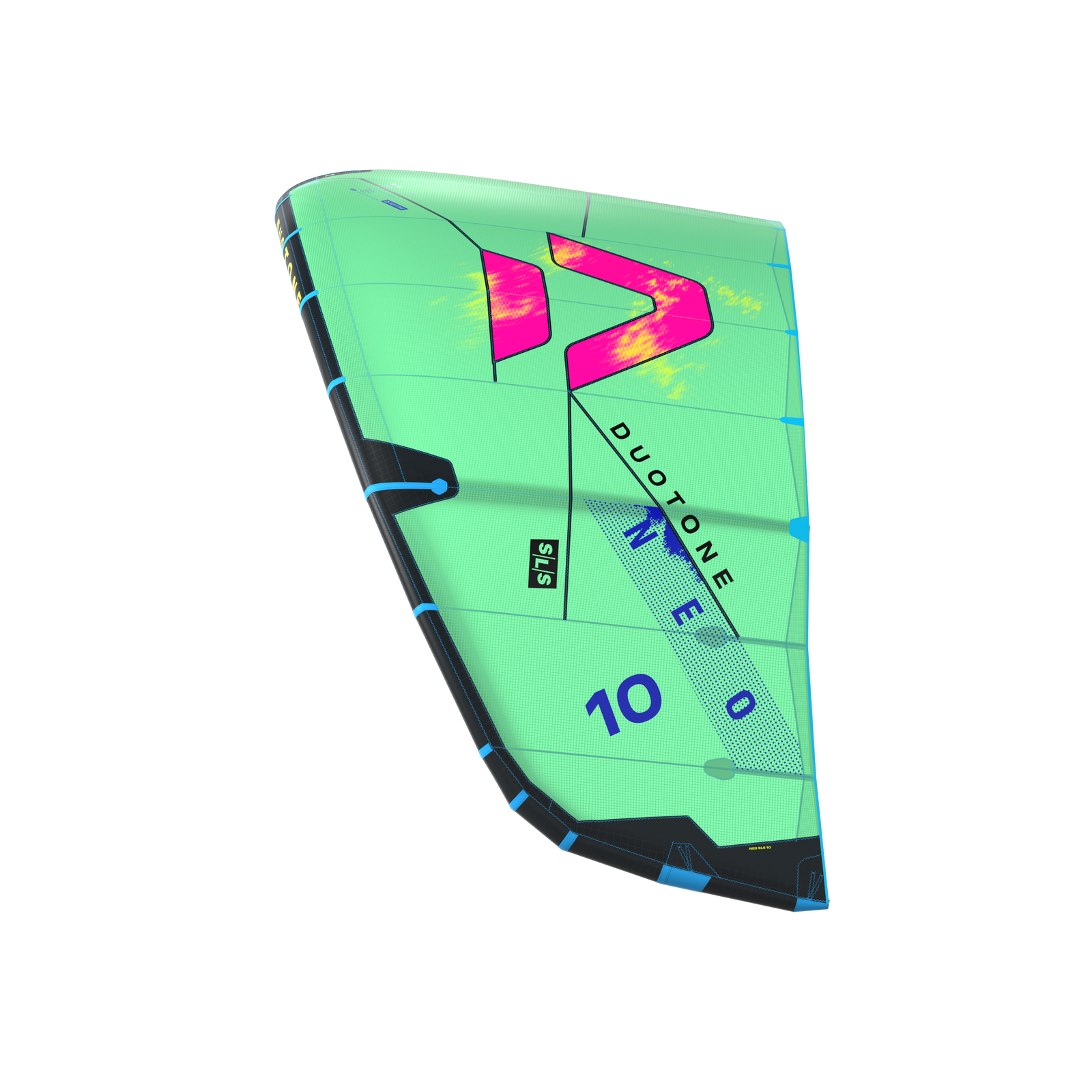
Prices and 2026 specs are pulled live from each product page. Confirm on the product page before checkout.
04 — MistakesThree mistakes we see every week
Ready to pick your first kite?
Browse our current Duotone and Cabrinha lineup — all in stock, all tested by riders who learned in these exact spots.
Frequently asked
Most riders pick up board control in 8–12 hours of instruction spread over 4–5 days. You'll ride simple lines in that timeframe. Real progression takes weeks, but you'll have fun from day one.
Don't yet. Rent a 9 m² or 12 m² for a month in your home wind, then decide. Once you know your local conditions, a 9 m² or 12 m² Duotone Evo SLS or Neo SLS is a solid first purchase.
Tarifa's wind is more reliable and consistent. Dakhla's flat water is easier for balance, but you'll wait for afternoon wind. If you're nervous, Tarifa wins. If you're fit and keen to progress fast, Dakhla's lagoon is unbeatable.
Schools almost always require rental kites so they control safety and liability. Rent for your first trip. Once you own a kite, many schools let you use it in lessons if it's in good shape and certified.