Kitesurfing Taranto Puglia — Spot Guide 2026
Taranto sits where two seas meet on Italy's Ionian coast, and it's one of Europe's best-kept kitesurfing secrets. We've sent dozens of riders here since 2003—thermal winds, flat-water bays, zero crowds. Here's exactly when to go and what kite to pack.
Taranto delivers consistent thermal winds (south and southeast, 12–22 knots, peak April–October), two distinct zones—the calm Mar Piccolo for learning and the open Mar Grande for freeride—and warm water (18–24°C) that lets you ride in a 3/2 suit by May. Spring and early autumn are your best windows. Bring a light, responsive all-rounder like the Duotone Evo SLS.
01 — LayoutGeography: Two Seas, Two Riding Zones
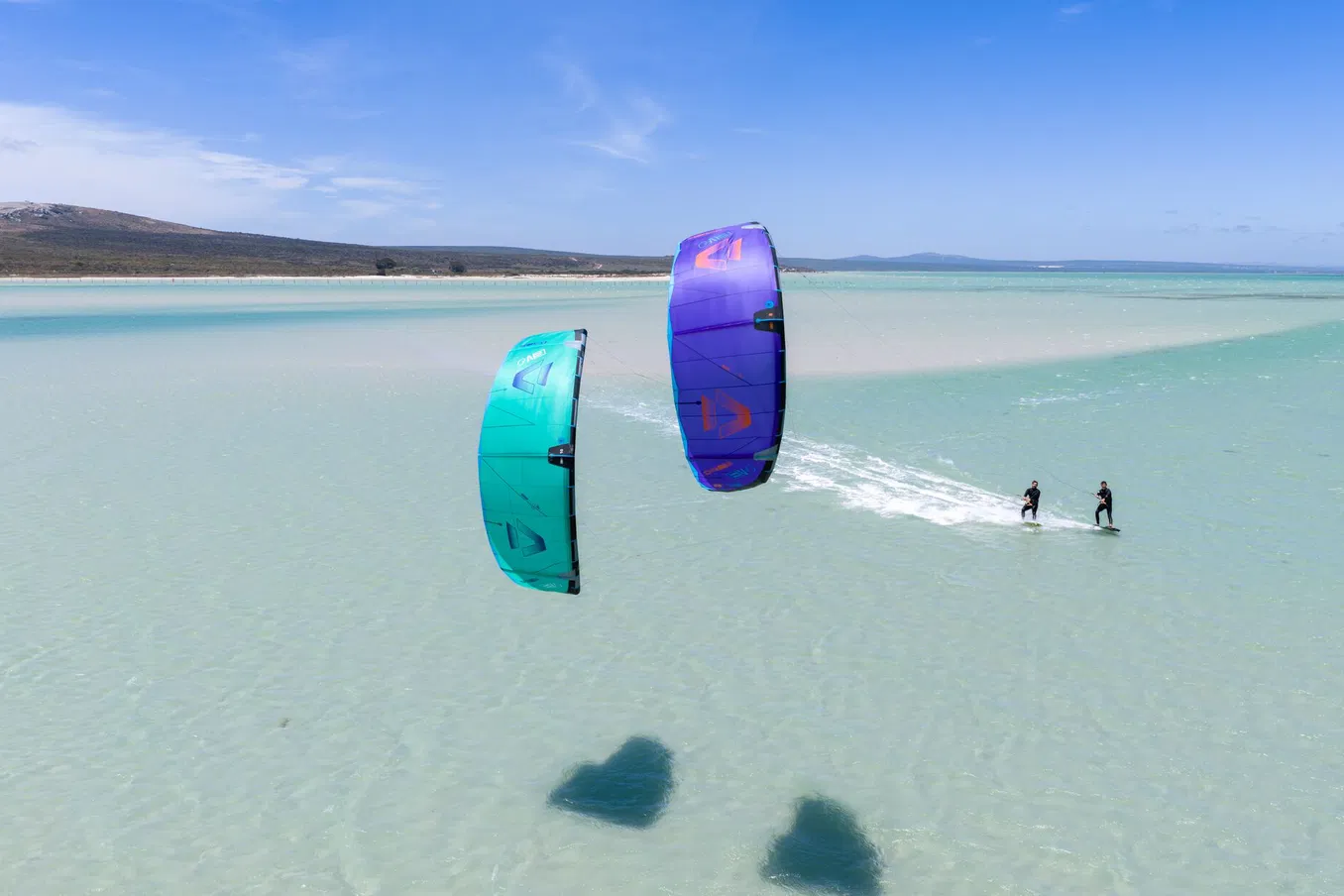
Taranto's real trick is the geography. The Mar Piccolo—the inner bay—stays glassy and protected. It's shallow, warm, and the wind is reliable without the chop you'll find 2 km out in the Mar Grande. If you're learning or want glass, you're there. If you want space and bigger conditions, the Mar Grande opens up across the breakwater.
Most riders we've sent over base themselves near the Cittadella or Rio Grande launch spots. Both have easy access, shallow entry, and rental bars nearby. The Mar Piccolo is 3–4 knots lighter than the Mar Grande on average, so pick your zone by skill and the day's forecast.
02 — ConditionsWind Patterns and Best Season
Taranto runs on thermals. From April through October, you'll see consistent south and southeast winds, usually 12–22 knots by mid-morning. The pattern is textbook: calm dawn, thermal build by 10 am, peak between noon and 4 pm, then a slow drop by evening. Winter (November–March) is lighter and less predictable—expect 8–15 knots with longer lulls.
April, May, September, and October are your gold windows. The water's warm (18–24°C), the thermals are strong and reliable, and the crowds haven't arrived yet. Summer can get busy and the thermals sometimes flip to the northeast, which pushes conditions away from the Mar Piccolo.
03 — Our picksWhat Kite to Bring
For Taranto's 12–22 knot range, a 9 m² and a 12 m² cover almost every day. If you're riding lighter wind days or learning, add a 7 m². Beginners should prioritize a forgiving all-rounder that won't punish you in the Mar Piccolo's shifty thermals.
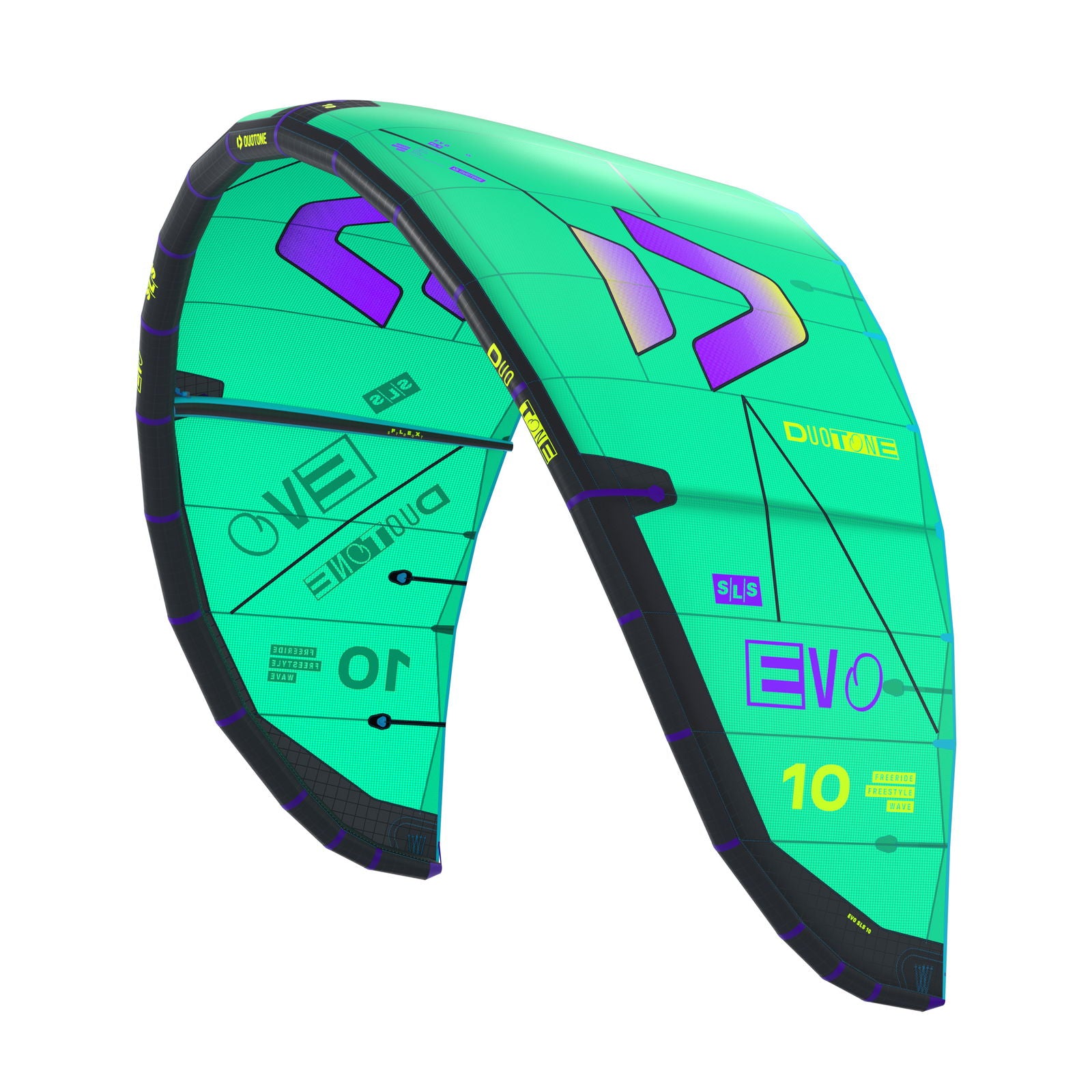
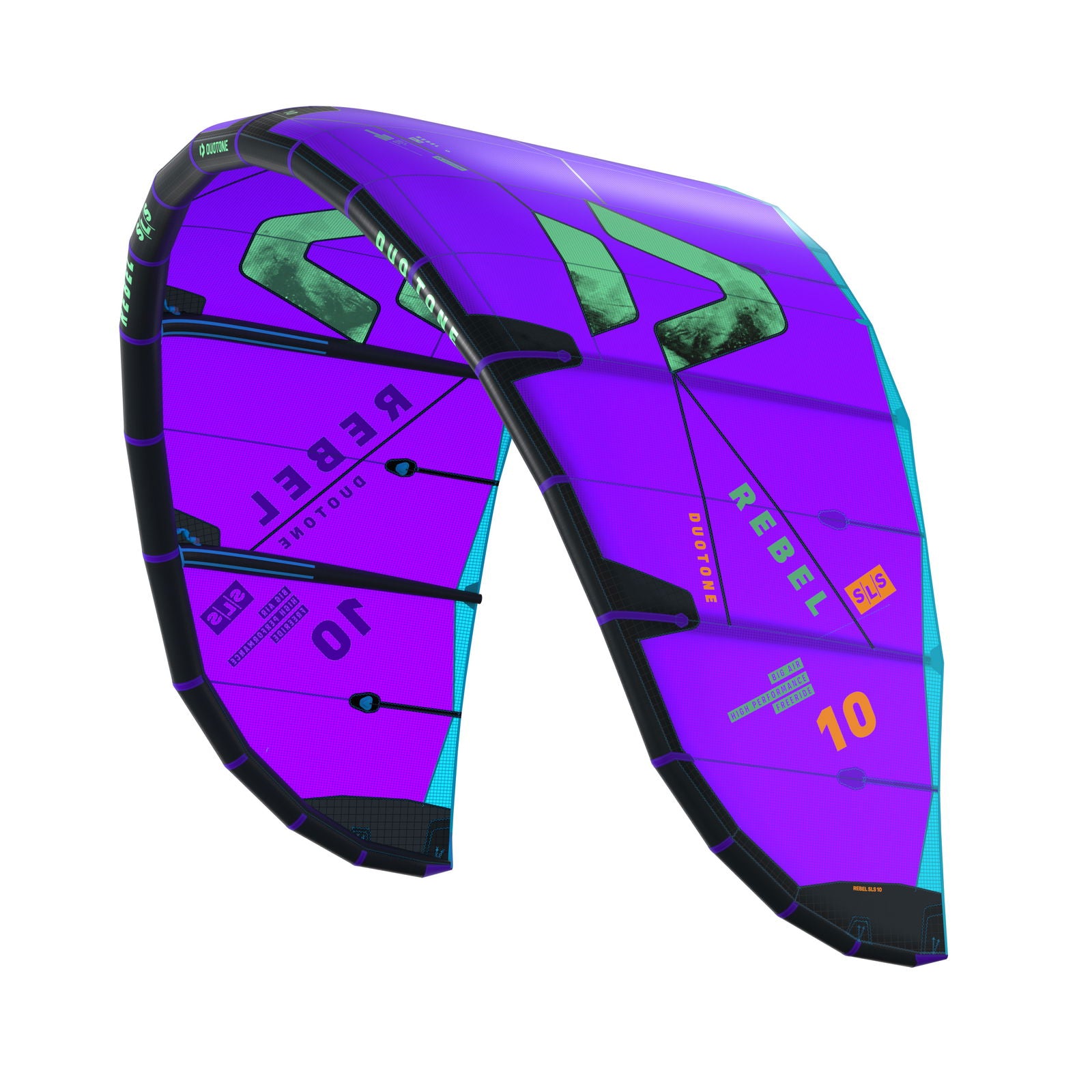
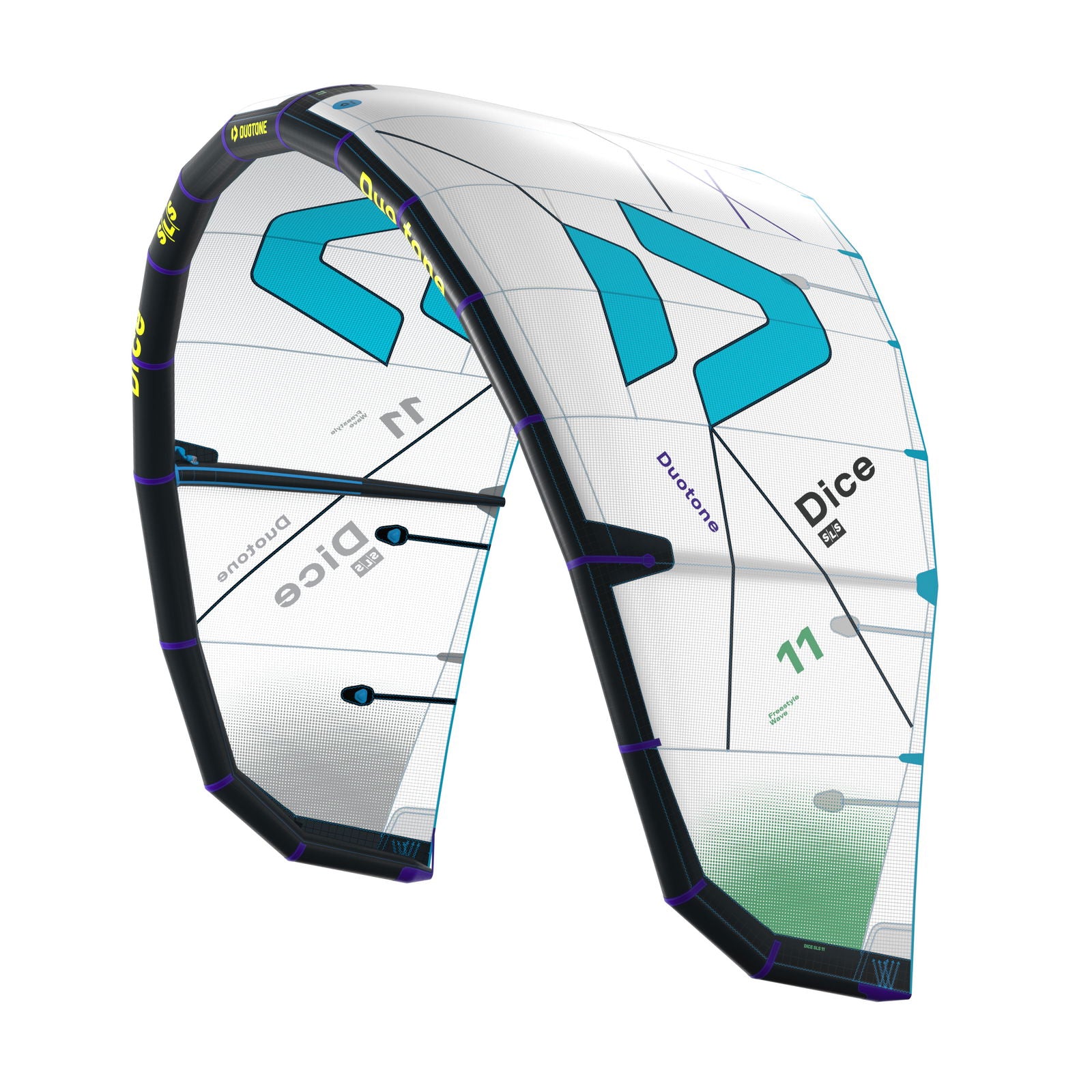
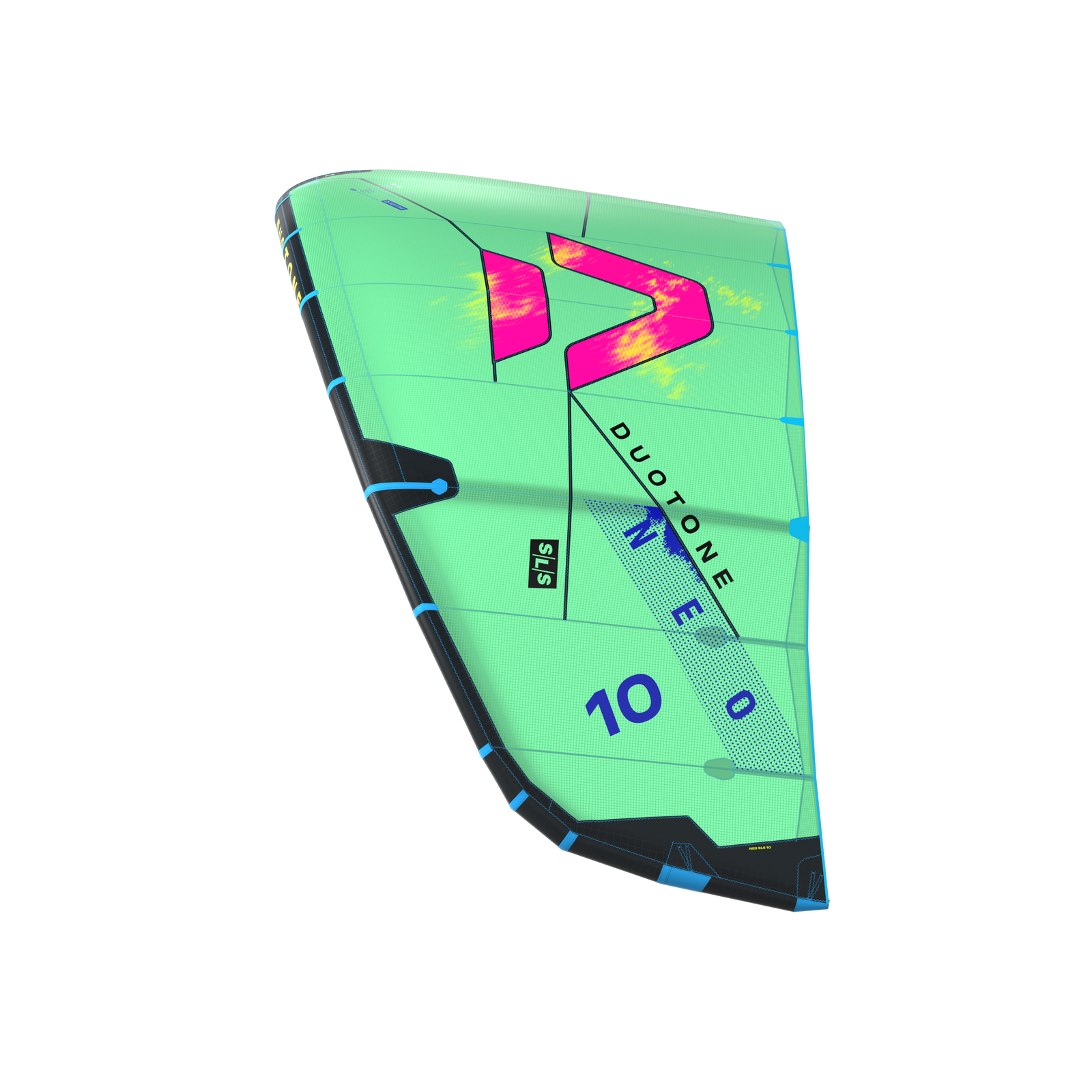
Prices and 2026 specs are pulled live from each product page. Confirm on the product page before checkout.
04 — MistakesThree mistakes we see every week
Ready to gear up for Taranto?
Browse our full range of Duotone kites and find the perfect setup for flat-water riding.
Frequently asked
Start with a 9 m² if you're riding in the Mar Piccolo during thermal season (12–18 knots). Grab a 12 m² for the lighter mornings or bigger-wind days. A 7 m² is only necessary if you're riding late summer or you weigh under 60 kg.
Yes—the Mar Piccolo is textbook beginner terrain. Flat water, predictable thermals, and shallow entry. Stick to the inner bay and you'll progress fast.
April–May and September–October. The thermals are consistent, the water's warm, and you'll avoid the summer crowds and unpredictable wind shifts.
No. A 3/2 mm suit is enough from May onward. Even in March and April, a 4/3 mm keeps you comfortable. Winter (November–February) calls for a 5/4 mm if you're staying in the water all day.