Kiteboard Size Guide — By Weight & Riding Style
Your kiteboard size isn't a guess—it's math. Get it right and you'll pop upwind effortlessly; get it wrong and you're either dunking or wrestling the board. We'll show you exactly how to find your sweet spot.
Multiply your weight in kg by 1.5–2.0 to find your ideal board volume in litres. Freestyle riders lean toward 1.5; wave riders, heavier bodies, and light-wind conditions call for 2.0 or above. A 70 kg rider might sail anything from 105–140 litres depending on style and wind. Start with a board in the middle of your range and adjust from there.
01 — Core sizing mathsThe Weight-to-Volume Formula
The formula is dead simple: take your weight in kilograms and multiply it by 1.5 to 2.0. That number is your ideal board volume in litres.
A 60 kg rider lands between 90–120 litres. An 85 kg rider sits in the 127–170 litre range. We've shipped thousands of boards since 2003, and this ratio holds true across every rider we've worked with. The lower end (1.5×) works if you're light, confident, and chasing tricks. The higher end (2.0×) is your friend if you're heavy, learning, or sailing in patchy wind.
02 — Finding your rangeRiding Style & Wind Conditions
Freestyle and tricks: You want a board that responds instantly and lets you spin without fighting. Go for 1.5–1.7× your weight. Less volume means easier flips, pops, and slides. You'll need consistent wind (15+ knots) to make it work.
Wave riding: You need something compact and nimble for tight turns. Stay in the 1.5–1.8× range, and pick a shorter, narrower board (think 135–138 cm). This gives you drive in choppy water.
Freeriding and light wind: Go high—1.8–2.0×. More volume keeps you floating and moving in 10–12 knot breezes. Riders from Tarifa to Cape Town tell us this is the sweetspot for everyday sessions when the wind's inconsistent.
03 — Our picksOur 4 In-Stock Picks
All four boards below are built for different riders and styles. Pick the one that matches your weight and what you actually do on the water.
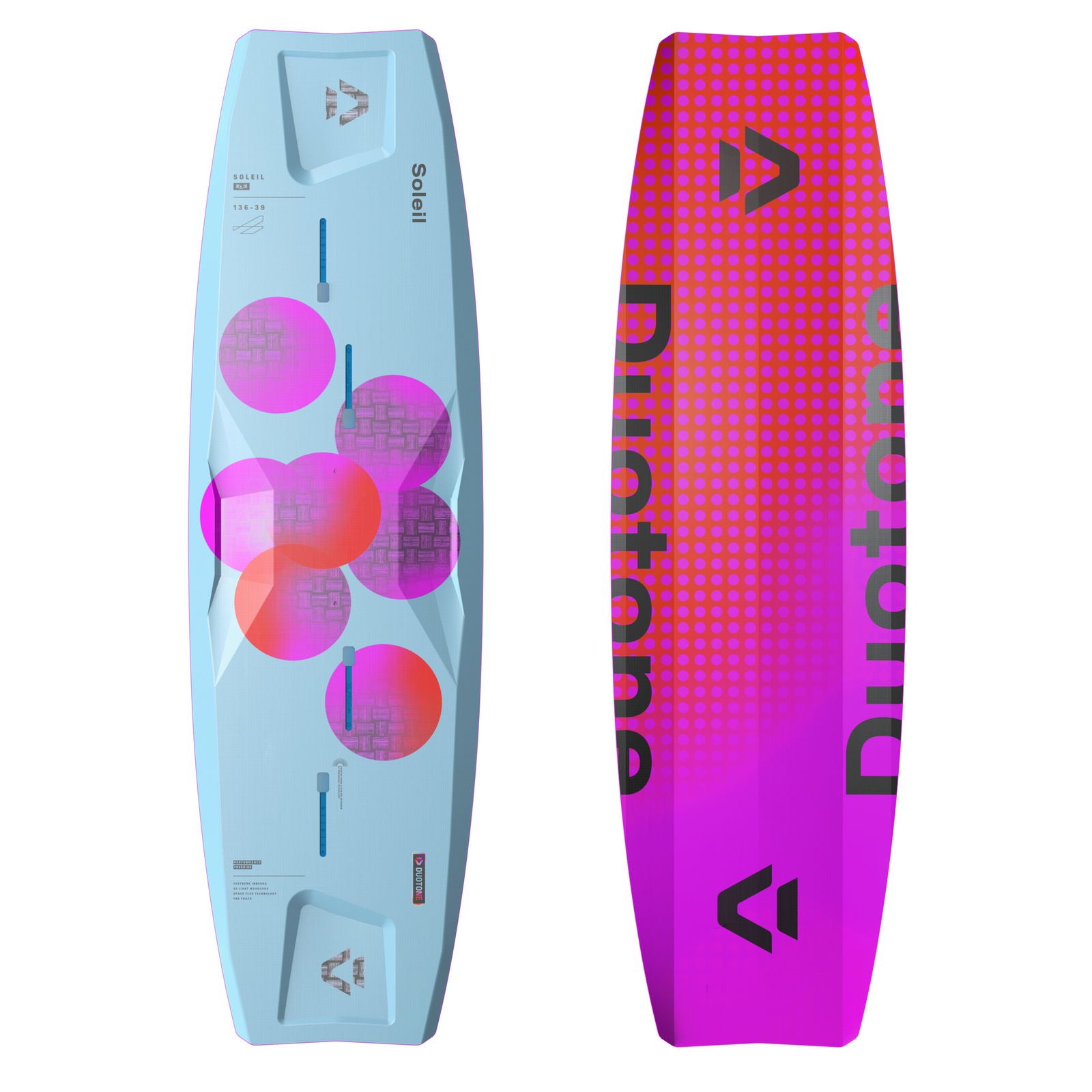
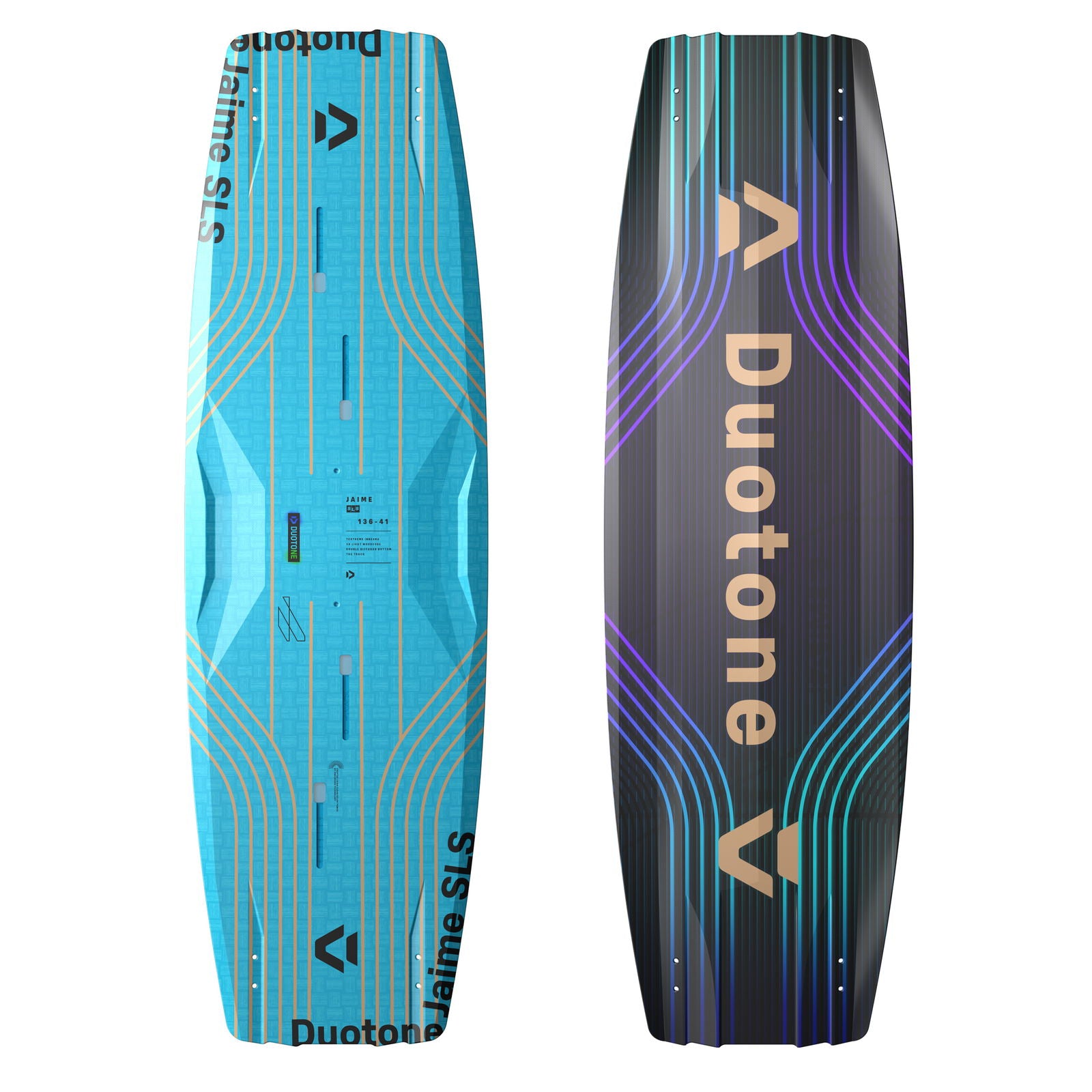
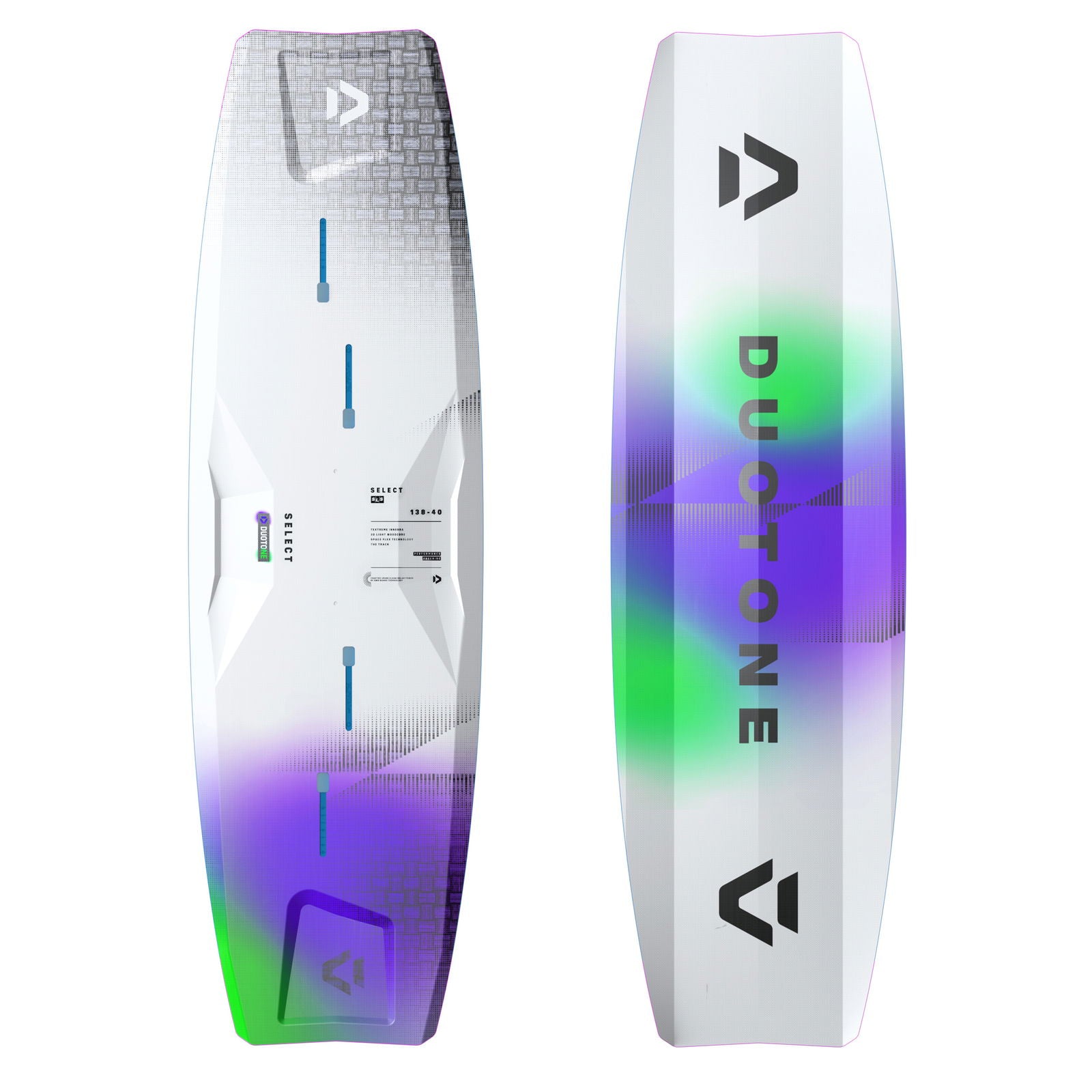
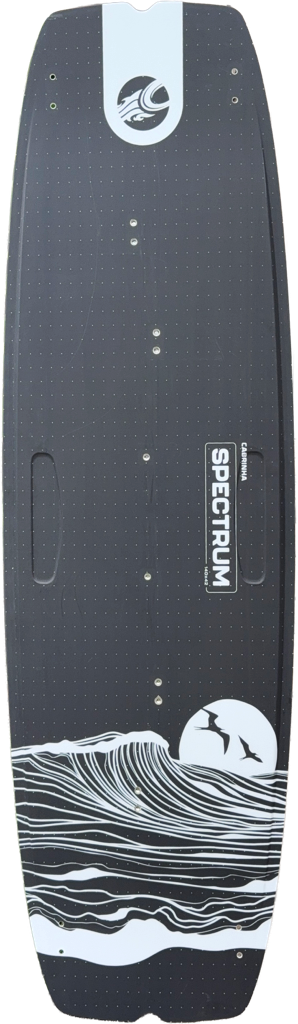
Prices and 2026 specs are pulled live from each product page. Confirm on the product page before checkout.
04 — MistakesThree mistakes we see every week
Ready to find your size?
Browse our full twin-tip range and filter by volume—we stock everything from 130 to 150 cm.
Frequently asked
Always start with the larger board. You can dial it in with smaller kites if needed, and it's safer in light wind. Moving up after buying small is expensive.
Not necessarily. A good mid-range board (around 1.8× your weight) works in 10–25 knots. If you sail 15–35 knots regularly, a smaller freestyle board makes sense too.
Yes, if you're skilled. Smaller boards need more bar pressure and technique. Most riders are happier on a slightly bigger board they can control.
The multiplier (1.5–2.0×) assumes average build. If you're muscular and heavy, you might sail on the lower end; if you're lighter-boned, stay toward the high end.