Best Time of Year to Kitesurf in Europe — Monthly Guide
Europe's best kiting seasons split into three clear windows: autumn Atlantic storms, spring thermal lows, and winter Mediterranean heat. We'll walk you through each month so you book the right week at the right spot.
Peak kiting runs September to November (Atlantic coast) and March to May (spring lows across the continent). The Mediterranean fires in winter. Summer is dead—don't plan a trip. Pick your spot by region, not by a single month.
01 — Peak seasonStrongest winds: Autumn Atlantic Peaks (September–November)
September through November is when we see the most consistent wind across the Atlantic coast. Tropical systems migrate north, Atlantic lows deepen, and you're still warm enough to ride without heavy neoprene. France's Bay of Biscay, Spain's northern coast, and Portugal's windward beaches all light up.
By October, riders are hitting 12–20 knots most days. You'll want a 9 m² or 12 m² kite for this window. If you're chasing smaller boards and lighter touch, this is your season. Most of our Tarifa regulars pack a 7 m² as backup by November, but 9 m² stays the workhorse. Expect short, sharp sessions—wind often dies by afternoon.
02 — Rising thermalsThermal lows and spring energy: March–May
Spring brings thermal lows inland. As land warms faster than sea, pressure differences pump wind from the coast inward. This opens up spots across France, Germany, and inland lakes alongside the Atlantic. You get 10–18 knots, often building through midday.
March starts cool—grab a 5/4 mm suit. By May you'll drop to 3/2 mm. The Atlantic is warmer now, but Mediterranean spots (Greece, Turkey, southern Italy) still demand respect. We've shipped more 9 m² and 12 m² kites in April than any other month since 2003. Spring also means lighter gear works: the Duotone Neo SLS 2026 is built for these conditions—forgiving, responsive, no fuss.
03 — Our picksWinter Med and summer dead zones
Winter (December–February) fires the Mediterranean—Tarifa sees katabatic wind, Greece and Turkey thermal thermals, and spots around Cyprus push 15–25 knots on good days. Summer is brutal: thermal winds collapse, Atlantic spots go flat, and tourists clog the beaches. Skip June–August unless you're chasing one specific event.
Here are four kite picks that cover most of Europe's annual window:
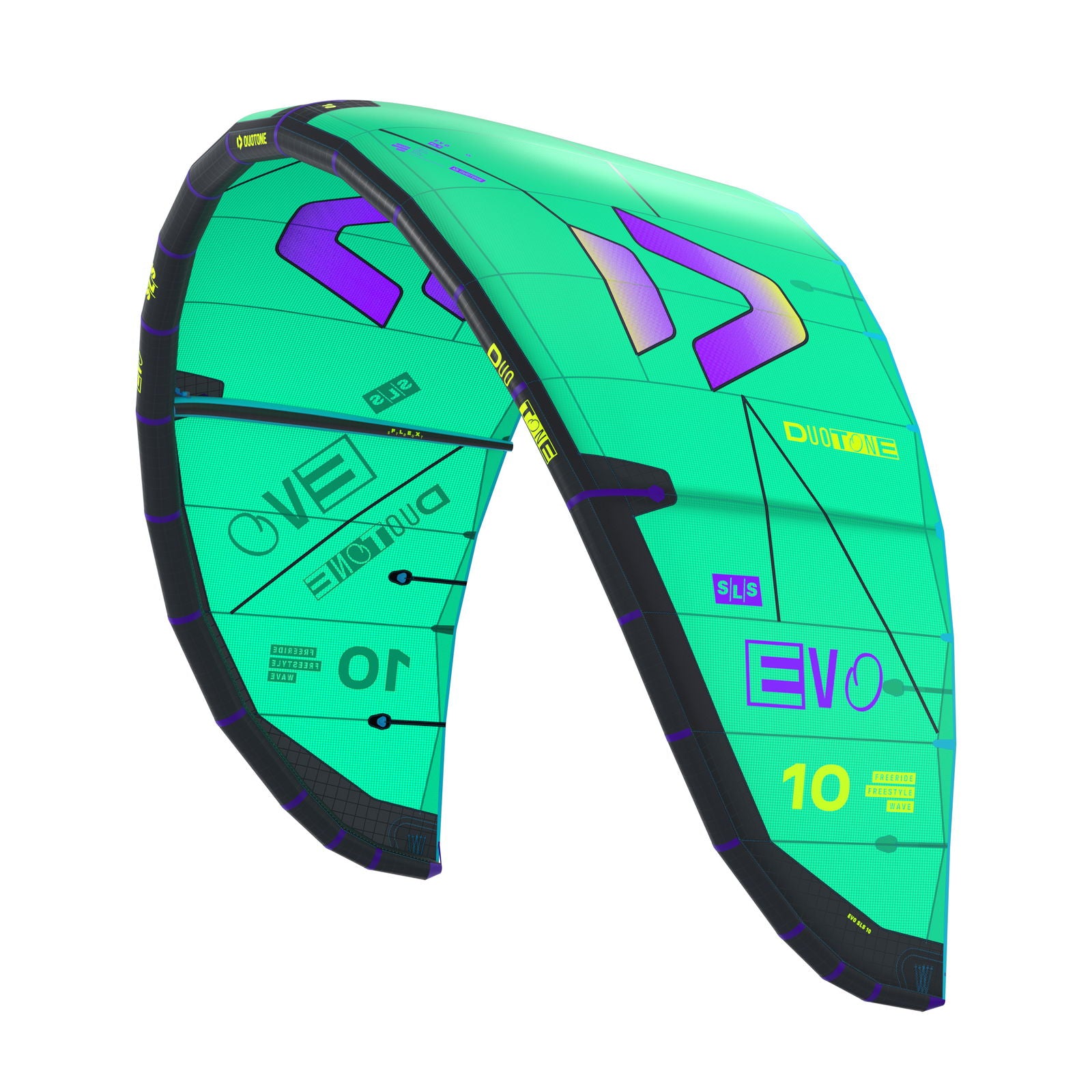
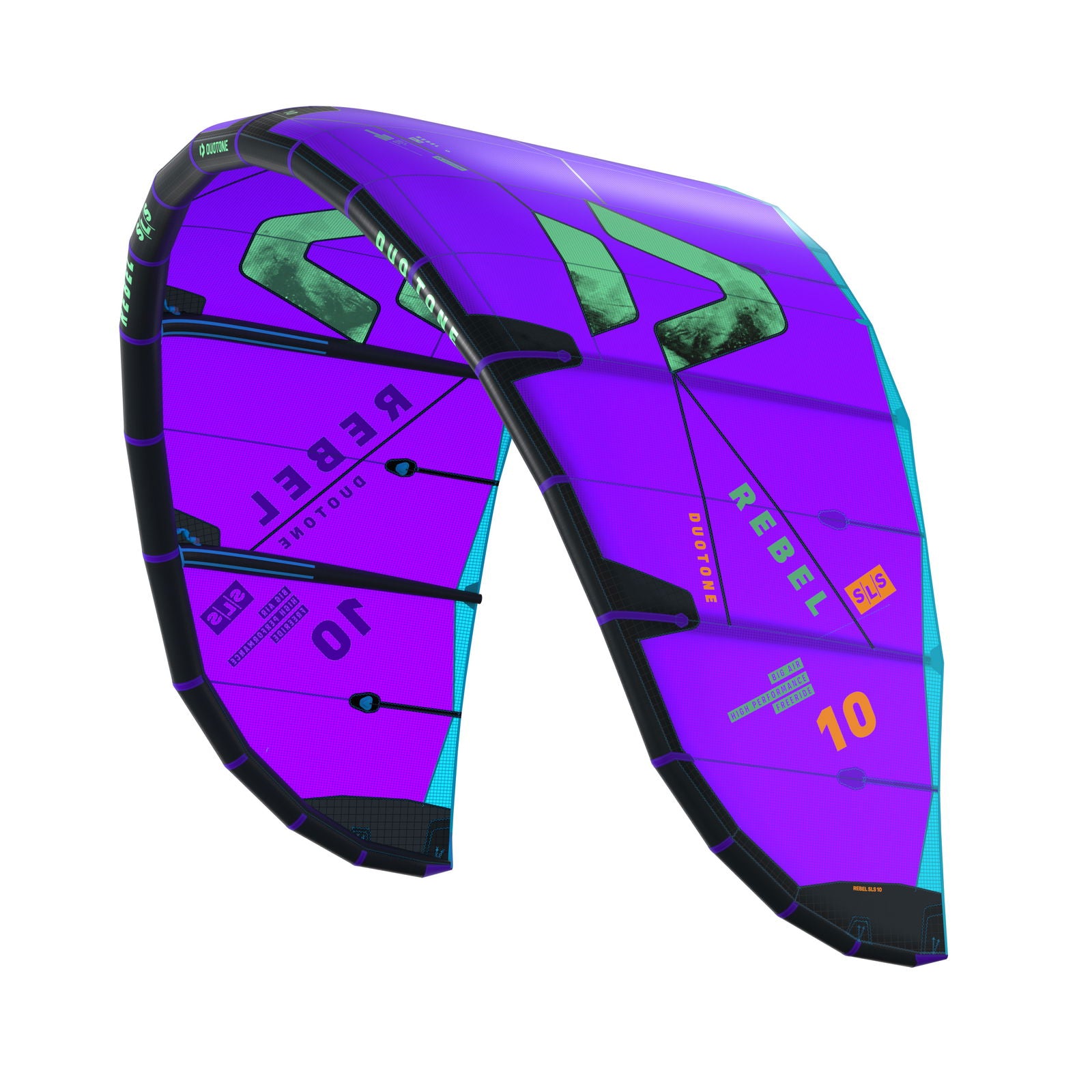
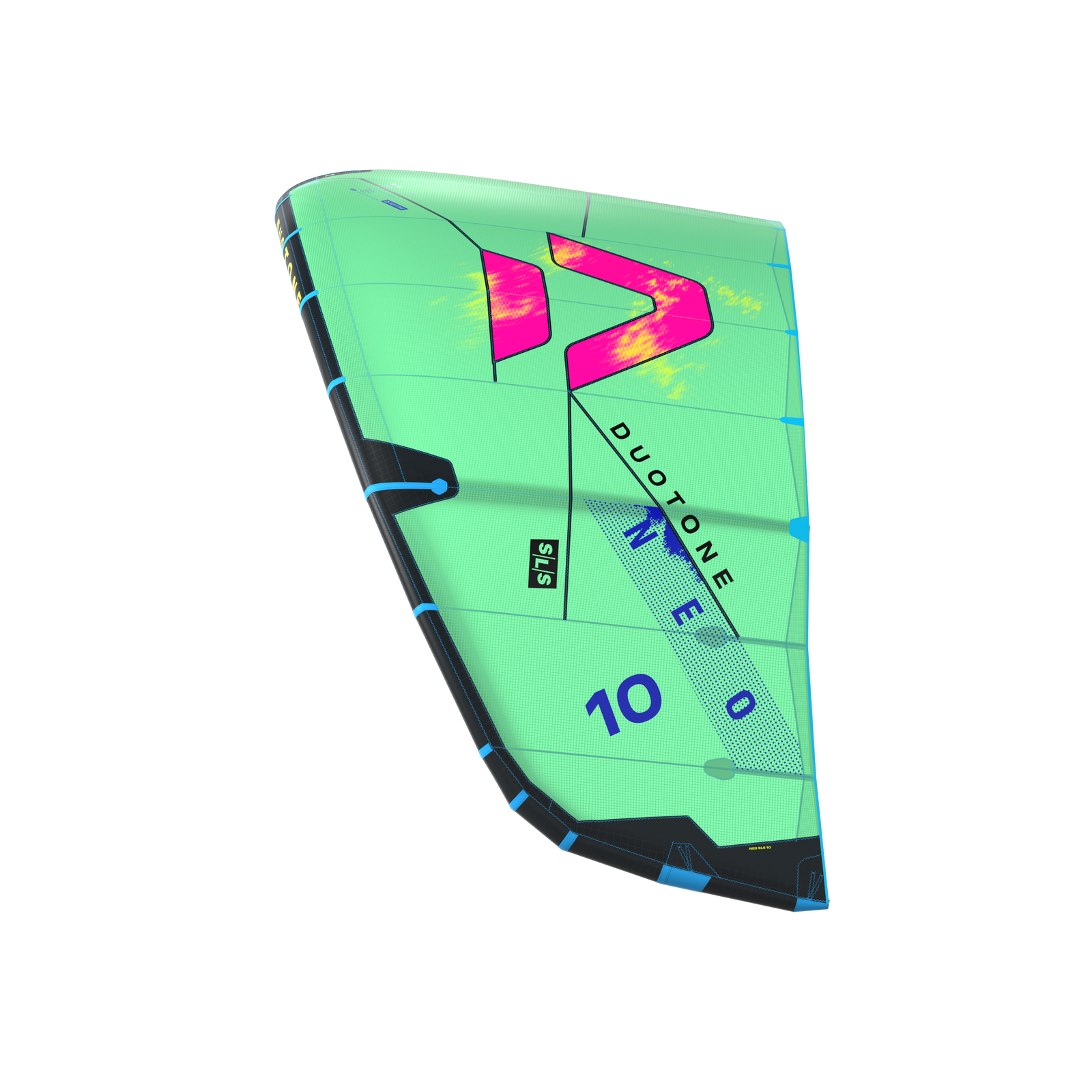
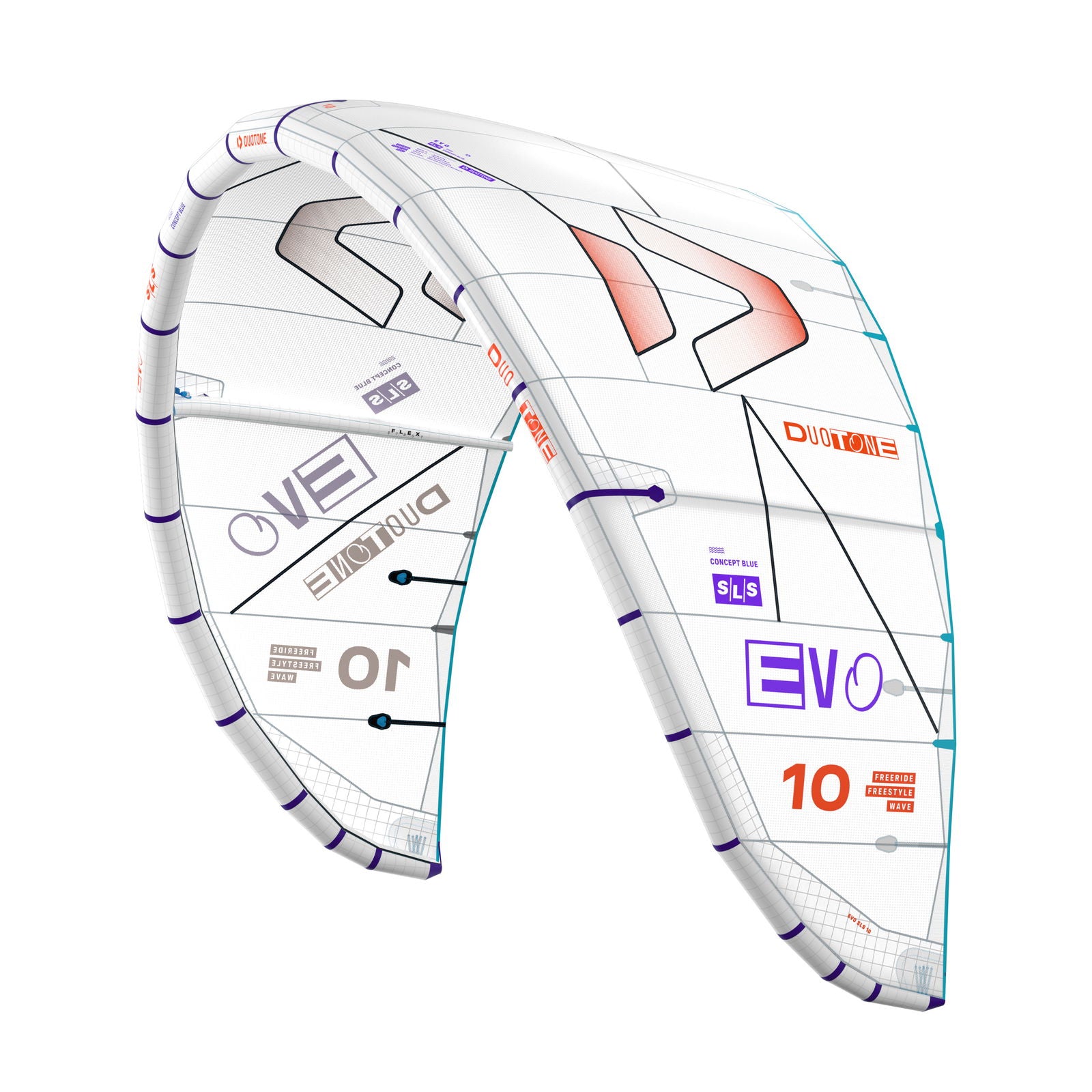
Prices and 2026 specs are pulled live from each product page. Confirm on the product page before checkout.
04 — MistakesThree mistakes we see every week
Ready to book your trip?
Check our kite range and find the sizes and models that suit your chosen season.
Frequently asked
A 9 m² is the sweet spot for autumn Atlantic. If you're lighter or prefer waves, bring a 7 m² as well. If you hit flat spells, a 12 m² keeps you riding.
Yes. December–February is thermal heaven around Greece, Turkey, and southern Spain. Water is cold (12–14°C), so pack a 5/4 mm suit. Wind is reliable, not huge—10–18 knots most days.
June through August is flat across almost all of Europe. Tourist season compounds it. Plan a different hobby for summer or chase a specific event.
Not necessarily. A 138–142 cm twin-tip handles autumn and spring well. In winter Med, slightly wider boards (42–44 cm) give you float in lighter wind. One board covers most riders most of the year.