Kitesurfing Self-Rescue — Step-by-Step Guide
Self-rescue isn't flashy, but it's the one skill that saves you when the wind dies, your board drifts, or you end up too far out. We'll walk you through depowering, staying calm, and getting back to shore under your own control.
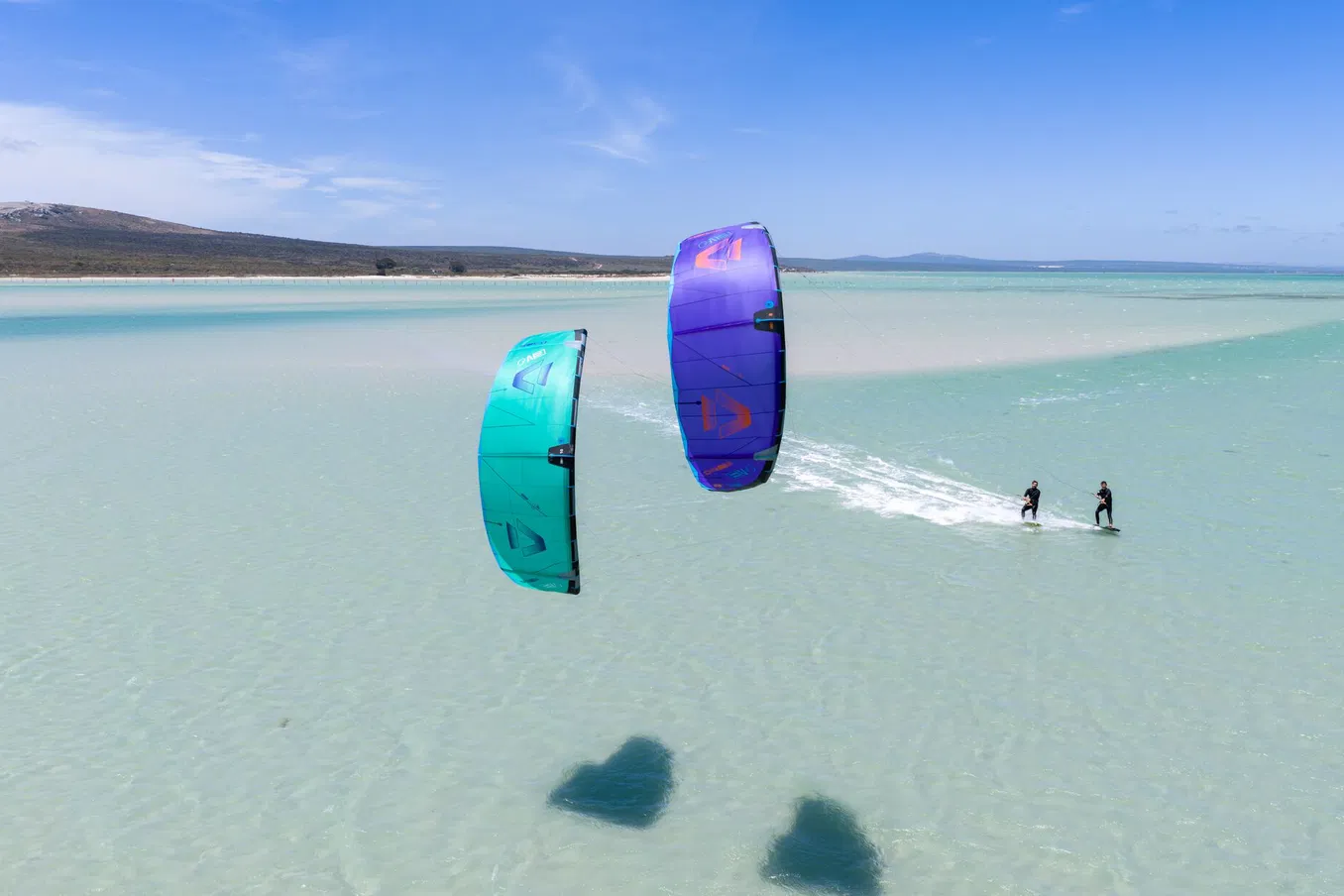
Self-rescue means depowering your kite completely, lying flat on your board, and drifting downwind back to shore. Angle your kite hard to the edge of the wind window, grab your board, stay horizontal, and let the wind push you toward land. A forgiving all-rounder like the Duotone Evo SLS 2026 gives you the confidence to practise this essential move.
01 — SafetyStep 1: Depower Your Kite First
The moment you realise you need to self-rescue, your only job is removing all power from your kite. Don't panic. Angle your kite hard to the edge of the wind window—12 o'clock or 6 o'clock position—so it's completely out of the power zone. If you can't do that, release your bar fully. Your kite will lose all tension immediately.
Once your kite's depowered, it won't pull you. You're no longer fighting against it. This is the mental reset point: you're now in control, not the wind.
02 — Staying AfloatStep 2: Board Position and Body Control
Grab your board and lie flat on it—chest down, arms spread for stability. Don't stand up, don't sit. Flat means you're low and stable in the water, and it keeps your weight centered. If you're bouncing or sliding around, you'll lose the board.
Let your body relax and drift downwind. Your kite, still depowered overhead, won't fight you. You'll drift naturally toward shore because wind pushes everything downwind. Keep your head above water and your eyes on land. Most drifts take 5–10 minutes depending on wind strength and how far out you are.
03 — Our picksOur 4 In-Stock Picks
We've stocked these Duotone kites since 2003 because they depower cleanly, forgive mistakes, and build real confidence for your safety practice. Each handles the edge-of-window move without drama.
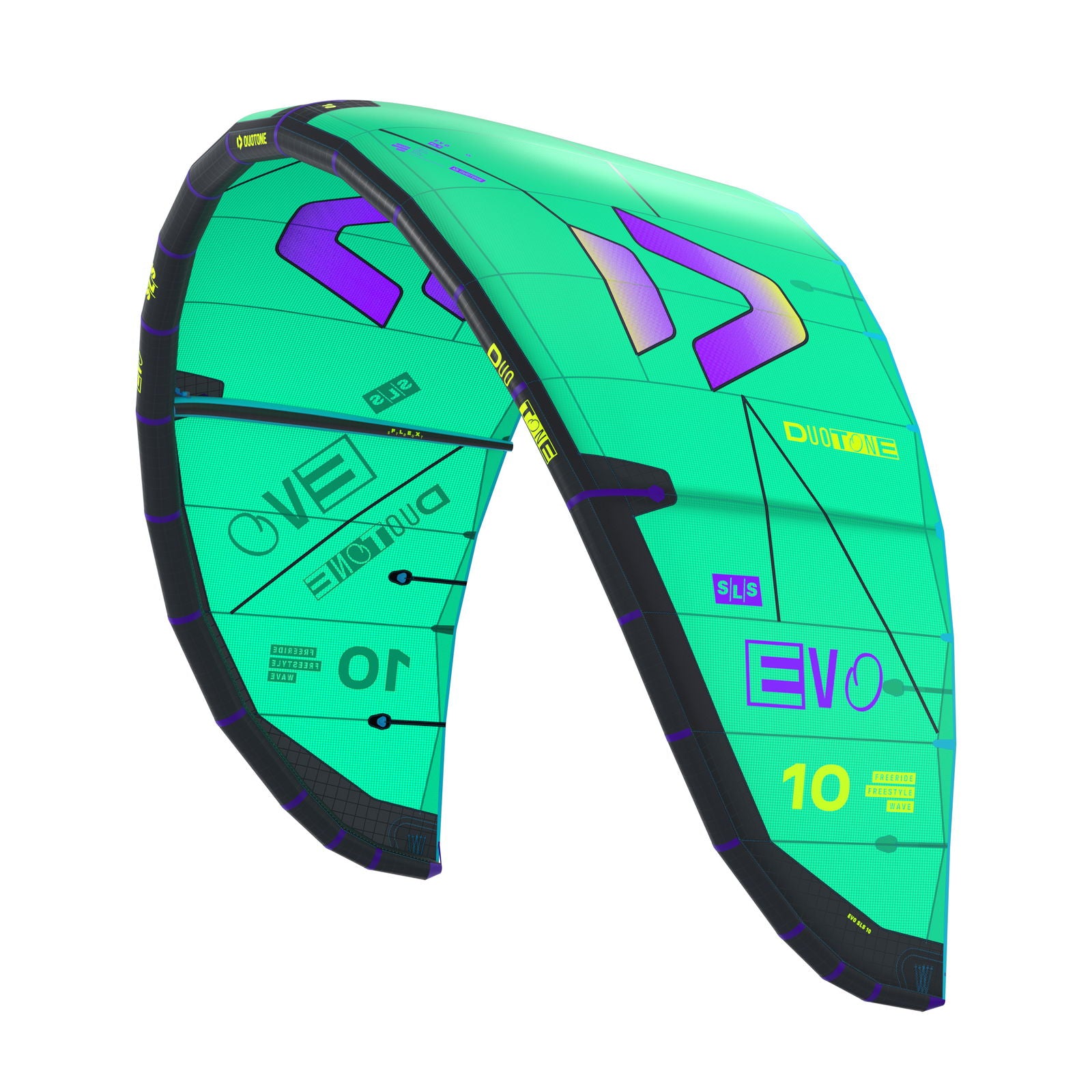
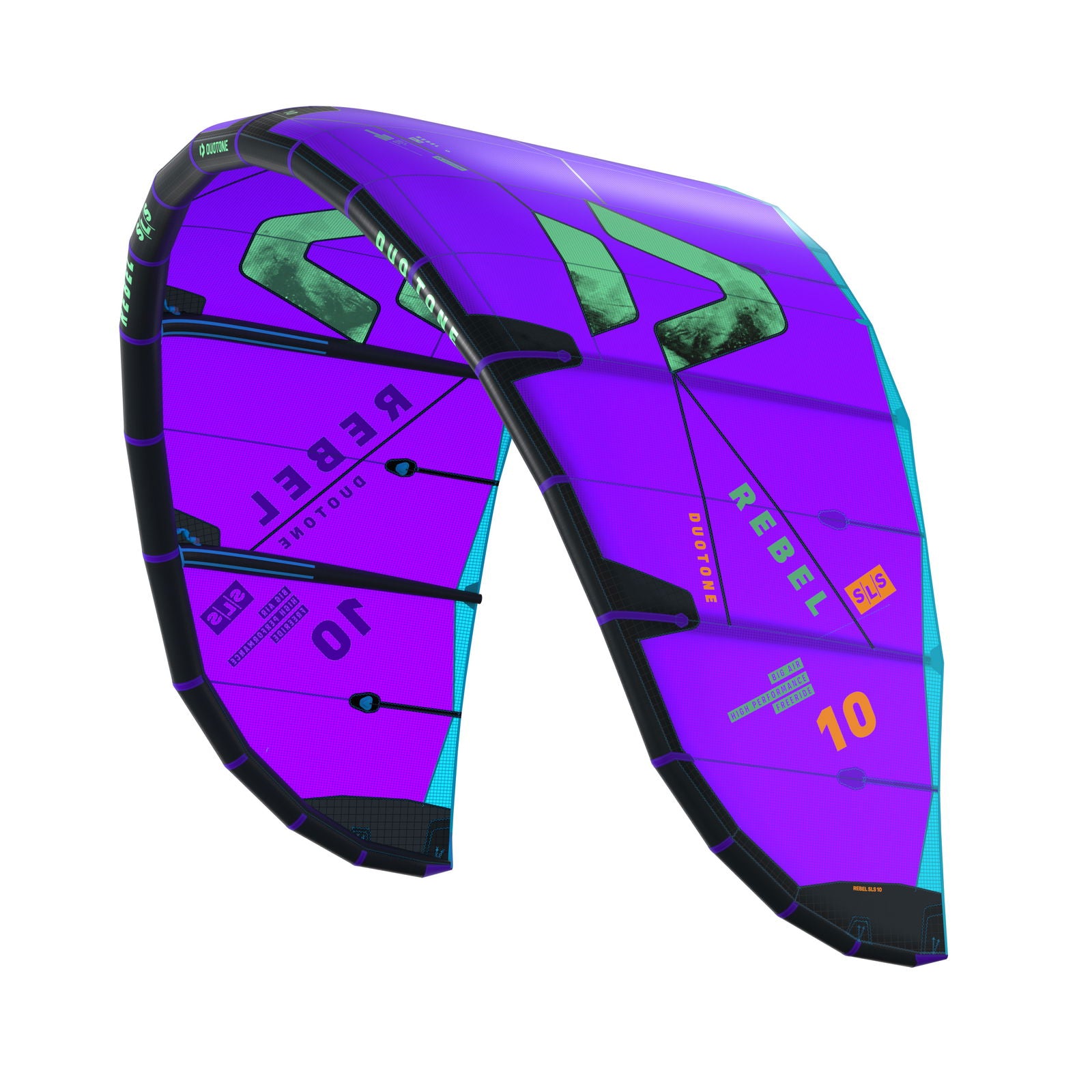
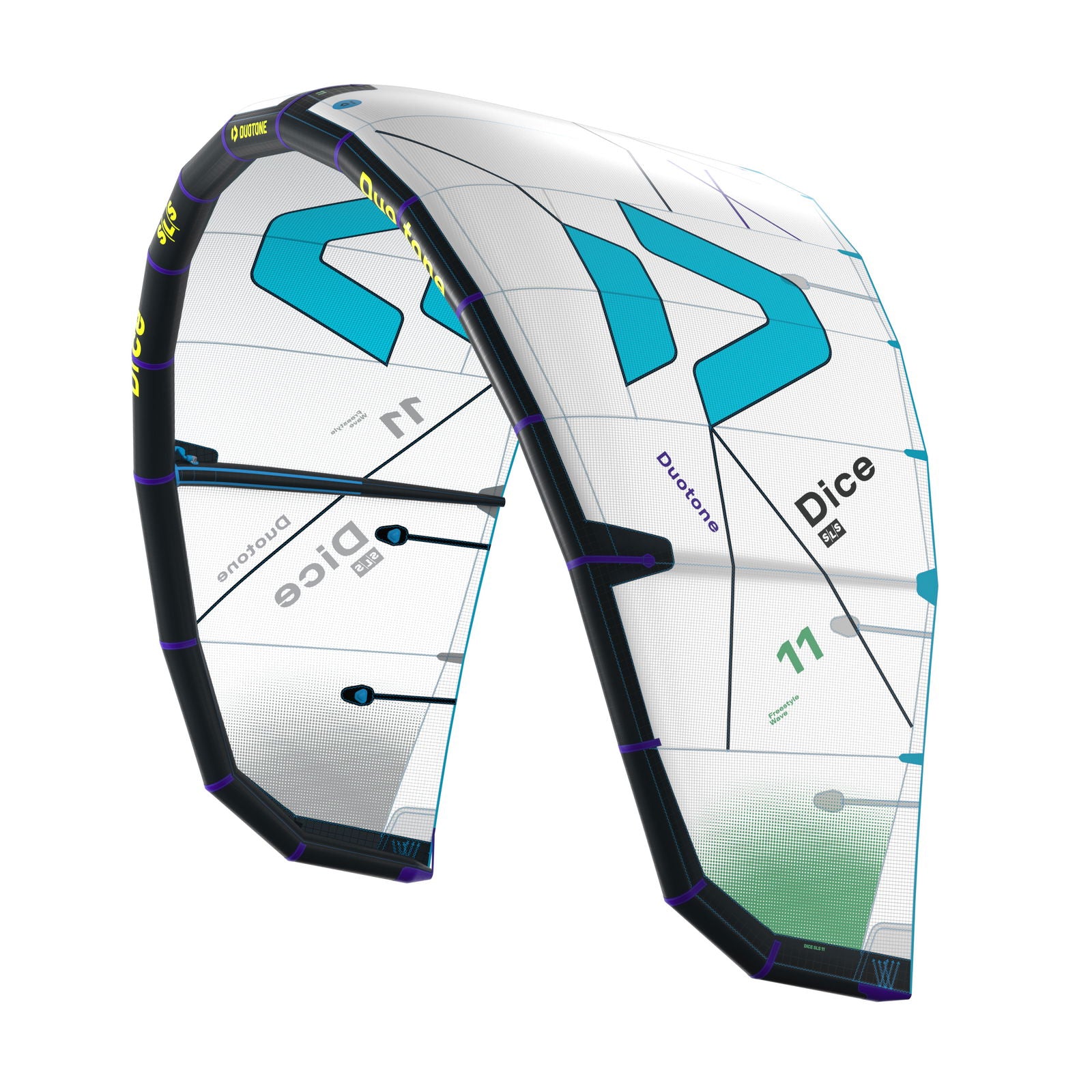
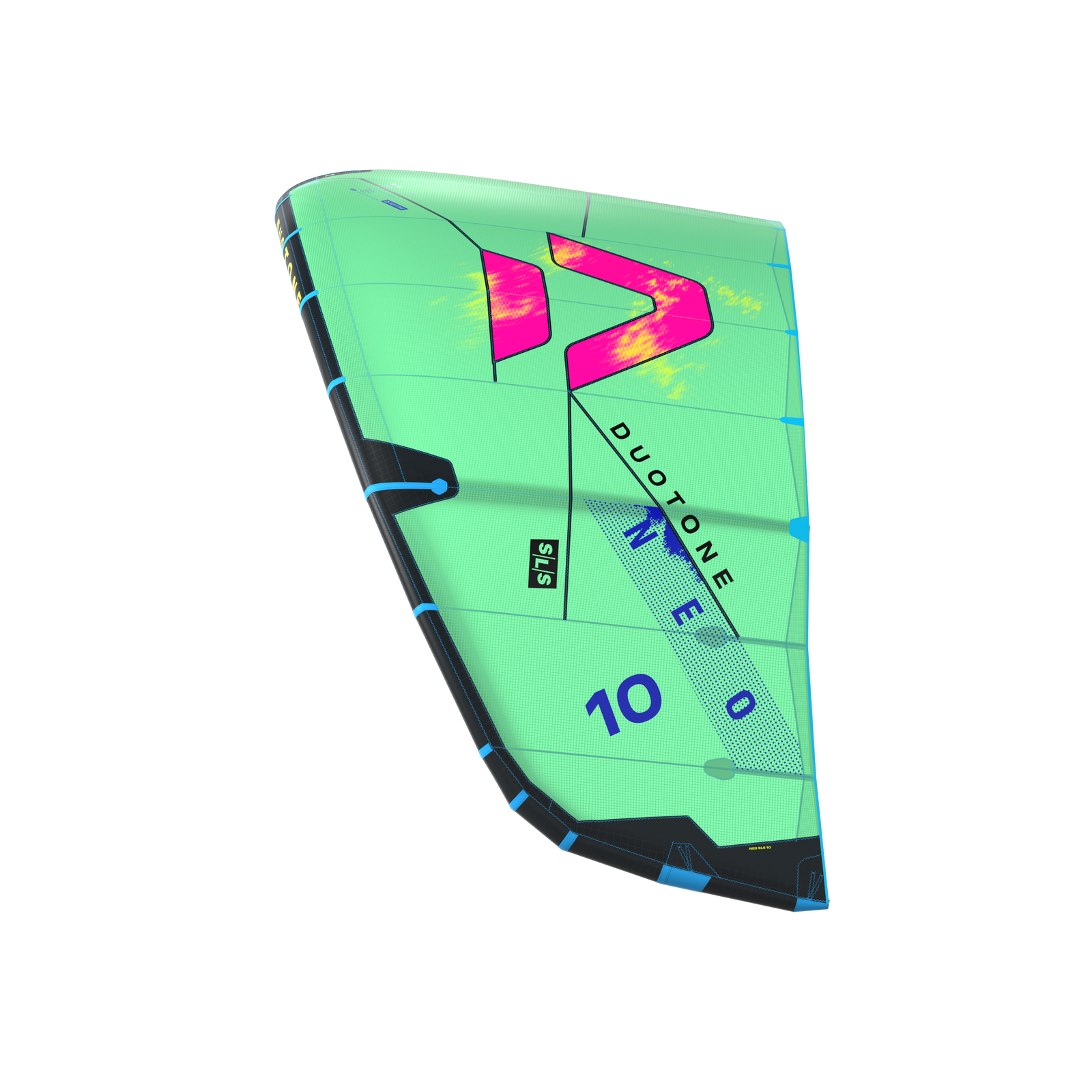
Prices and 2026 specs are pulled live from each product page. Confirm on the product page before checkout.
04 — MistakesThree mistakes we see every week
Ready to practise your self-rescue?
Browse our Duotone, Cabrinha, and Gaastra kites—all tested for clean depowering and beginner-friendly handling.
Frequently asked
A 9 m² or 12 m² in 12–18 knots gives you enough control to depower cleanly without overpowering. Lighter riders should lean toward 9 m²; heavier riders toward 12 m².
Depends on wind speed and how far out you are, but most drifts take 5–15 minutes. Stay flat, stay calm, and you'll reach the beach.
No. Your harness keeps you connected to the board. Keep it on. Just unclip your bar or angle your kite to depower.
Release the bar completely and let it sit slack in the water. Within seconds, your kite will lose all power and hang neutral. Don't fight it—just let go.