Cabrinha Switchblade 2026 — All-Round Kite Review
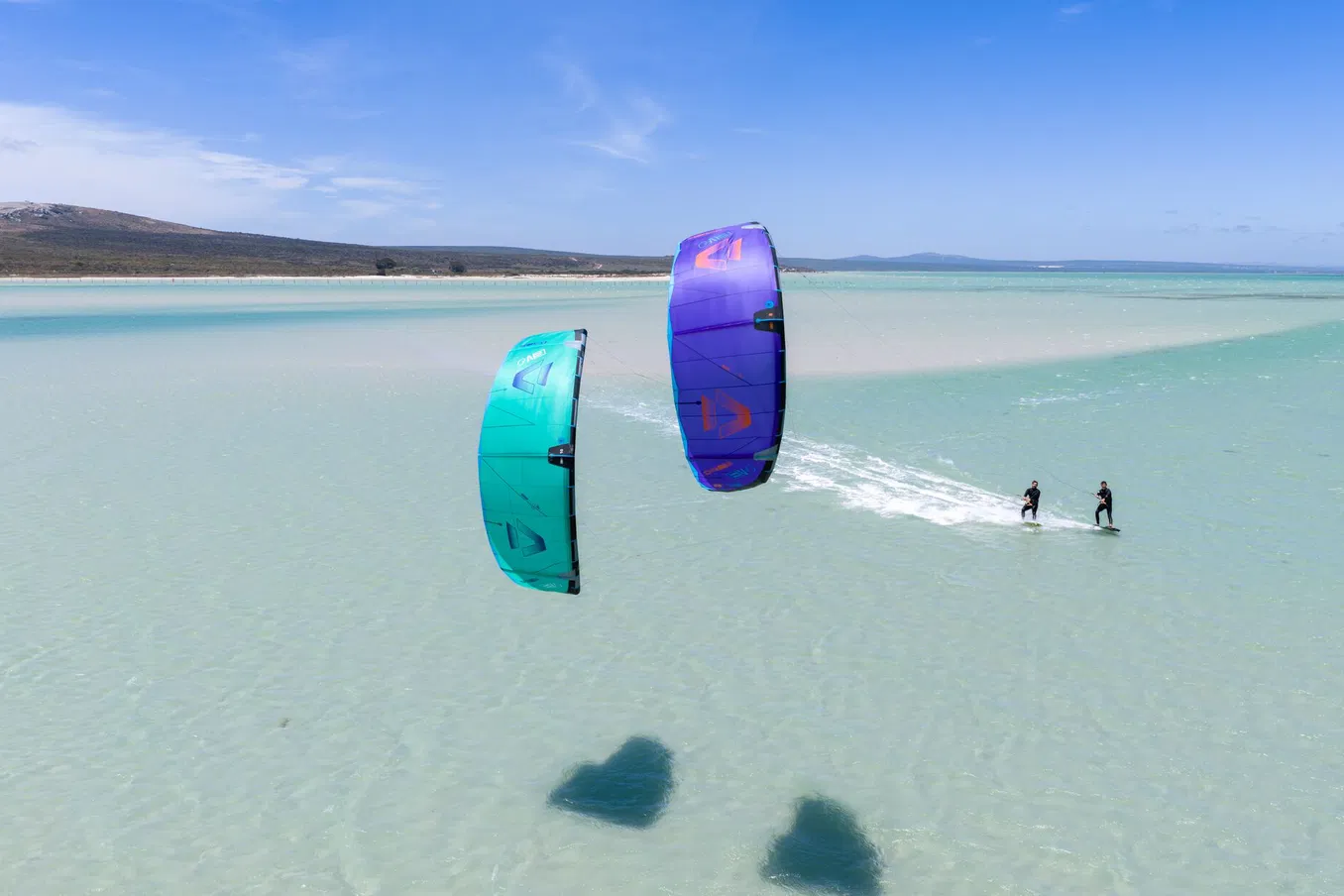
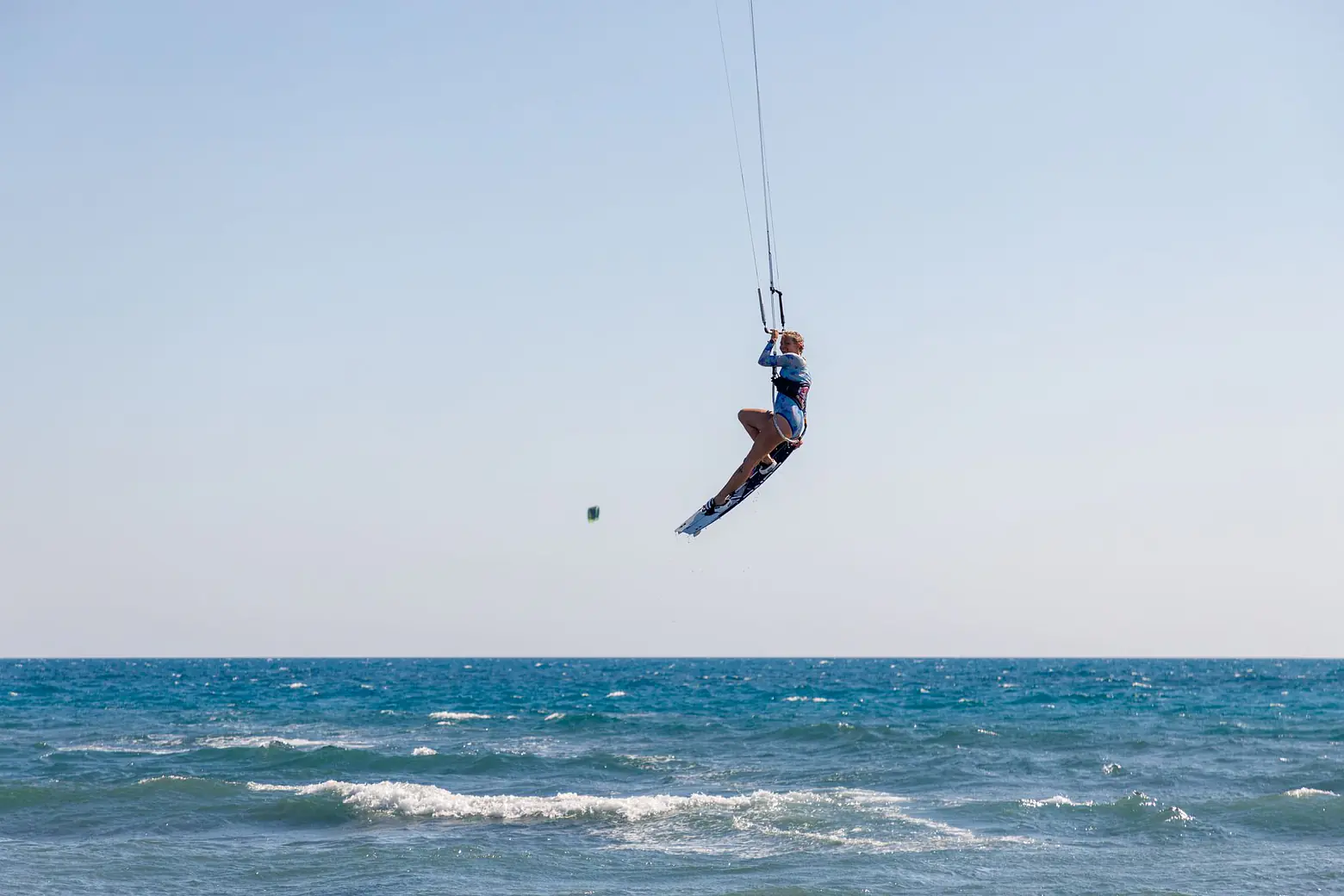
The Cabrinha Switchblade Apex 2026 does what most all-rounders promise but rarely deliver: it stays predictable and smooth whether you're riding light Tarifa mornings or solid Atlantic blows. We've stocked these since launch, and riders keep coming back because it just works.
The Switchblade Apex 2026 is a forgiving all-rounder built on Apex Technology that delivers predictable power across 10–22 knots. It's responsive without twitchy—perfect for intermediate to advanced riders who want one kite that progresses with them. The 2026 update tightens turning radius, improves drift in gusts, and adds durability—all without losing the smooth character that made it cult favourite.
01 — Design & FeelWhat Changed for 2026
Cabrinha rewrote the bridle geometry for 2026. You'll notice tighter turning radius immediately—the kite responds faster to your bar input without feeling twitchy or demanding. That's the sweet spot we hear about from riders in Cape Town and the Med: precision when you ask for it, forgiveness when you don't.
The leading edge is reinforced with a reinforced pulley system that tames drift in wind ramps. Sounds technical, but what it means on the water is your kite sits steadier in gusts and you're not wrestling the bar. Durability is up too—the stitching and bladder materials are more robust, especially if you're riding rocks or rough beach launches regularly.
Power delivery stays smooth across the entire wind range. The 2026 doesn't feel like a different kite; it feels like the Switchblade finally grew into itself.
02 — Rider Level & ConditionsWho Should Buy the Switchblade Apex
This is an intermediate-to-advanced kite. If you're still learning to waterstart or control edge pressure, a 12 m² Duotone Neo SLS or Dice SLS will teach you better habits first. Once you've got solid foundation skills—clean water starts, consistent carving—the Switchblade Apex is the upgrade that rewards technique.
It works best in light-to-moderate wind: 10–15 knots you'll want the 12 m², 15–22 knots the 9 m² becomes your daily driver. If you're heavy (80+ kg) or ride consistently in strong winds, look at a 7 m² Switchblade for your quiver's upper end. Tarifa riders run 9 m² all winter because the Apex handles gusts with intelligence. Steady-wind spots like the Atlantic coasts prefer the 12 m² for its maneuverability.
03 — Our picksOur 4 In-Stock Picks
We've matched these four Duotone kites with different rider paths—all in stock, all backed by our 2003 stocking history. Pick the size and model that fits your skill level and local wind.
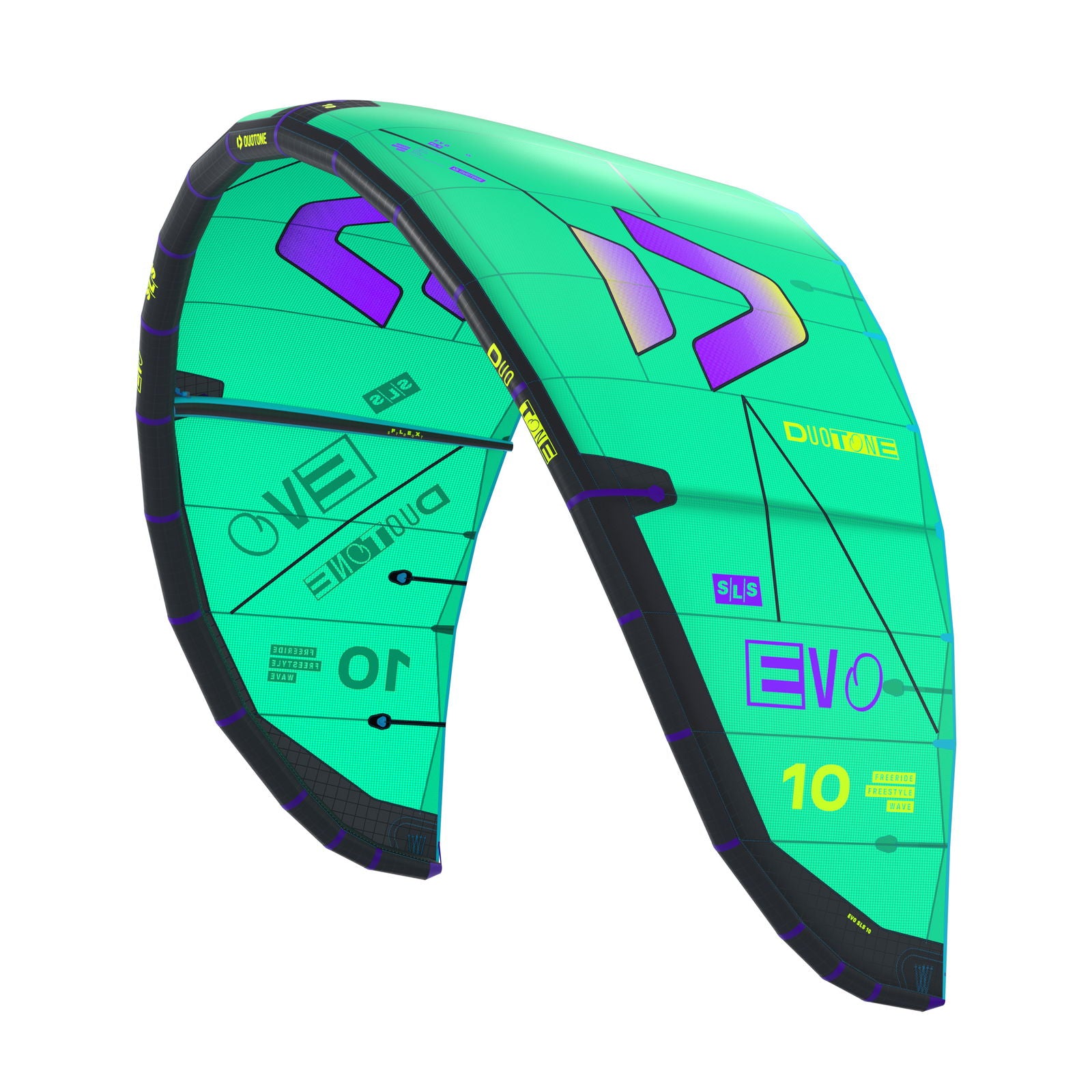
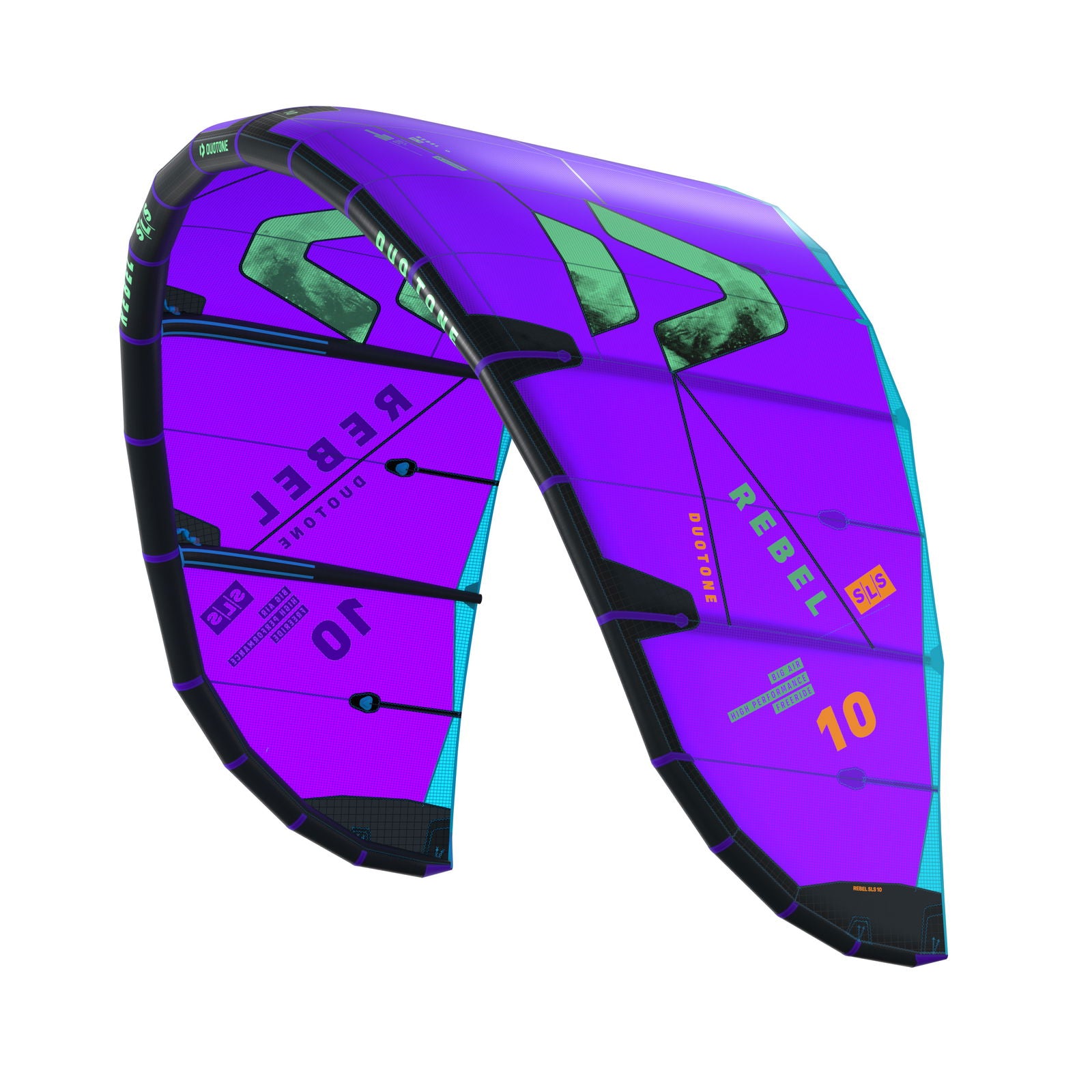
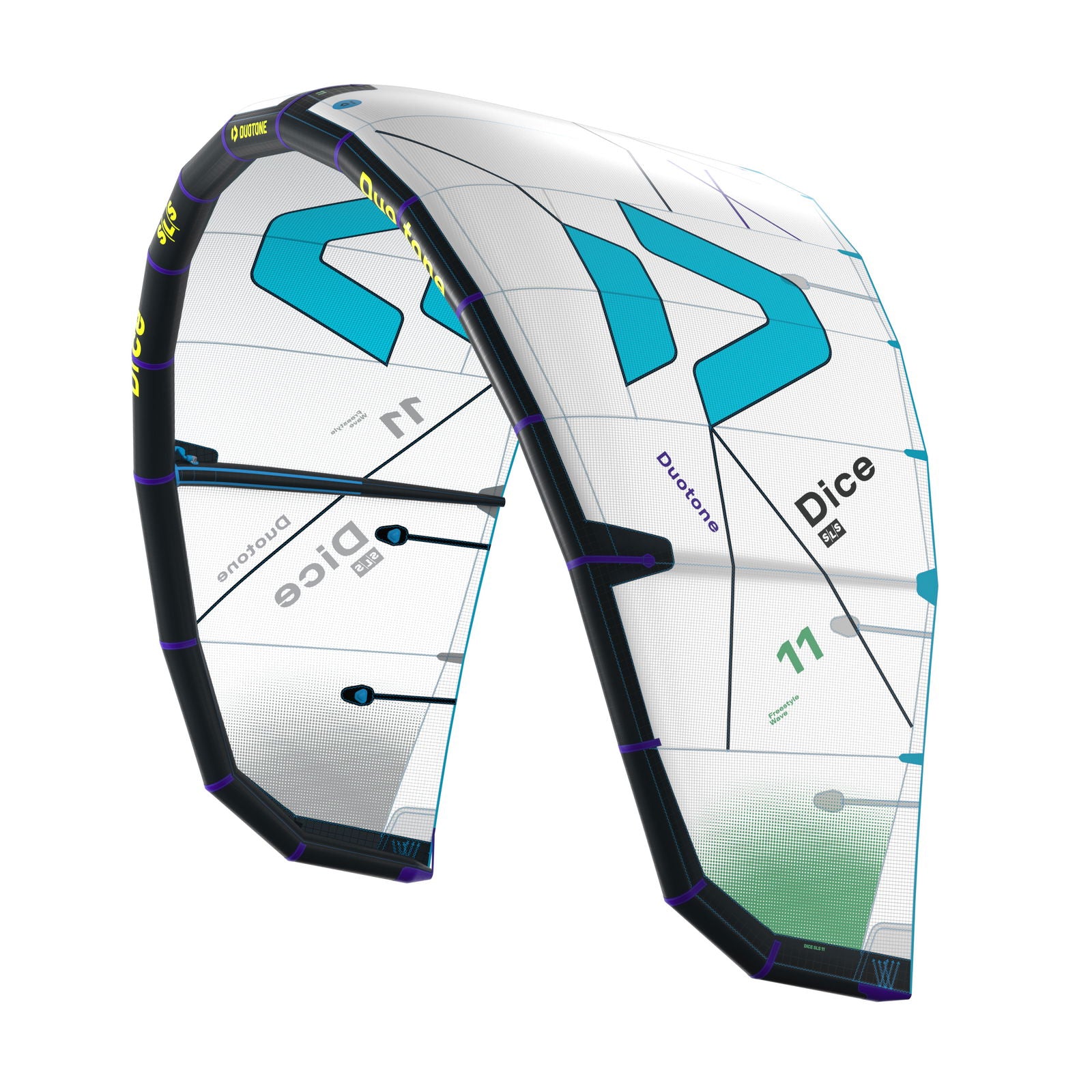
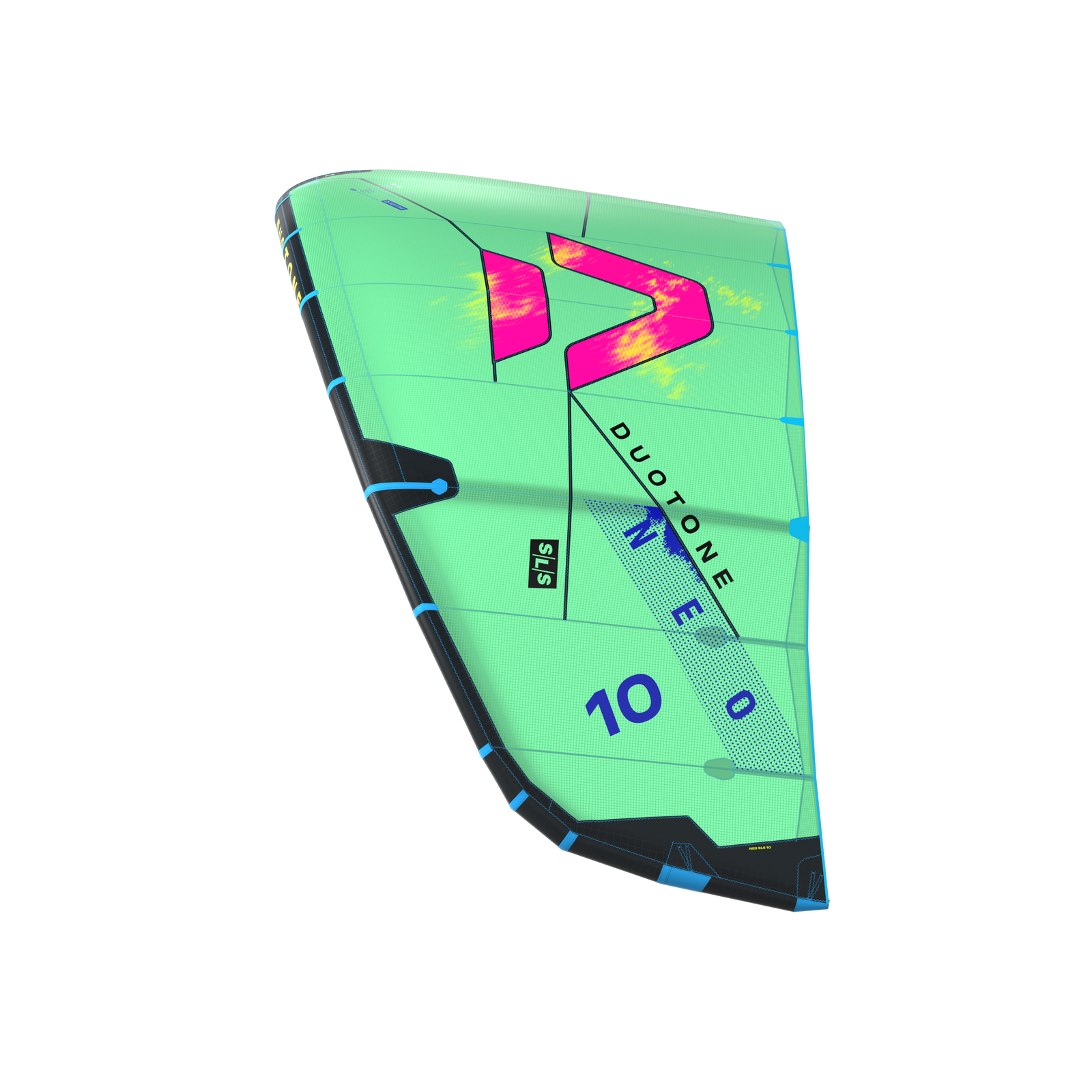
Prices and 2026 specs are pulled live from each product page. Confirm on the product page before checkout.
04 — MistakesThree mistakes we see every week
Ready to upgrade?
Browse our full kitesurfing kite range and find the size that matches your wind and skill level.
Frequently asked
No. Start on a Duotone Neo or Dice SLS—both are more forgiving and easier to relaunch. The Switchblade Apex rewards technique; beginners need a kite that teaches solid fundamentals first.
A 9 m² Switchblade Apex is your sweet spot. You'll have enough power in light days and won't be overpowered when the wind picks up to 20 knots.
The Switchblade is more playful and forgiving; the Rebel is race-focused and demands precision. If you prioritise fun and progression, pick Switchblade. If you're chasing speed, try the Rebel.
You'll need a 7 m² for safe control in solid gusts. The kite stays predictable, but your bar input matters more in heavy wind—a smaller size keeps you in the sweet spot.