Kitesurfing Corsica France — Best Spots Guide 2026
Corsica isn't on most European kiteboarders' radar—but it should be. Predictable Mediterranean thermals, protected lagoons, and granite-backed bays make this island genuinely underrated. We'll walk you through the best spots, what kites to bring, and how to time your trip.
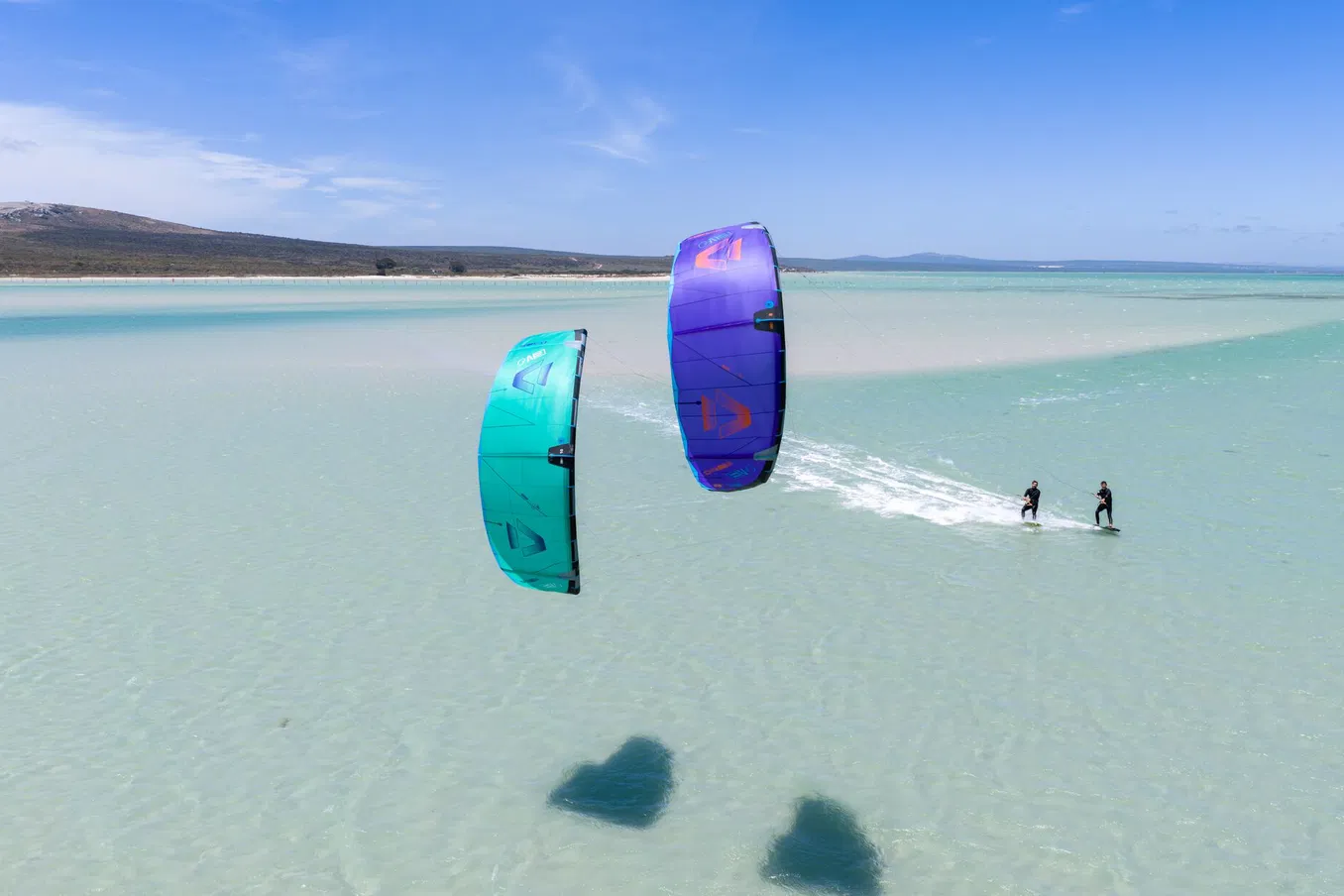
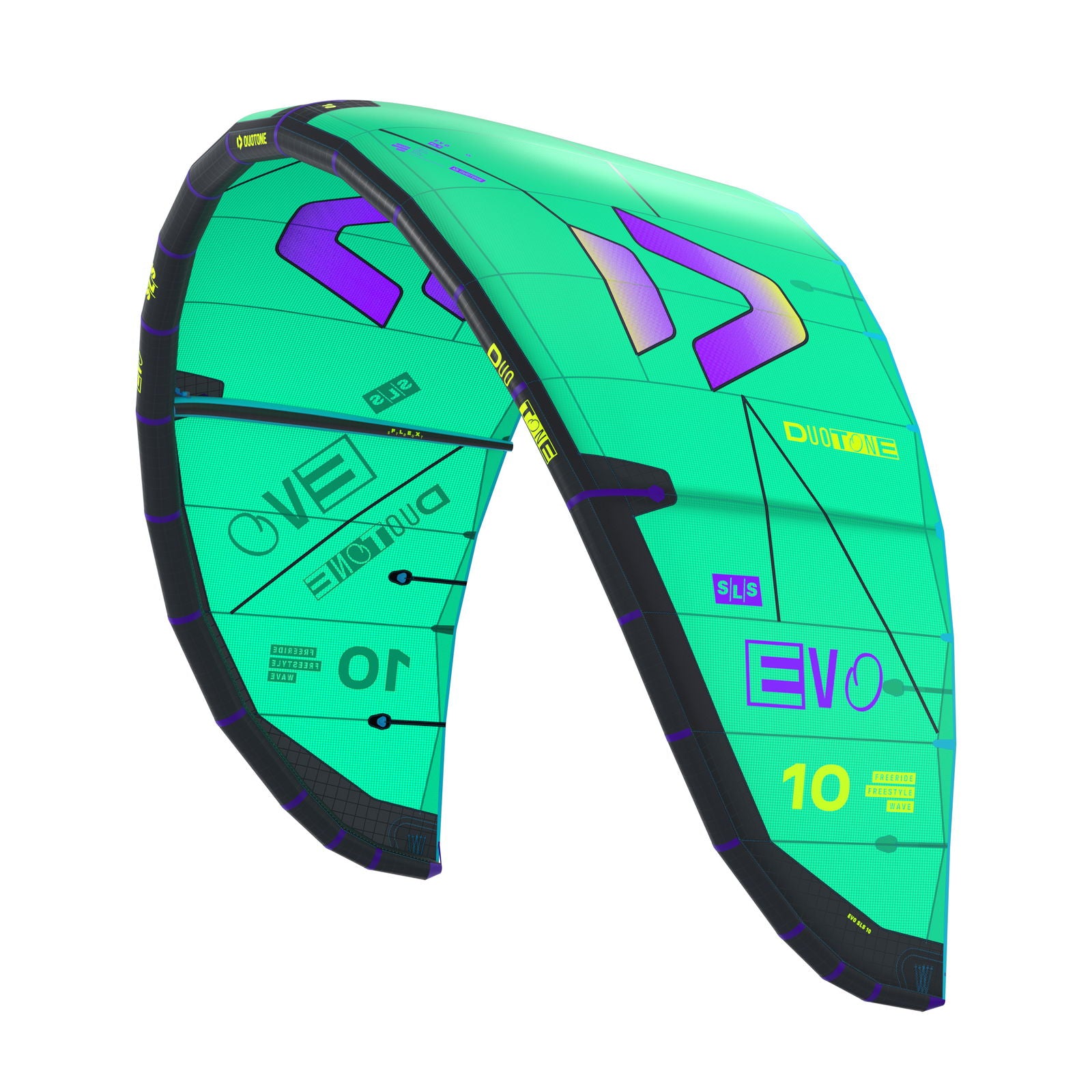
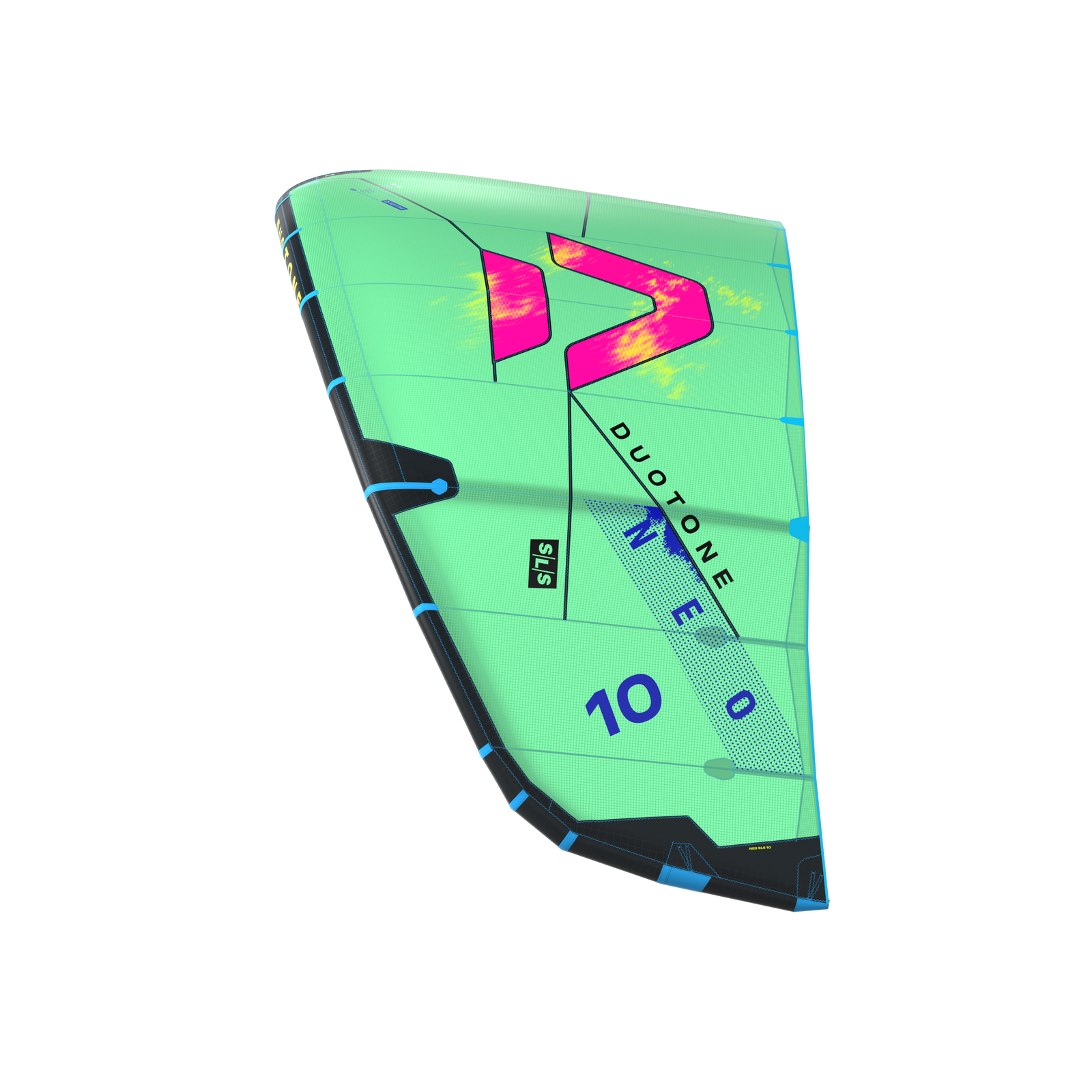
Corsica delivers May through September with 12–22 knots average, mostly in flat-water lagoons and wave bays. Water hits 18–24°C, and afternoon thermals build reliably. A Duotone Evo SLS or Neo SLS covers 90% of conditions you'll meet.
01 — Geography & SeasonWhy Corsica Works for Kiteboarders
Corsica sits in a sweet spot. It's far enough south to catch steady Mediterranean thermals every afternoon, but sheltered enough that you're not battling 30-knot gusts. May through September is your window—that's five months of reliable wind, protected water, and water temps warm enough to ride in a 2/2 mm wetsuit by July.
The island's geography matters: granite bays on the east coast trap thermal winds in the afternoon, while the Strait of Bonifacio (between Corsica and Sardinia) funnels consistent sea breezes. You'll find flat lagoons near Porto-Vecchio and Bastia, plus proper wave zones at Macinaggio and Centuri if you want to mix it up. No crowd. No jet-ski traffic. Just you, the kite, and some very good light.
02 — What to PackKites & Setups for Corsican Conditions
Pack a 9 m² and 12 m² as your main pair. The 9 m² handles the reliable 16–22 knot thermals that pick up by mid-afternoon; the 12 m² is your safety net for the lighter mornings and the occasional soft days. If you're under 75 kg, a 7 m² works too, but you'll find yourself hunting for wind more often. Don't bring anything bigger than 12 m²—Corsica's wind rarely tops 25 knots, and when it does, it's gusty and better sat out.
The Duotone Neo SLS is our go-to starter here: it's forgiving in light-to-moderate thermals, sits rock-solid in the 12–18 knot range, and won't punish you if you're still dialling in your pressure management. If you're confident and want a kite that edges harder and responds faster, the Duotone Evo SLS climbs better in light air and gives you more pop in the occasional gusty afternoon. Both ride beautifully in flat water—which is what Corsica gives you 80% of the time.
03 — Our picksOur 4 In-Stock Picks for Corsica
We stock a full range of Duotone 2026 kites suited to Corsican conditions. Pick based on your weight and confidence level—all four will work, but each has a sweet spot.
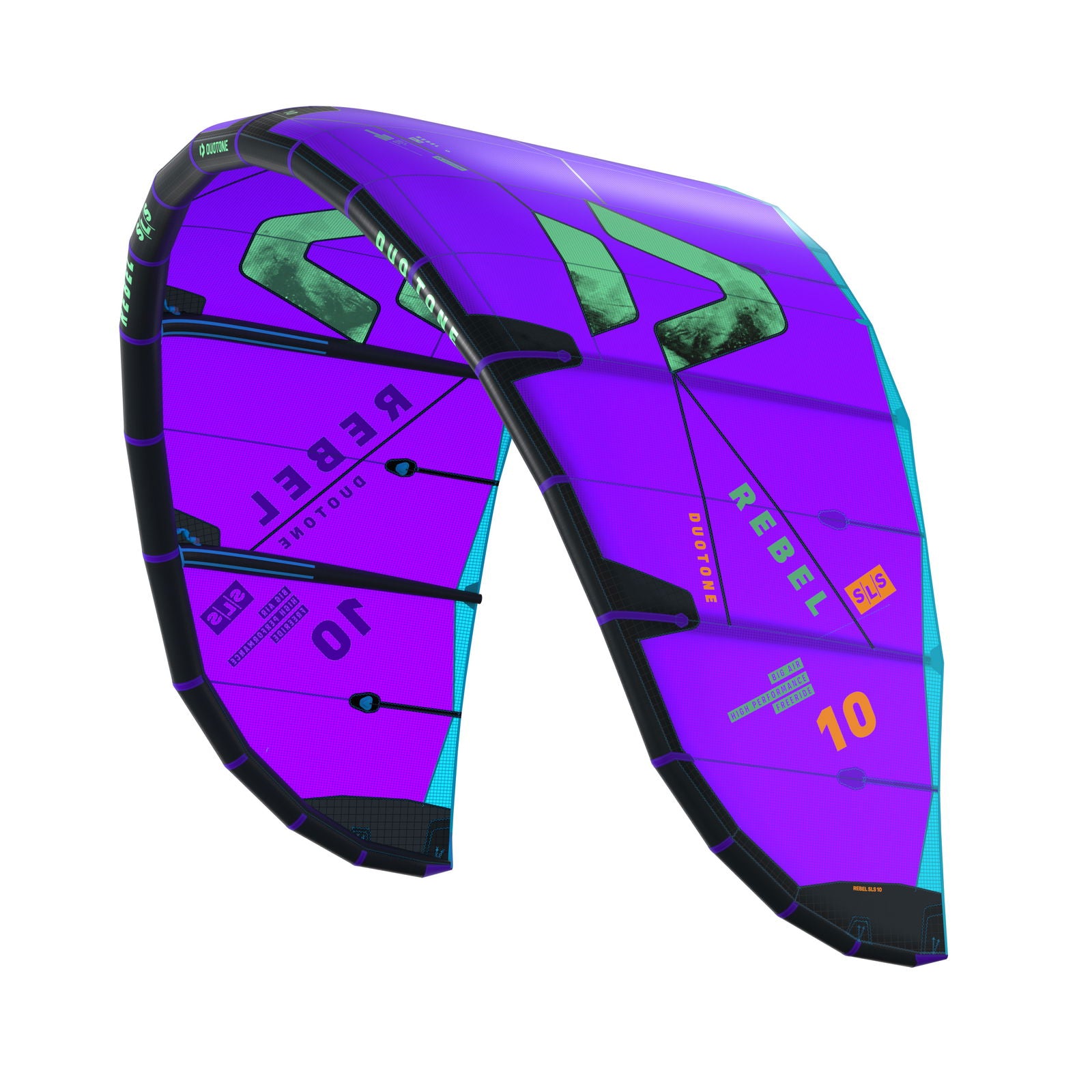
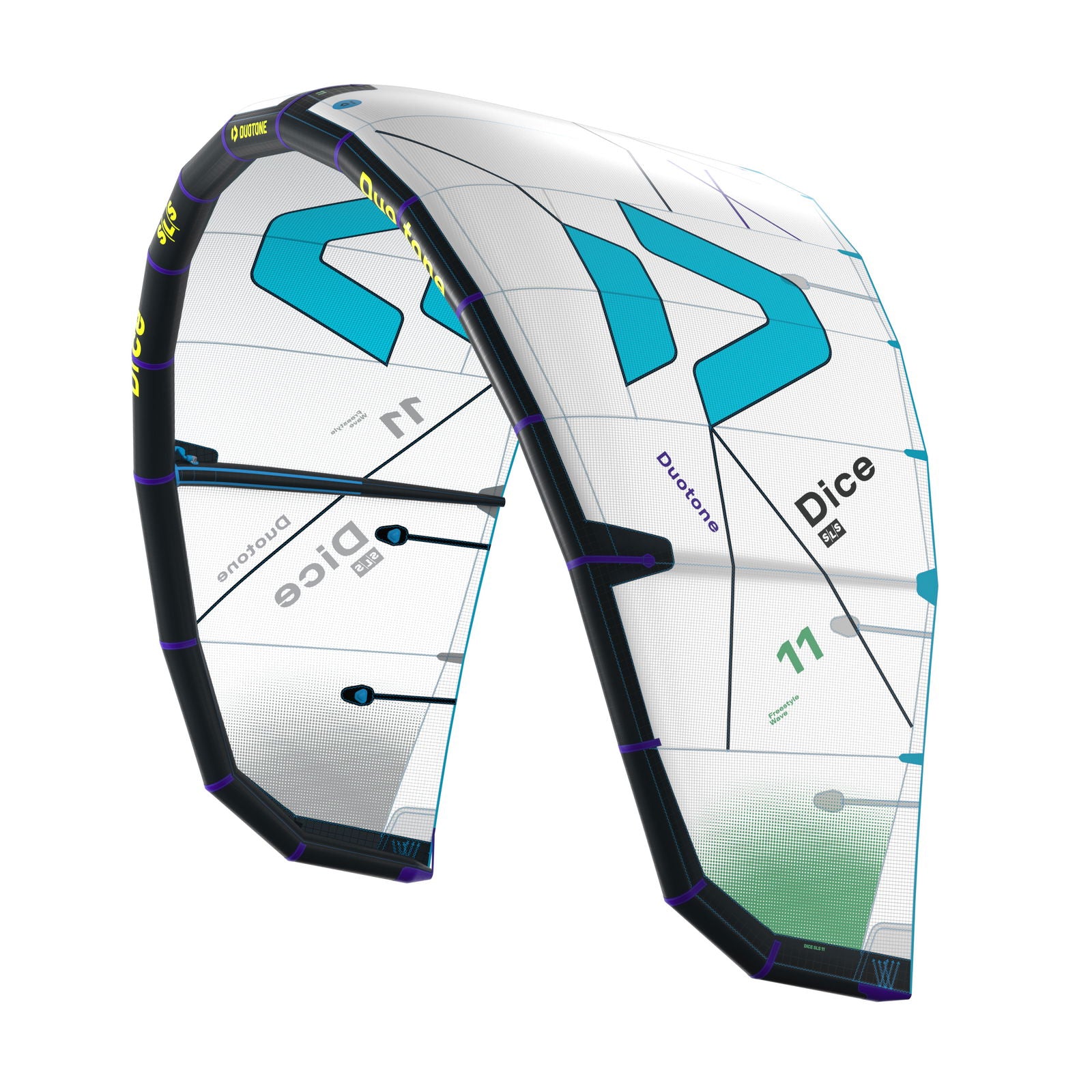
Prices and 2026 specs are pulled live from each product page. Confirm on the product page before checkout.
04 — MistakesThree mistakes we see every week
Ready to ride Corsica?
Browse our full Duotone kite range—we stock every size and model for 2026 conditions.
Frequently asked
Late May through early June. Wind is steady, water's warm enough, and the island isn't rammed with tourists. September is second choice if you can't make spring.
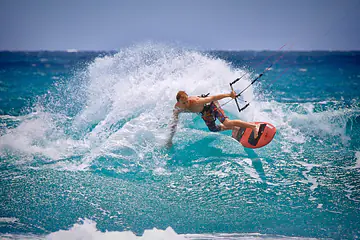
Twin-tip works everywhere—the lagoons are flat and big enough. If you want to try waves, Macinaggio has small but fun beach breaks. Most riders stick to flat-water freestyle and freeride.
Absolutely. That range is perfect for learning tricks, cruising, or just having fun. You don't need 30-knot wind days to have a good time—Corsica proves it.
Porto-Vecchio is central and windy. Bastia is less touristy and still reliable. Both have decent kite schools if you're learning. Check wind patterns the week before you arrive.