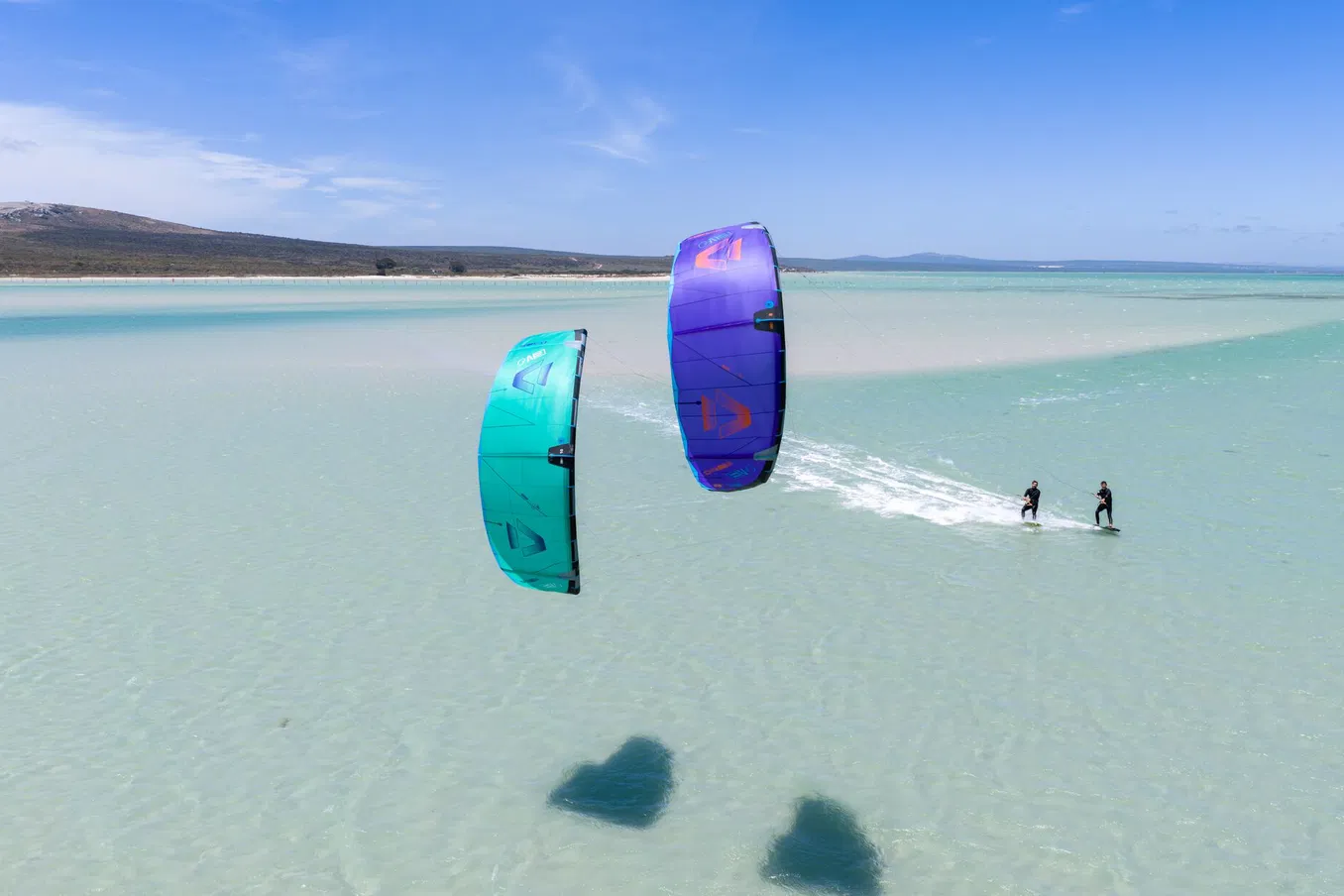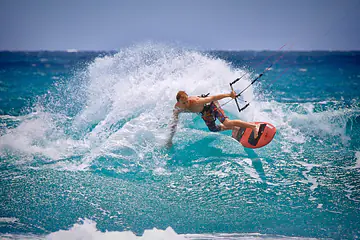
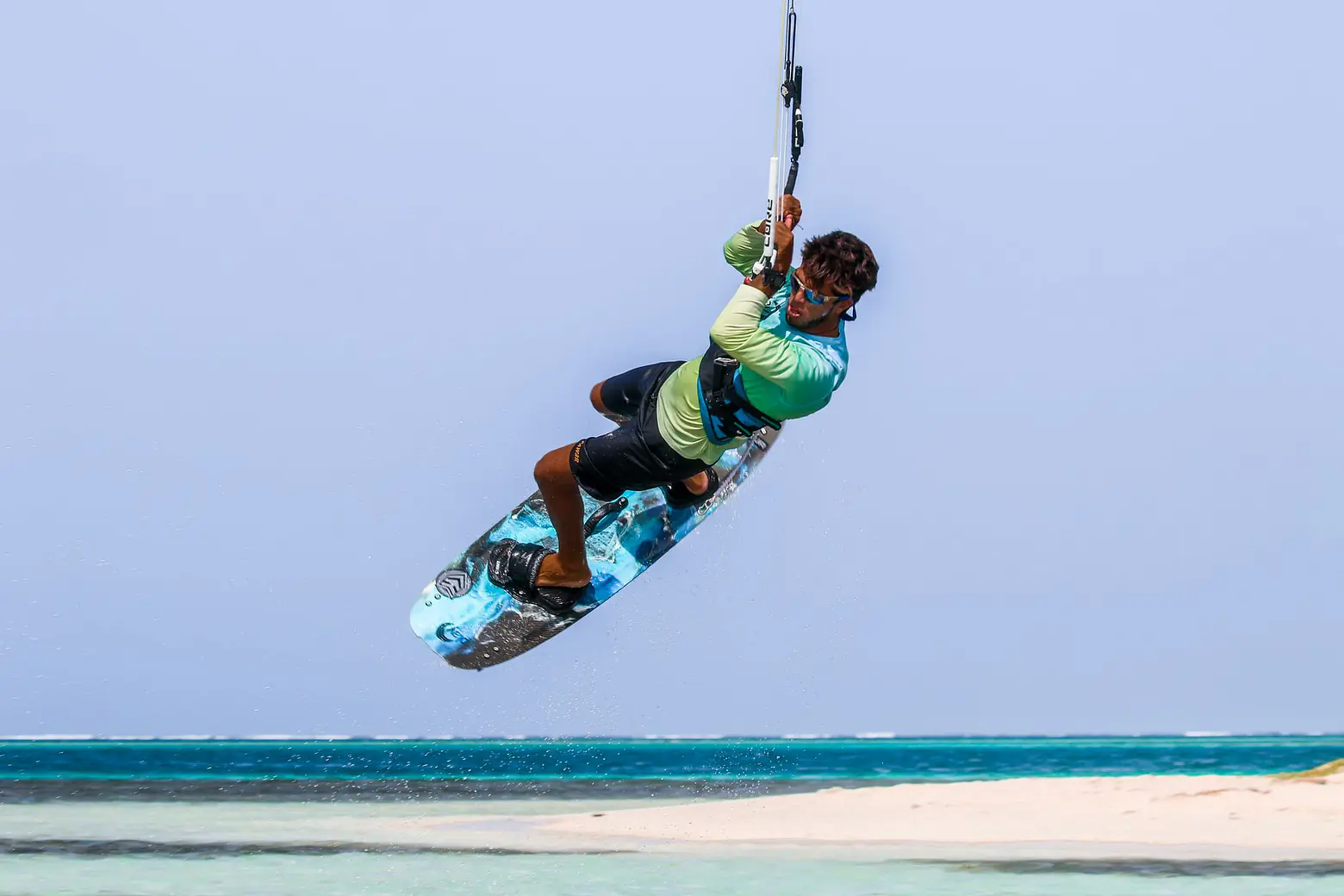
Kitesurfing Sagres — Cape St. Vincent Spot Guide 2026
Sagres isn't just another Portuguese beach—it's where the Atlantic funnels toward Africa, and the wind shows up almost every day. We've shipped more kites to this cape than anywhere else in Europe. This guide tells you exactly what size and setup you need to ride Cape St. Vincent properly.
Sagres runs 12–22 knots April through October, water's 14–18°C, and you'll clock 3–5 hour sessions easily. Grab a mid-range all-rounder like the Duotone Evo SLS—it handles the variable gusts without fuss. Respect the rocky outcrops and cliff exposure: this spot demands respect, not ego.
01 — Wind & ConditionsWhy Sagres Stands Apart
You won't find many European spots where the wind shows up as reliably as Sagres. From April through October, you're looking at 12–22 knots almost every day. The Atlantic funnels east toward the cape, so even light days pack more pressure than you'd expect inland.
Water temperature sits 14–18°C depending on season—a 4/3 mm wetsuit covers you March through November. Summer swells wrap around from the west, so you get active chop that keeps things interesting. Sessions run 3–5 hours easy because the wind rhythm is so predictable.
One thing: Sagres has exposed rock outcrops and a sheer cliff face running the beach. You need to respect the geography. Spot a good launch window and stick to it. Riders from Tarifa to Cape Town tell us the mistake is showing up on marginal days and fighting chop that isn't worth the risk.
02 — Choosing Your QuiverWhat Kite Size to Pack
Most of Sagres runs 12–20 knots, which is sweet-spot range for a 9 m² or 12 m² kite. If you're under 75 kg, a 9 m² will carry you through most sessions. If you're 75+ kg or want margin in light gusts, go 12 m². Don't overthink it: one mid-range kite covers 90% of your days here.
A 7 m² is useful only if you chase the rare 22+ knot blasts in peak wind season. Most riders we know bring a 9 m² and leave it at that. The Duotone Evo SLS and Duotone Rebel SLS both excel in Sagres' variable wind—they're tuned for exactly these conditions.
If you're learning, start with a 12 m². You'll feel more forgiving float in the lighter gusts, and once wind picks up, you'll have the control to ride longer without fighting the kite.
03 — Our picksOur 4 In-Stock Picks for Sagres
We've tested all four of these at Sagres or with riders who live there. Each covers the 12–22 knot window differently—pick based on your weight and how much wind margin you want.
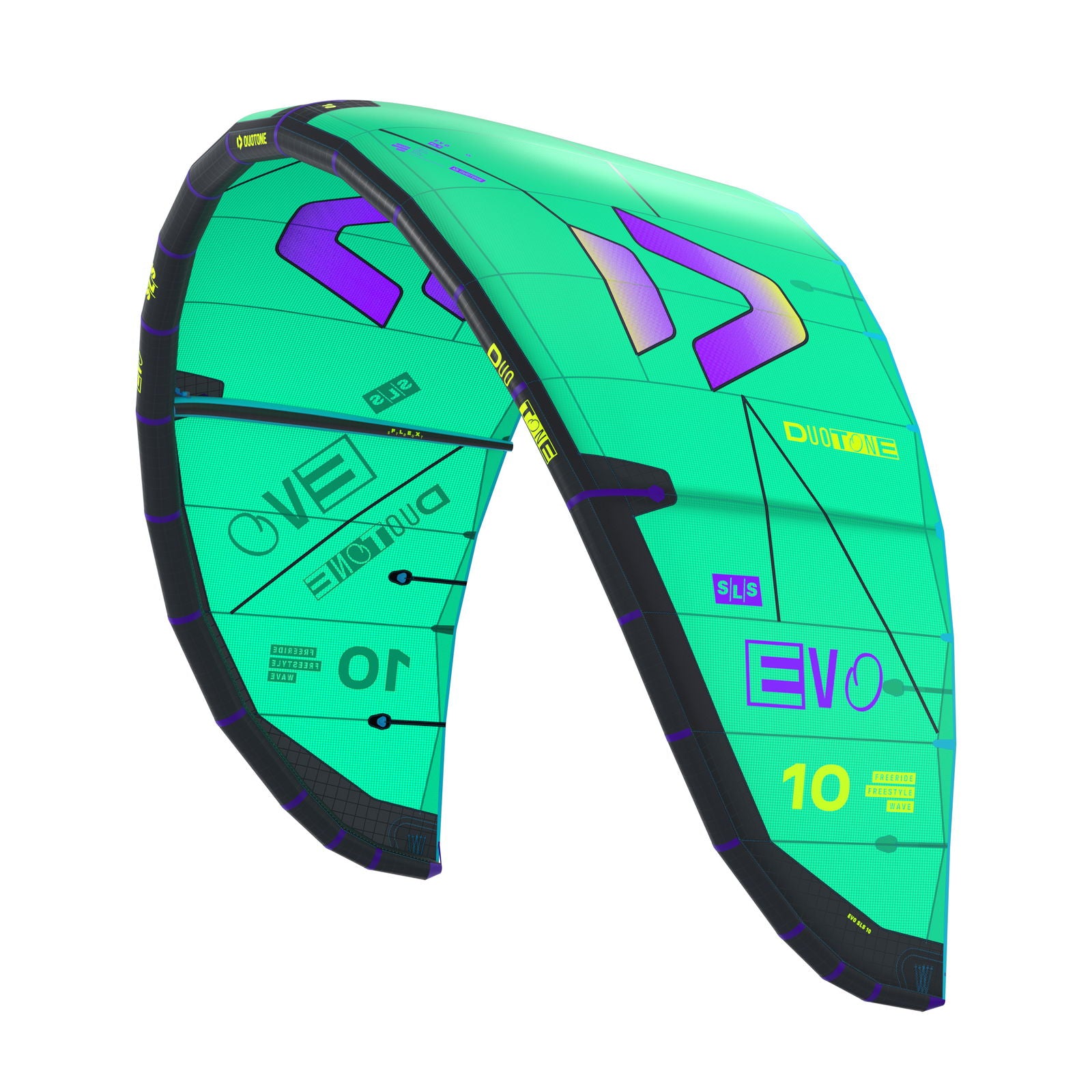
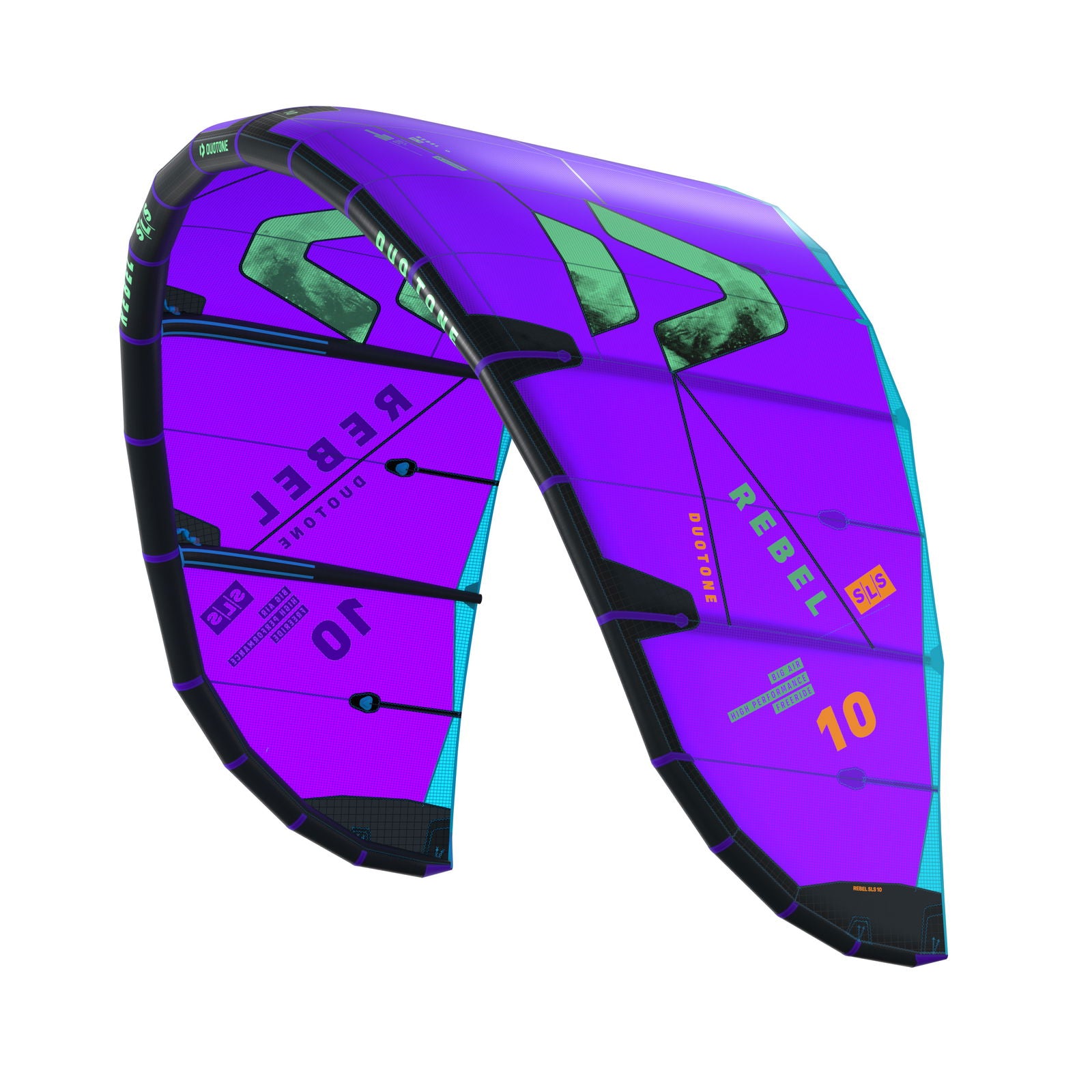
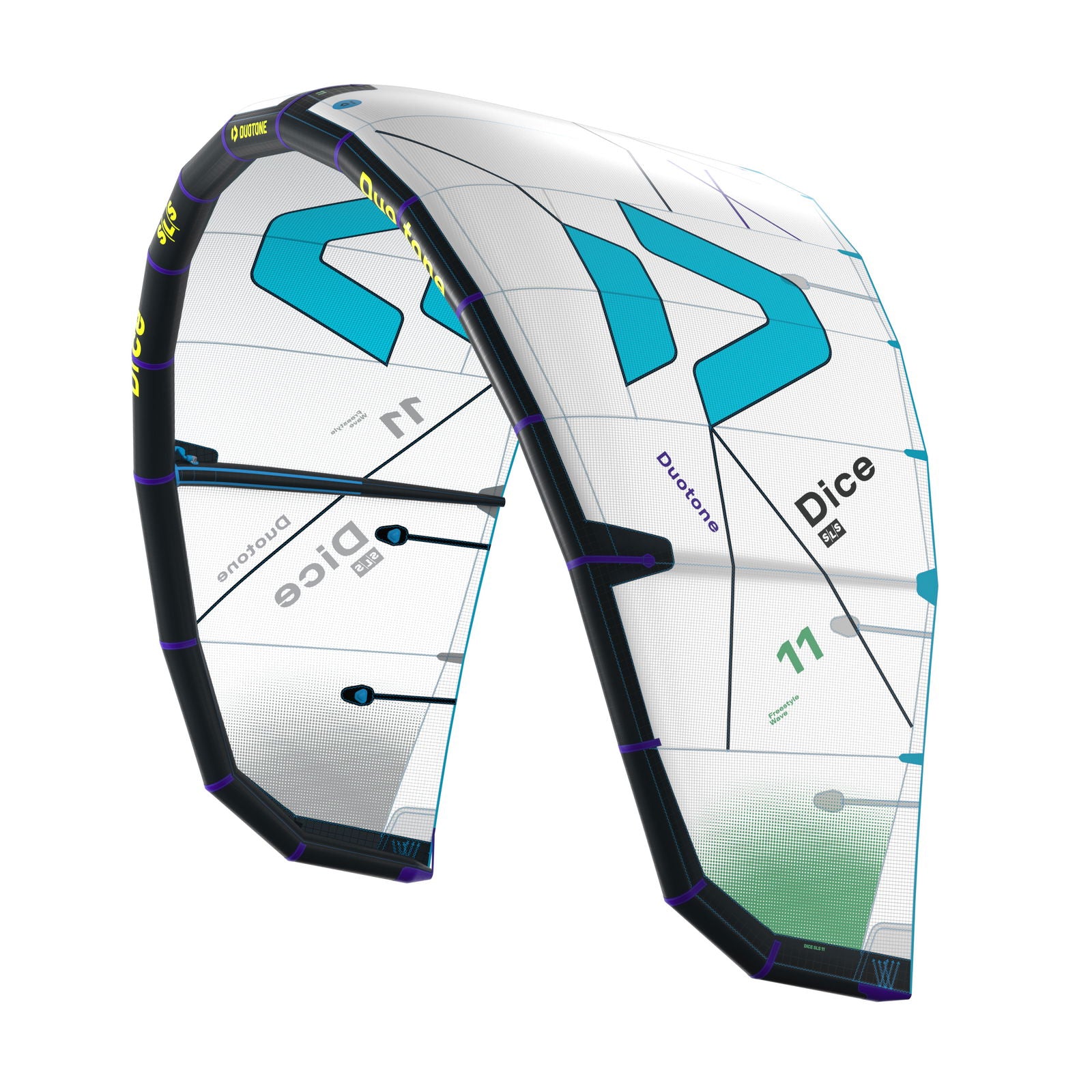
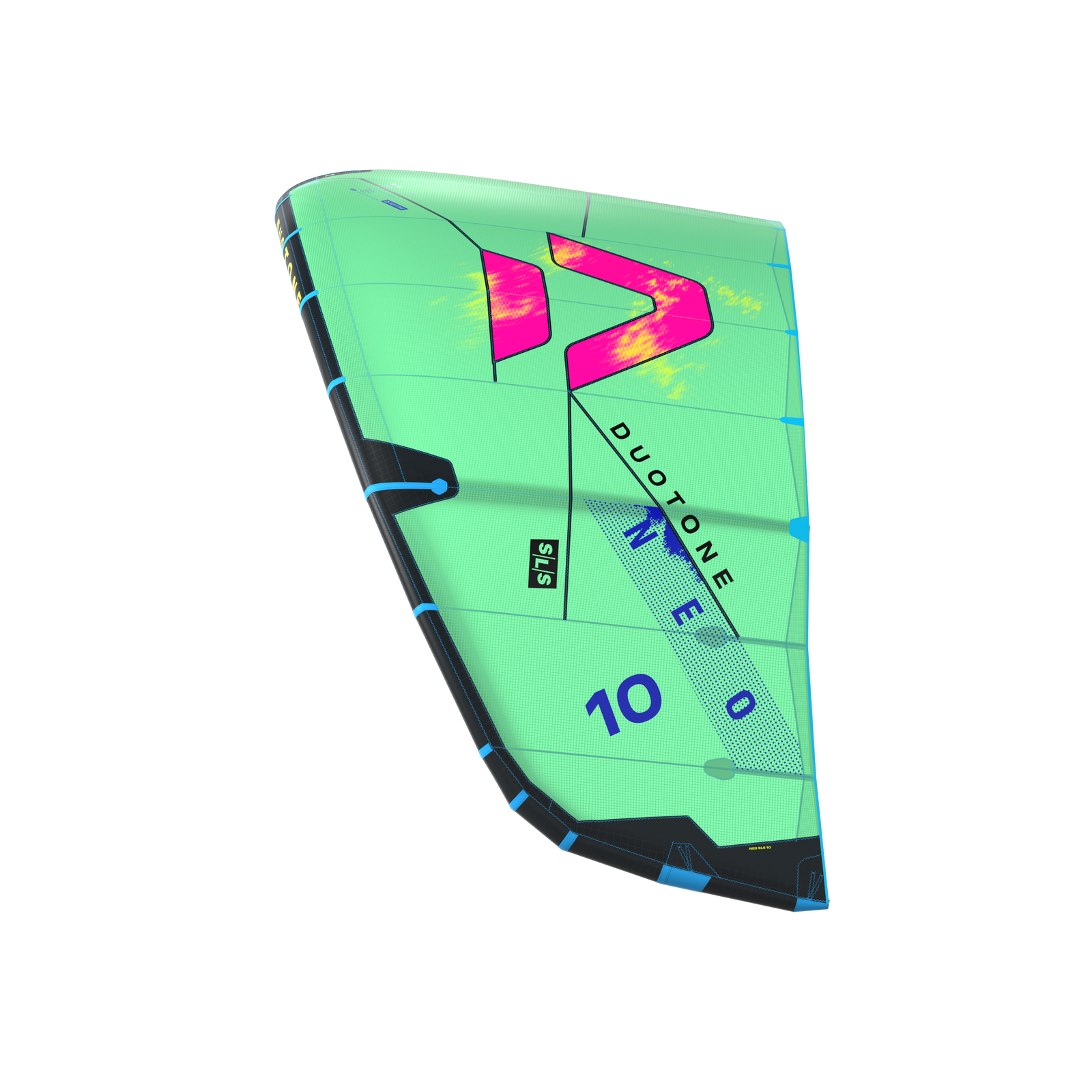
Prices and 2026 specs are pulled live from each product page. Confirm on the product page before checkout.
04 — MistakesThree mistakes we see every week
Ready to rig up for Sagres?
Our kite category is stocked with Duotone, Cabrinha, and Gaastra—all tested in Atlantic conditions.
Frequently asked
May through September: wind is consistent, water's warm, and you'll string together 4–5 day sessions. April and October work too, but water's cooler and wind less predictable.
Totally—if you're 75+ kg or don't mind sitting out the rare calm days. You'll miss some ultra-light morning sessions, but you'll cover the core 12–22 knot range.
All-rounder. The wind is variable and the sessions are long. A mid-range kite like the Duotone Evo SLS will give you better drift and edge control than a park-focused freestyle setup.
Yes, if you respect the conditions and the cliff. The wind is forgiving, sessions are mellow, and the spot rewards consistency. Just don't show up in marginal wind expecting to learn.