Kitesurfing Zadar Croatia — Spot Guide 2026
Zadar's Adriatic coast is Croatia's quietest kitesurfing gem. Thermal winds, warm shallow bays, and zero crowds make it perfect for May–September riding. Here's how to dial in the spot and pack the right kite.
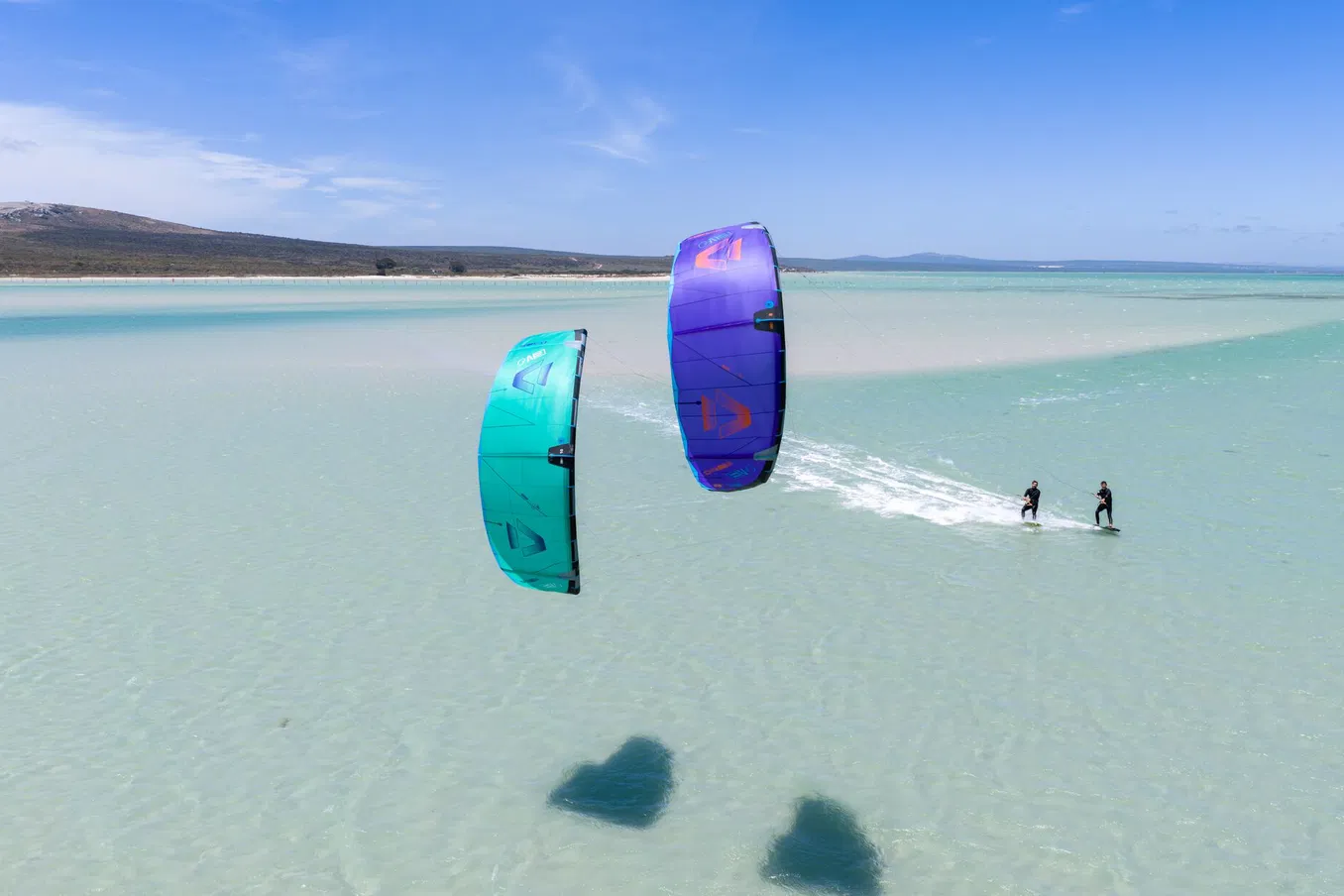
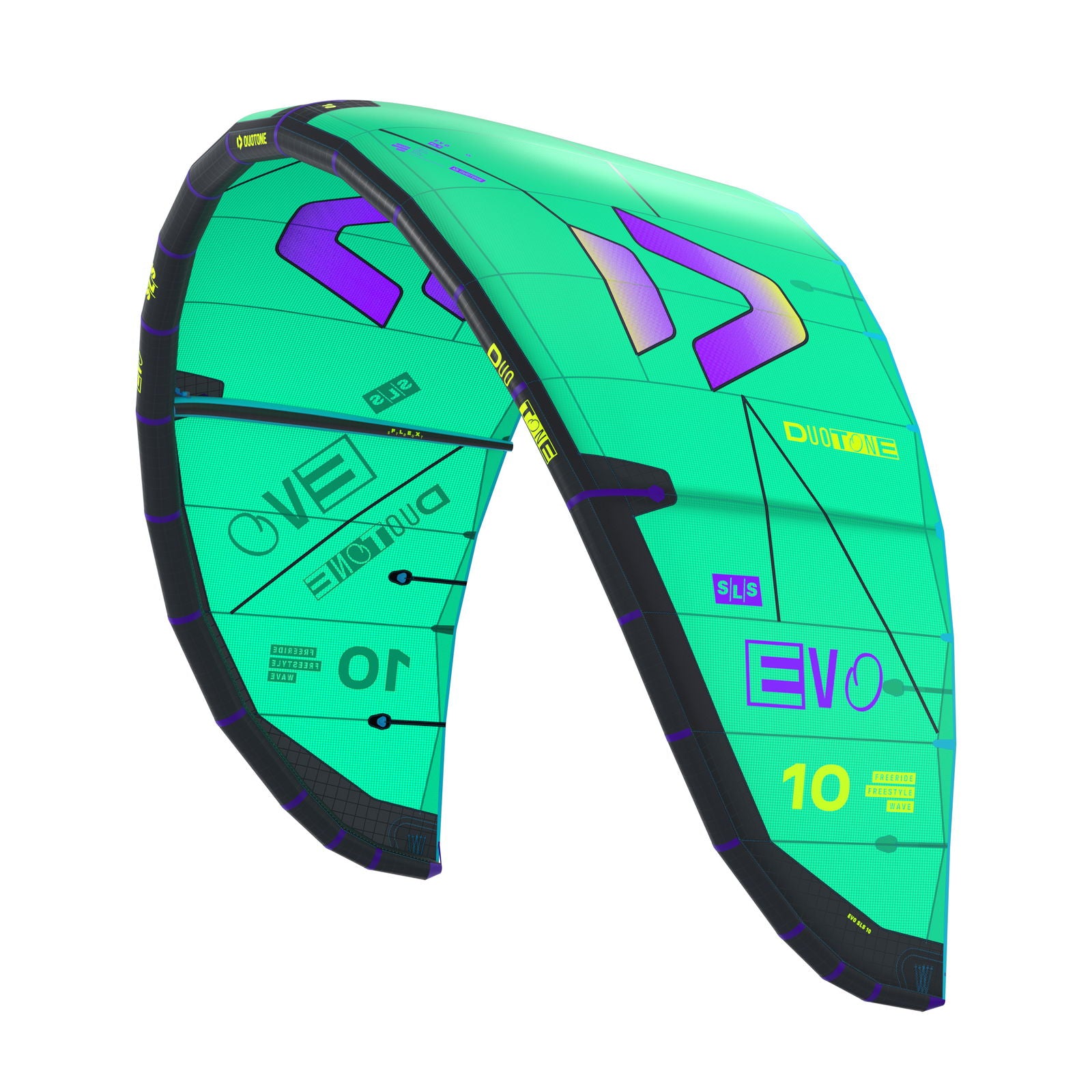
Zadar delivers 12–22 knots average with peak season May to September, 18–24°C water, and 2–4 hour sessions in protected bays. Thermal winds favour afternoon riding. Pick a mid-range freestyle or all-around kite like the Duotone Evo to handle variable thermals and occasional stronger days.
01 — The spotWhy Zadar Stands Out
Most riders heading to the Adriatic end up in Tarifa or Cape Town. Zadar doesn't get that mention—which is exactly why it works. You get the same thermal-wind playbook as any Mediterranean coast, but with half the people and cleaner shallow bays.
The town sits on a peninsula with multiple protected launch zones facing southeast and northeast. Morning glass is rare; afternoons build steadily from midday. Water's warm enough for a 2/2 mm or 3/2 mm suit May through October. Sessions run 2–4 hours before thermals die at sunset.
We've shipped kites to riders all over the Med since 2003, and Zadar keeps coming back with the same story: reliable 12–22 knot afternoons, no wind drama, no crowds, no hassle.
02 — Thermals & timingReading the Wind Window
Zadar's wind is almost entirely thermal. The Adriatic heats up fast after 11 a.m., and the sea breeze kicks in by 1–2 p.m. By 4–5 p.m., you'll have 16–22 knots. It dies completely by sunset.
Pick a kite that handles 12–20 knots comfortably without overpowering you. A 9 m² works if you're 70+ kg and ride 12–18 knots. If you're lighter or want to cruise lower winds, go 12 m². The Duotone Evo SLS handles both ends—it's forgiving on variable thermals and packs enough grunt for the afternoon jumps.
Occasional bura (northeasterly cold wind) blows in November–March with 25–35 knots, but that's off-season for most riders. Stick to May–September and you'll avoid it.
03 — Our picksOur 4 In-Stock Picks
We've chosen four Duotone 2026 kites that handle Zadar's thermal unpredictability. Pick one based on your weight and how much float you want in lighter mornings.
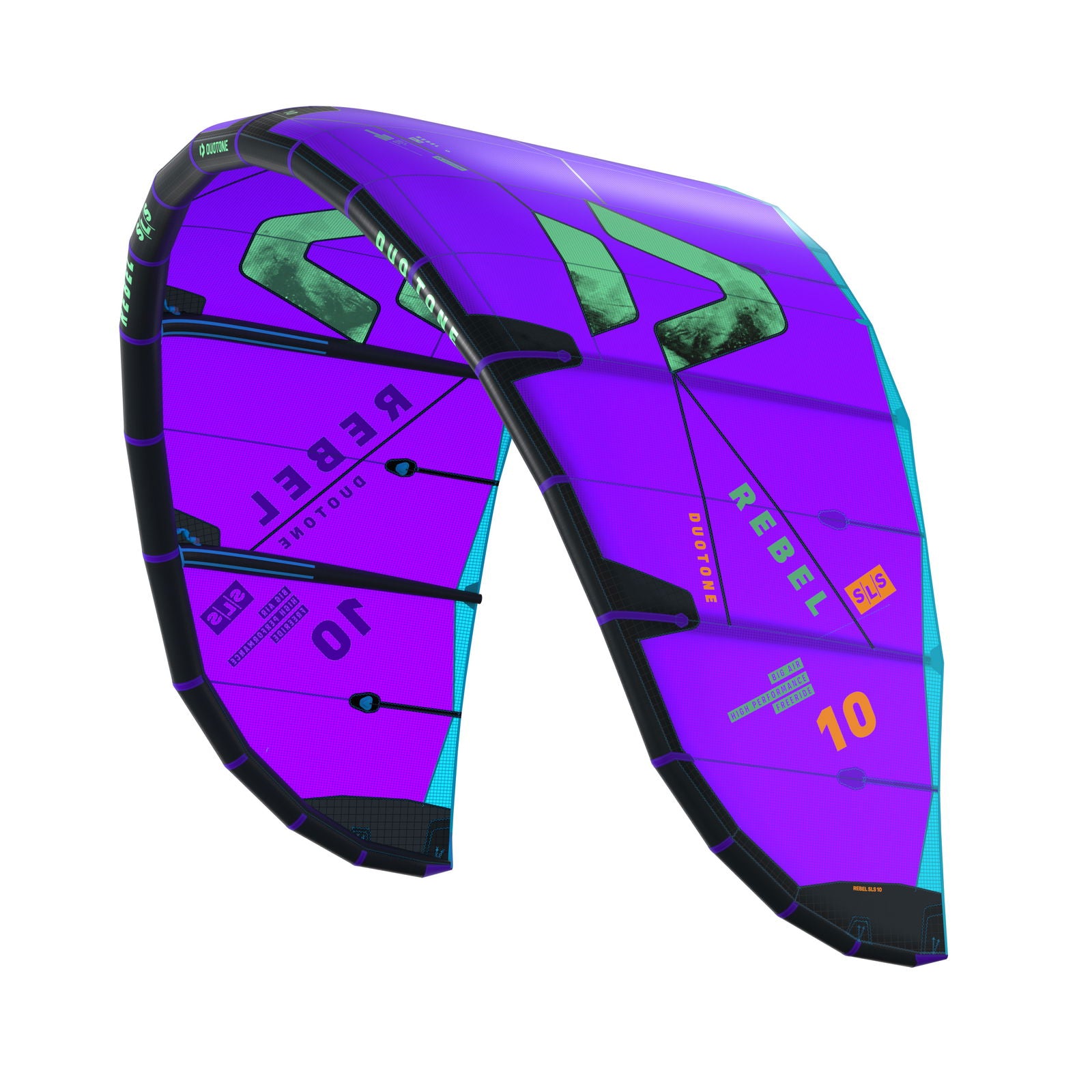
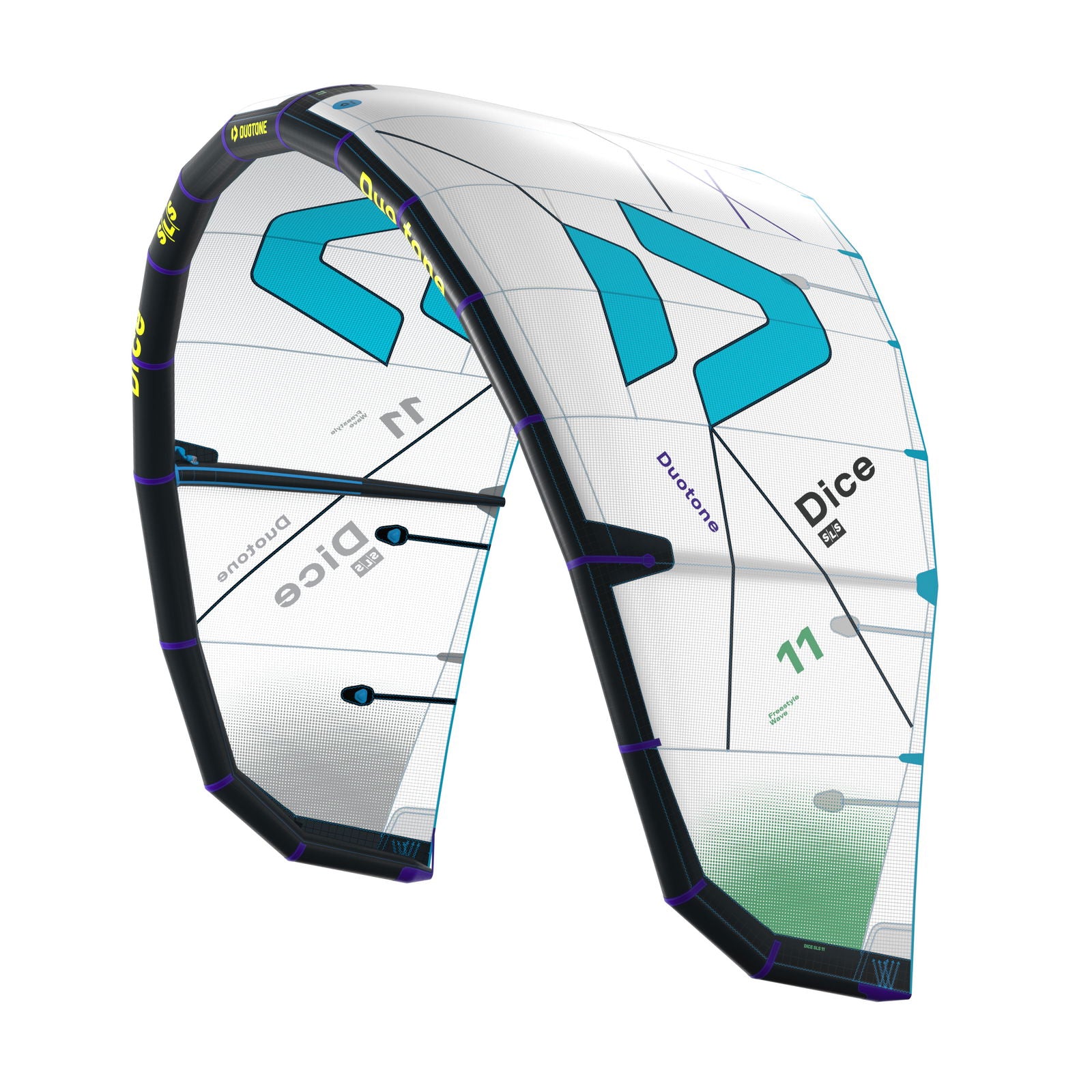
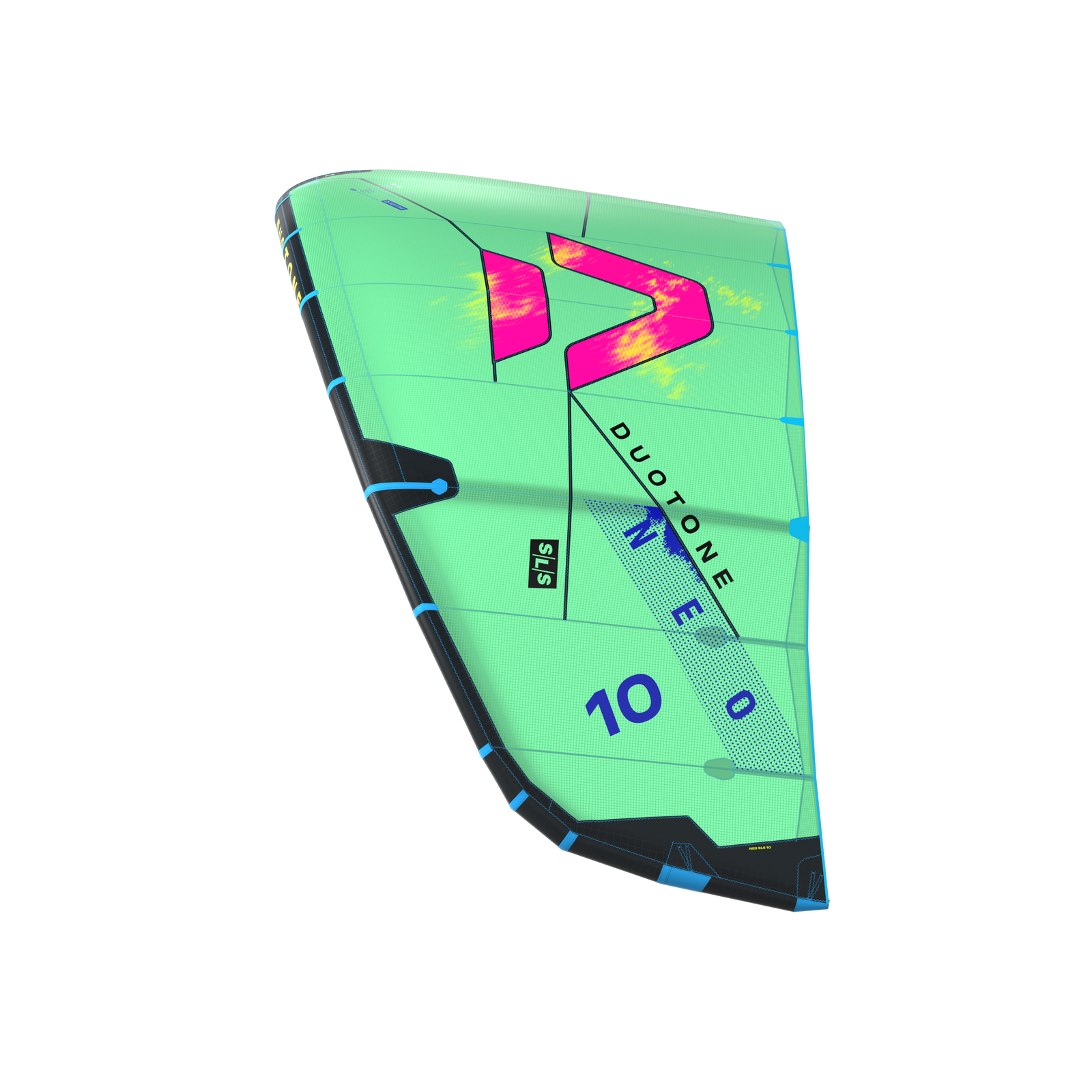
Prices and 2026 specs are pulled live from each product page. Confirm on the product page before checkout.
04 — MistakesThree mistakes we see every week
Ready to dial in Zadar?
Browse our Duotone kite range and build your Zadar quiver—all in stock and shipping across Europe.
Frequently asked
For 12–22 knot thermals, go 9 m² if you're 75+ kg, 12 m² if you're lighter or want easier float. The Duotone Evo SLS handles both scenarios well.
May–September, 2–6 p.m. daily. Thermals are most reliable then. Water temps hit 24°C by July. Avoid July if crowds bother you.
May and September call for a 3/2 mm. June–August, a 2/2 mm or rashguard works. Water's 22–24°C peak season.
Technically yes—bura winds blow 25–35 knots November–March. But thermals shut down and water drops to 10–12°C. Most riders skip winter for the Med.