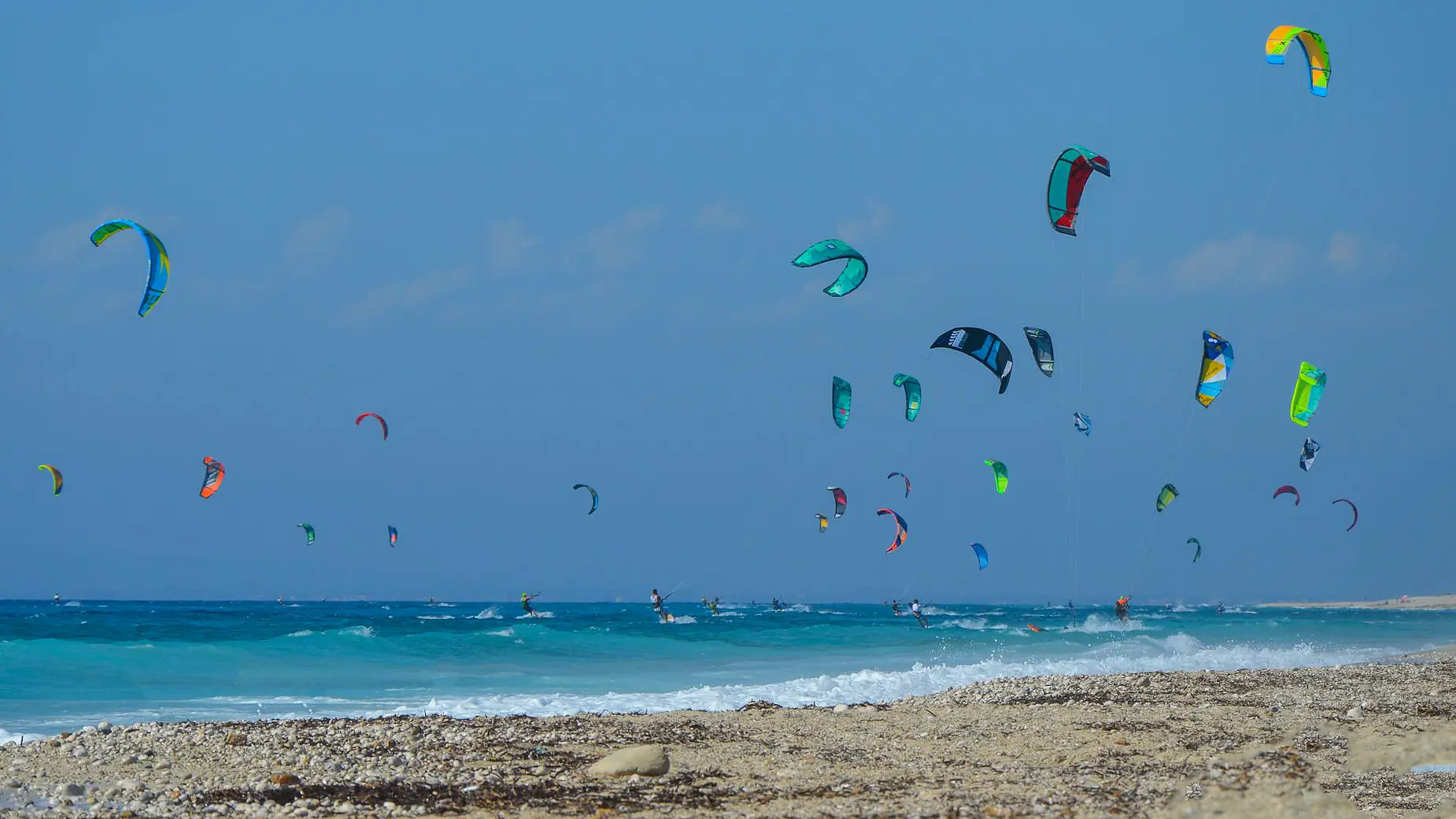
How to Launch a Kite in Strong Wind — Safety Tips
Strong wind launches aren't just harder—they're a different skill entirely. Once that leading edge lifts, the kite's already pulling hard, so precision beats force every time. Here's how to get airborne safely when the wind picks up.
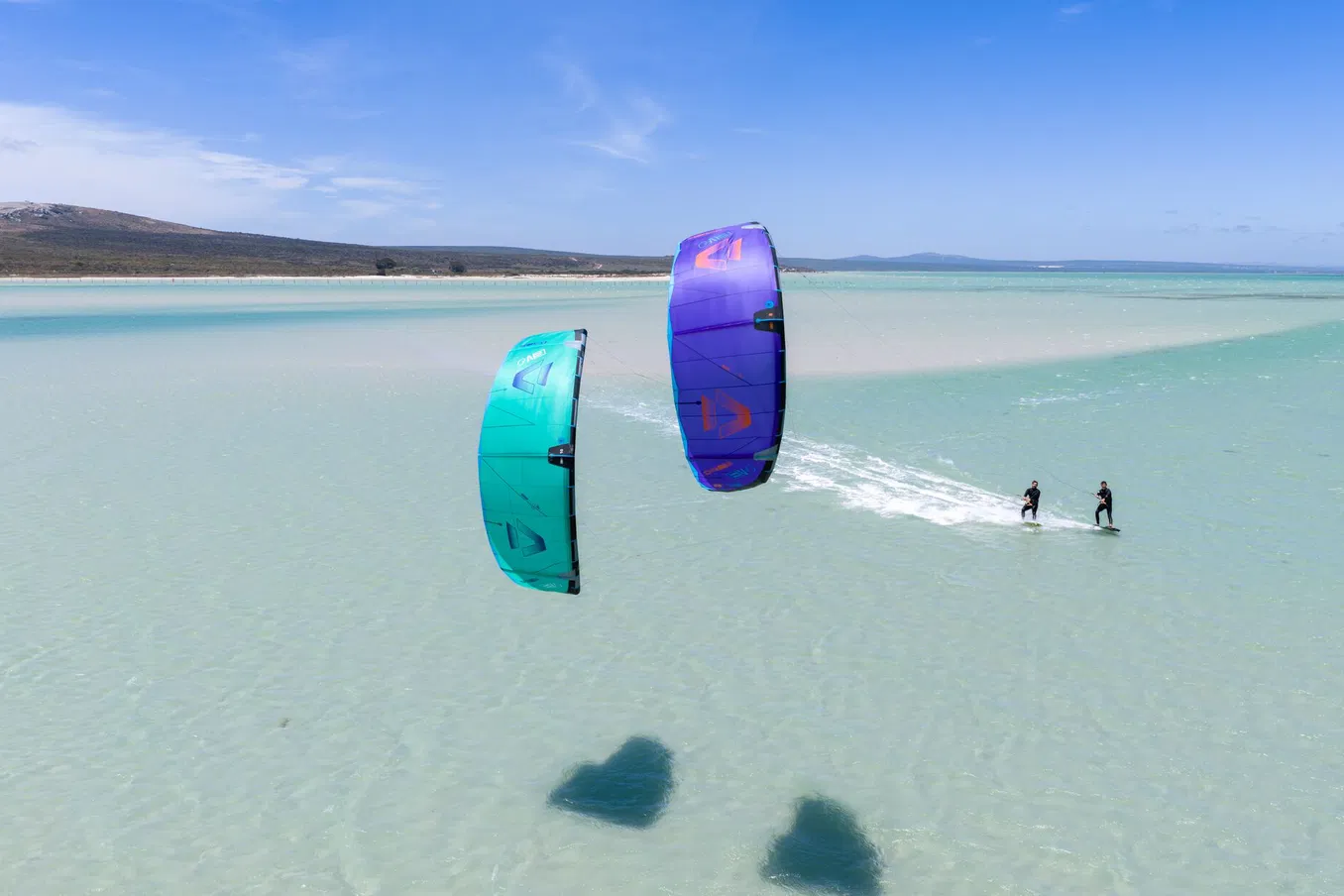
In 18+ knots, you need a spotter, beach-launch technique, and bar control. Position your helper downwind with the kite horizontal, stand perpendicular to wind, take tension on the lines, and let them release at your signal. The Duotone Evo SLS 2026 or Neo SLS 2026 give you forgiving turning and instant response—critical when managing power in heavy conditions.
01 — Power managementWhy Strong Wind Launches Are Different
Light wind and strong wind aren't just different speeds—they're different physics. In light wind, your kite needs coaxing. In strong wind (18+ knots), the kite wants to fly the moment you give it any angle.
That's why beach launches work in heavy conditions—your helper controls the release point, not the wind. You're not fighting the kite into the air; you're managing tension and timing. Once the leading edge breaks the horizon, the power comes instantly.
This is why kite choice matters. A responsive kite like the Duotone Evo SLS or Rebel SLS won't surprise you mid-launch—they telegraph power changes before they bite.
02 — ExecutionThe Beach-Launch Method Step by Step
First: size down. In 18+ knots, ride a 9 m² or 12 m² instead of your 14 m². Smaller kites respond faster and won't snatch your arms off during the release.
Position yourself perpendicular to the wind—shoulder to the kite. Your spotter holds the kite horizontal, arms wide, about 5 metres downwind. Both of you face into wind. You're both holding the bar; their job is to keep it level and release cleanly when you nod or raise your hand.
Take slow tension on the lines. Feel the kite loading. When you're ready—nod—they release and step back. The kite pitches up, and you guide it to 12 o'clock. No sudden bar movements. Keep your body relaxed; let the kite work.
03 — Our picksOur 4 In-Stock Picks for Strong Wind
Each of these handles hard wind without erratic behaviour. All are 2026-spec and ship within 48 hours across Europe.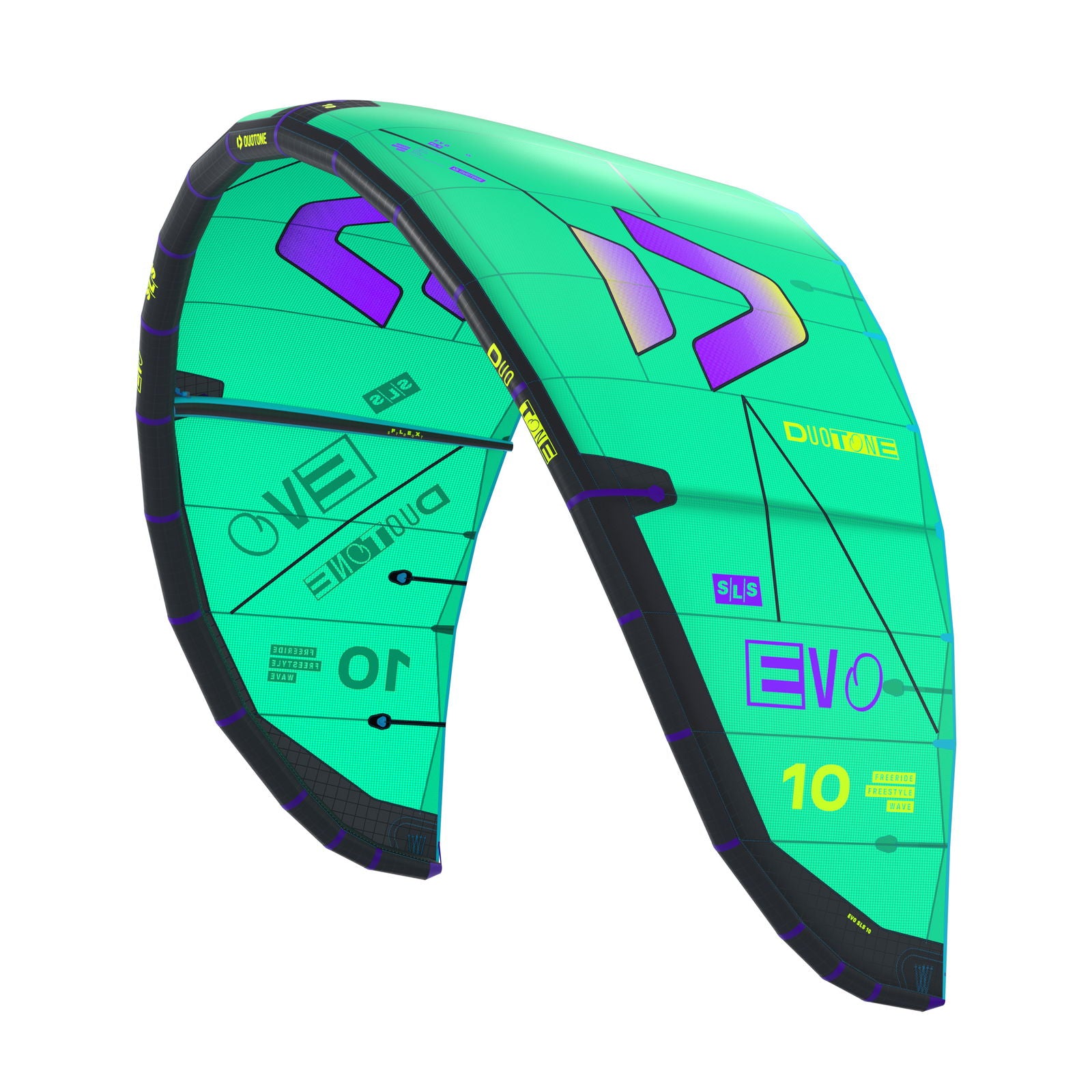
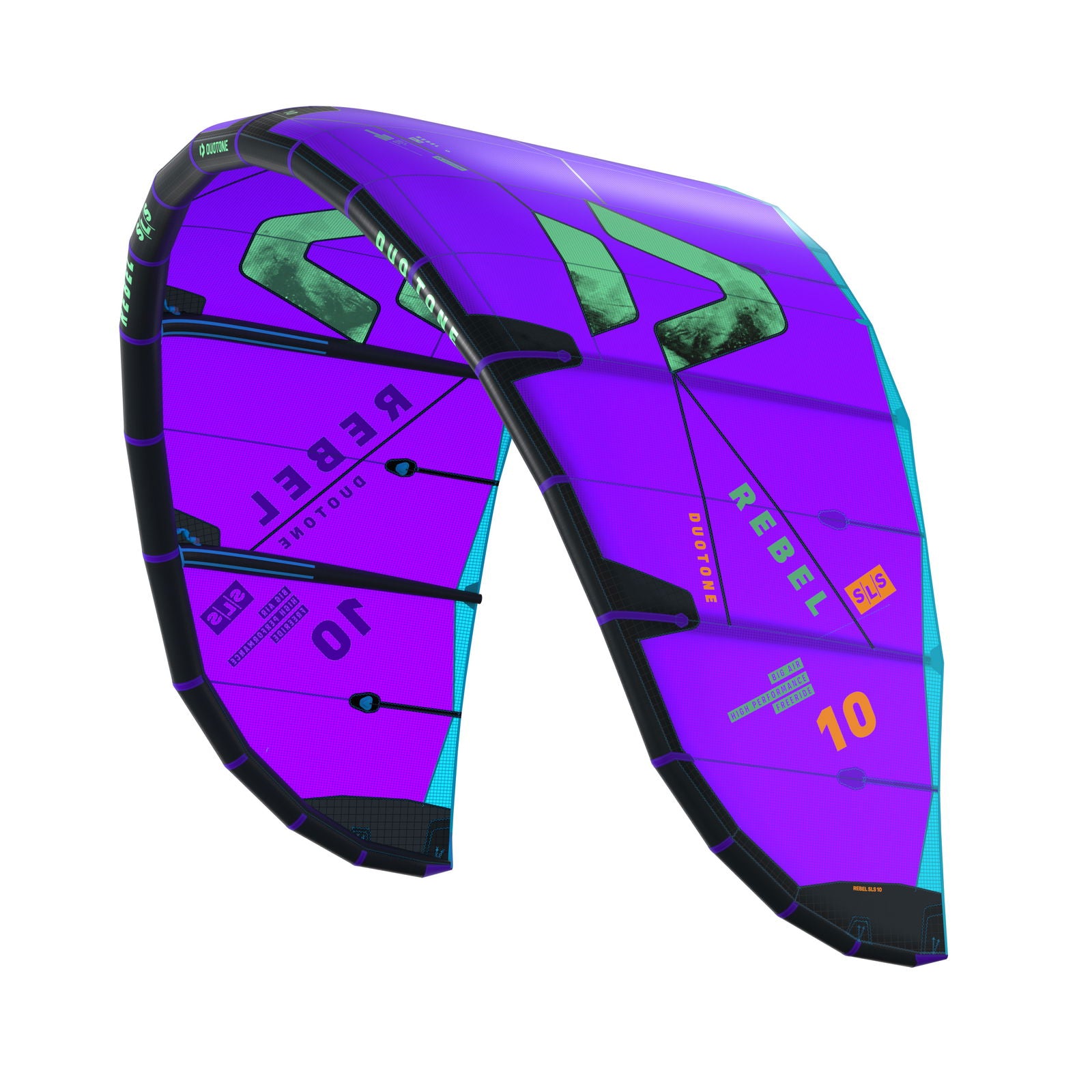
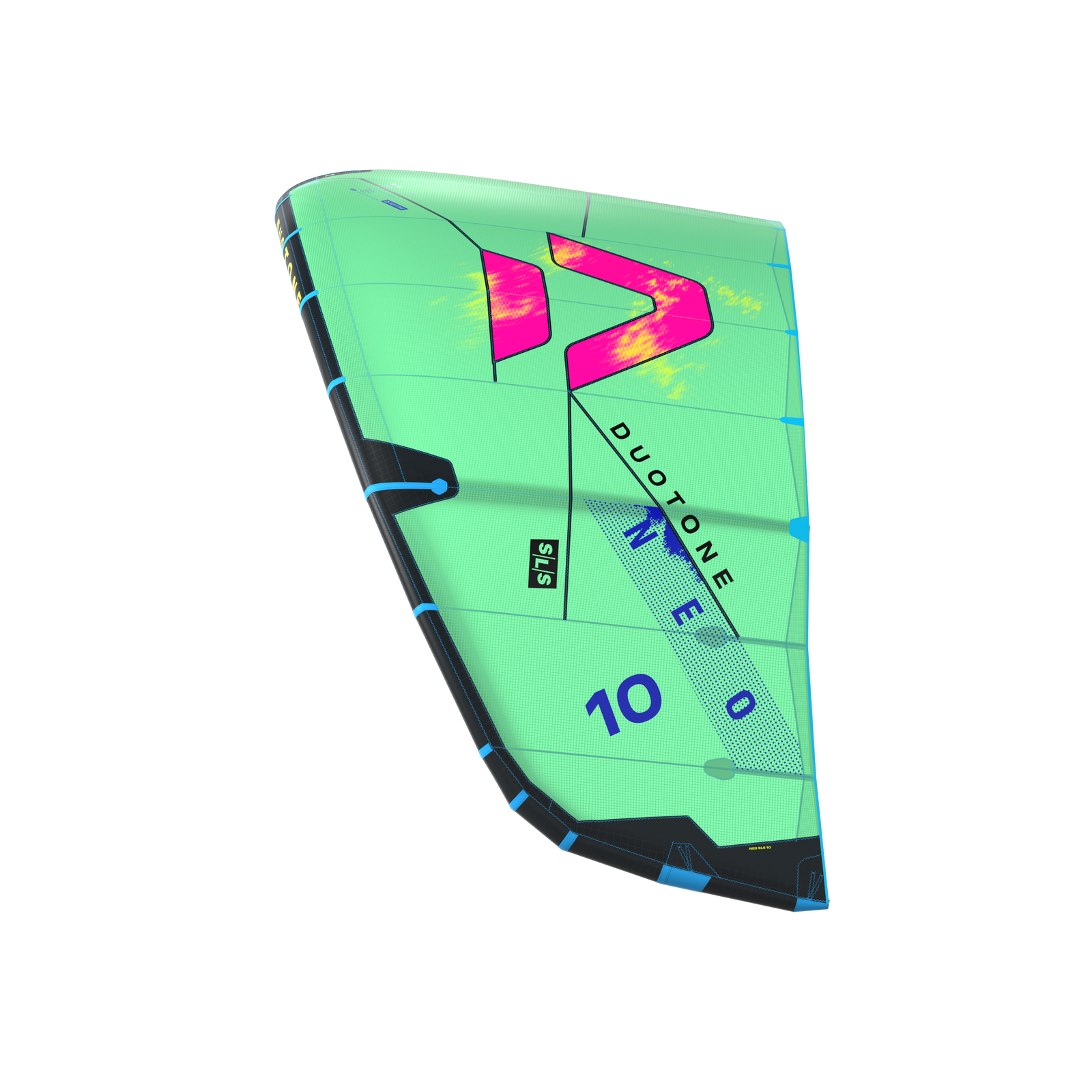
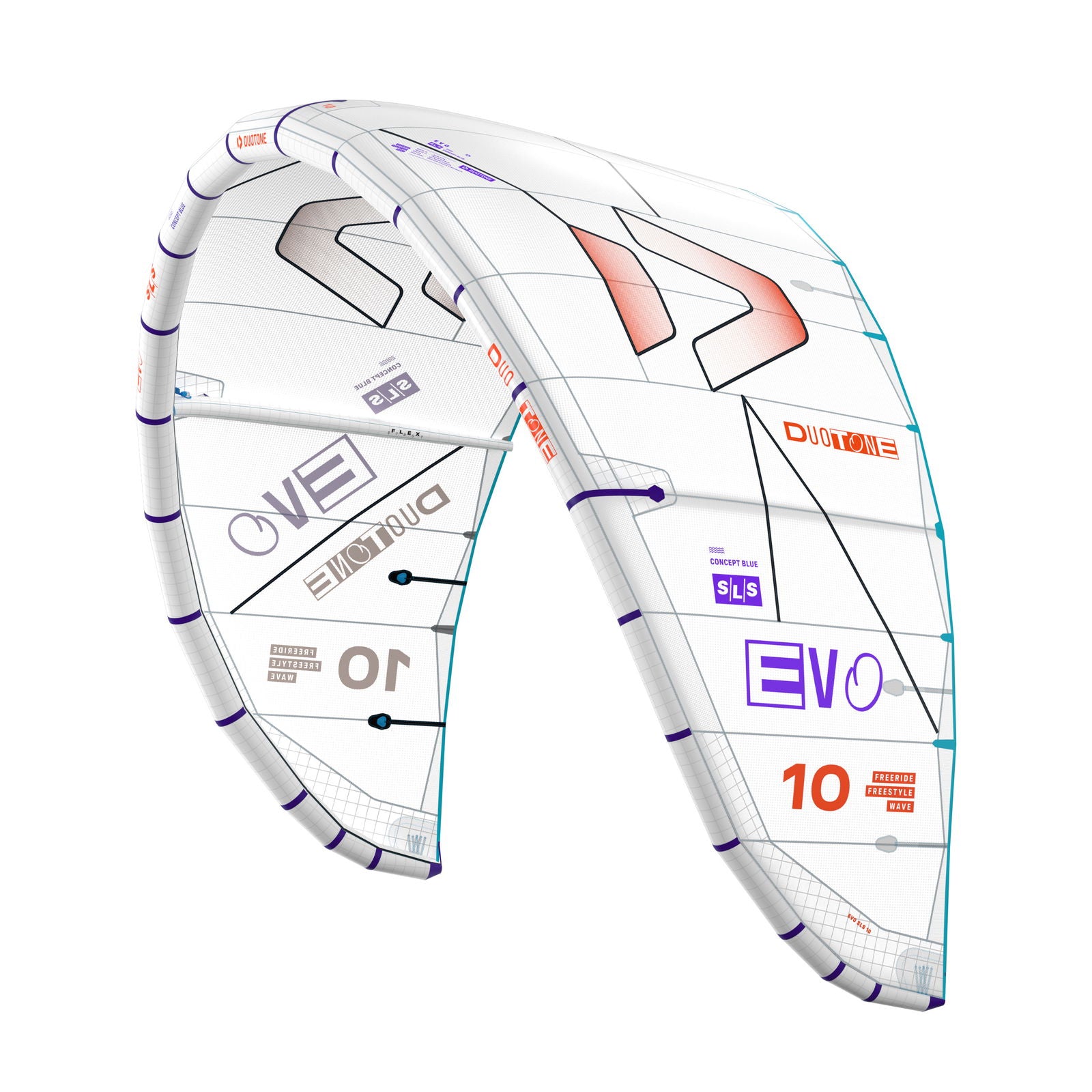
Prices and 2026 specs are pulled live from each product page. Confirm on the product page before checkout.
04 — MistakesThree mistakes we see every week
Ready to dial in your strong wind setup?
Browse our full range of 2026 Duotone and Cabrinha kites, all tested in European wind spots.
Frequently asked
18+ knots. Above that, beach launches become essential. Below 18, you can usually do a self-launch with care.
Yes. Move down one size—so 12 m² instead of 14 m², or 9 m² instead of 12 m². Smaller kites are more responsive and easier to control during the launch.
Not safely. Always get a spotter. The kite can flip, collapse, or drag you before you're even on the board. Not worth the risk.
It has direct bar feel and predictable turning. You know exactly what the kite's doing, which means fewer surprises during the launch sequence.